

Serbian story with translation · B1 · 17 lines
Замолила бих вас да после поноћи буде мир I'd ask you for peace and quiet after midnight
Comic · 16 panels

Поштоване комшије са четвртог спрата, ја сам Ана из стана број седам. Живим тачно испод вас.
Dear neighbors on the fifth floor, I'm Ana from apartment number seven. I live right below you.
Пишем вам ову цедуљу, јер не волим комшијске свађе и не желим да вас узнемиравам.
I'm writing you this note because I don't like arguments between neighbors and I don't want to disturb you (to several people).
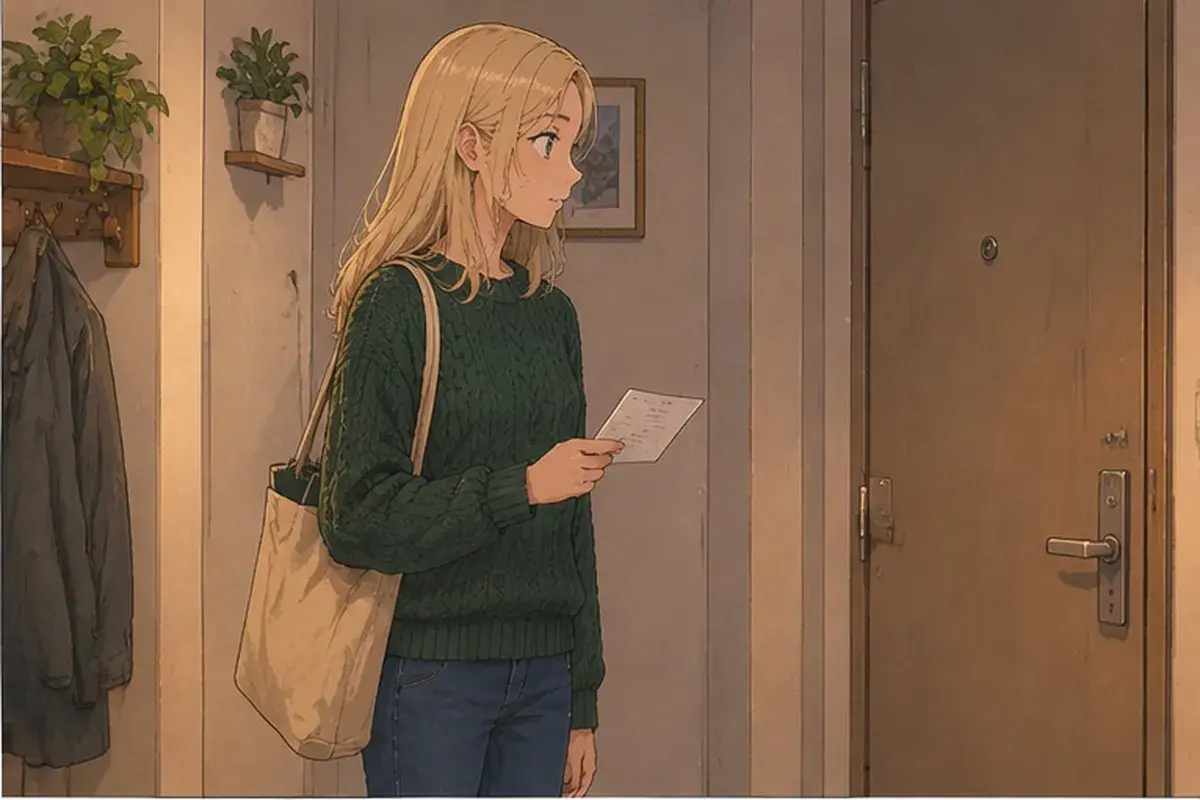
Уместо да куцам на врата у два сата ноћу, одлучила сам да вам пристојно напишем шта ми смета.
Instead of knocking on the door at two in the morning, I decided to politely write you what bothers me (woman speaking, to several people).
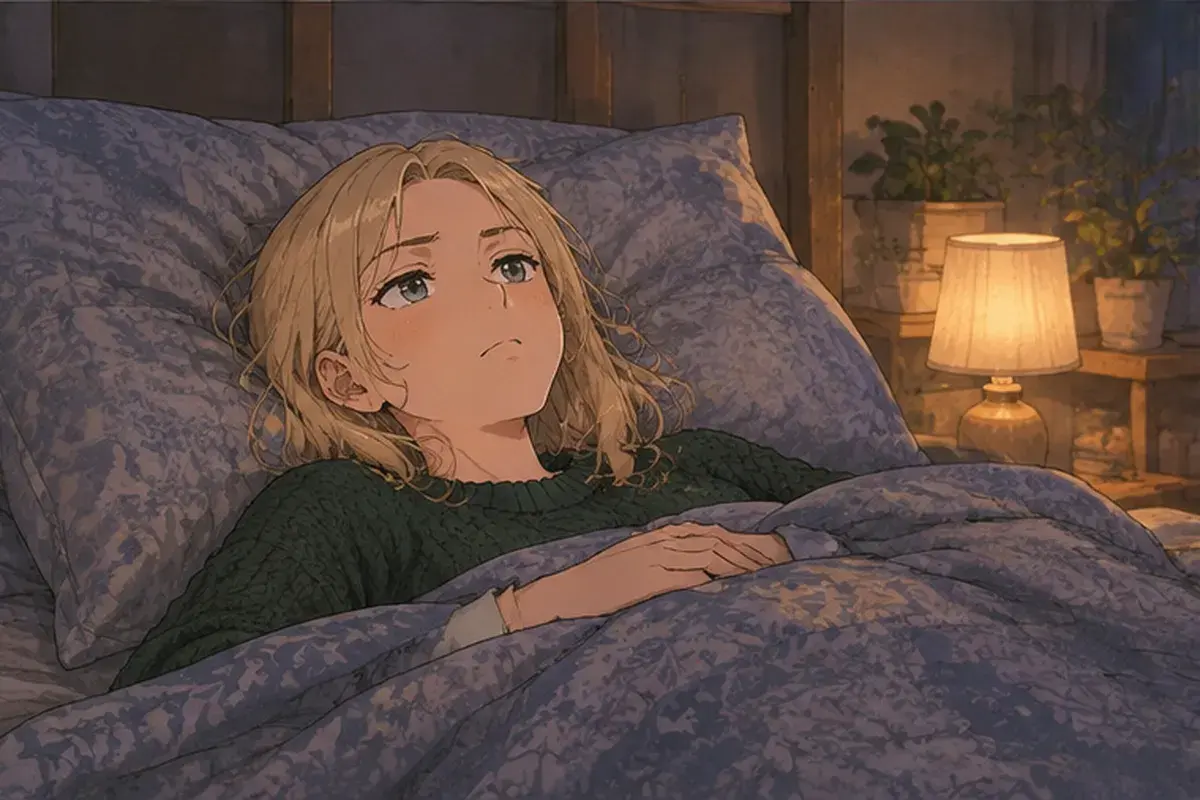
У петак и у суботу увече чујем музику кроз плафон. Бас је тако гласан да се осећа и у кревету.
On Friday and Saturday evenings I hear music through the ceiling. The bass is so loud that you can feel it even in bed.
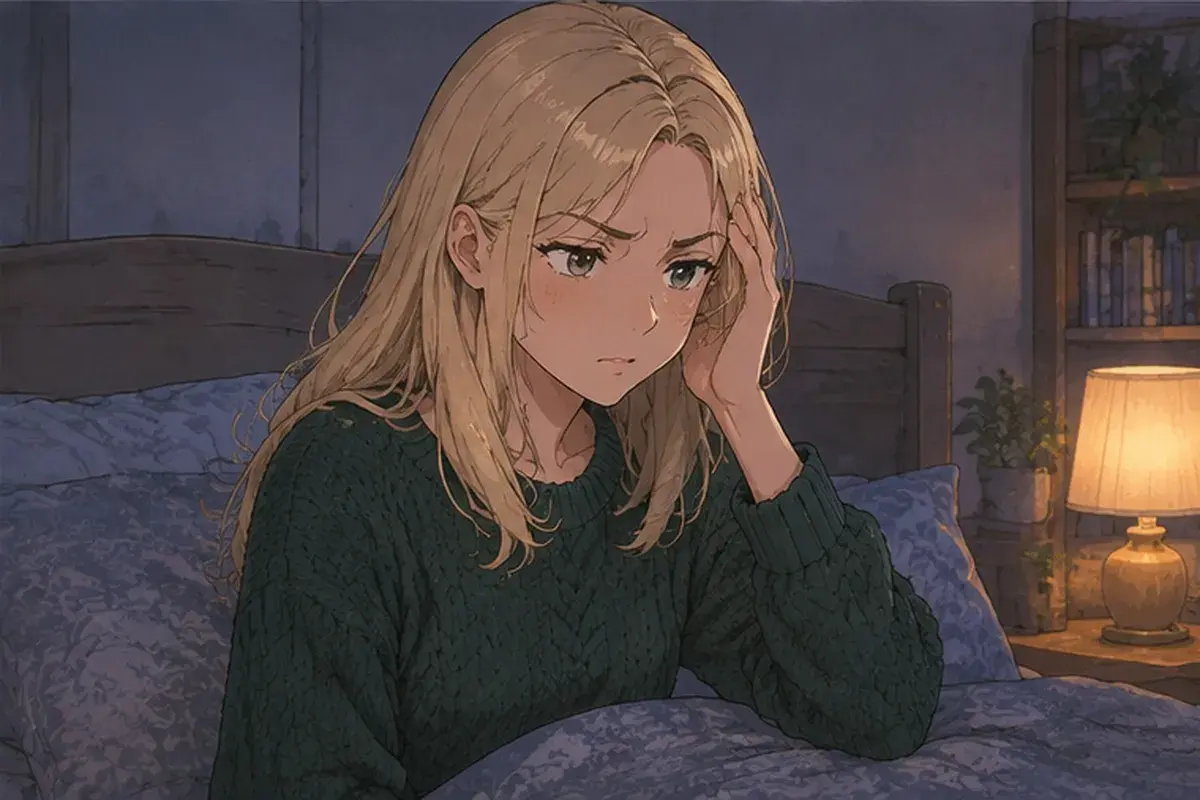
Смета ми не само музика, него и штикле после поноћи и намештај који померате.
Not only the music bothers me, but also high heels after midnight and the furniture you move around (to several people).
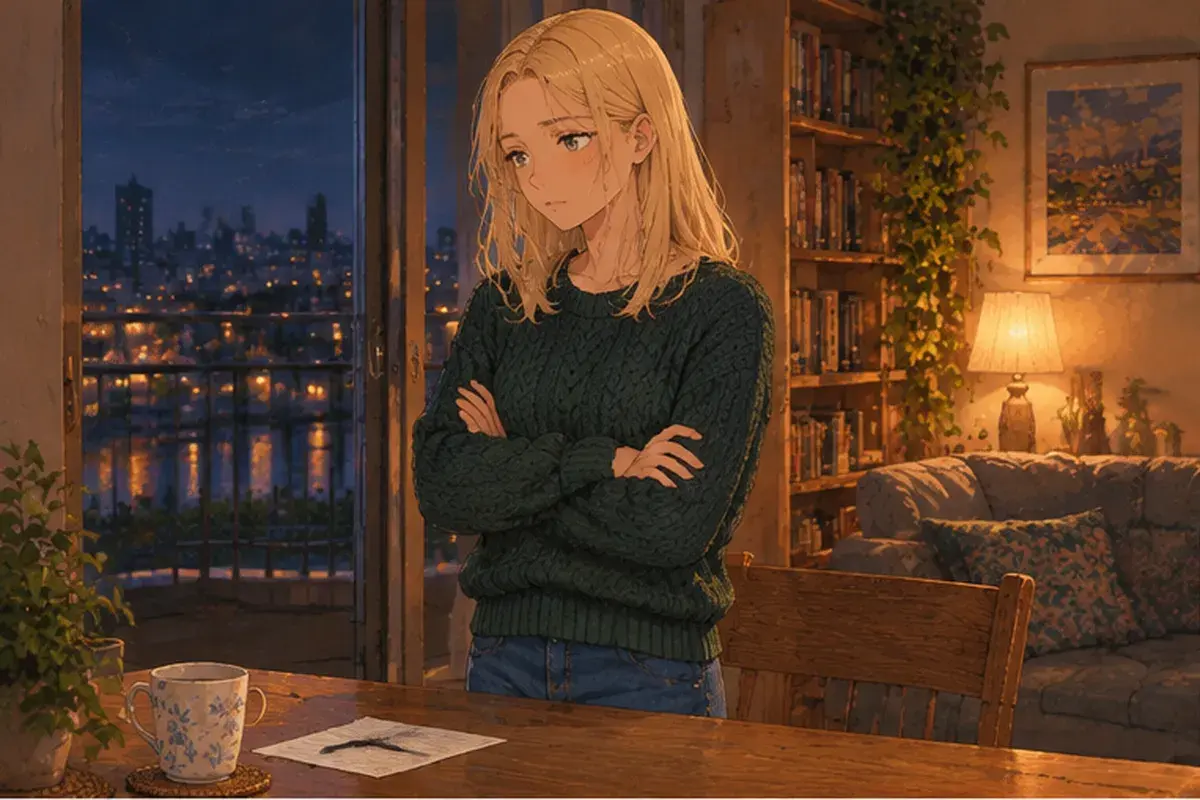
До сада нисам хтела ништа да кажем, јер сам мислила да је то била само једна ноћ. Али сада је то већ трећи викенд заредом.
Until now I didn't want to say anything, because I thought it was just one night (woman speaking). But now it's already the third weekend in a row.

Викендом не радим, али рано устајем, јер суботом ујутру идем на пијацу. Зато ми је тишина ноћу веома важна.
I don't work on weekends, but I get up early, because on Saturday mornings I go to the market. That's why silence at night is very important to me.

Иако разумем да волите музику, замолила бих вас да после поноћи буде мир.
Although I understand that you love music, I'd ask you for peace and quiet after midnight (woman speaking, to several people).
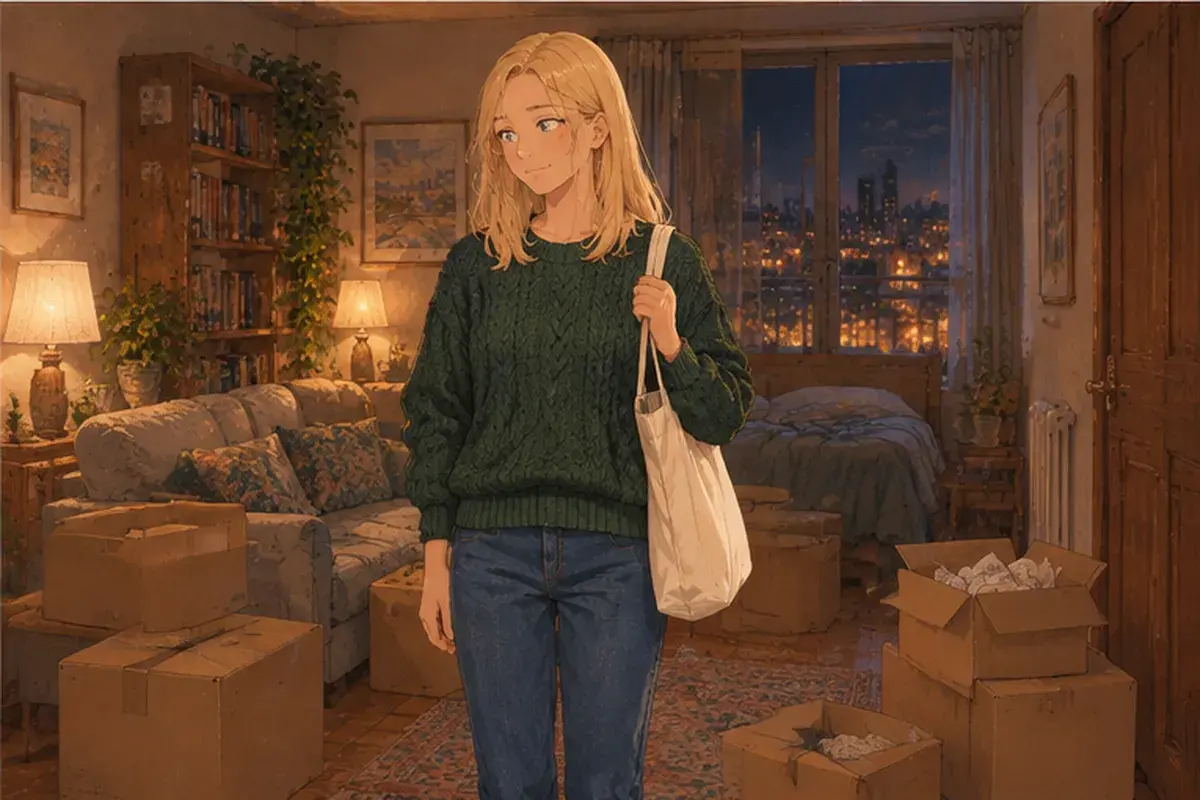
И моја селидба је била веома бучна, па вас разумем.
My move was very noisy too, so I understand you (to several people).
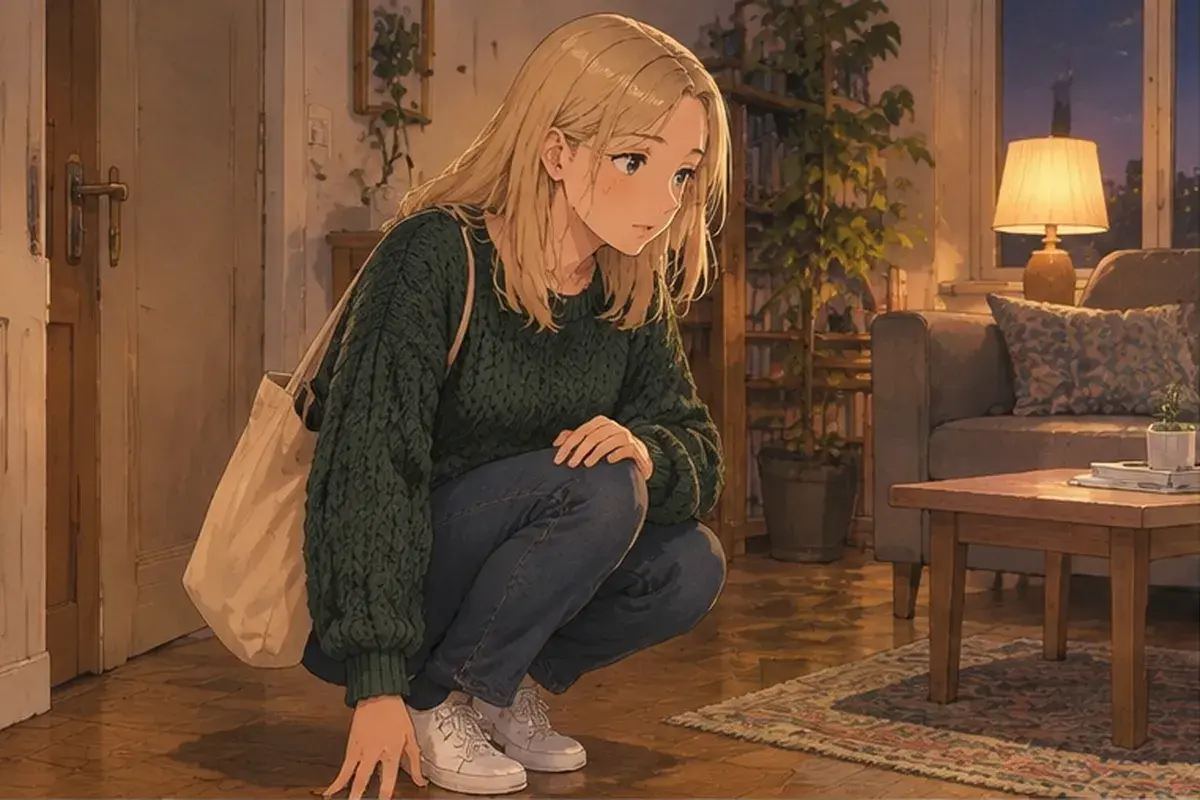
Испод мене живи породица са бебом, тако да је мир ноћу важан свима.
A family with a baby lives below me, so peace and quiet at night is important to everyone.

Упркос буци, волим ову зграду и овај крај. Зато бих волела да останемо у добрим односима.
Despite the noise, I love this building and this neighborhood. That's why I'd like us to stay on good terms (woman speaking).
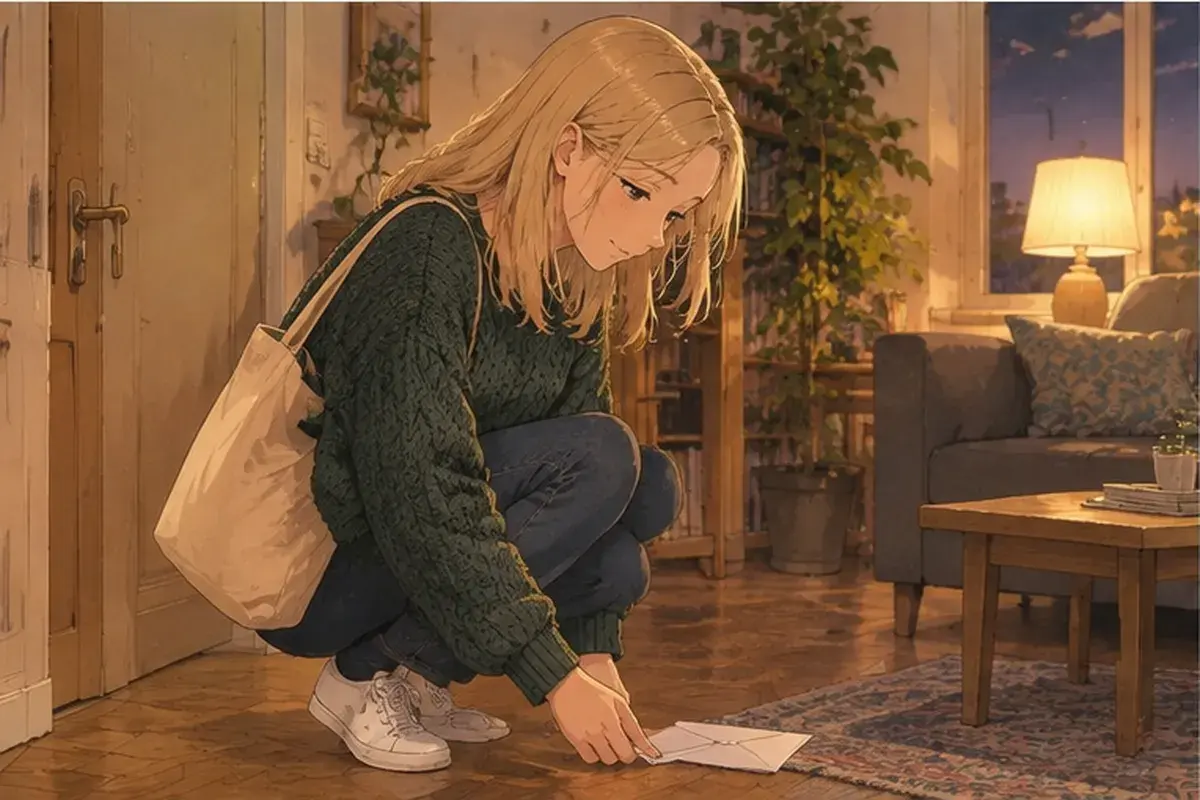
Ако имате госте, само ми јавите унапред или оставите поруку испод врата. Тако ћу лакше издржати и бас.
If you have guests, just let me know in advance or leave a message under the door (to several people). That way I'll put up with the bass more easily too.
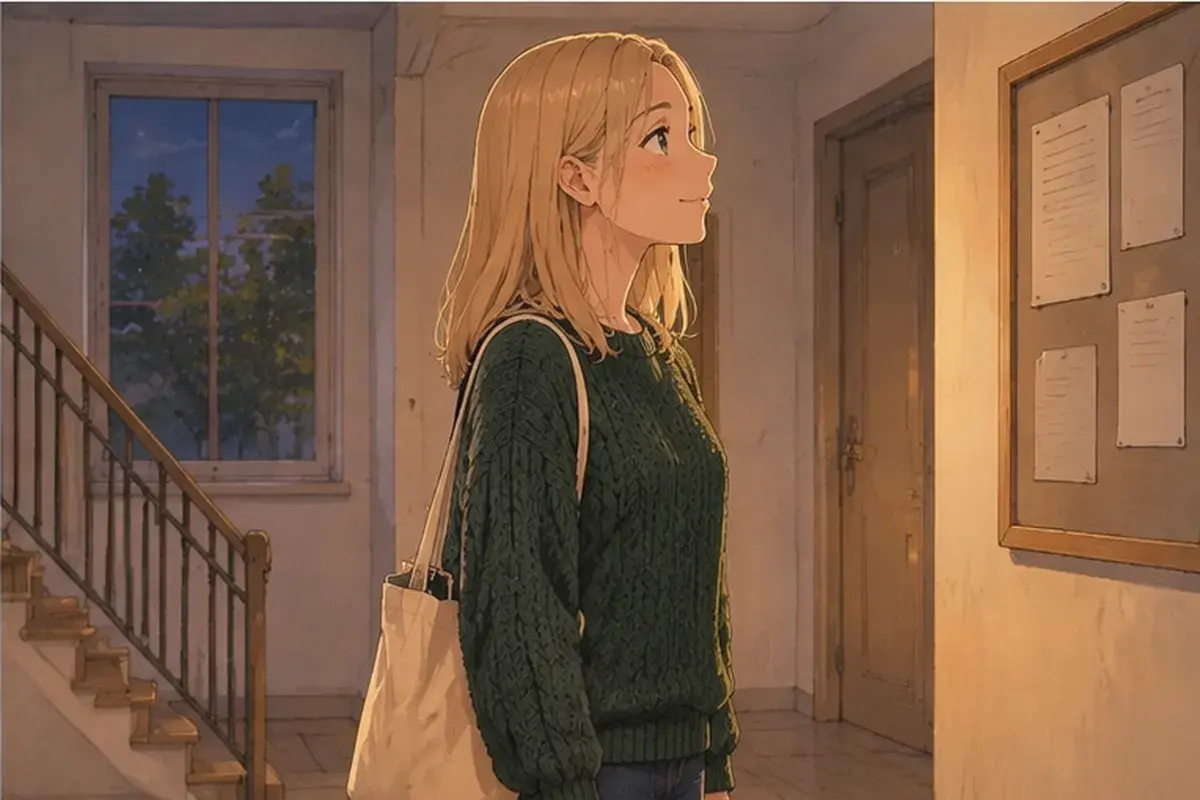
Кућни ред је на огласној табли код улаза, али верујем да ћемо се договорити и без њега.
The house rules are on the bulletin board by the entrance, but I believe we'll come to an agreement even without them.
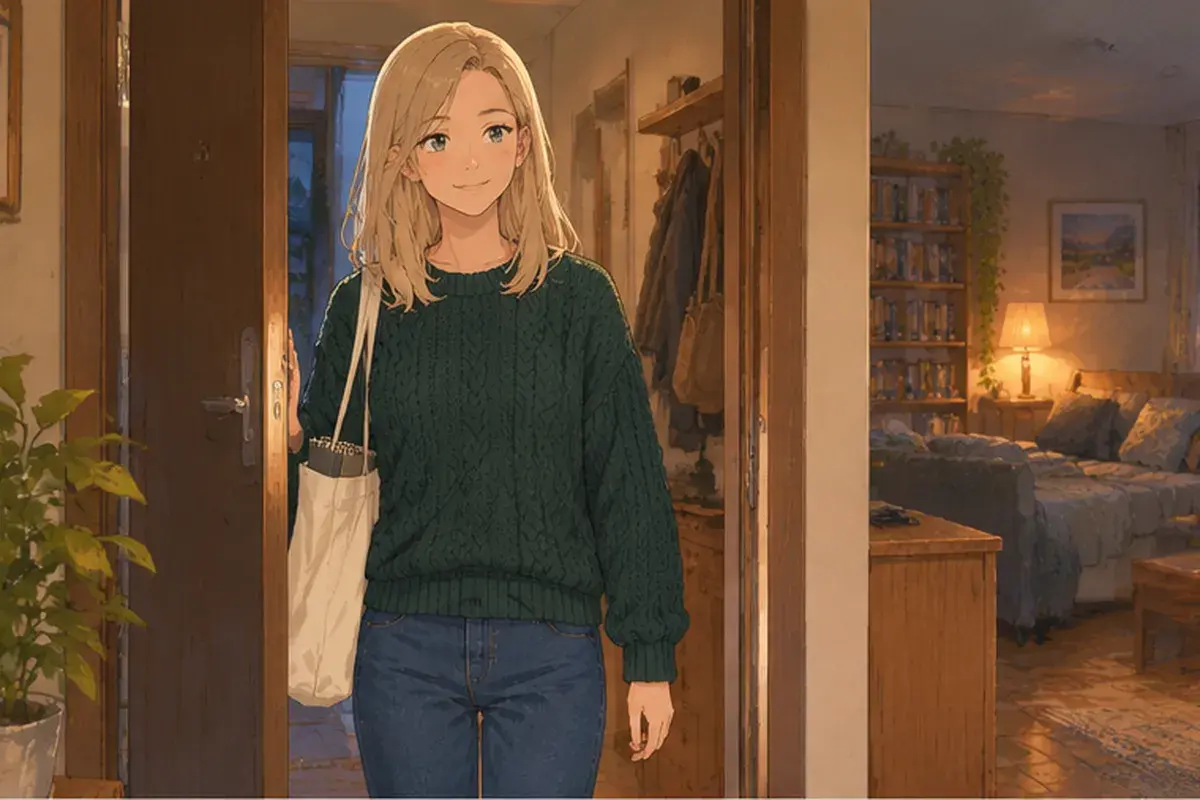
Ако желите да попричамо, слободно куцајте на моја врата, осим после поноћи.
If you want to have a talk, feel free to knock on my door, except after midnight (to several people).

Надам се да се због ове молбе нећете наљутити. Не желим да вам буде непријатно.
I hope you won't get angry because of this request. I don't want it to be unpleasant for you (to several people).

Хвала вам унапред на разумевању. Ако пристанете на ову молбу, обећавам да ћу и ја пазити на буку.
Thank you in advance for your understanding. If you agree to this request, I promise that I'll be careful about noise too (to several people).
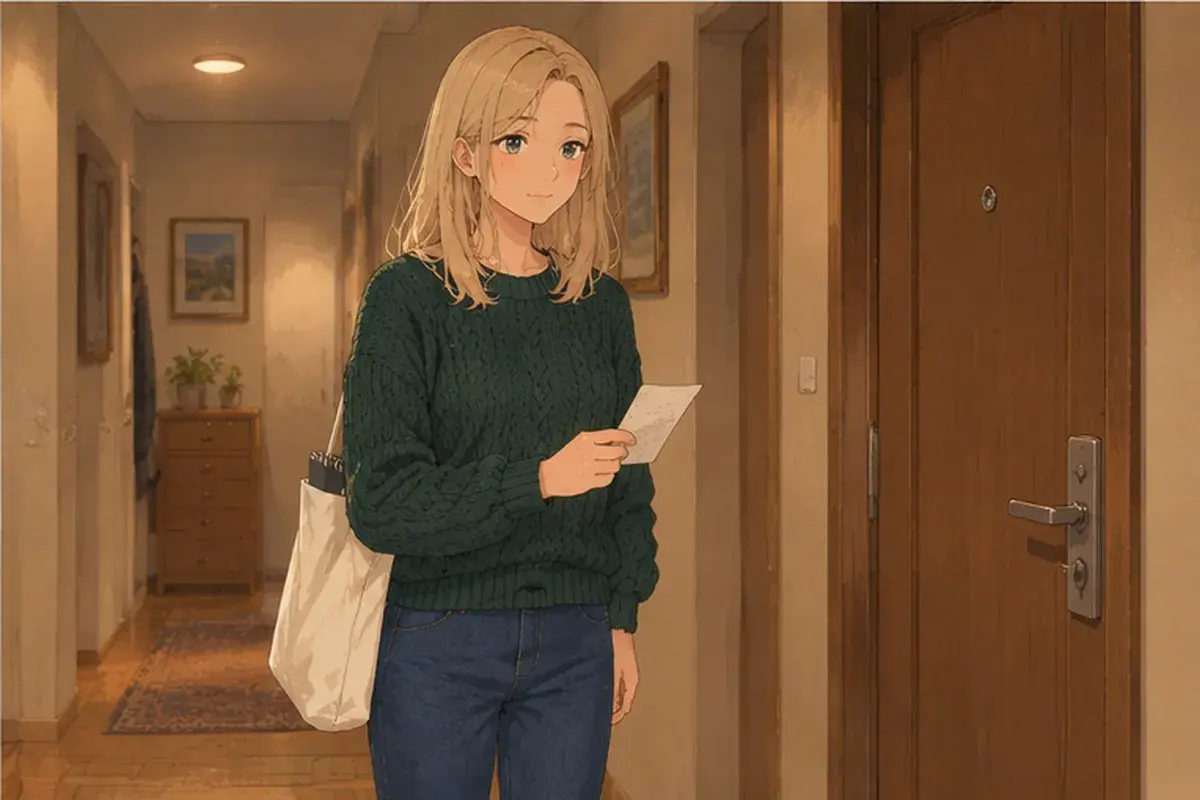
С поштовањем, Ана из стана број седам
Sincerely, Ana from apartment number seven
Grammar for this text
Пишем вам ову цедуљу: the note goes to all the neighbors at once, soвам,васis the plural "you", written with a small letter. A capitalВам,Васis only for a polite letter to one person (for example, to a director).Иако разумем да волите музику, замолила бих вас да после поноћи буде мир.:иако(although) comes first, so a comma follows its part. There's no comma beforeда(that):разумем да волите.замолила бих васmeans "I'd ask you" (the conditional withбих, A2).да ... будеmeans "for there to be":да+ present.Уместо да куцам на врата у два сата ноћу:уместо даmeans "instead of". English uses -ing ("instead of knocking"); Serbian uses a verb form with a person (куцам, I knock), not the infinitive. A comma sets this part off.Смета ми не само музика, него и штикле после поноћи:смета миmeans "it bothers me": the thing that bothers is the subject, and the person is in the dative (ми), like inсвиђа ми се.штикле(high heels) is used only in the plural.не само ... него и— "not only ... but also": the comma goes beforeнего, as inСмета ми не само музика, него и штикле.И моја селидба је била веома бучна, па вас разумем.:паhere means "so", with a comma before it. Ana admits that she was noisy too, so her request doesn't sound like a reproach.Испод мене живи породица са бебом, тако да је мир ноћу важан свима.:тако даmeans "so", with a comma before it and an ordinary tense after it.испод менеmeans "below me":испод+ genitive (A2, unit 17). InУпркос буци,упркосtakes the dative:бука→буци.слободно куцајте на моја врата, осим после поноћи:осимmeans "except" (A2, unit 17).Кућни редmeans "house rules".
Words and grammar of the unit: Complain politely to your neighbors.
Learn the words from the texts with flashcards
In the app, you can tap any word in a text to see its translation, forms and examples, and new words stick with flashcards. 15 minutes a day.
Start for freeEverything is open for free. No card needed to sign up.