
Serbian story with translation · B1 · 17 lines
Нисам могла да се сетим I couldn't remember
Comic · 17 panels

Ручала сам код куће у суботу, двадесетог новембра, кад сам одједном осетила нешто чудно међу зубима.
I was having lunch at home on Saturday, November 20, when I suddenly felt something strange between my teeth (woman speaking).

Стара пломба ми је пала из зуба и завршила на столу.
An old filling fell out of my tooth and ended up on the table.
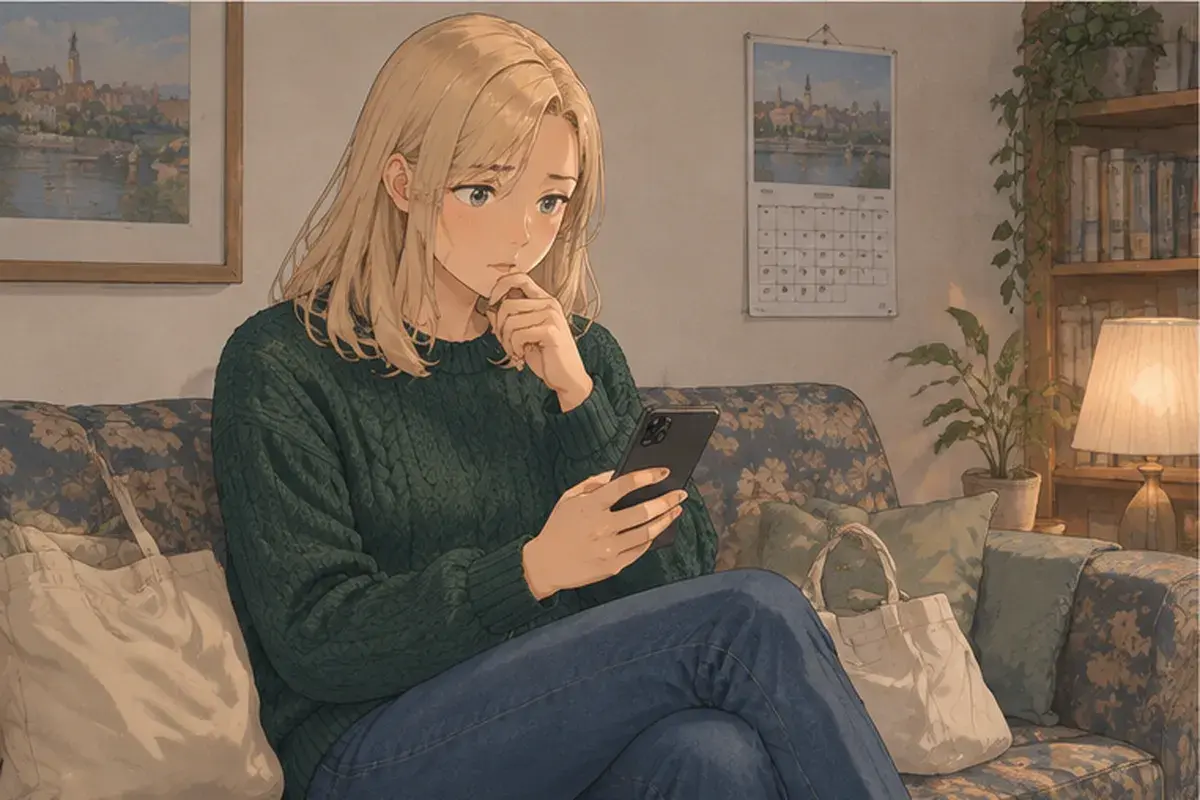
Није ме болело, али ми је одмах пало на памет да је немогуће наћи зубара у суботу.
It didn't hurt, but it immediately occurred to me that it's impossible to find a dentist on a Saturday.
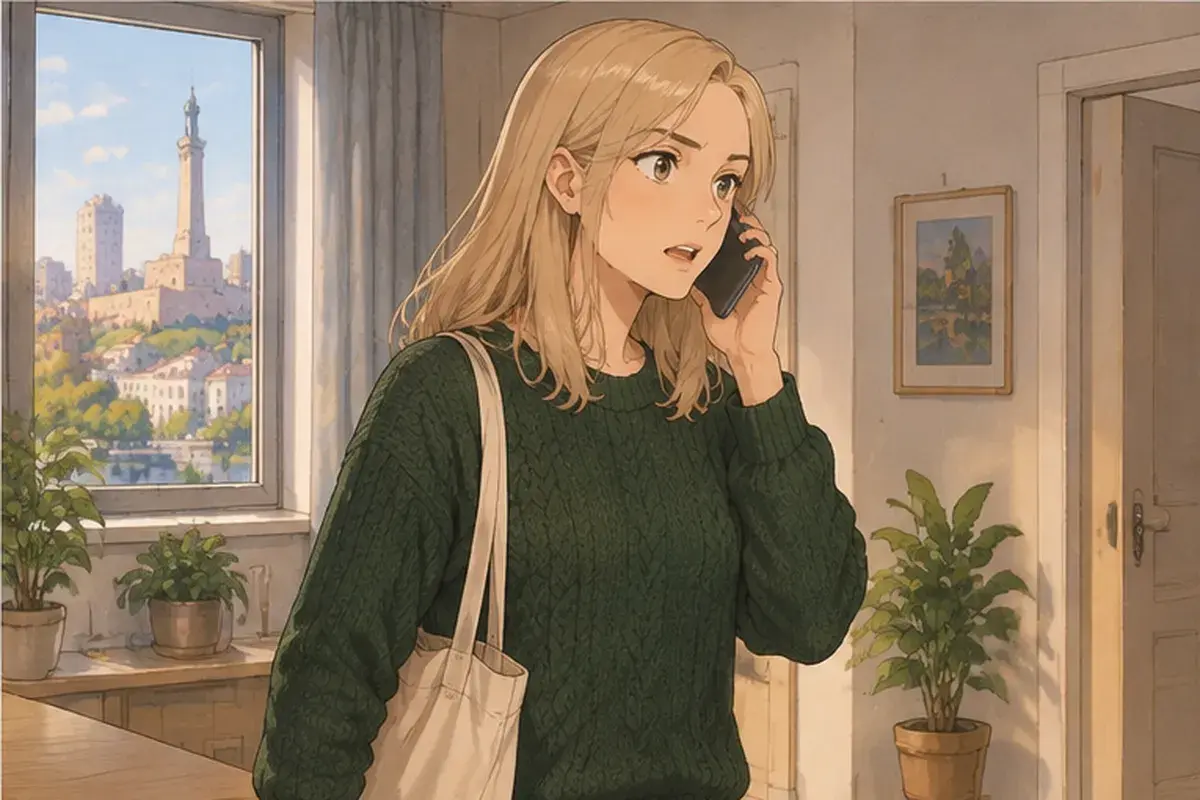
Ипак, потражила сам приватну ординацију близу куће и позвала је телефоном.
Still, I looked for a private office near home and phoned them (woman speaking).

Медицинска сестра ми је рекла да је заказивање обично потребно. Али један пацијент је променио термин.
The nurse told me that booking an appointment is usually necessary. But one patient had changed his appointment.

„Зубар може да вас прими у два“, рекла је. „Само не касните.“
"The dentist can see you at two," she said. "Just don't be late." (formal)
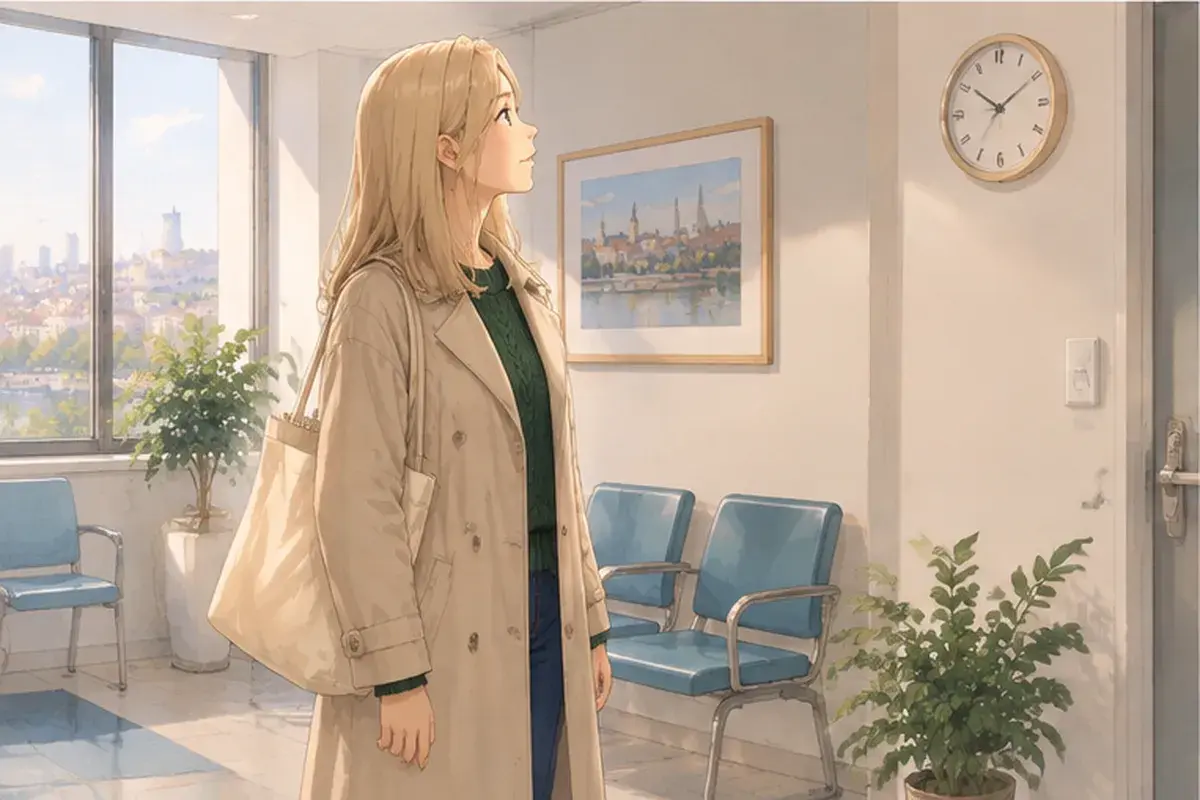
Стигла сам 15 минута раније, јер нисам хтела да пропустим једини слободан термин.
I arrived 15 minutes early, because I didn't want to miss the only free appointment (woman speaking).
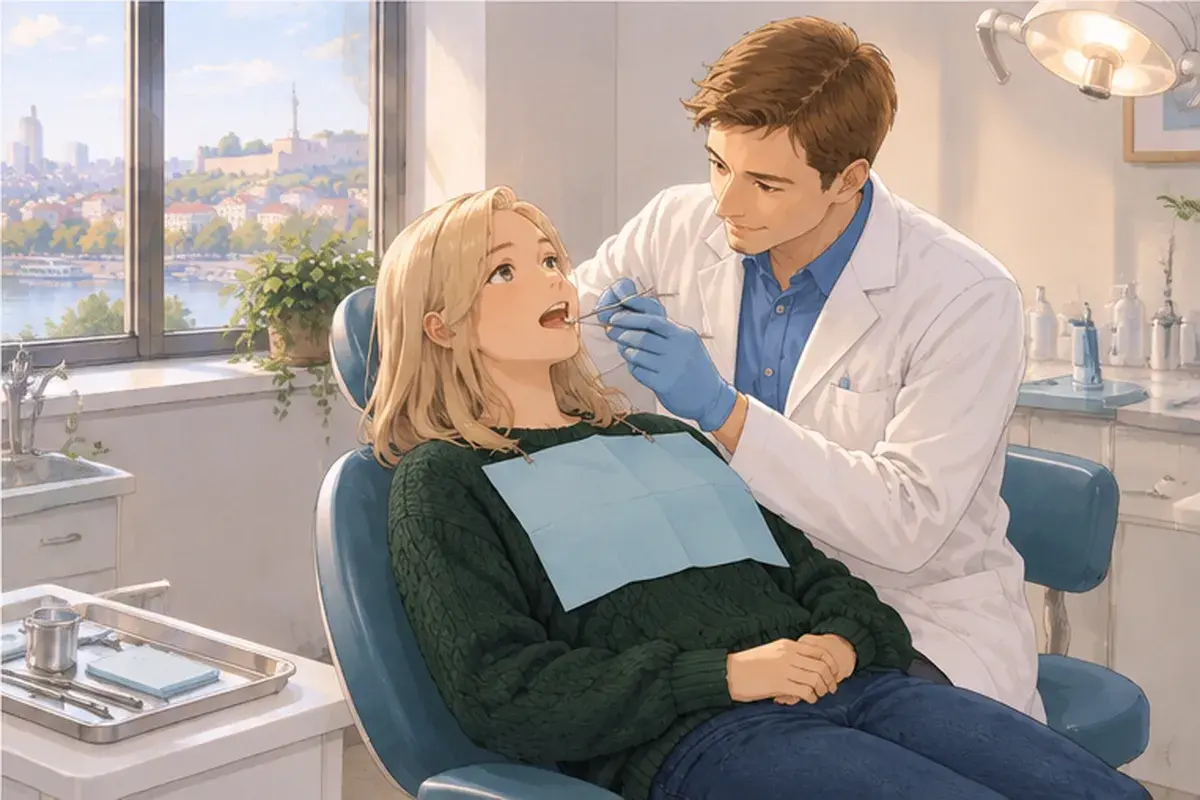
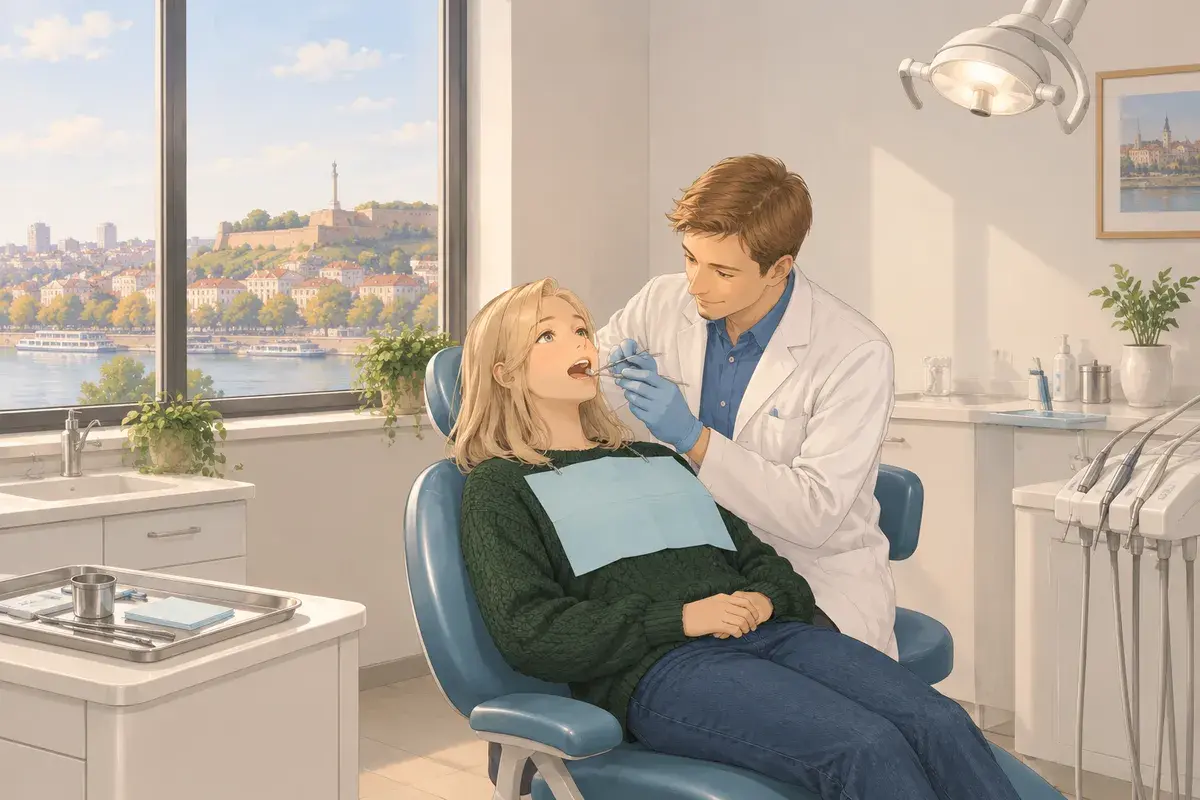
Зубар је био млад и миран човек који ме је одмах питао да ли ме нешто боли.
The dentist was a young, calm man who immediately asked me if anything hurt.
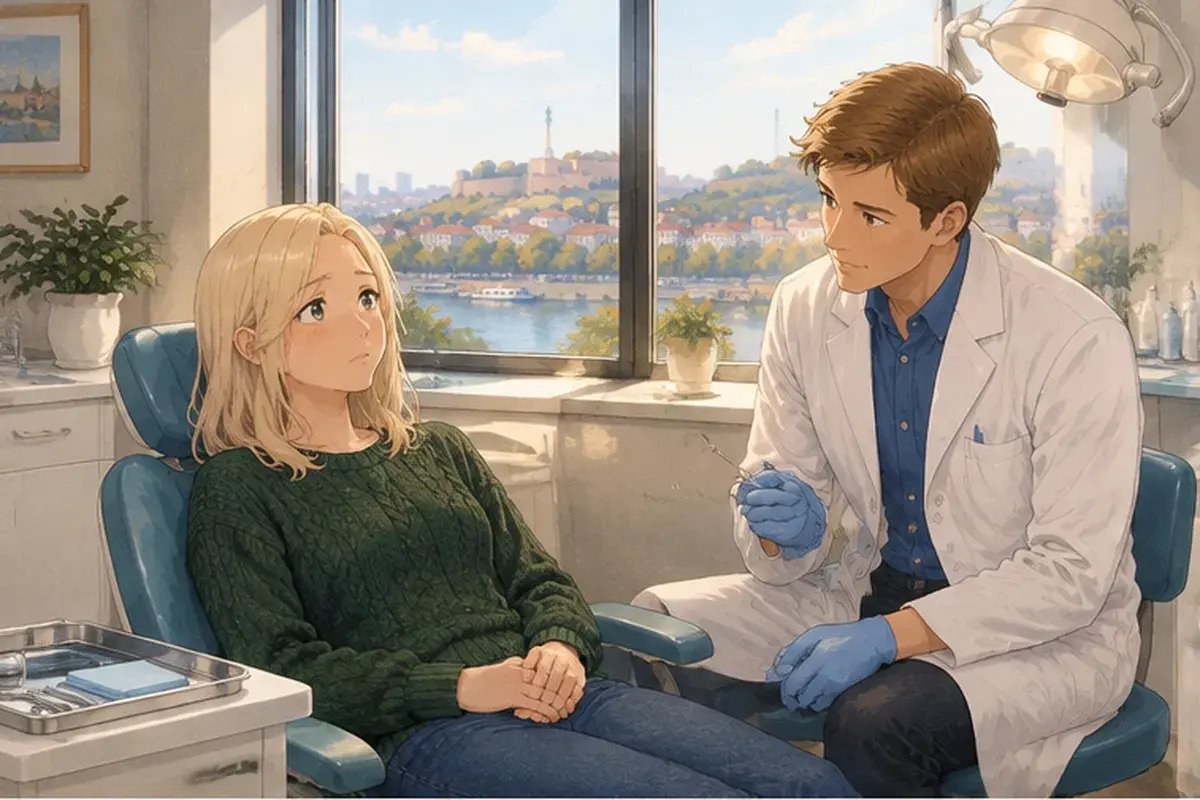
Затим ме је питао кад сам последњи пут била код зубара. Нисам могла да се сетим.
Then he asked me when I'd last been to the dentist. I couldn't remember (woman speaking).

„Не сећам се ни да ли је то било овде или још код куће“, признала сам му.
"I don't even remember if it was here or still back home," I admitted to him (woman speaking).

Зубар се насмејао и рекао да је добро долазити на преглед сваких шест месеци.
The dentist laughed and said it's good to come in for a checkup every six months.
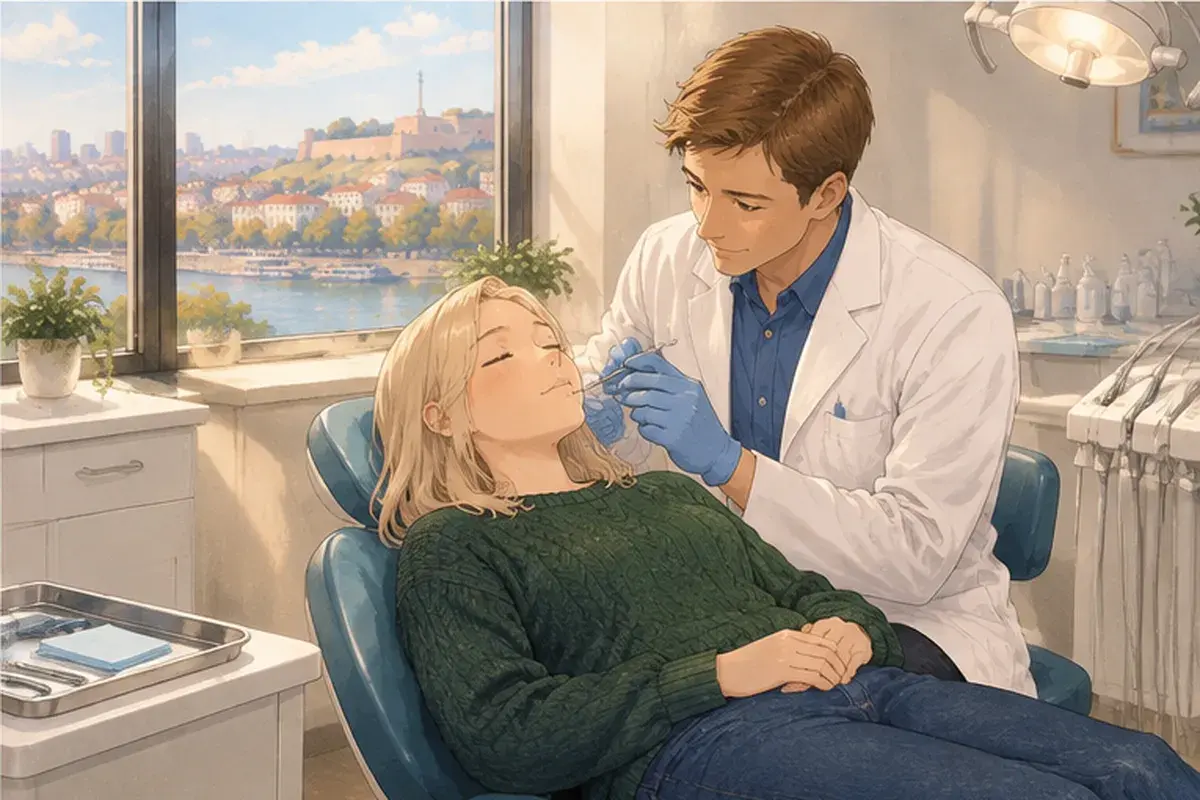
Док је радио, молио ме је да дишем кроз нос и да мирујем.
While he worked, he asked me to breathe through my nose and keep still.

Нова пломба има исту боју као моји зуби, па изгледа сасвим природно.
The new filling is the same color as my teeth, so it looks completely natural.
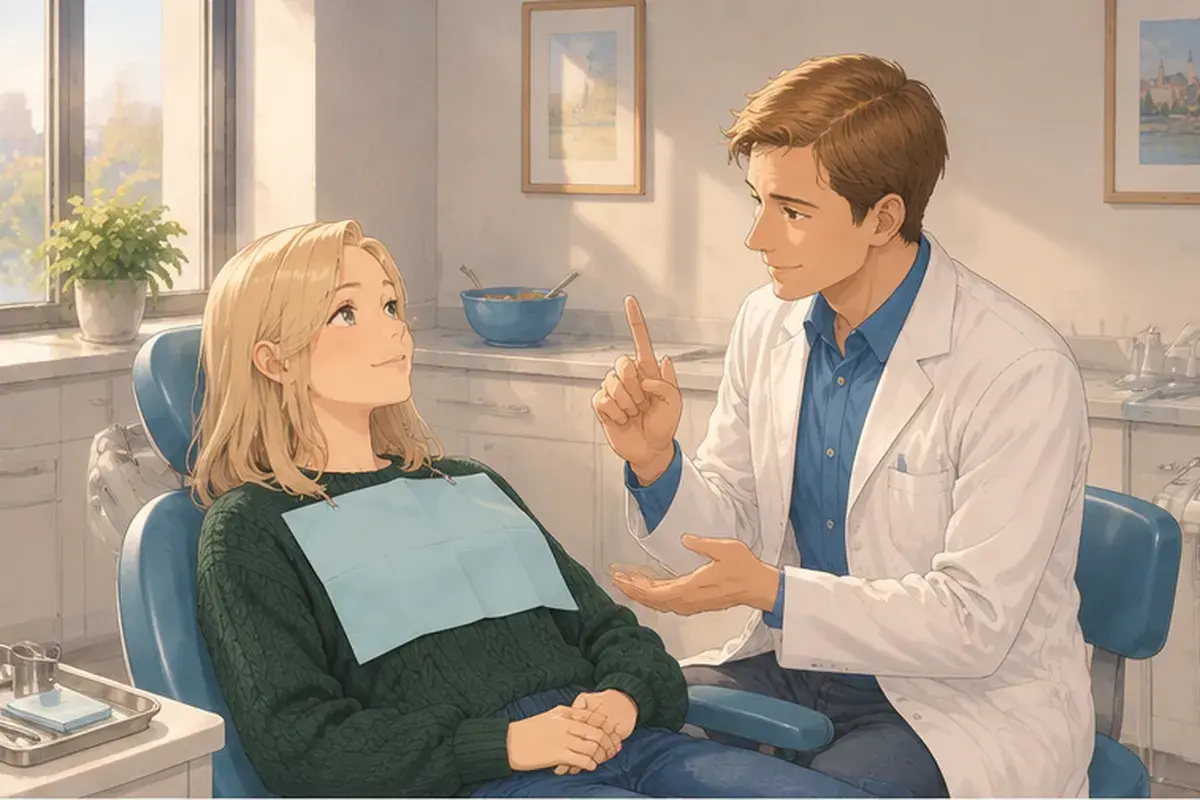
Рекао ми је да два сата не једем ништа, а после тога само нешто лагано, рецимо супу.
He told me not to eat anything for two hours, and after that only something light, like soup.
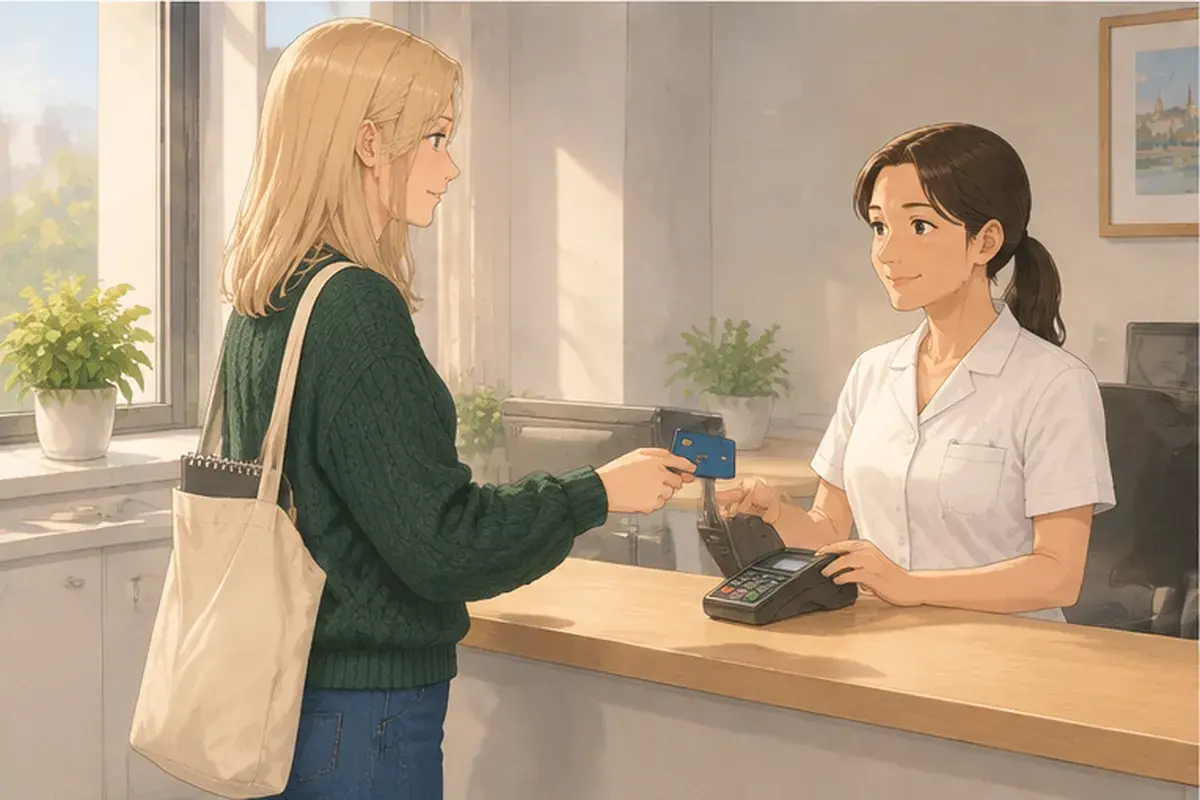
Преглед се плаћа одмах, па сам платила картицом. Сестри сам рекла да веома ценим што су ме примили у суботу.
The checkup is paid for right away, so I paid by card. I told the nurse that I really appreciated them seeing me on a Saturday (woman speaking).

Кад сам изашла из ординације, Стефан ми је већ послао поруку, јер се нисам јављала: „Ано, јеси ли жива?“
When I came out of the office, Stefan had already sent me a message, because I hadn't been answering: "Ana, are you alive?" (woman speaking)
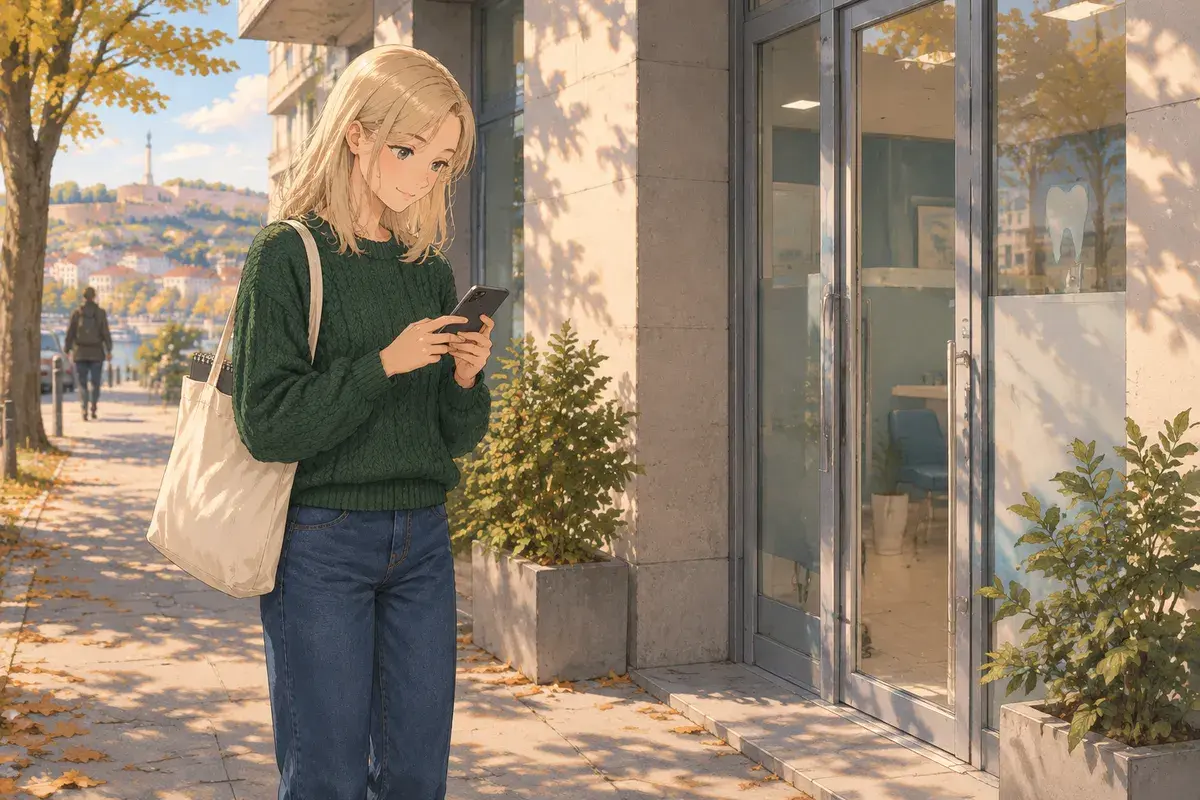
Одговорила сам да јесам. Сада тачно знам кад сам последњи пут била код зубара: данас.
I answered that I was. Now I know exactly when I was last at the dentist's: today (woman speaking).
Grammar for this text
Стара пломба ми је пала из зуба:ми(to me) shows whose filling it is, word for word "the old filling fell out of the tooth to me". Serbian talks about the body and about your things this way:Пао ми је телефон(My phone fell). Clitic order:миbeforeје.Није ме болело: a sentence without a subject, "it didn't hurt me".болелоis neuter, andмеmeans "me".да је немогуће наћи зубара: "that it's impossible to find a dentist"; no comma beforeда.„Зубар може да вас прими у два“, рекла је.: direct speech in quotes, with a comma after the closing quote.Само не каснитеmeans "just don't be late".Затим ме је питао кад сам последњи пут била код зубара. Нисам могла да се сетим.: an indirect question withкад; the tense stays the same as in the direct question.сетити сеmeans "to remember" at one moment: the memory comes back to you (or, here, does not).Не сећам сеmeans "I don't remember":сећати сеis a state, not a single act (more in the unit grammar).Док је радио, молио ме је да дишем кроз нос и да мирујем.:молити+да+ present means "to ask someone to do something".кроз нос:кроз+ accusative, "through the nose".Преглед се плаћа одмах: a set phrase with no person ("the checkup is paid for right away"); the rule comes in unit 8, for now learn it as a whole. About yourself you sayплатила сам картицом.Сестри сам рекла да веома ценим што су ме примили у суботу:ценим што…means "I appreciate that…", with no comma.Ано, јеси ли жива?is a joking "are you alive?"; the answer isЈесам(I am).
Words and grammar of the unit: See a doctor at the health center.
Learn the words from the texts with flashcards
In the app, you can tap any word in a text to see its translation, forms and examples, and new words stick with flashcards. 15 minutes a day.
Start for freeEverything is open for free. No card needed to sign up.