
Serbian story with translation · A1 · 12 lines
Моја породица није велика My family isn't big
Comic · 11 panels
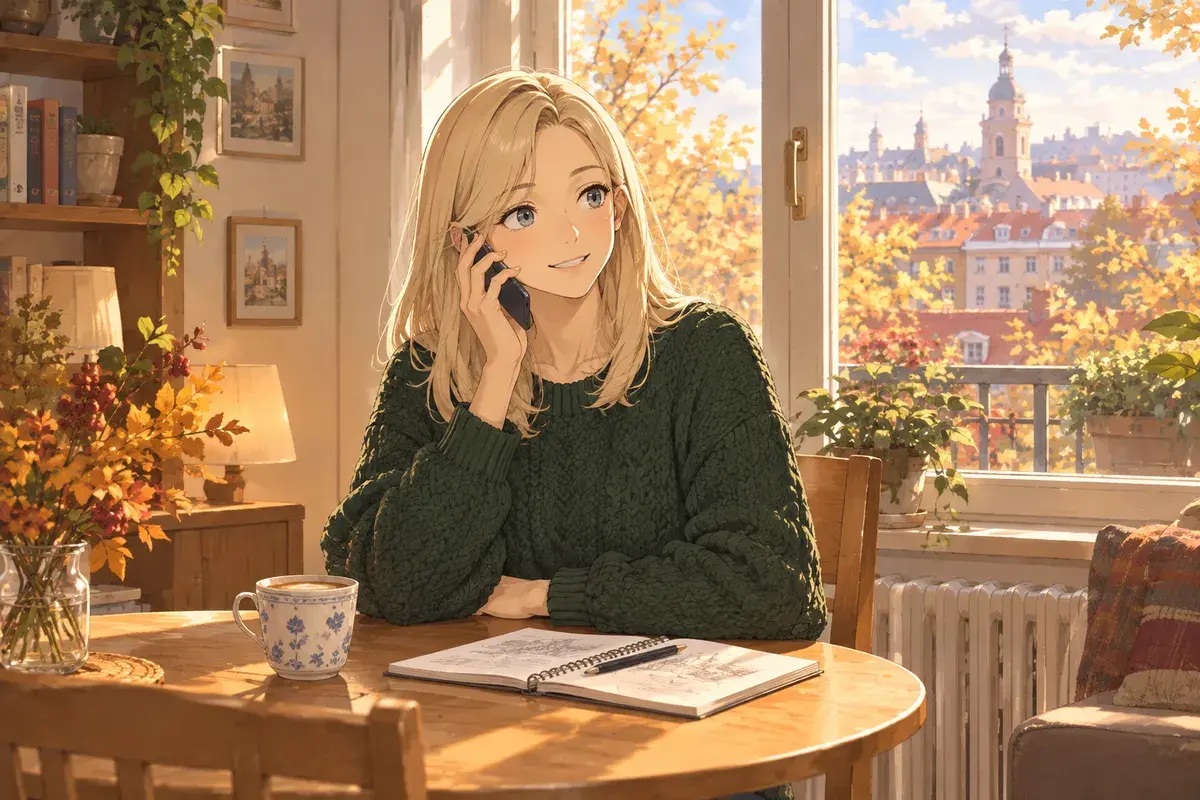
Моја породица није велика.
My family isn't big.
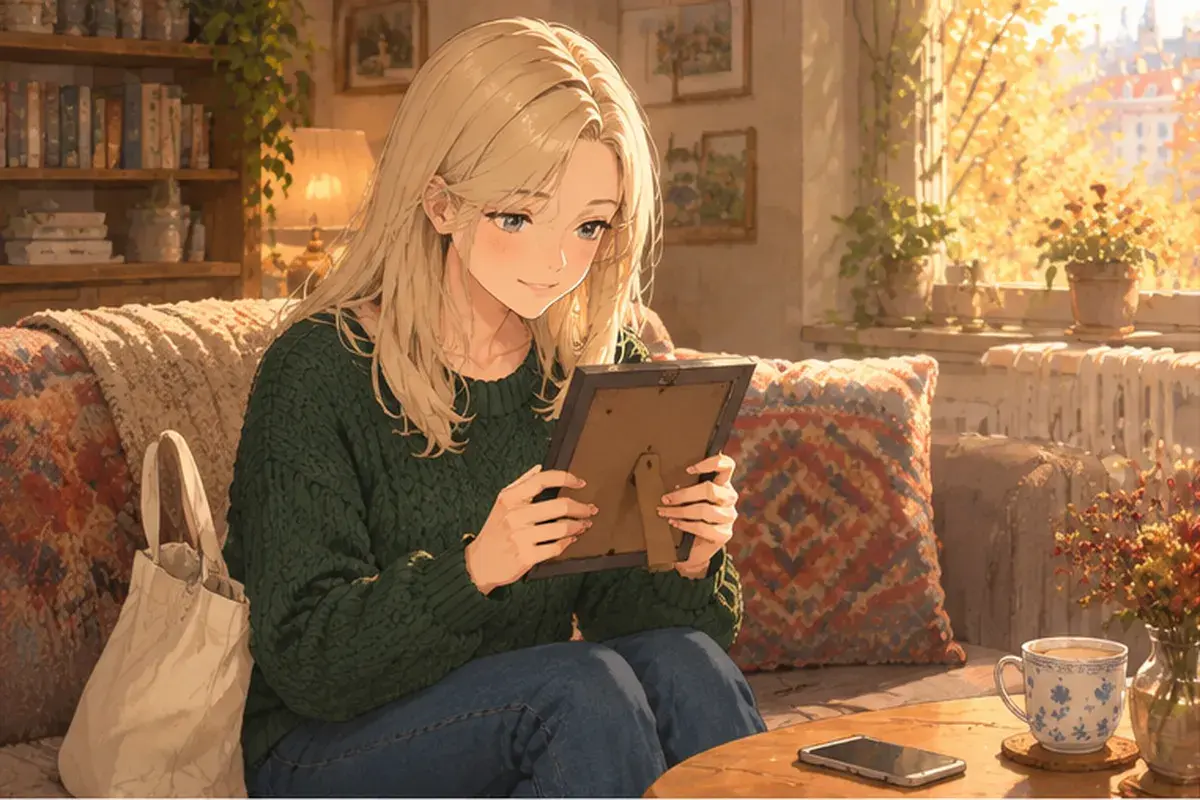
Моји родитељи и брат су далеко, код куће.
My parents and brother are far away, back home.
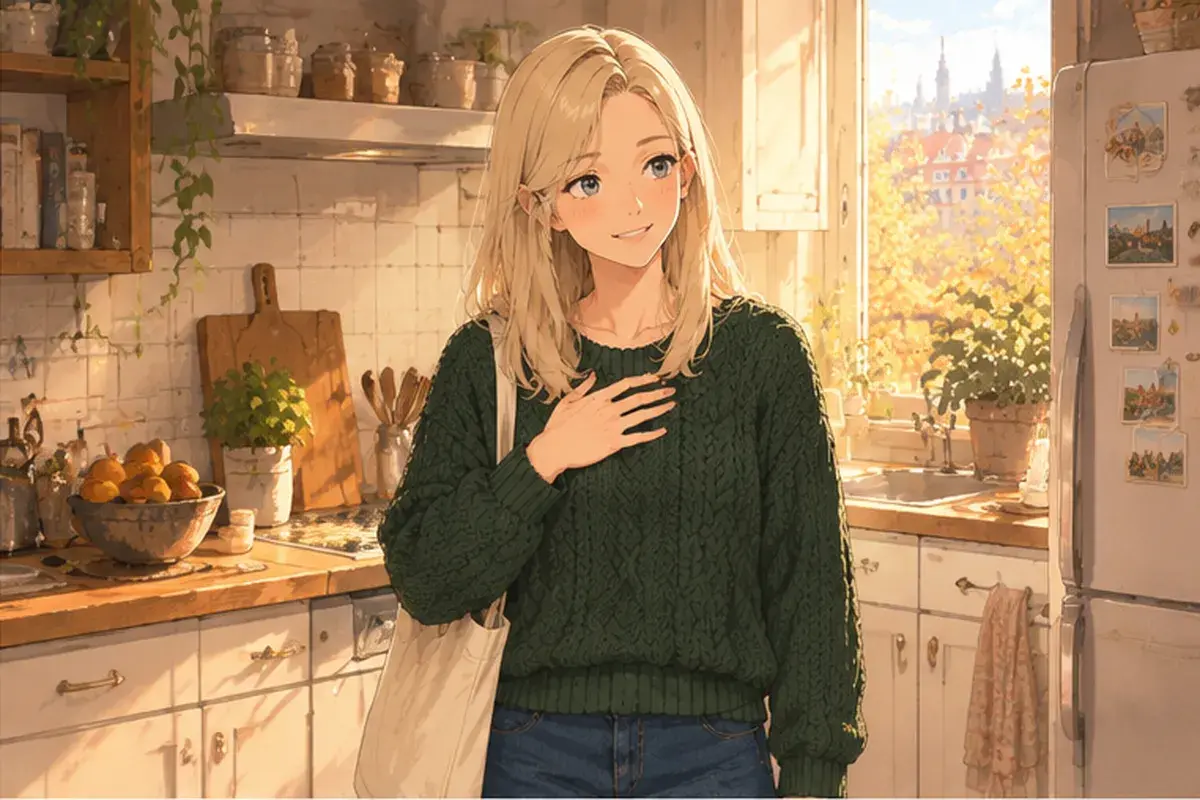
Код куће не причамо српски.
We don't speak Serbian at home.
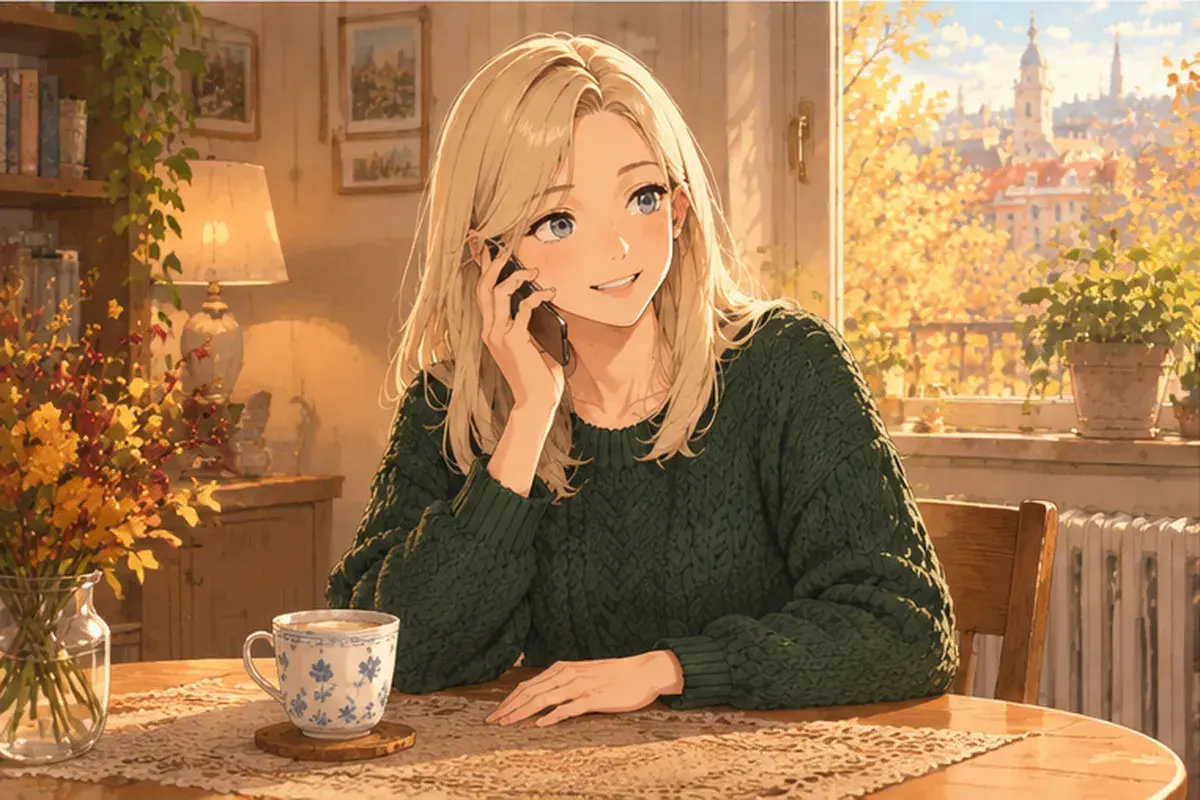
Сваки дан зовем маму и тату. У недељу зовем и баку и деду.
Every day I call Mom and Dad. On Sundays I call Grandma and Grandpa too.
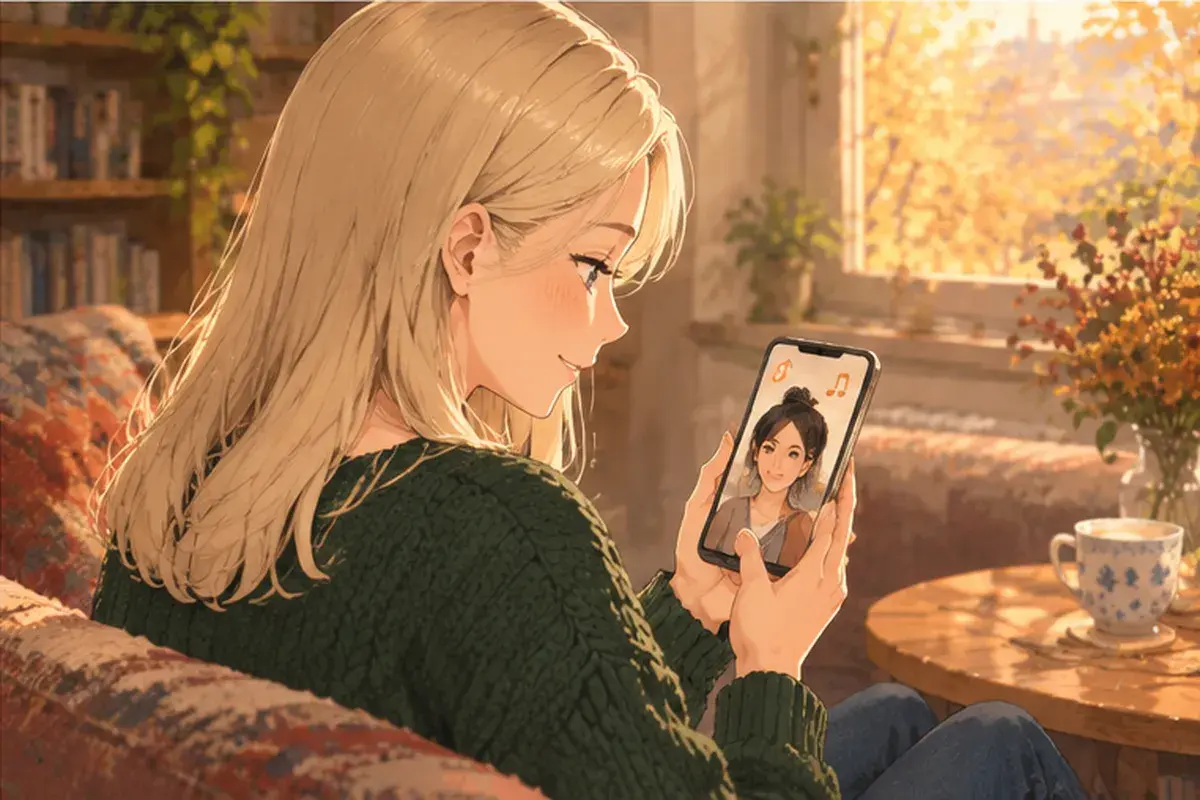
Мама воли музику и много прича.
Mom loves music and talks a lot.
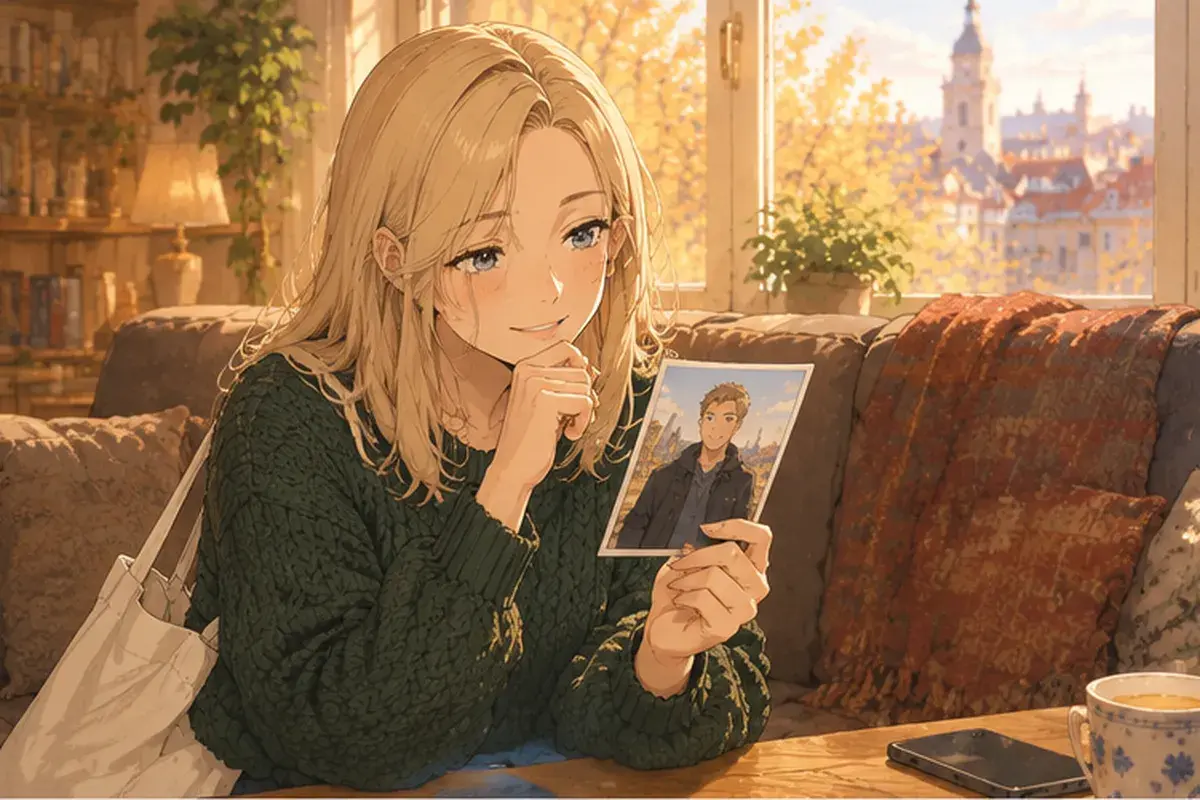
Тата је висок и паметан, али мало прича.
Dad is tall and smart, but he talks little.
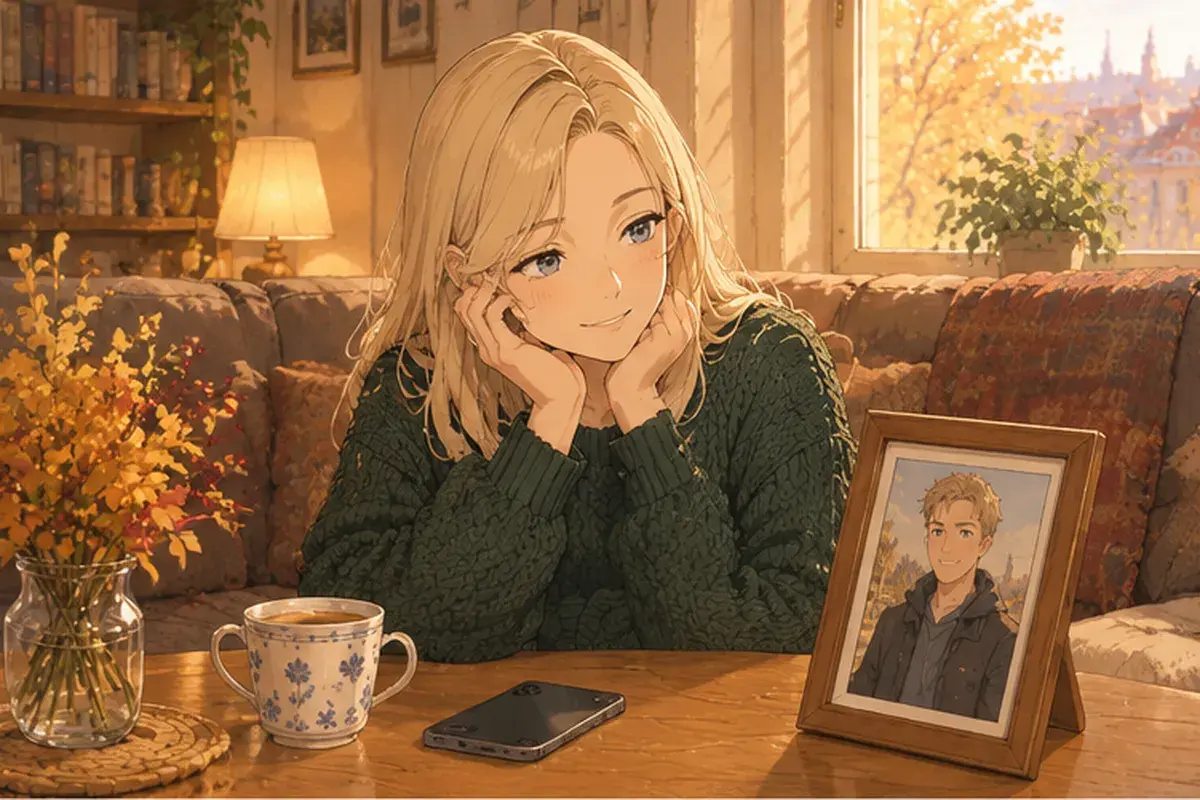
Немам сестру, имам само брата Кирила.
I don't have a sister, I only have my brother Kiril.

Кирил не говори српски језик, али зна једну реч: брат. То је стварно лако!
Kiril doesn't speak Serbian, but he knows one word: brat. That's really easy!
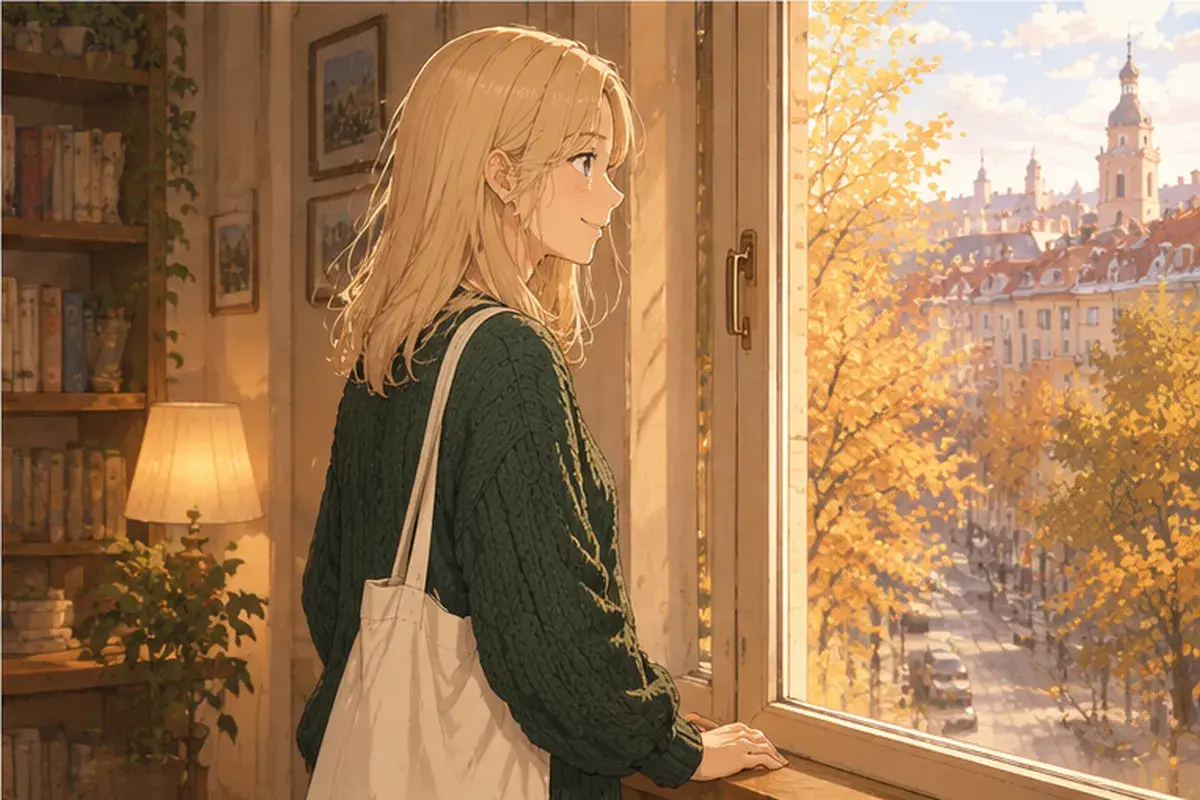
Овде живим сама, али нисам сама.
I live alone here, but I'm not alone (woman speaking).
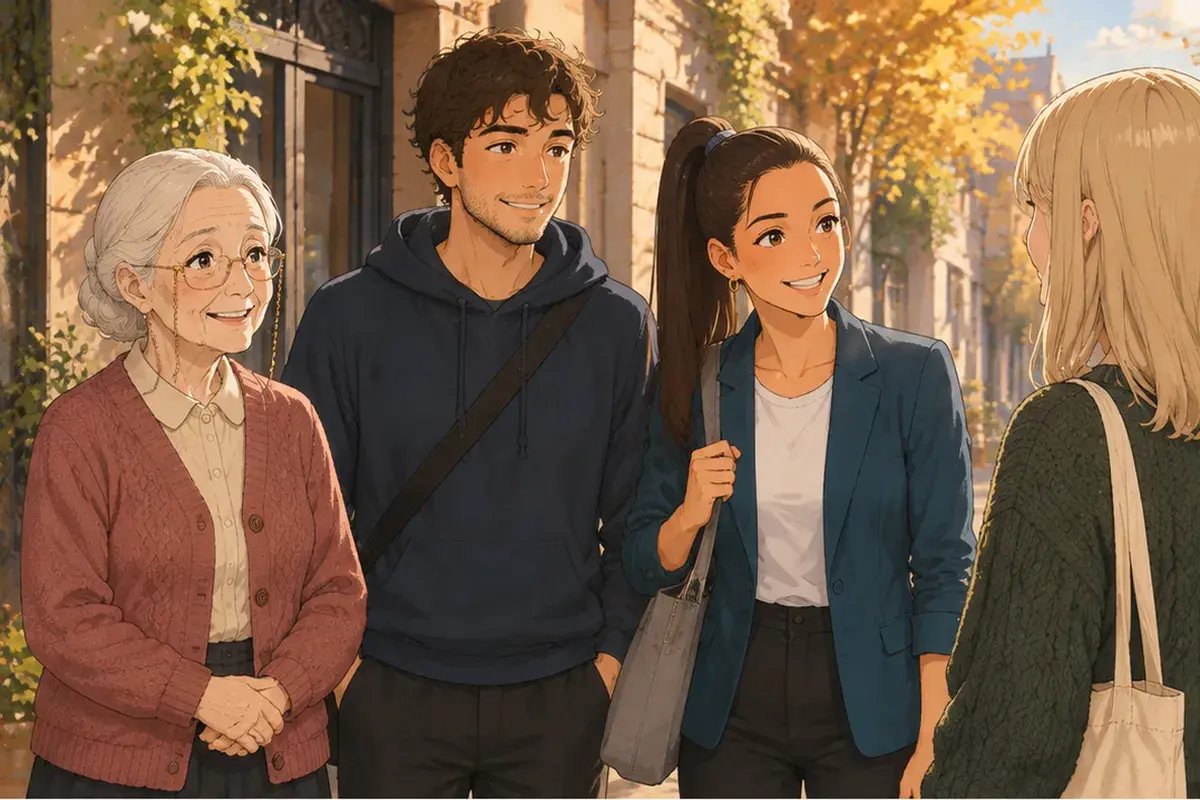
Радмила, Стефан и Милица су добри људи.
Radmila, Stefan and Milica are good people.
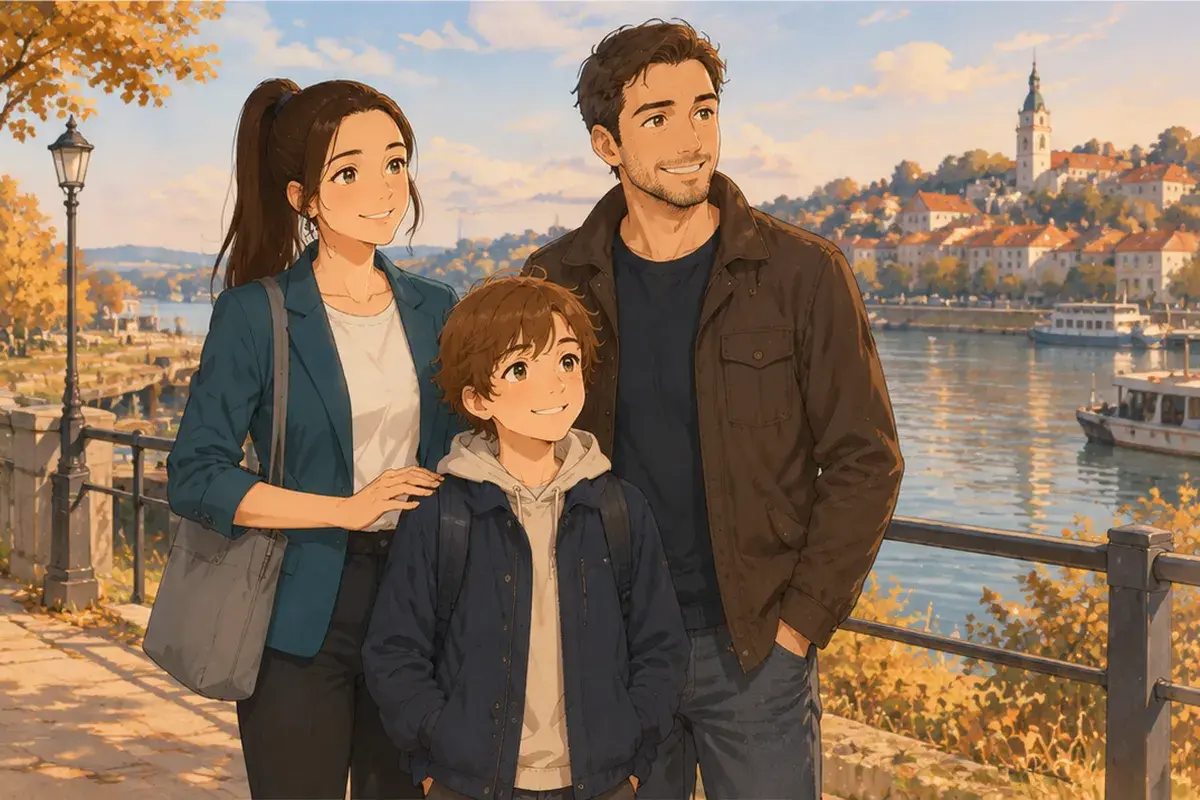
Милица има мужа и сина. Они живе у Земуну.
Milica has a husband and a son. They live in Zemun.
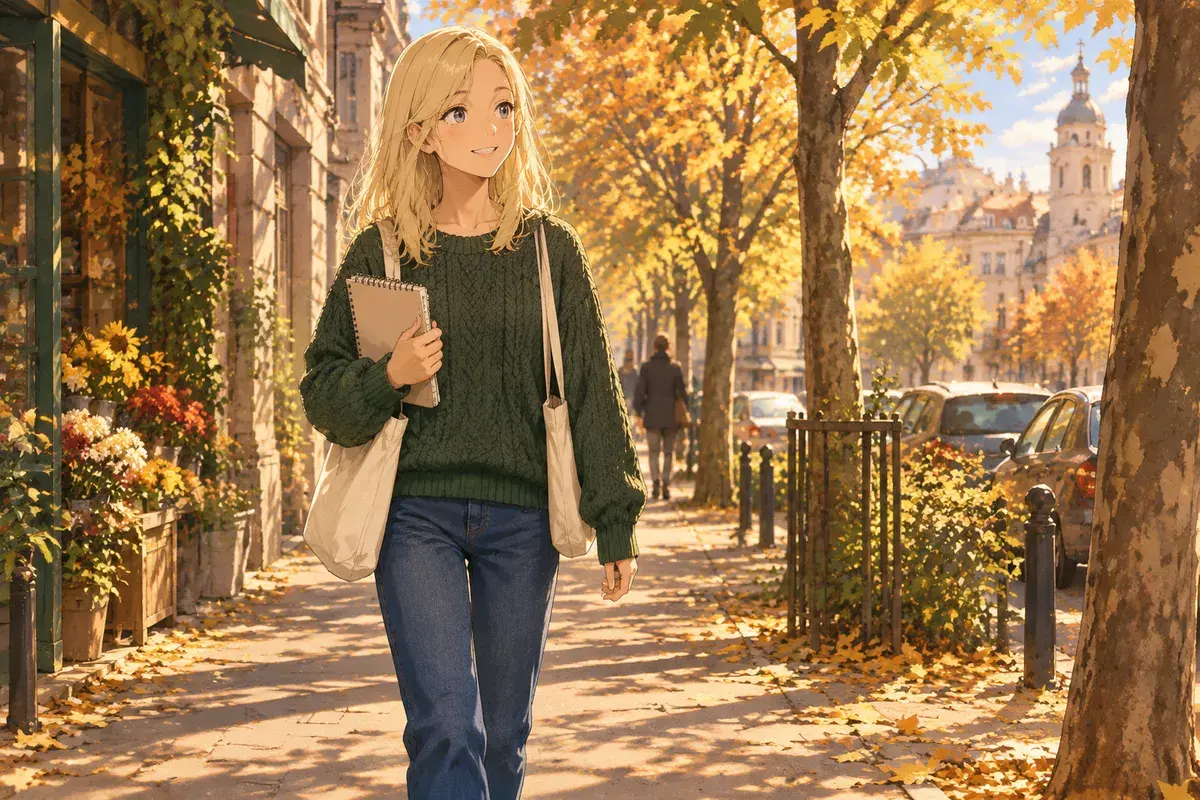
Живот у Београду је баш леп.
Life in Belgrade is really nice.
Grammar for this text
Моји родитељи и брат су далеко, код куће— the plural:родитељ→родитељи, andмој→моји.су— they are.код куће— at home; here it means back home, where Ana comes from.Код куће не причамо српски—причамо— we talk, we speak (причати);не причамо— we don't speak.српски— Serbian.Сваки дан зовем маму и татуandУ недељу зовем и баку и деду—зовем— I call (звати:зовем, зовеш, зове).маму, тату, баку, дедуare objects, so they take the accusative:-а→-у.татаandдедаare masculine, but they end in-а, so they change likeмама.у недељу— on Sunday;и … и— both … and.Мама воли музику и много прича—воли— she loves (волети:волим, волиш, воли).прича— she talks (the sameпричати);много прича— she talks a lot.Немам сестру, имам само брата КирилаandМилица има мужа и сина—немамisне+имамin one word: I don't have. Masculine nouns for people add-аwhen they are objects:брата Кирила,мужа,сина.Кирил не говори српски језик, али зна једну реч: брат—зна— he knows (знати). In Kiril's language the word for brother sounds the same, soТо је стварно лако!— That's really easy! Careful: the English word brat means a naughty child.Овде живим сама, али нисам сама—сама— alone (a woman speaking; a man saysсам). Don't mix it up withсам(am) insideнисам— I'm not.Радмила, Стефан и Милица су добри људи—људи— people (the plural ofчовек),добри— the plural ofдобар(good).
Words and grammar of the unit: Talk about your family.
Learn the words from the texts with flashcards
In the app, you can tap any word in a text to see its translation, forms and examples, and new words stick with flashcards. 15 minutes a day.
Start for freeEverything is open for free. No card needed to sign up.