

Japanese dialogue with translation · A2 · 16 lines
美術の先生に作品を褒められた My art teacher praised my work
Comic · 16 panels
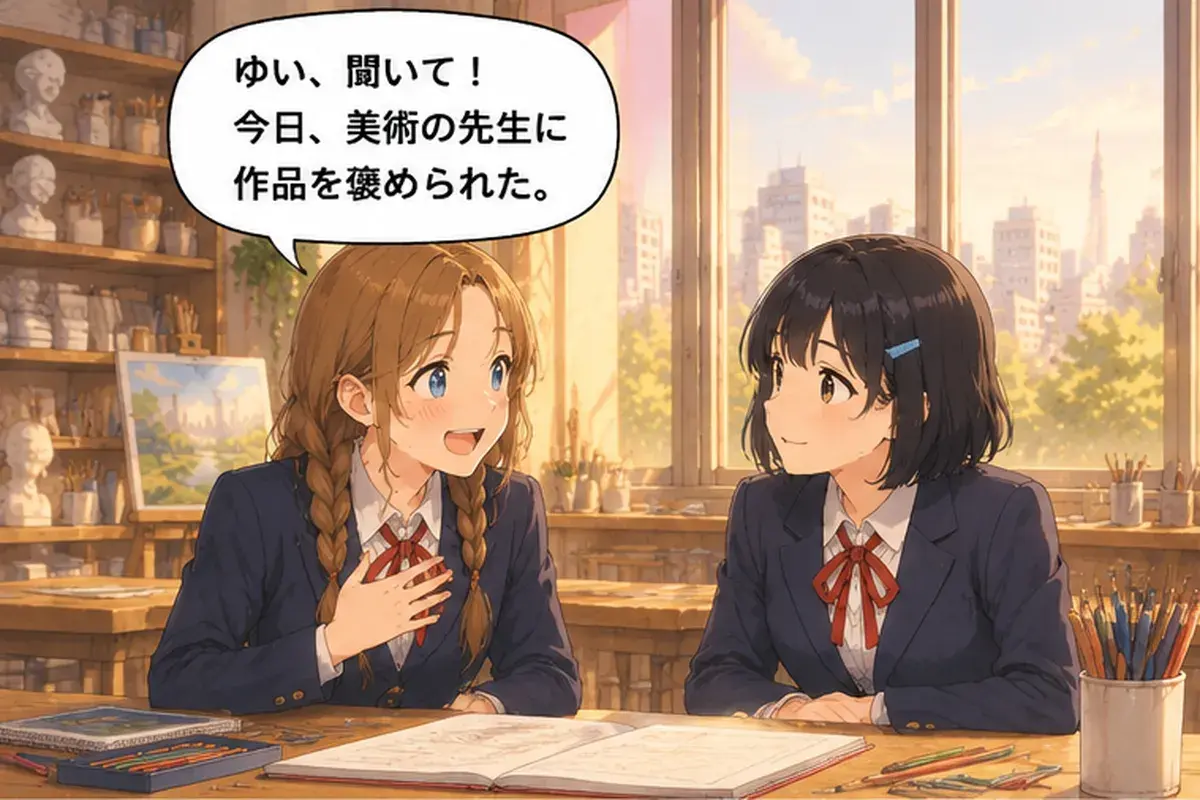
- ソーニャ
ゆい、聞いて!今日、美術の先生に作品を褒められた。
Yui, listen! Today my art teacher praised my work (casual).
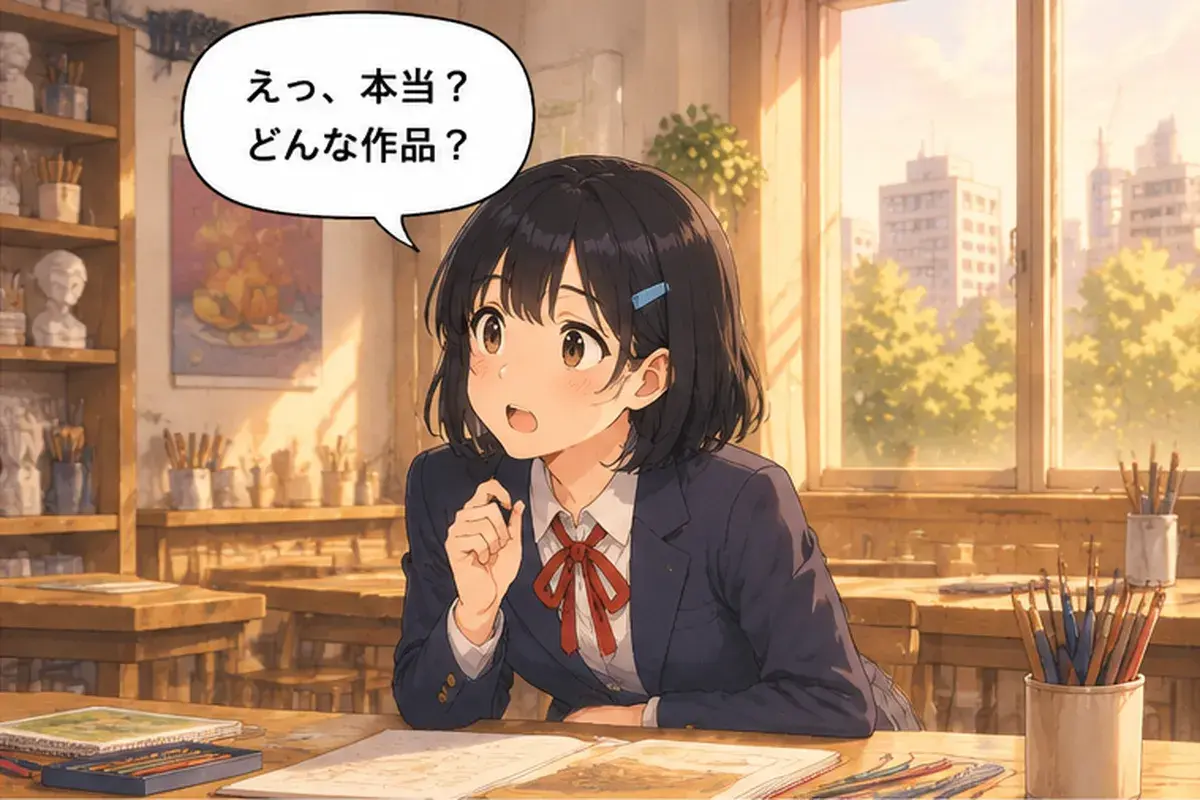
- ゆい
えっ、本当?どんな作品?
Huh, really? What kind of work? (casual)

- ソーニャ
漫画の絵。先生に才能があるって言われた。それから、コンクールにも誘われた。
A manga drawing. The teacher told me I have talent. And then I was invited to a contest too (casual).

- ゆい
すごい!コンクールって、賞がもらえるの?
Wow! At a contest, can you win a prize? (casual)
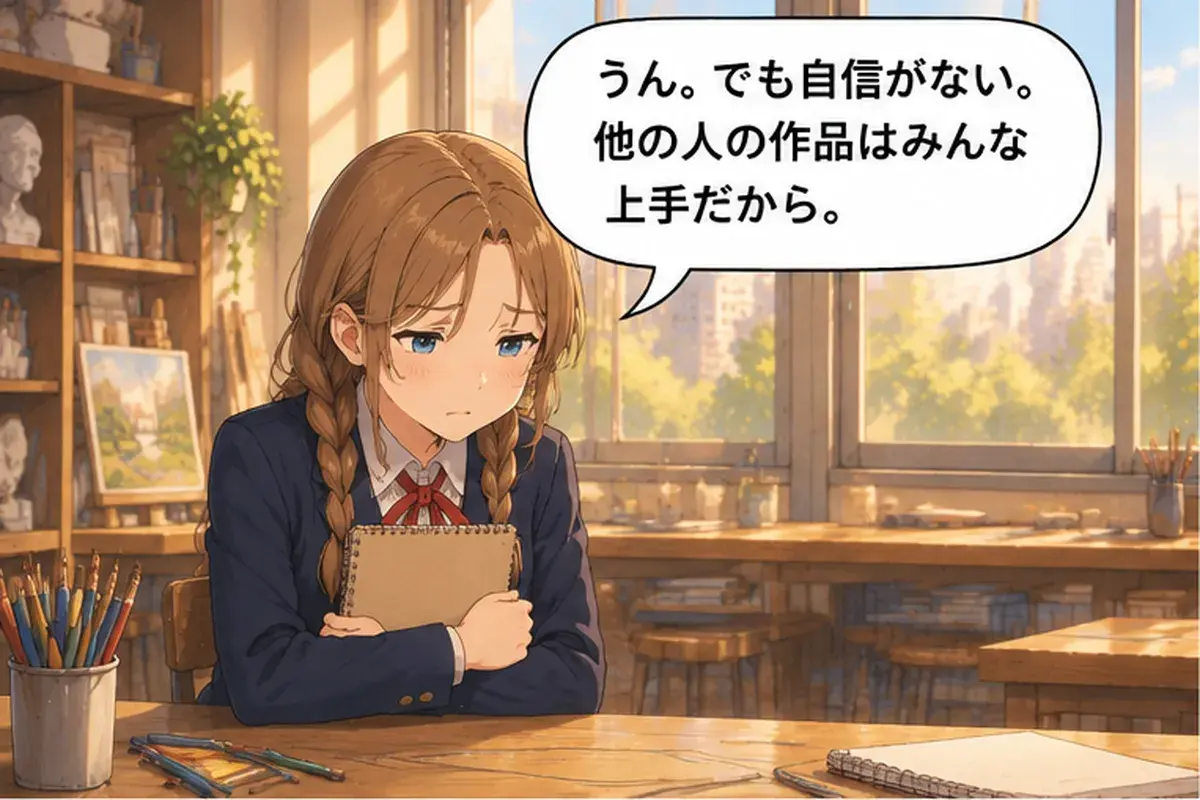
- ソーニャ
うん。でも自信がない。他の人の作品はみんな上手だから。
Yeah. But I'm not confident, because everyone else's work is so good (casual).
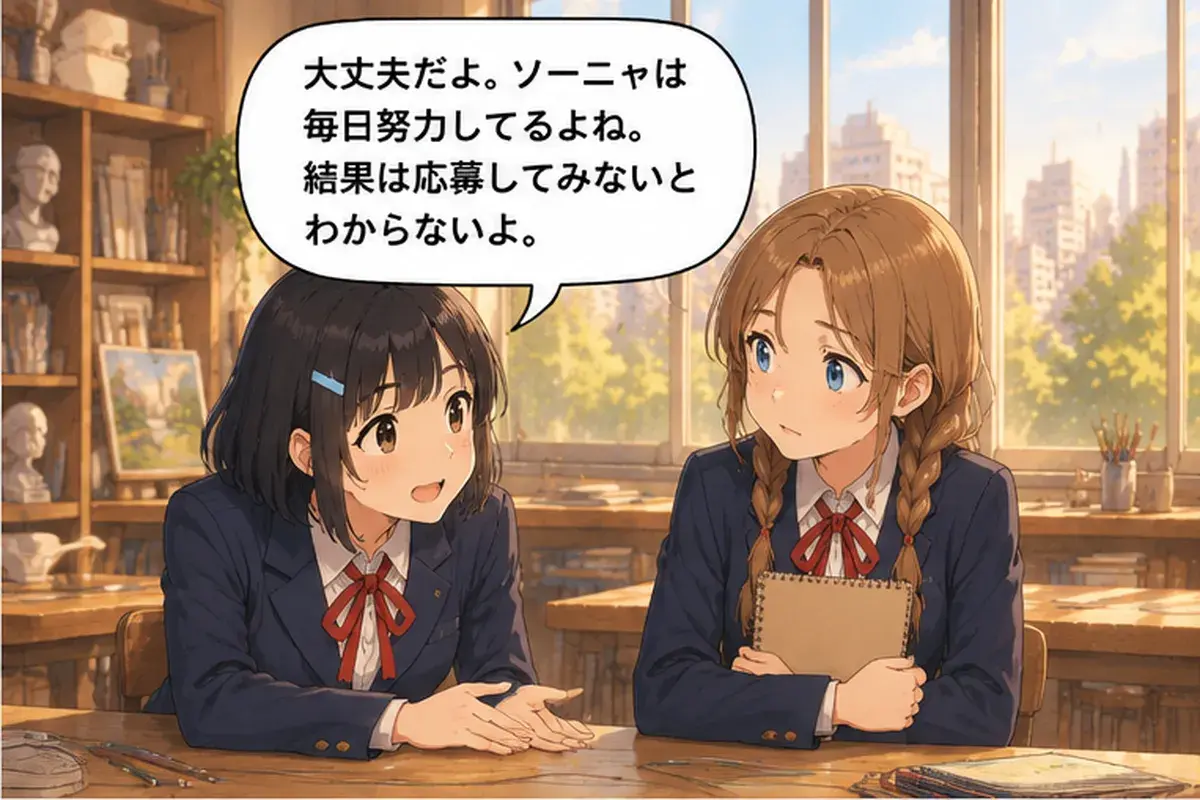
- ゆい
大丈夫だよ。ソーニャは毎日努力してるよね。結果は応募してみないとわからないよ。
It'll be fine. Sonya, you work hard every day, don't you? You won't know the result until you try entering (casual).
- ソーニャ
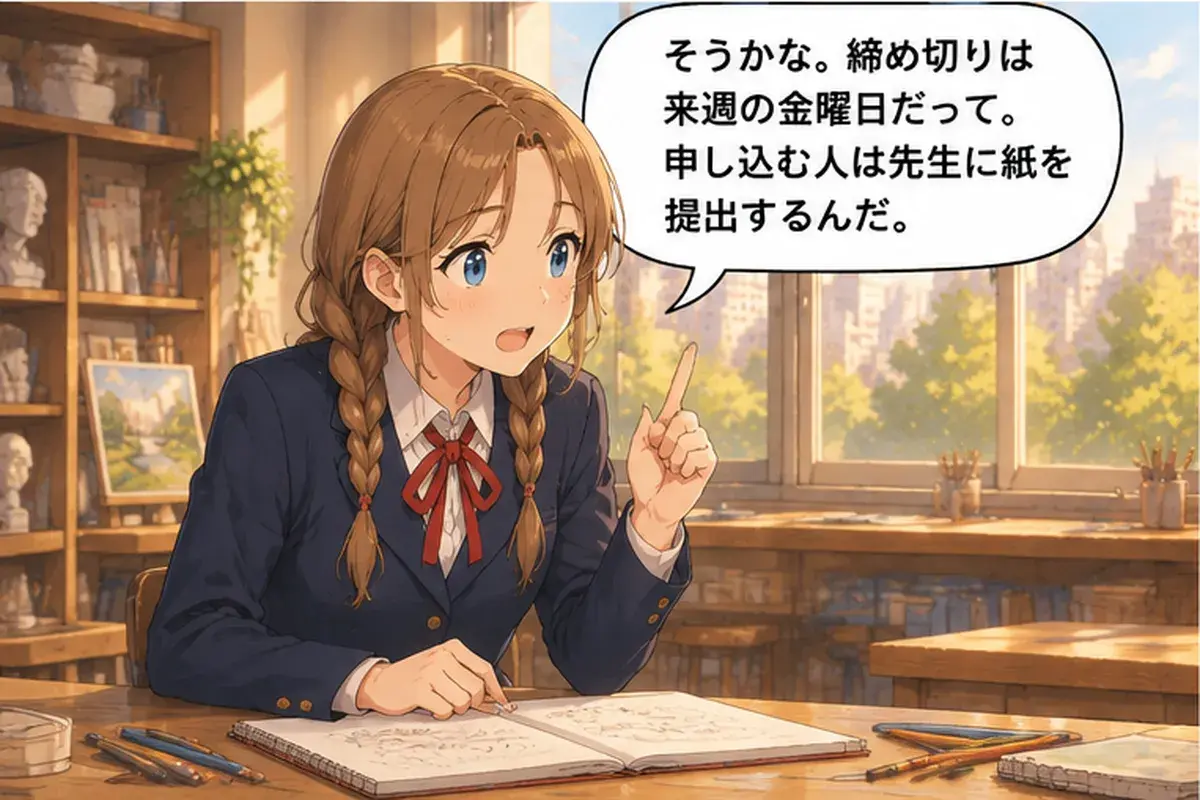
そうかな。締め切りは来週の金曜日だって。申し込む人は先生に紙を提出するんだ。
I wonder. I heard the deadline is next Friday. People who sign up hand a form in to the teacher (casual).

- ゆい
じゃあ、まだ時間があるね。ソーニャはいいね。私は昨日最悪だったよ。
Then you still have time, right? You've got it good, Sonya. I had a terrible day yesterday (casual).

- ソーニャ
えっ、何があったの?
What? What happened? (casual)
- ゆい
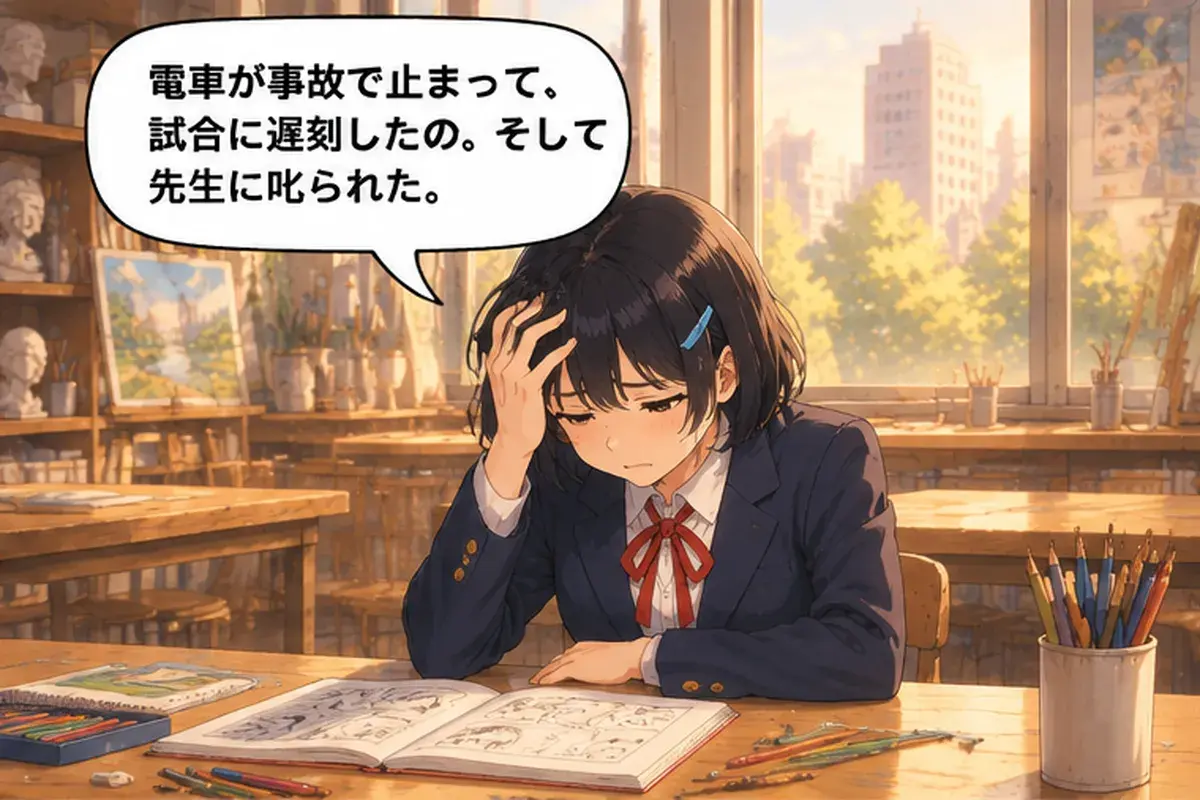
電車が事故で止まって、試合に遅刻したの。そして先生に叱られた。
My train stopped because of an accident, and I was late for my match. And then I got scolded by my teacher (casual).

- ソーニャ
ゆいは悪くないよ。先生に説明した?
It's not your fault, Yui. Did you explain to the teacher? (casual)
- ゆい
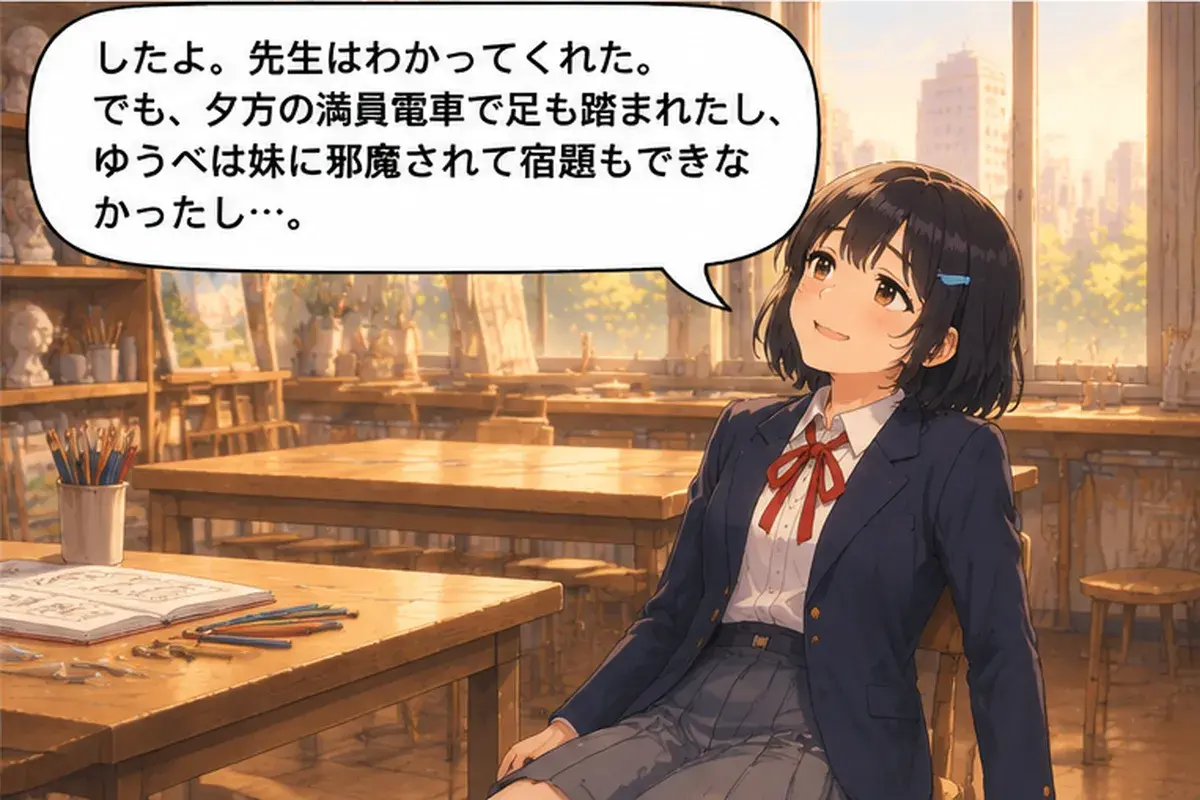
したよ。先生はわかってくれた。でも、夕方の満員電車で足も踏まれたし、ゆうべは妹に邪魔されて宿題もできなかったし…。
I did. The teacher understood. But someone stepped on my foot on the packed evening train, and last night my little sister bothered me so I couldn't do my homework either... (casual)
- ソーニャ
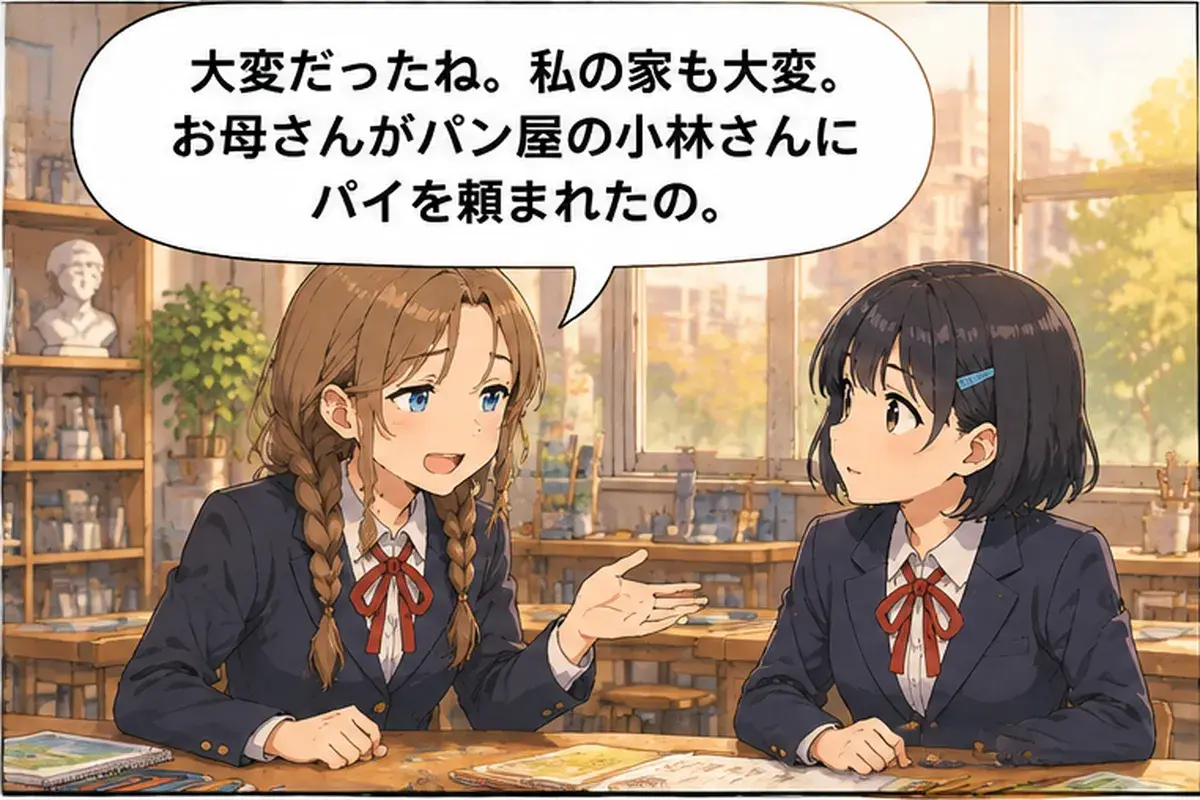
大変だったね。私の家も大変。お母さんがパン屋の小林さんにパイを頼まれたの。
That was rough. Things are hectic at my house too. Kobayashi-san from the bakery asked my mom to make pies (casual).
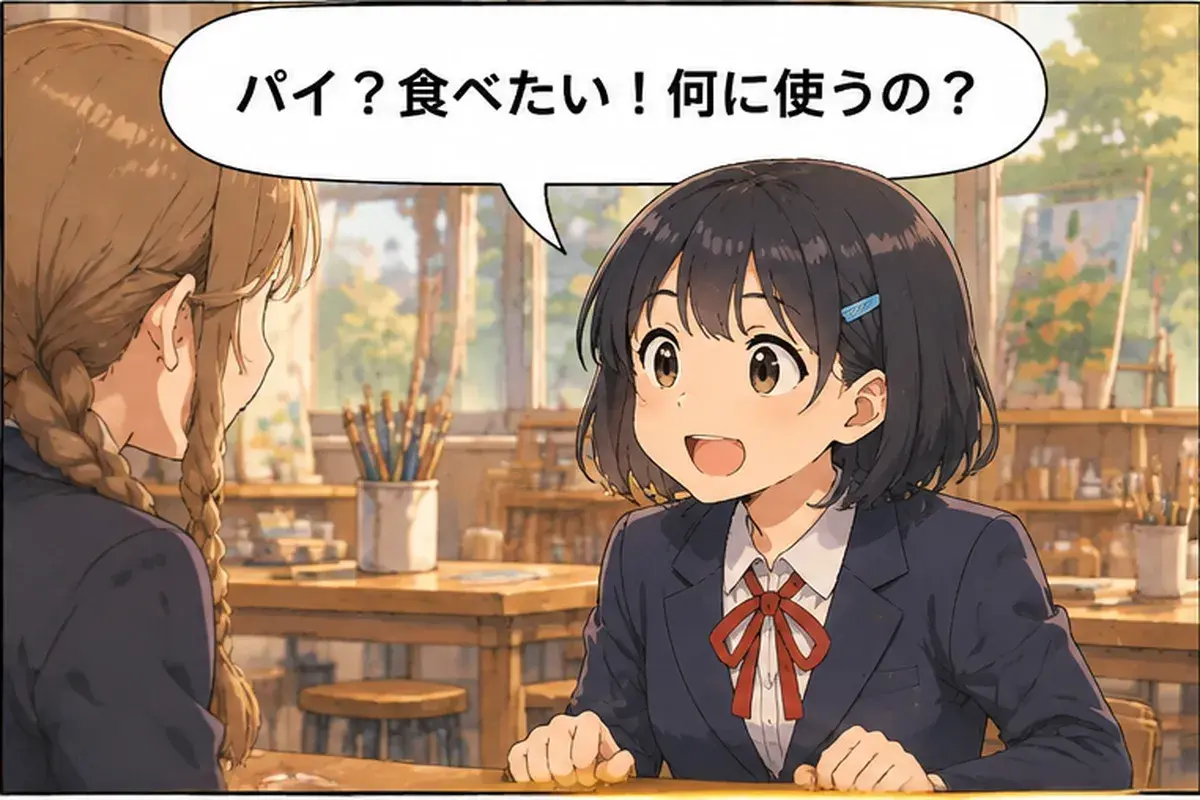
- ゆい
パイ?食べたい!何に使うの?
Pies? I want some! What are they for? (casual)
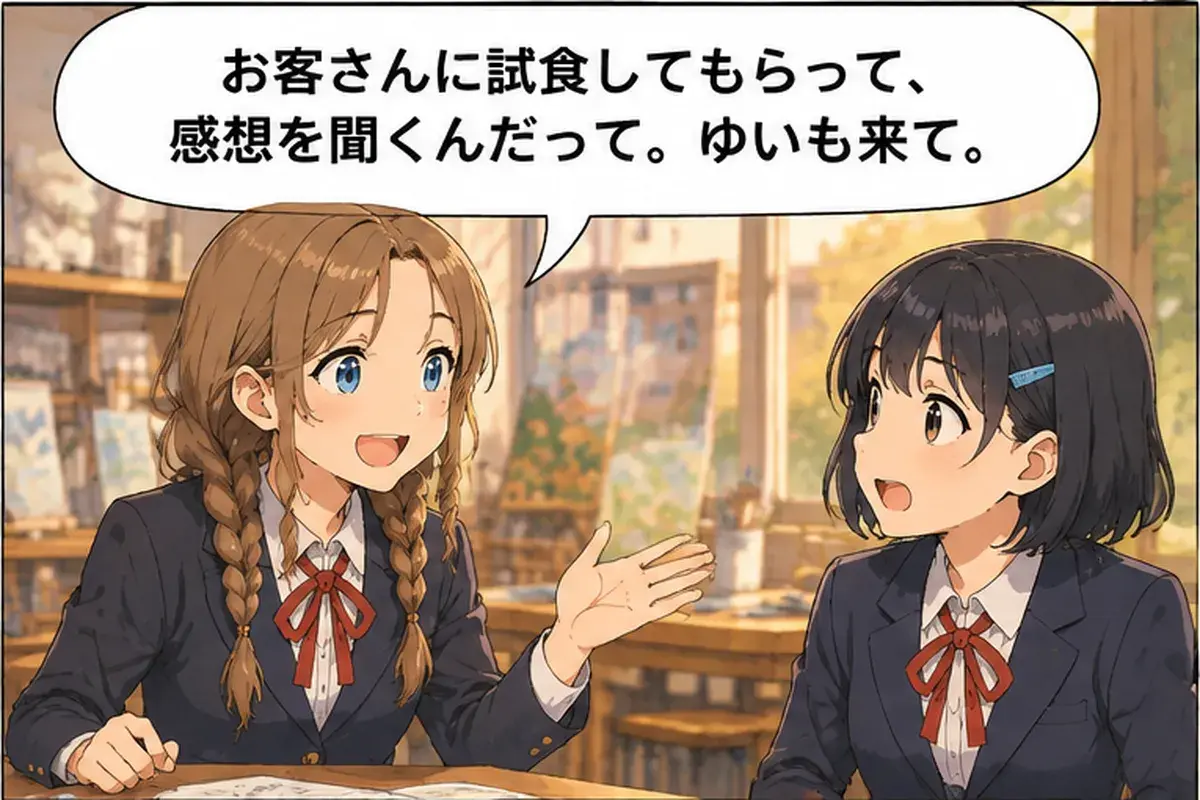
- ソーニャ
お客さんに試食してもらって、感想を聞くんだって。ゆいも来て。
They're going to have customers try them and ask what they think, I heard. Come too, Yui (casual).
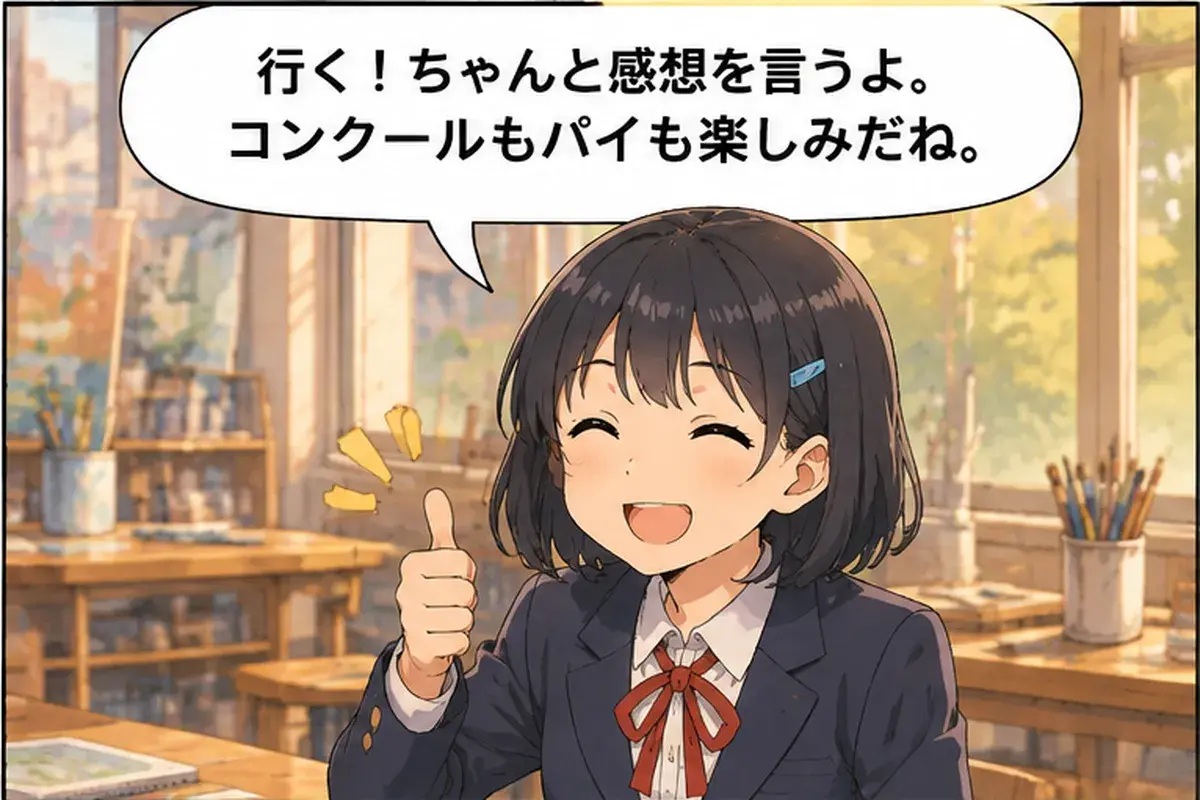
- ゆい
行く!ちゃんと感想を言うよ。コンクールもパイも楽しみだね。
I'll come! I'll give you my honest opinion. I'm looking forward to both the contest and the pies (casual).
Grammar for this text
美術 の 先生 に 作品 を 褒められた— My art teacher praised my work. This is the passive of褒める. The person who praised comes afterに, and the thing that was praised stays withを.先生 に 才能 が ある って 言われた— The teacher told me I have talent.言われたis the passive of言う: for verbs ending inう, aわappears (言わない→言われる).ってmeans "that" (unit 7).コンクール に も 誘われた— I was invited to the contest too.誘う→誘われた. The passive isn't always about something bad: this is a nice invitation.応募して みない と わからない よ— You won't know until you try entering.〜ない と わからないmeans "you won't know until you do it" (と, unit 17);応募して みるmeans "try entering" (unit 16).先生 に 叱られた— I got scolded by the teacher.叱る→叱られた. Japanese makes yourself the subject and puts the teacher withに.足 も 踏まれた— Someone stepped on my foot too.踏む→踏まれた. There is no word for "my": it's clear from the situation.妹 に 邪魔されて— My little sister bothered me, and...邪魔する→邪魔される: my sister got in the way, and it was annoying for me.小林 さん に パイ を 頼まれた— Kobayashi-san asked my mom to make pies.頼む→頼まれた. Here it is Sonya's mother who was asked.
Words and grammar of the unit: Say what someone did to you.
Learn the words from the texts with flashcards
In the app, you can tap any word in a text to see its translation, forms and examples, and new words stick with flashcards. 15 minutes a day.
Start for freeEverything is open for free. No card needed to sign up.