

Japanese story with translation · A1 · 13 lines
ベンチの下に猫がいます There's a cat under the bench
Comic · 13 panels

私はアンナです。今日は日曜日です。
I'm Anna. Today is Sunday.
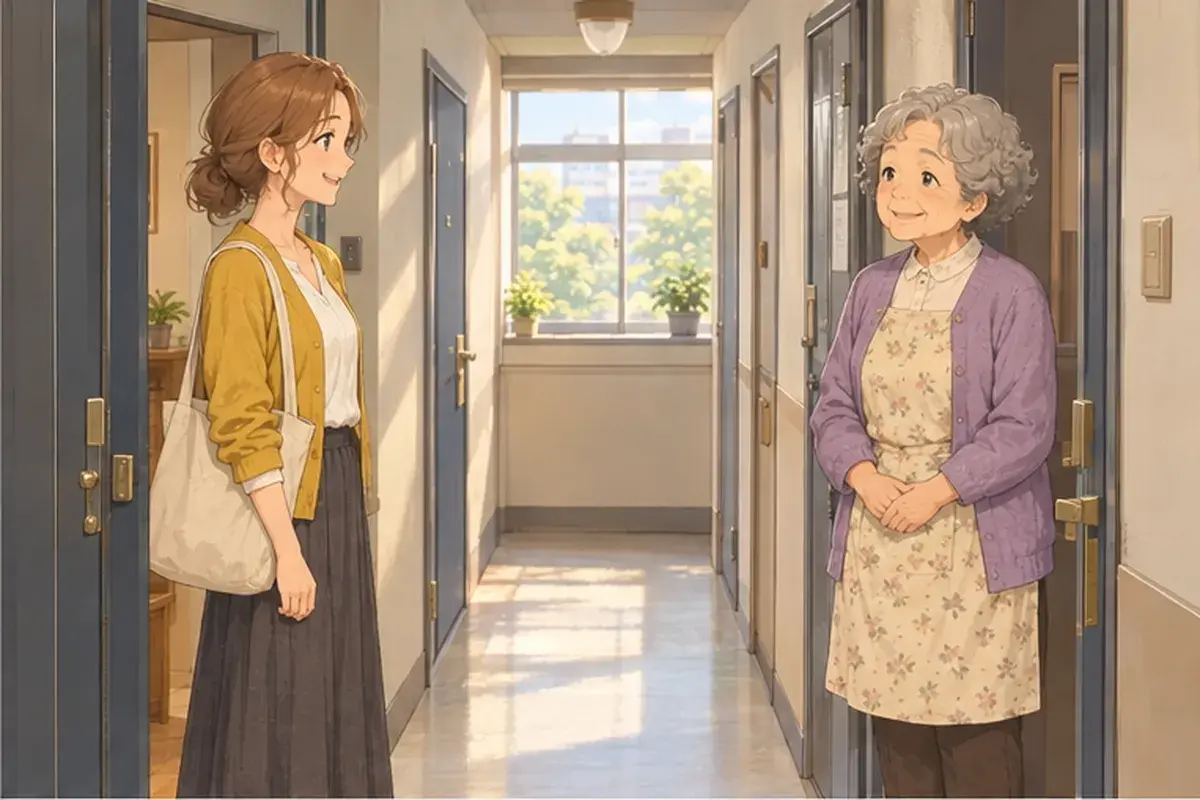
私の家は二階です。隣は田中さんの部屋です。
My home is on the second floor. Next door is Tanaka-san's apartment.

マルクとソーニャと井の頭公園へ行きます。
I'm going to Inokashira Park with Mark and Sonya.
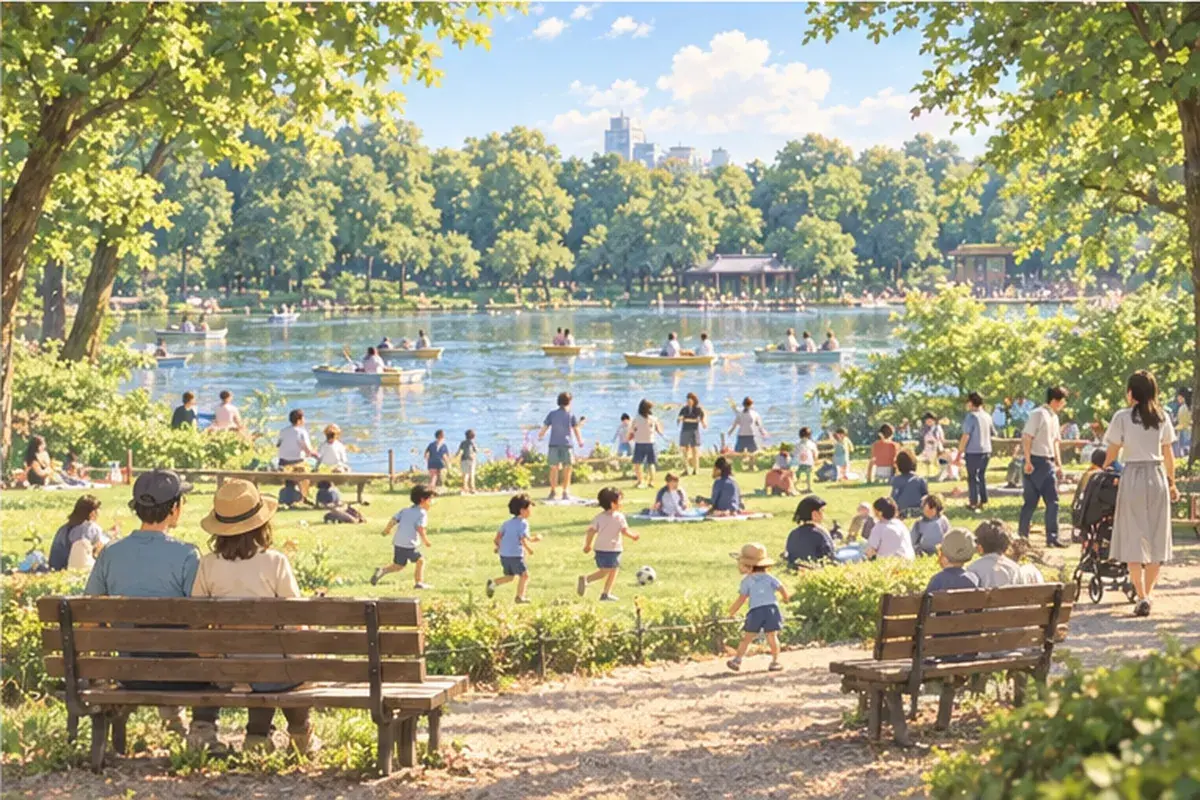
公園に人がたくさんいます。子供もたくさんいます。
There are lots of people in the park. There are lots of children too.

池にボートがたくさんあります。ボートの中に子供がいます。
There are lots of boats on the pond. There are children in the boats.
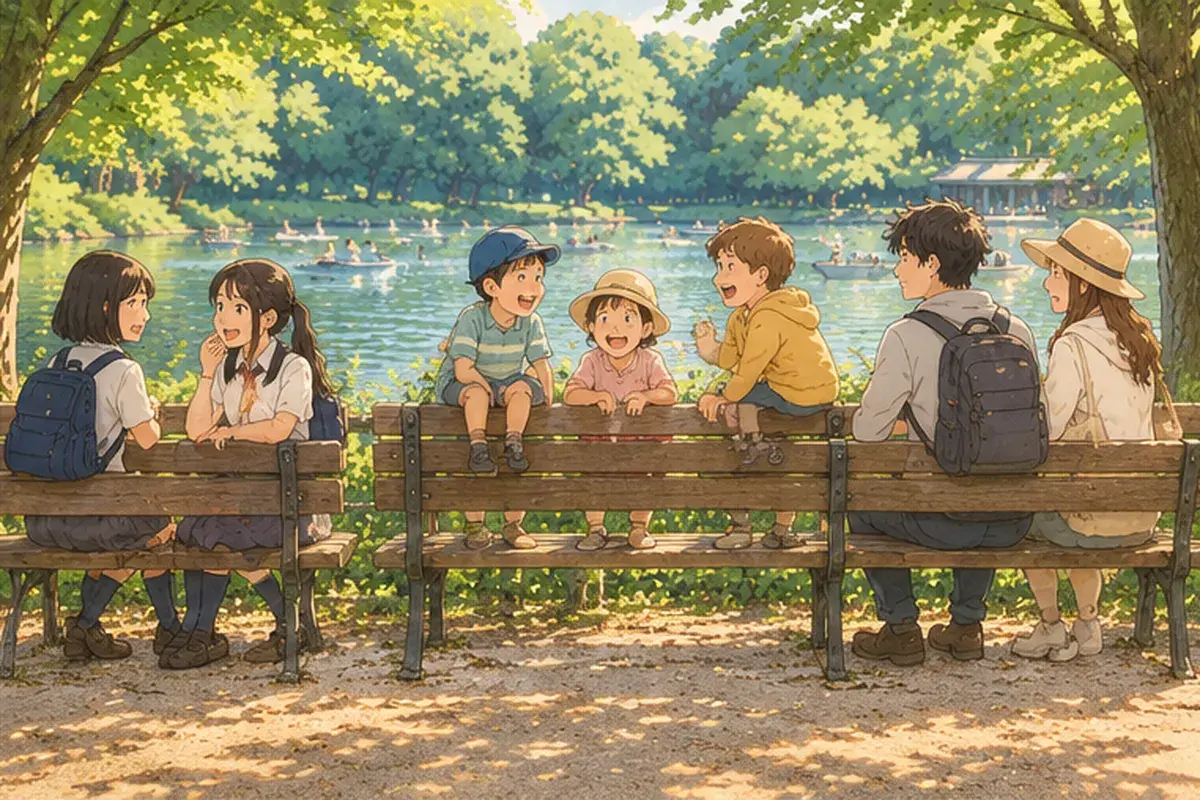
池の前にベンチがありますが、ベンチの上に学生や子供がいます。
There are benches in front of the pond, but there are students, children and other people on the benches.

池の隣にもベンチがあります。ベンチの上にだれもいません。
There's a bench next to the pond too. There's no one on the bench.
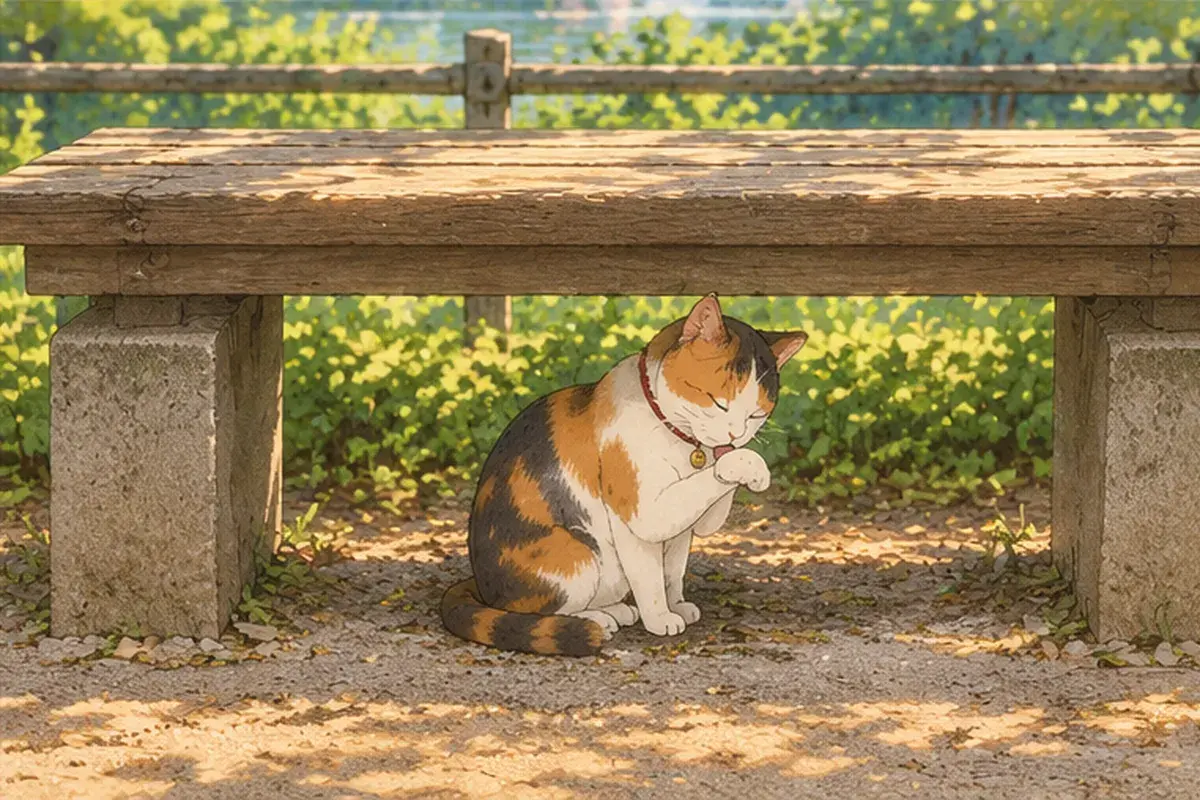
ベンチの下に猫がいます。
There's a cat under the bench.
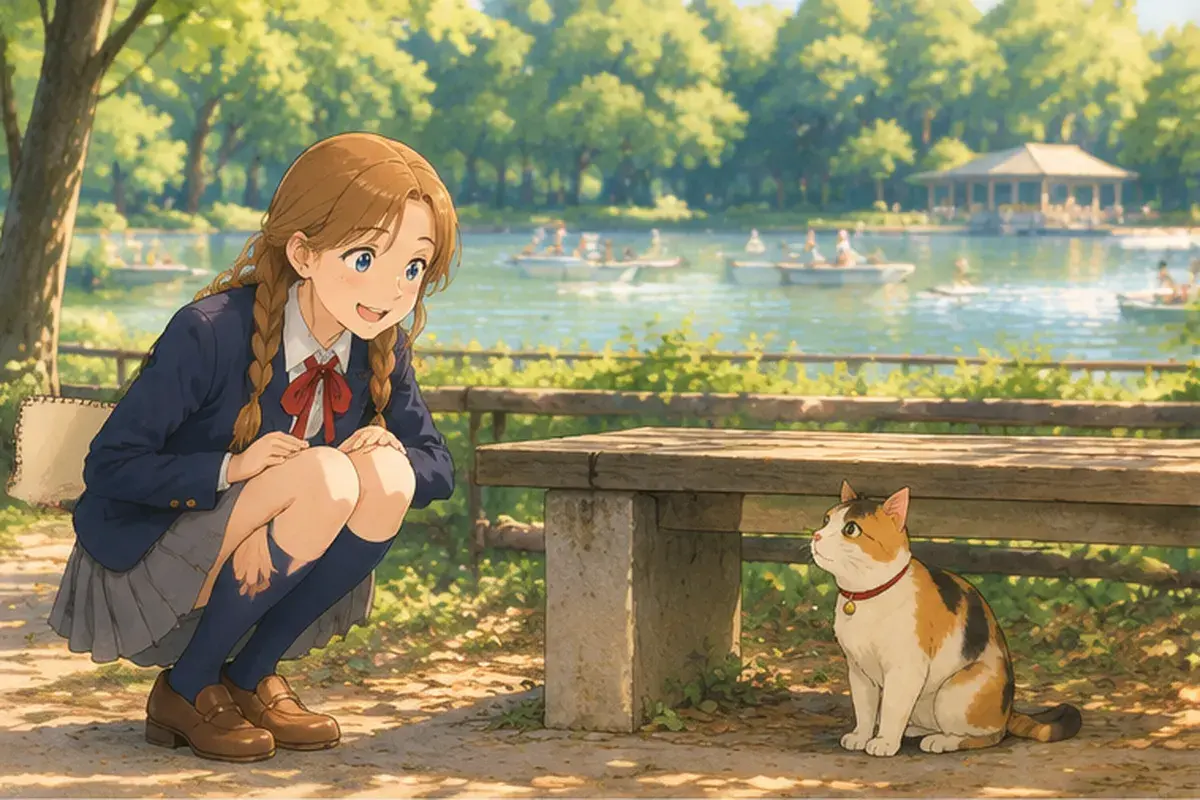
ソーニャは猫を見ます。かわいい猫です。
Sonya looks at the cat. It's a cute cat.

その猫はたまです。田中さんの猫です。
That cat is Tama. It's Tanaka-san's cat.
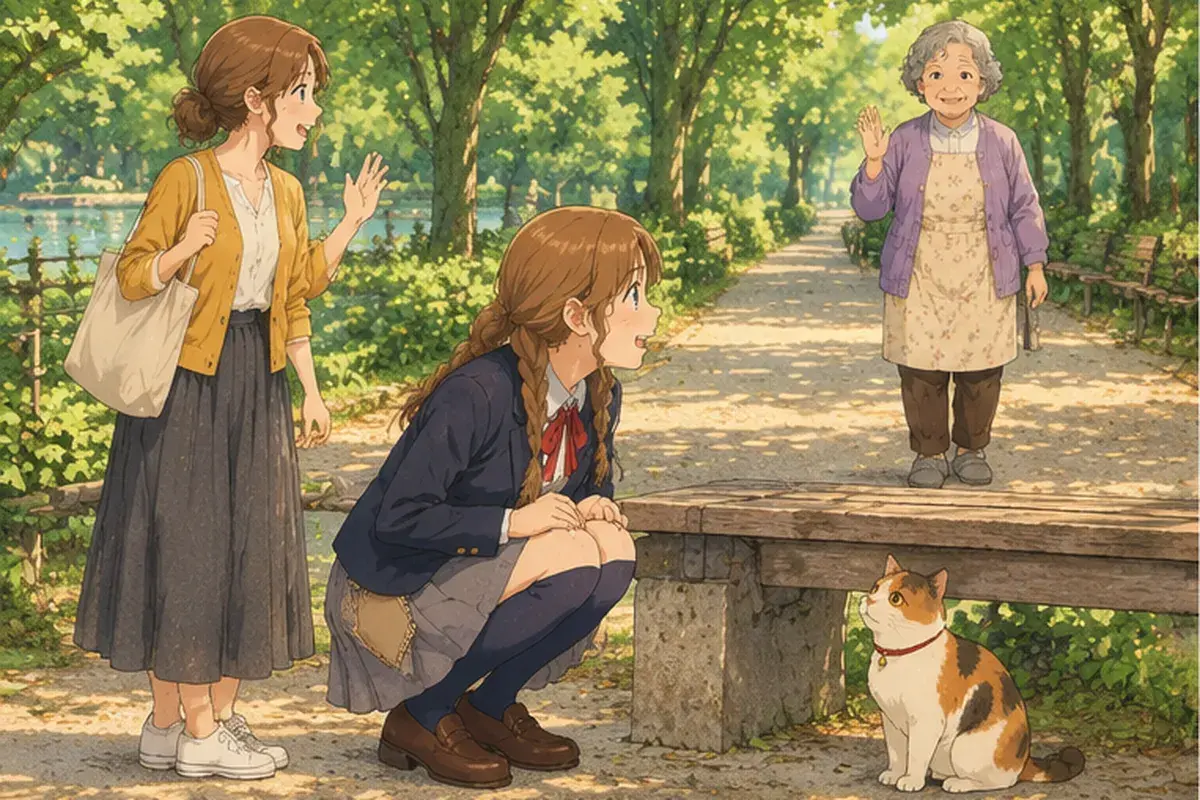
あ、後ろに田中さんがいます。
Oh, Tanaka-san is behind me.

田中さんと一緒に池を見ます。
We look at the pond together with Tanaka-san.

日曜日の公園はいいですね。
The park is nice on Sundays, isn't it?
Grammar for this text
私 は アンナ です— Anna is telling the story: she names herself in the first line, and after that私(I) is her.私 の 家 は 二階 です—階counts floors:二階is the second floor (the first floor is the one at street level, as in American English).家here is the family's apartment, their home.隣 は 田中 さん の 部屋 です—隣is "the place right next to something": here, "next door is Tanaka-san's room", that is, her apartment.公園 に 人 が たくさん います— people takeいます;人is readひとhere;たくさんcomes before the verb.池 に ボート が たくさん あります— a boat is a thing, soあります, but in the boats it'sボート の 中 に 子供 が います: children are living beings, soいます. The verb depends on what or who is named before it.池 の 前 に ベンチ が あります が— hereがmeans "but": there are benches, but they're taken.学生 や 子供— withや: "students, children and others".ベンチ の 上 に だれも いません— "there's no one on the bench":だれもwith the negativeいません. In the next sentence,ベンチ の 下 に 猫 が います— a cat is a living being, so it's alsoいます, though you don't useだれ(who) for a cat: it isn't a person.その 猫 は たま です。—そのmeans "that (one)": in a story it points to what was just mentioned. Tama is out in the park, and her owner is nearby:後ろ に 田中 さん が います—後ろis "behind";がmarks news: Anna turned around and saw her neighbor. Behind whom isn't said: it's clear that it's behind Anna.日曜日 の 公園 は いい です ね—のlinks two nouns: "the park of Sunday".いい です ねmeans "it's nice, isn't it?"
Words and grammar of the unit: Say where things are.
Learn the words from the texts with flashcards
In the app, you can tap any word in a text to see its translation, forms and examples, and new words stick with flashcards. 15 minutes a day.
Start for freeEverything is open for free. No card needed to sign up.