
French story with translation · B1 · 16 lines
Je ne veux pas choisir I don't want to choose
Comic · 16 panels

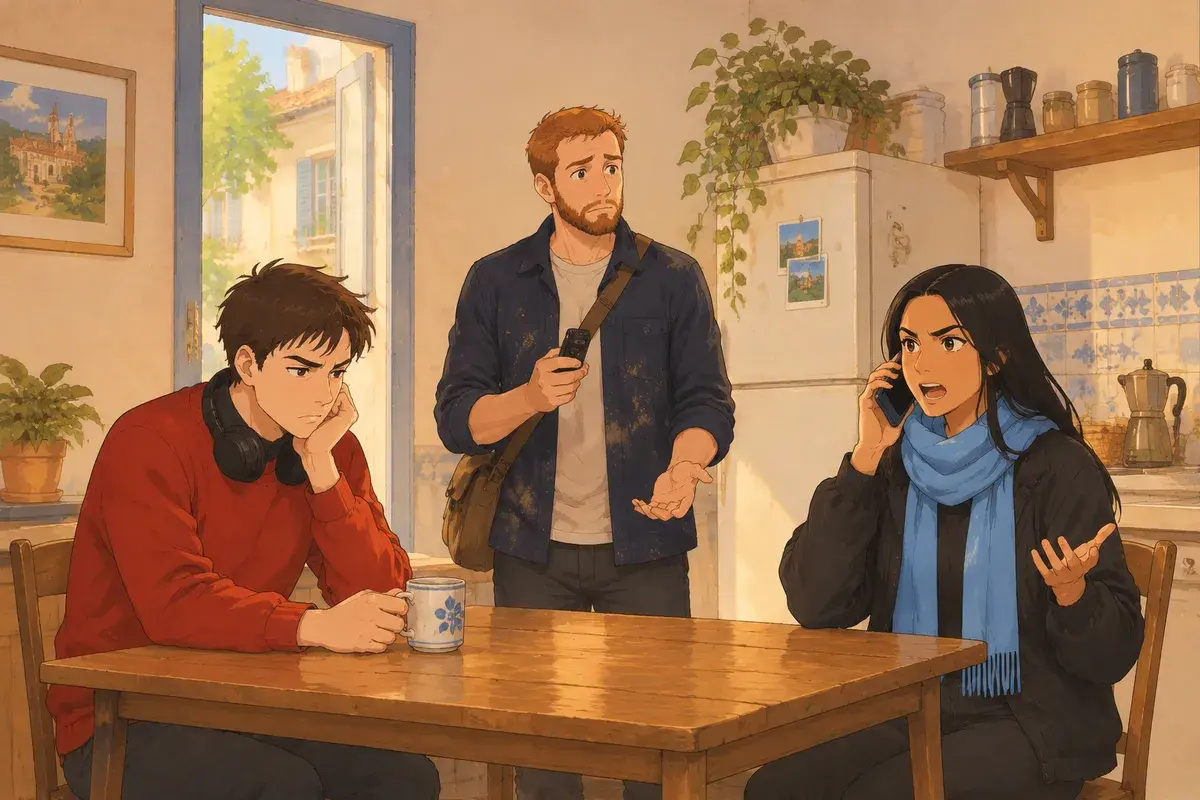
Le lendemain matin, dans la cuisine de l'auberge, Hugo et Inès font semblant de ne pas se voir.
The next morning, in the hostel kitchen, Hugo and Inès are pretending not to see each other.

Hugo boude en silence : il se tait depuis hier soir. Inès, elle, parle très fort au téléphone avec la radio.
Hugo is sulking in silence: he's been keeping quiet since last night. Inès, meanwhile, is talking very loudly on the phone with the radio station.

Le pire, c'est que Hugo dit « vous » à Inès. Depuis que je les connais, il ne lui a jamais dit « vous ».
The worst part is that Hugo says "vous" to Inès. Since I've known them, he has never said "vous" to her.

Inès lui répond « monsieur le boulanger », avec un sourire froid. Ils ont l'air malheureux tous les deux, mais ils ne disent rien.
Inès answers him, "Monsieur le boulanger," with a cold smile. They both look unhappy, but they don't say anything.
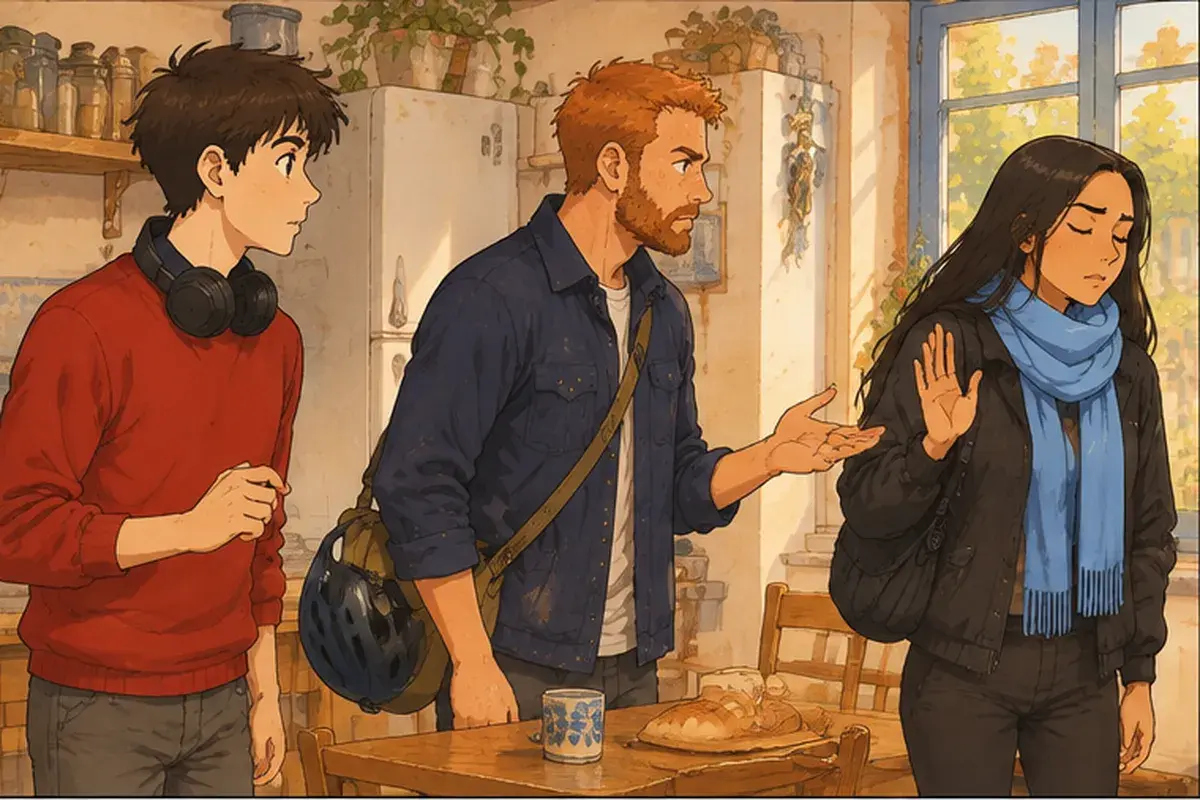
Hugo me dit : « Demande à Inès si elle veut du pain. » Inès répond : « Dis à Hugo que je n'ai pas faim. »
Hugo says to me: "Ask Inès if she wants some bread." Inès answers: "Tell Hugo I'm not hungry."
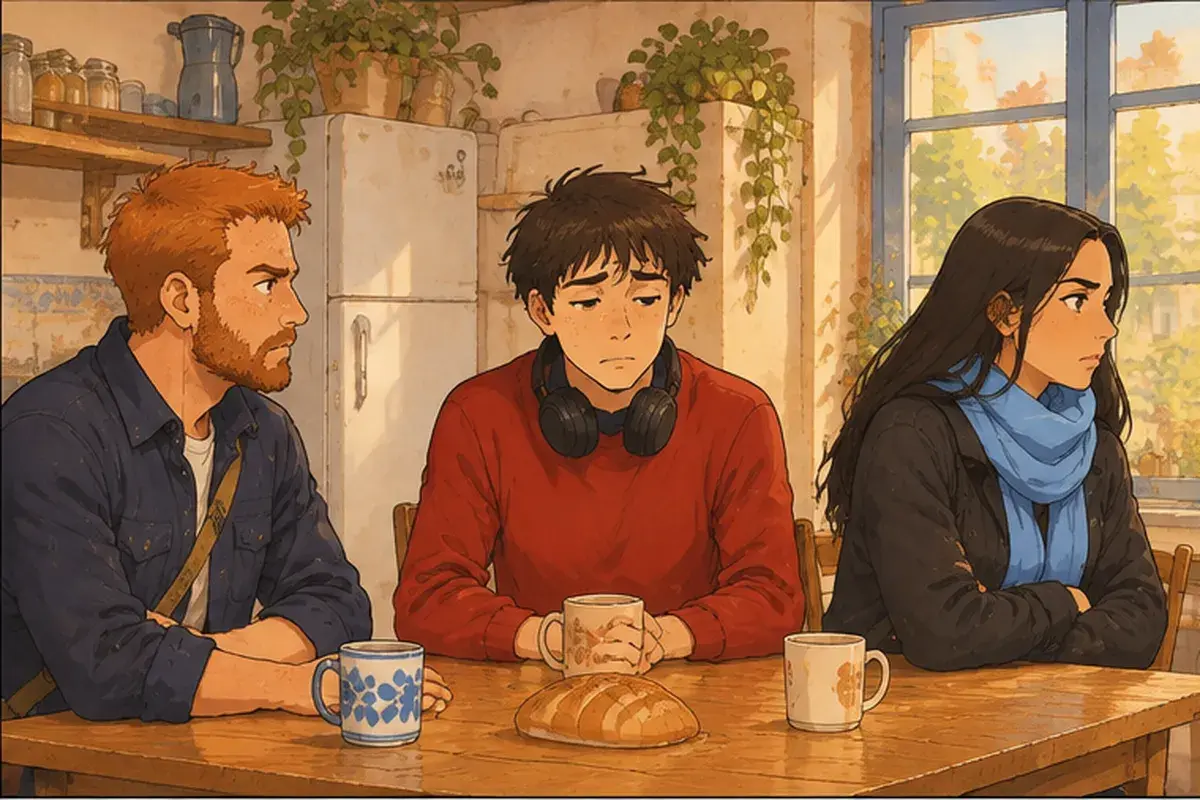
En gros, ils ne se parlent plus : ils sont assis à deux mètres l'un de l'autre, et je suis devenu leur téléphone.
Basically, they're not talking to each other anymore: they're sitting two meters apart, and I've become their phone. (man speaking)
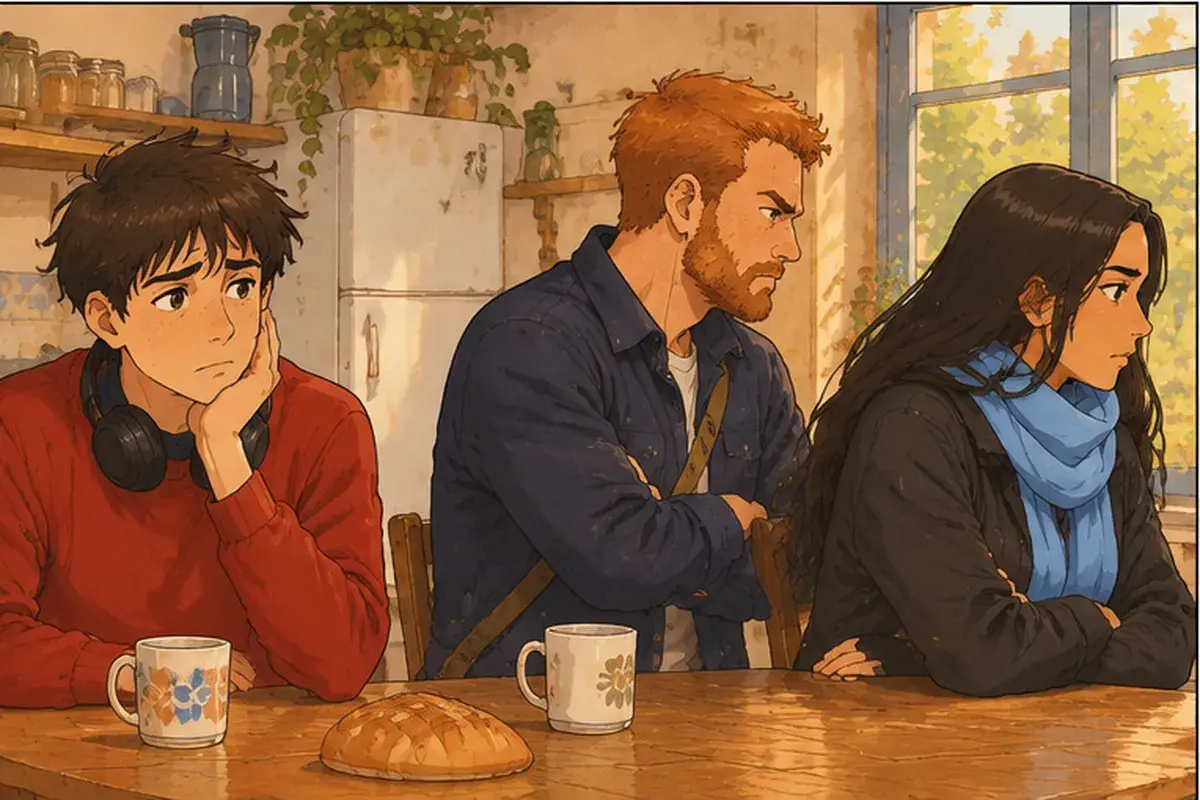
Je suis sensible aux voix, c'est mon métier, et leurs voix sonnent faux. Ça me fait de la peine qu'ils se fâchent comme ça.
I'm sensitive to voices, it's my job, and their voices sound off. It makes me sad that they're getting angry at each other like this.
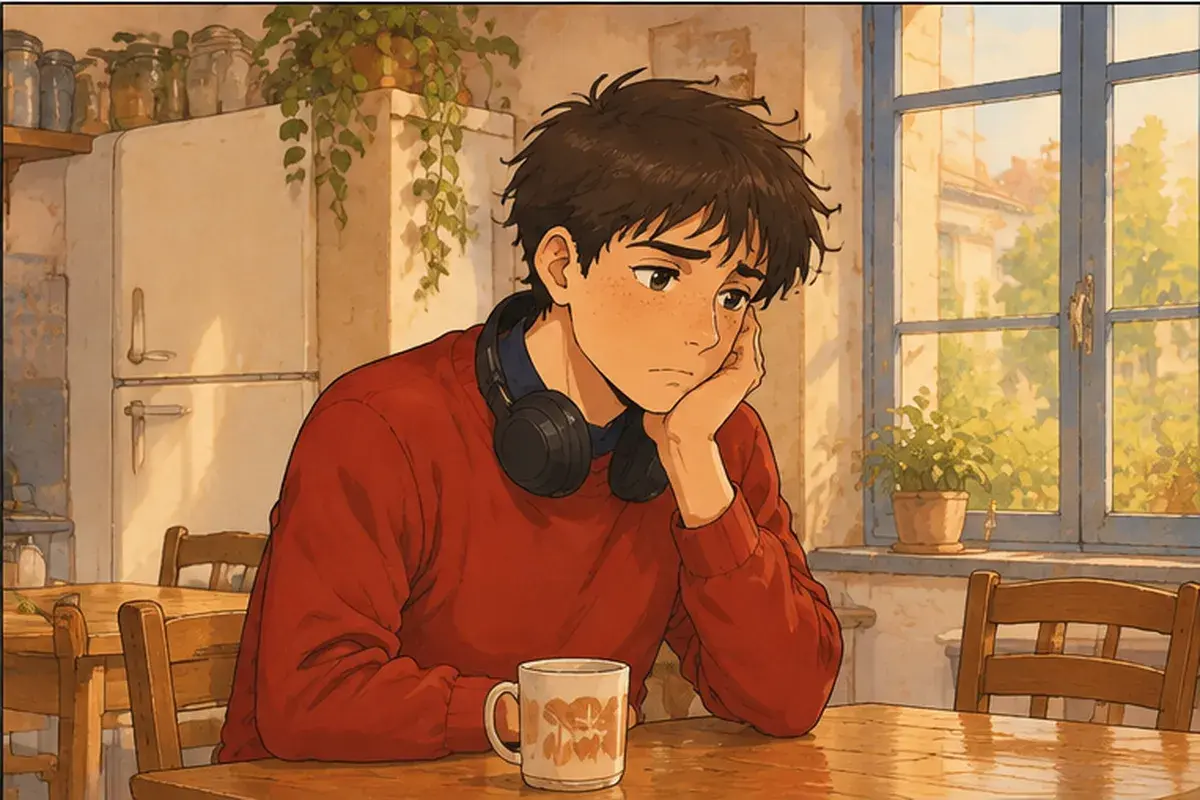
Je connais ça : mon ex aussi savait se taire pendant trois jours. Mais là, je ne sais pas comment réagir.
I know how that goes: my ex could also keep quiet for three days. But this time, I don't know how to react.
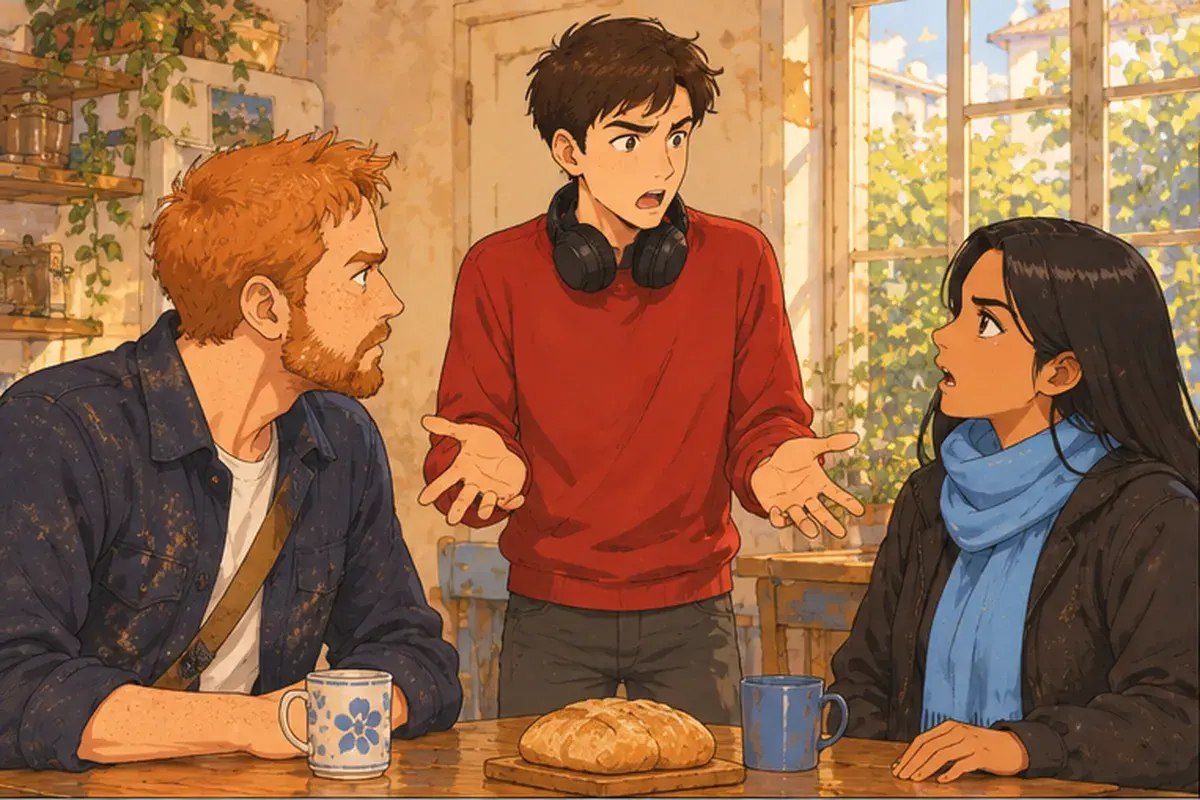
Les deux me posent la même question : « Tu viens avec qui ? » Si je choisissais le train, Inès se vexerait. Si je choisissais l'avion, Hugo en voudrait à Inès et à moi.
Both of them ask me the same question: "Who are you going with?" If I chose the train, Inès would get offended. If I chose the plane, Hugo would be mad at Inès and me.

Dans les deux cas, je blesserais quelqu'un. Je n'ai rien fait de mal, mais je me sens un peu coupable.
In both cases, I would hurt someone. I haven't done anything wrong, but I feel a little guilty.

Je suis presque désespéré : ni l'un ni l'autre ne veut parler le premier. J'envoie un message à ma sœur Dacha.
I'm almost in despair: neither of them wants to speak first (man speaking). I'm texting my sister Dacha.

Elle me répond : « Ne fais pas de drame, ils vont se parler. » Ma sœur a toujours raison, mais elle n'est pas dans cette cuisine.
She answers: "Don't make a drama of it, they'll talk to each other." My sister is always right, but she isn't in this kitchen.

Un peu plus tard, Inès m'écrit, alors qu'elle est assise à deux mètres : « Ne t'inquiète pas. Une dispute entre amis, ce n'est pas la fin du monde. »
A little later, Inès texts me, even though she's sitting two meters away: "Don't worry. An argument between friends isn't the end of the world."

Le soir, Hugo me dit doucement : « Je n'ai pas de rancune, tu sais. J'ai juste besoin de temps. »
In the evening, Hugo says to me softly: "I don't hold a grudge, you know. I just need time."

Je mets mon casque et j'enregistre la cuisine : le frigo, le ventilateur et deux personnes qui ne se parlent pas. Ce silence n'est pas la paix : on entend trop de choses dedans.
I put on my headphones and record the kitchen: the fridge, the fan, and two people who aren't talking to each other. This silence isn't peace: you hear too much in it.

Leur comportement est presque drôle, vu de loin. Mais ils se disputent pour un billet d'avion, et j'ai le sentiment qu'ils sont surtout fatigués de la route, pas l'un de l'autre.
Their behavior is almost funny, seen from a distance. But they're fighting over a plane ticket, and I get the feeling that they're mostly tired from the road, not of each other.
Grammar for this text
- font semblant de ne pas se voir — "pretending not to see each other":
faire semblant de+ infinitive means "to pretend to…".fontis the ils form offaire, andse voirmeans "to see each other". - il se tait — "he's keeping quiet":
se tairemeans "to keep quiet". - Hugo boude — "Hugo is sulking":
boudermeans "to sulk" (to be upset and say nothing). - Depuis que je les connais, il ne lui a jamais dit « vous » — "Since I've known them, he has never said "vous" to her."
depuis quemeans "since". Herelesmeans "them" (a pronoun before the verb), not the article, andluimeans "to him" or "to her". Friends use tu with each other, so a cold vous is a sign of a fight. - Demande à Inès si elle veut du pain — "Ask Inès if she wants some bread": a tu command (A2, unit 5).
- Dis à Hugo que je n'ai pas faim — "Tell Hugo I'm not hungry": a command plus reported words (A2, unit 14; B1, unit 9). Pacha passes their words back and forth.
- Ça me fait de la peine qu'ils se fâchent — "It makes me sad that they're getting angry at each other":
ça me fait de la peine que+ subjunctive (block 2 of the grammar of the unit). - mon ex — "my ex":
un exorune exis a former partner. - Si je choisissais le train, Inès se vexerait — "If I chose the train, Inès would get offended":
si+ imperfect, then the conditional (block 1). - en voudrait à — "would be mad at":
en vouloir àis one expression, andendoes not mean "of it" here. - ni l'un ni l'autre ne veut — "neither of them wants":
ni… ni(unit 11). Afterni l'un ni l'autrethe verb is often singular. - Une dispute entre amis, ce n'est pas la fin du monde — "An argument between friends isn't the end of the world": people say this when a problem is not as bad as it seems.
- pas l'un de l'autre — "not of each other":
l'un de l'autremeans "of each other".
Words and grammar of the unit: Have it out.
Learn the words from the texts with flashcards
In the app, you can tap any word in a text to see its translation, forms and examples, and new words stick with flashcards. 15 minutes a day.
Start for freeEverything is open for free. No card needed to sign up.