
French story with translation · A1 · 14 lines
Mon sport à moi, c'est écouter My own sport is listening
Comic · 14 panels
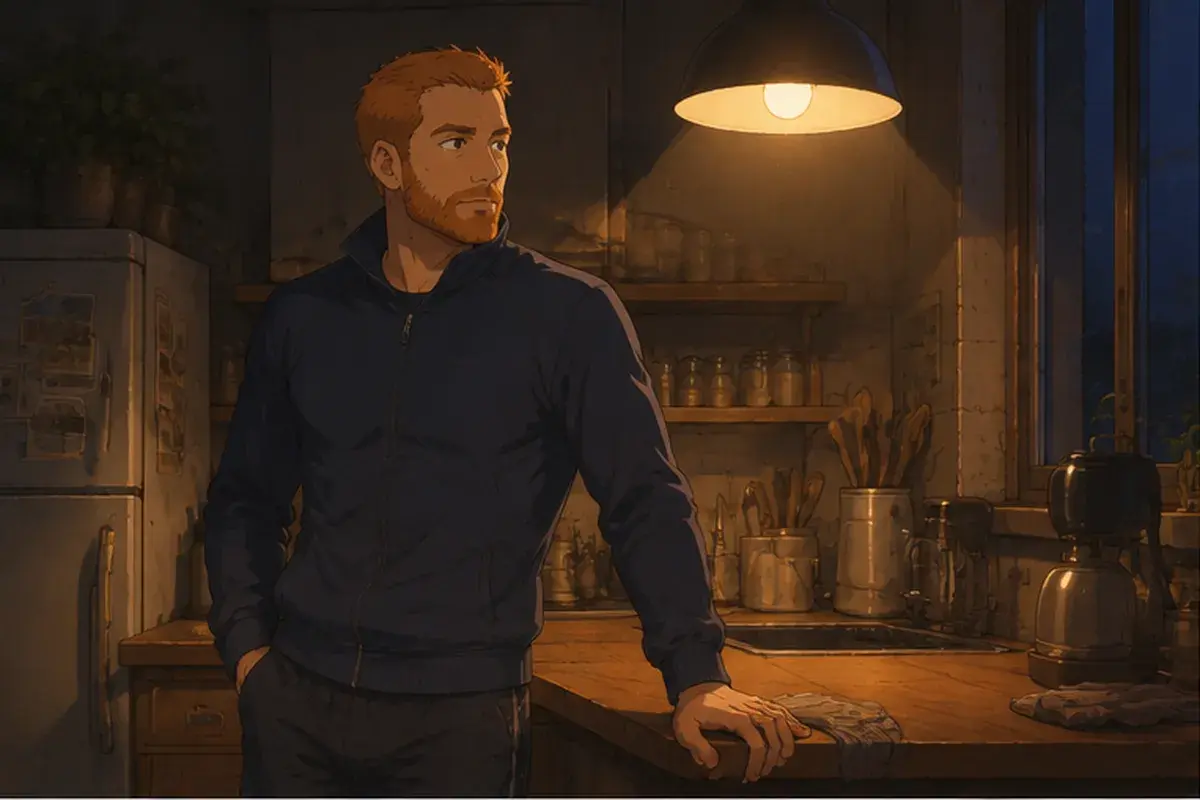
Le dimanche, Hugo ne travaille pas, mais il se lève à quatre heures.
On Sundays, Hugo doesn't work, but he gets up at four.
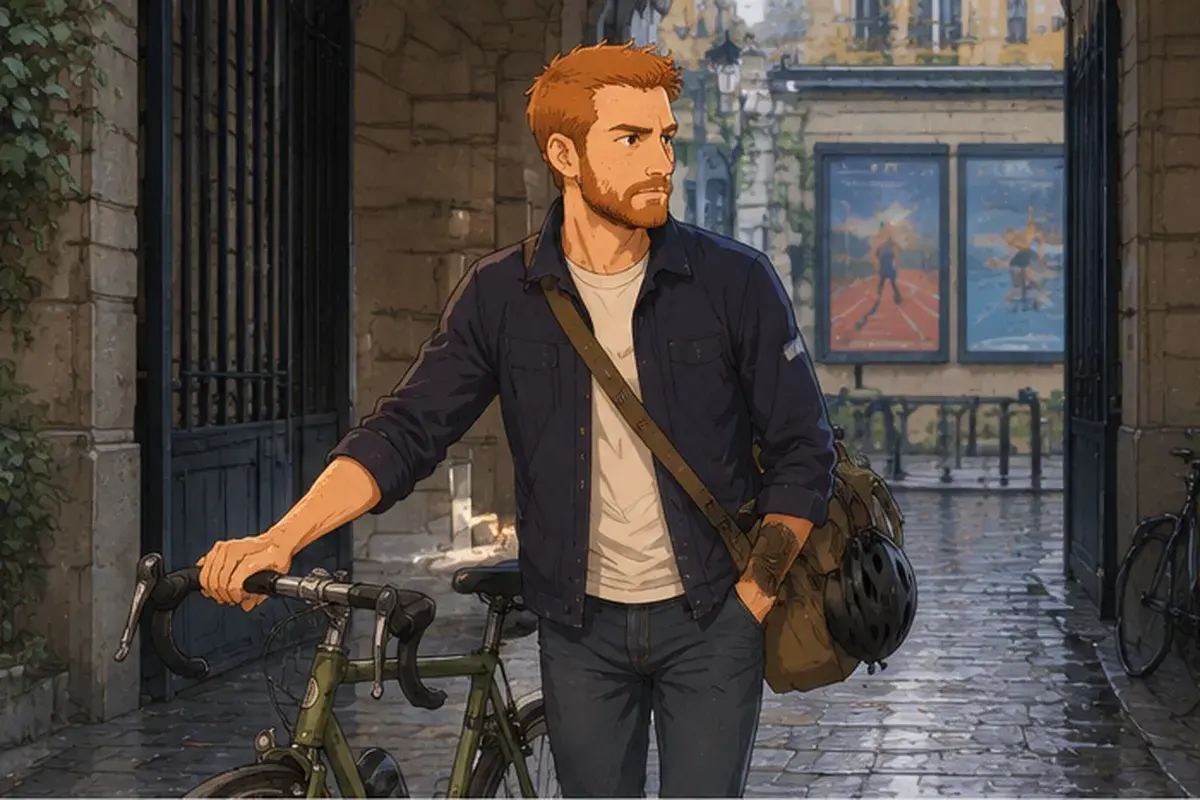
Il ne court jamais et il ne nage jamais.
He never runs and he never swims.
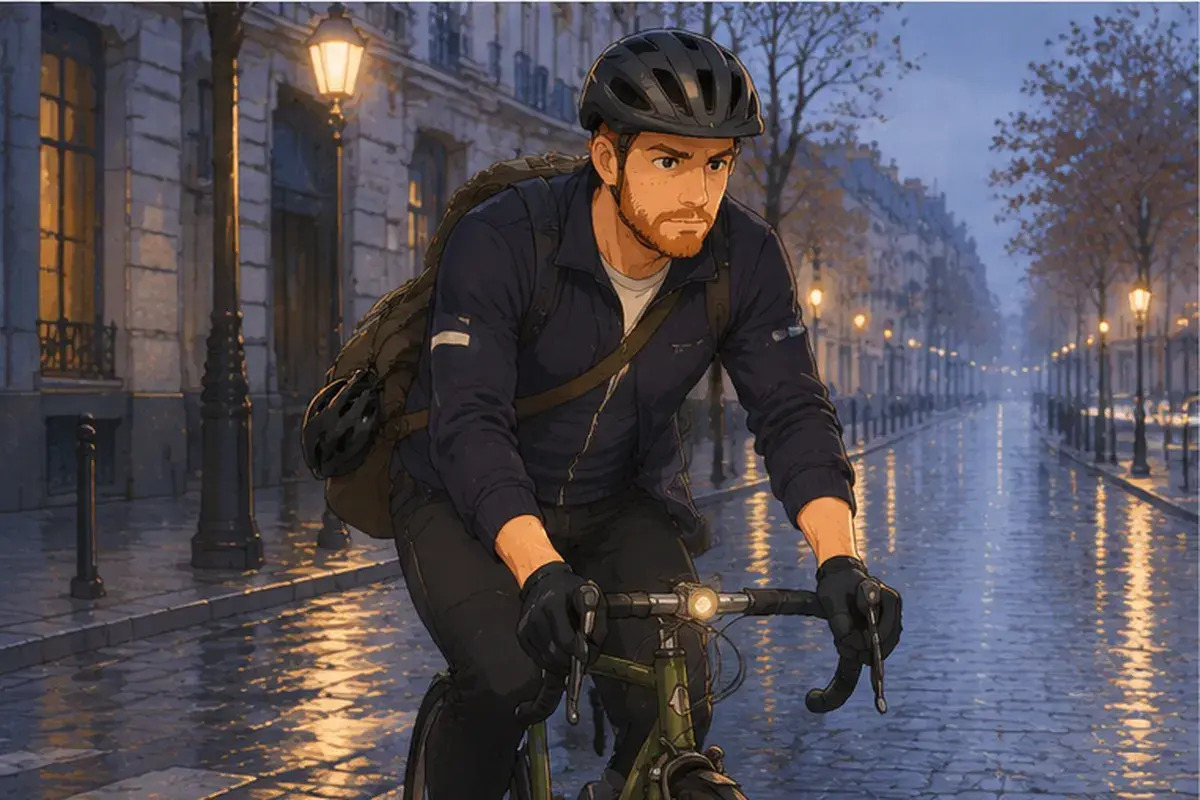
Il fait du vélo : c'est son sport.
He goes biking: that's his sport.
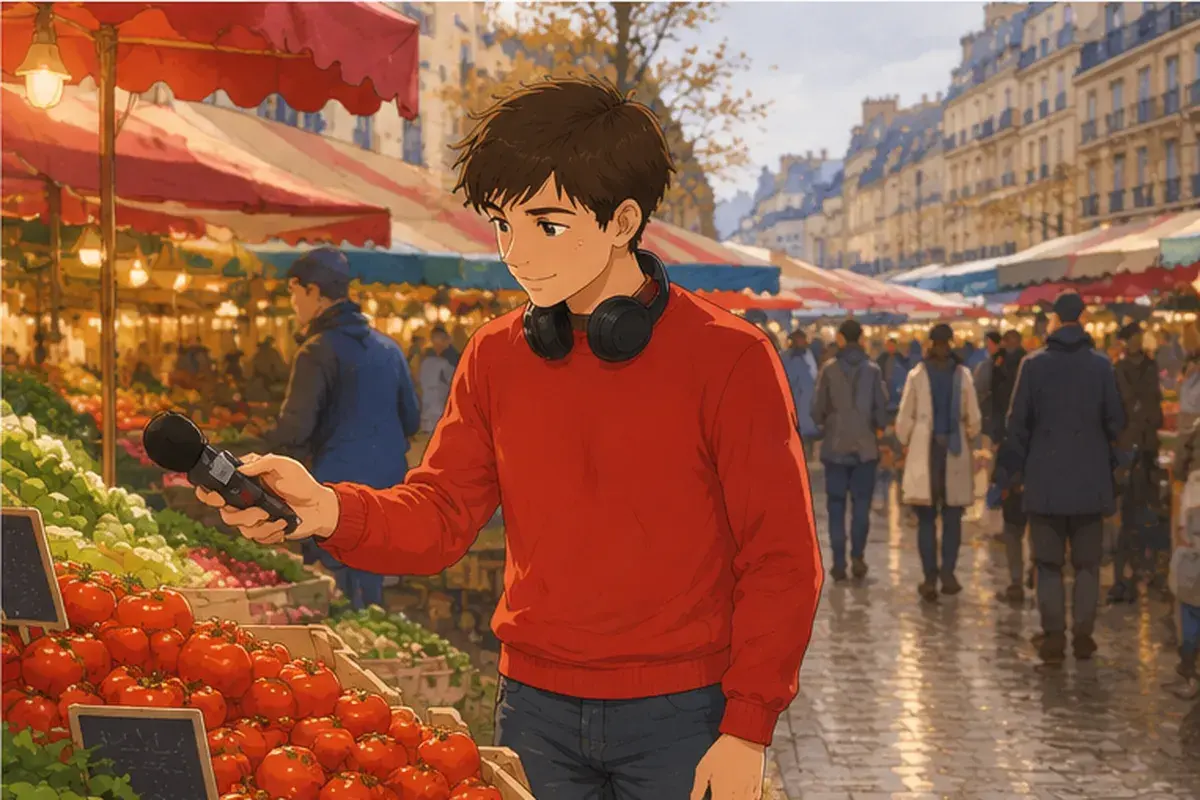
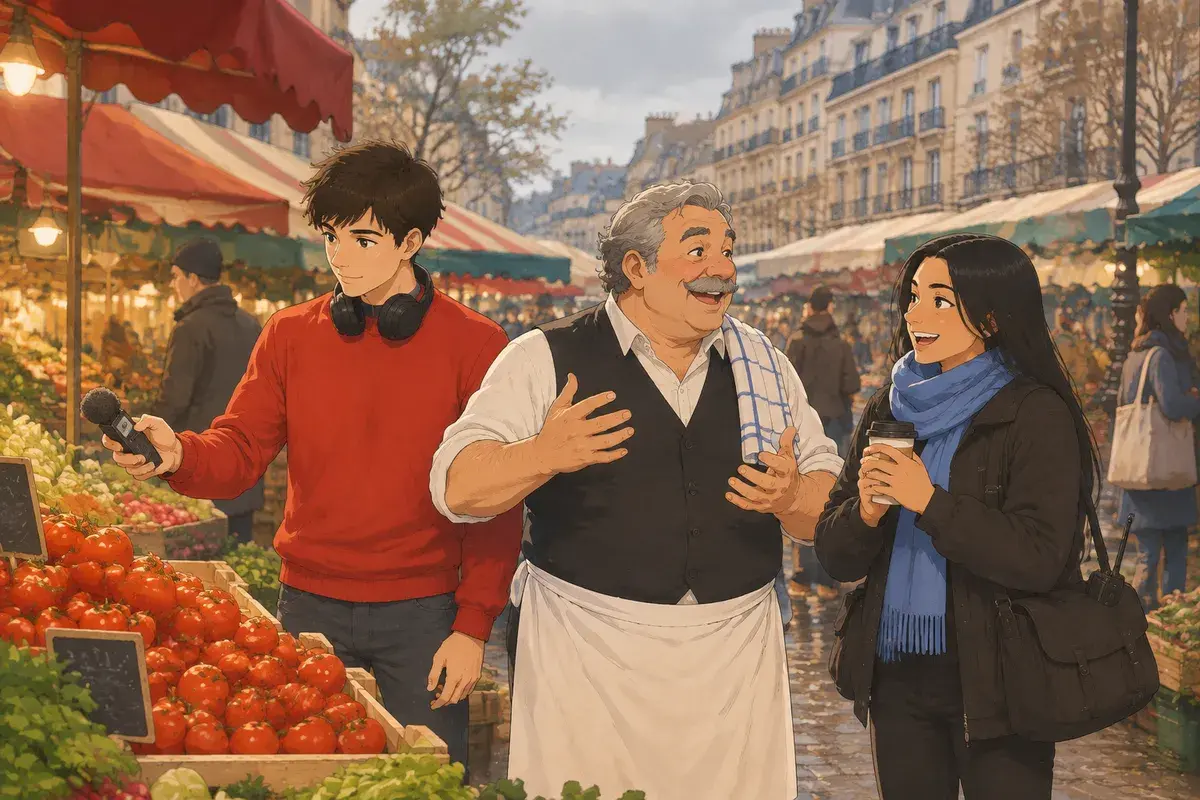
Moi, je préfère le marché. Je me promène entre les tomates avec mon micro.
Me, I prefer the market. I walk around among the tomatoes with my mic.
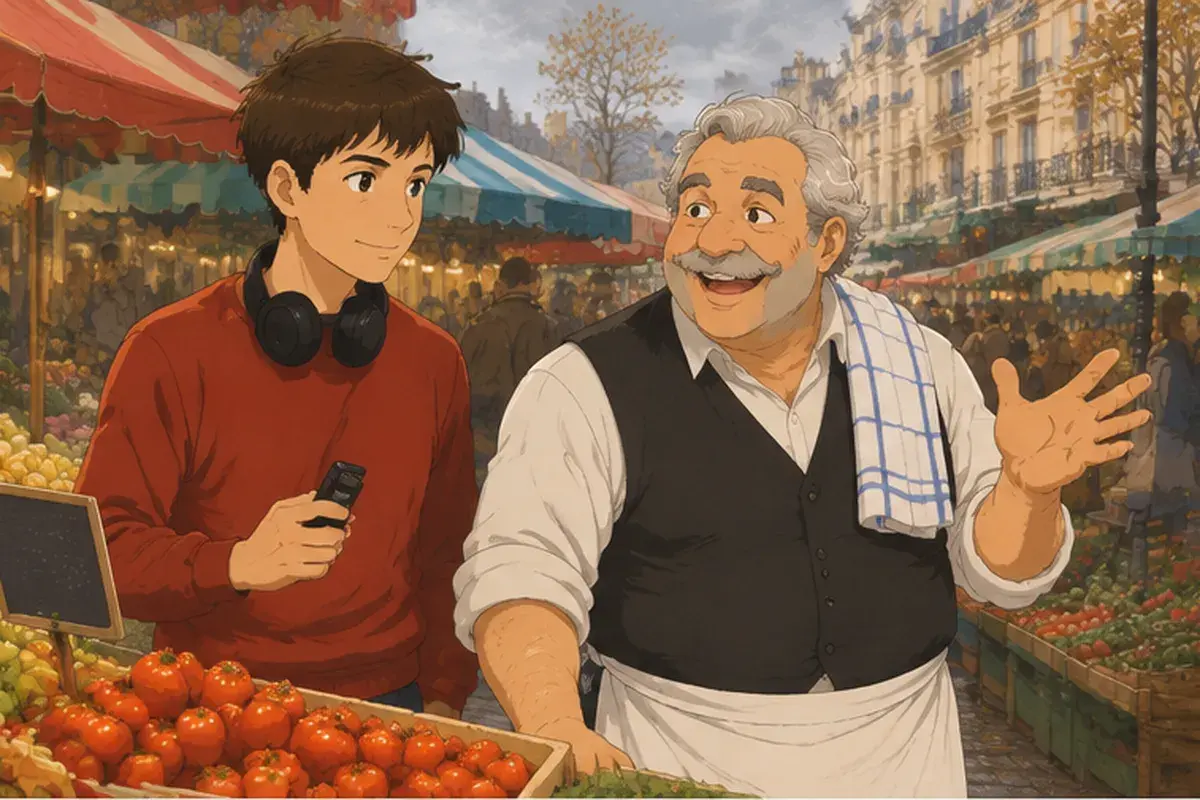
Parfois, je rencontre Momo. Il parle du match, bien sûr.
Sometimes I run into Momo. He talks about the game, of course.
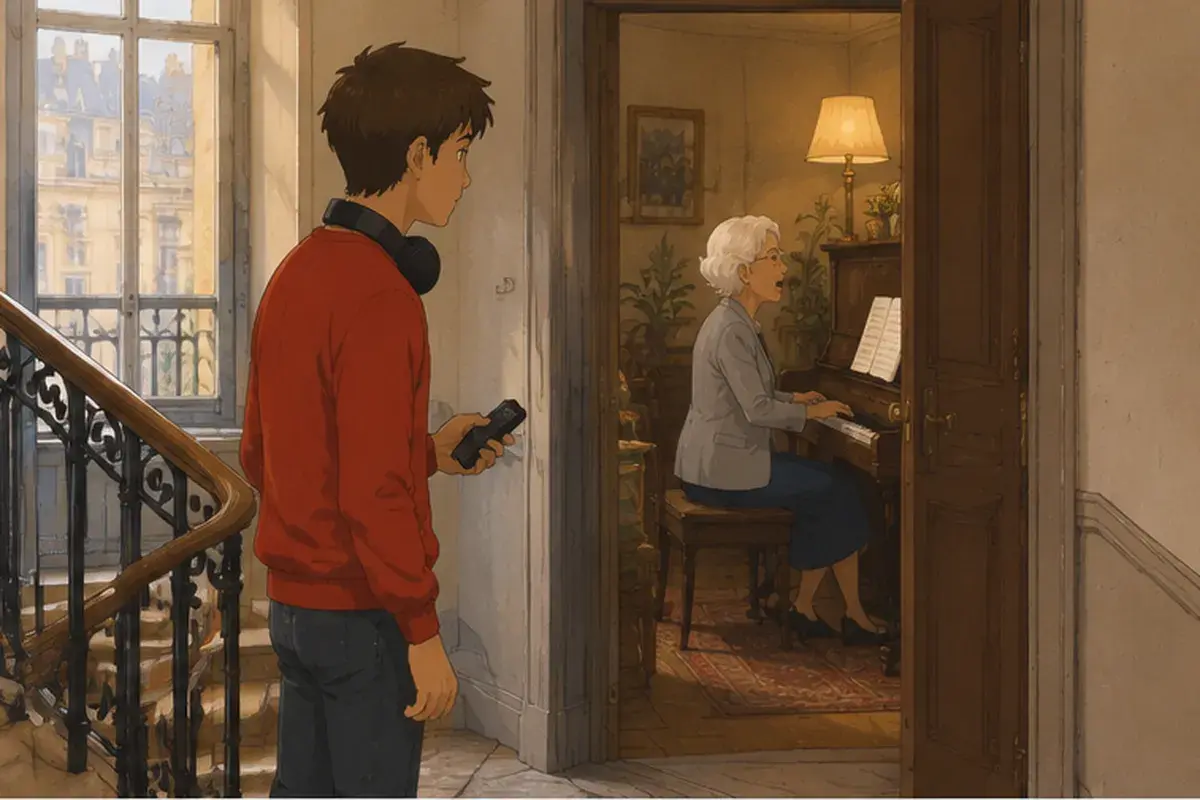
À midi, je rentre. Madame Morel joue du piano et chante.
At noon, I go home. Madame Morel plays the piano and sings.
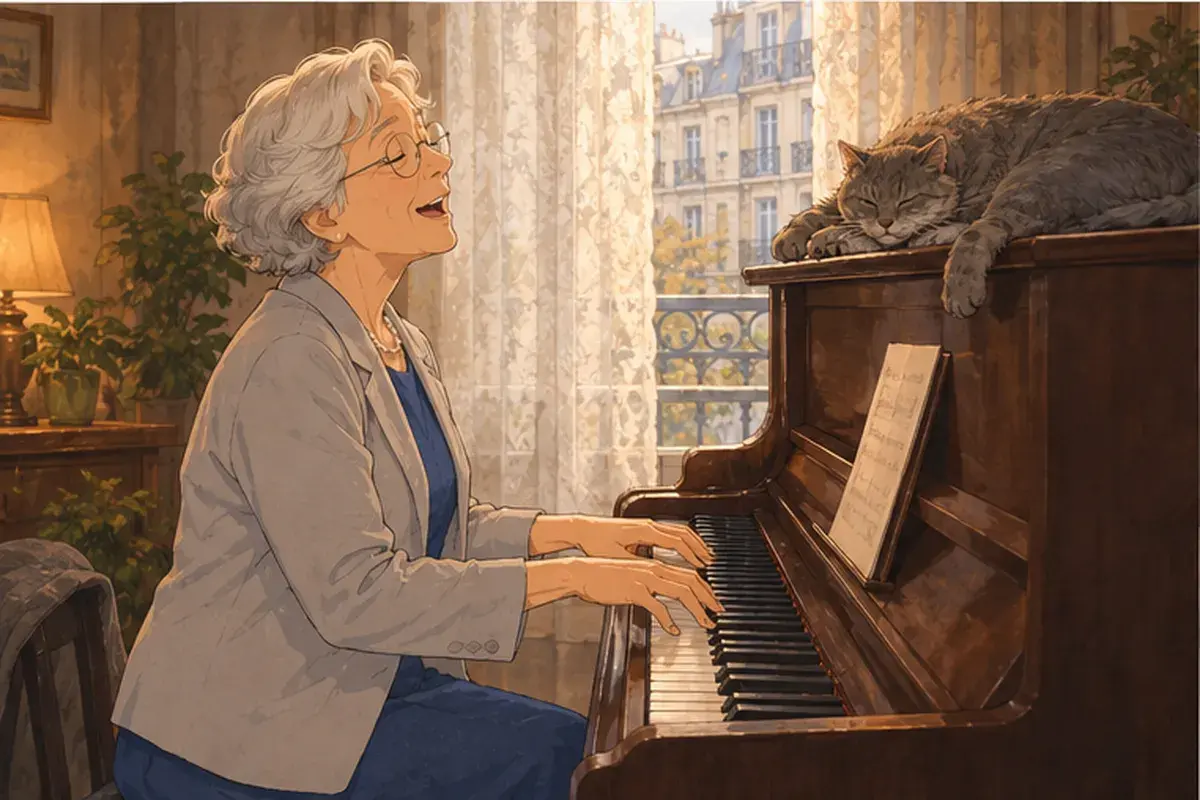
C'est son petit concert du dimanche. Le chat dort sur le piano : un piano, c'est un lit chaud.
It's her little Sunday concert. The cat sleeps on the piano: a piano is a warm bed.
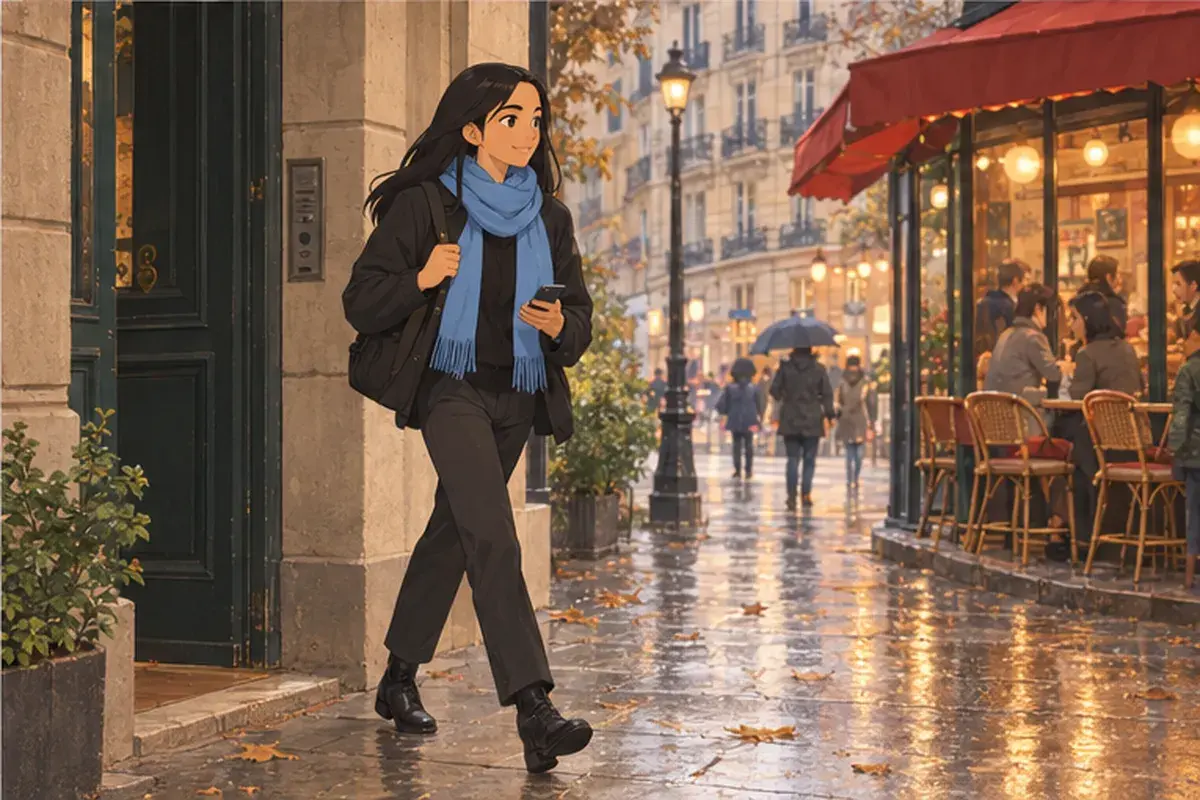
L'après-midi, Inès sort. Elle voit le match de son équipe chez Momo.
In the afternoon, Inès goes out. She sees her team's game at Momo's.
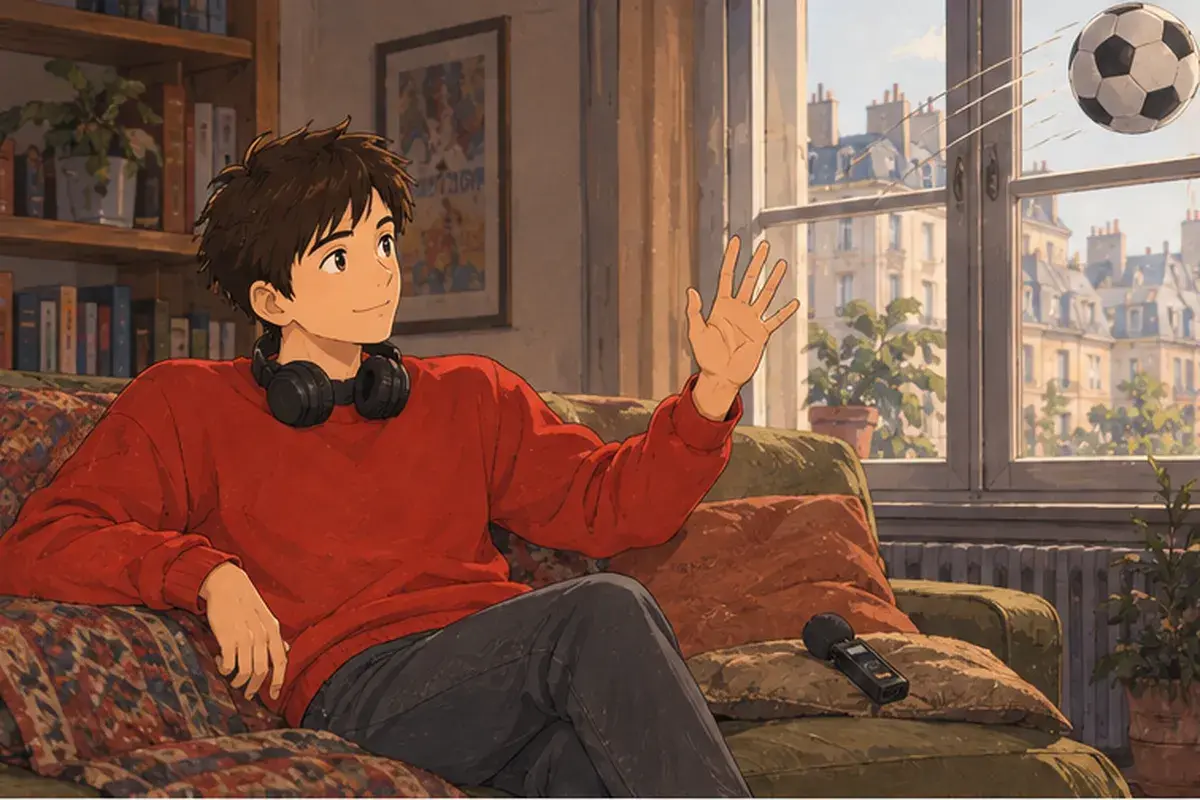
Moi, je ne joue jamais au foot. J'aime écouter le match.
Me, I never play soccer. I like listening to the game.
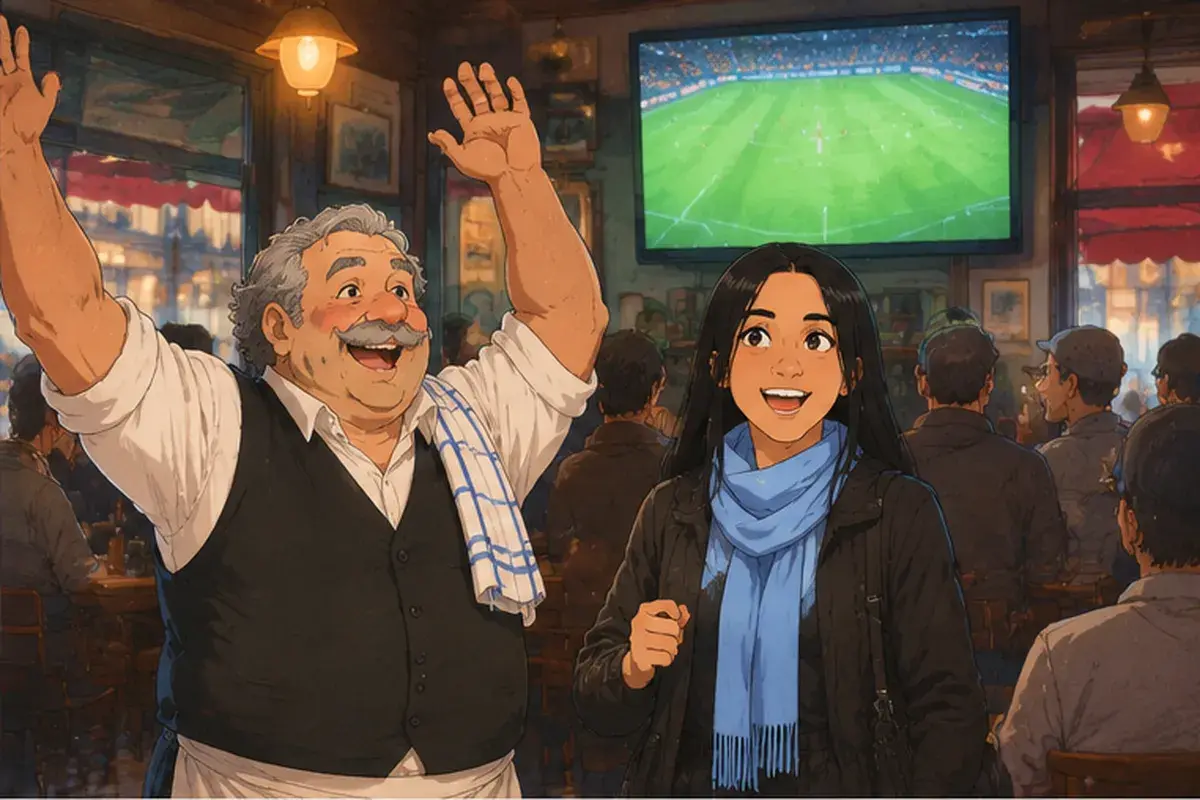
Chez Momo, tout le monde chante devant la télé. C'est génial pour mon micro.
At Momo's, everyone sings in front of the TV. It's great for my mic.
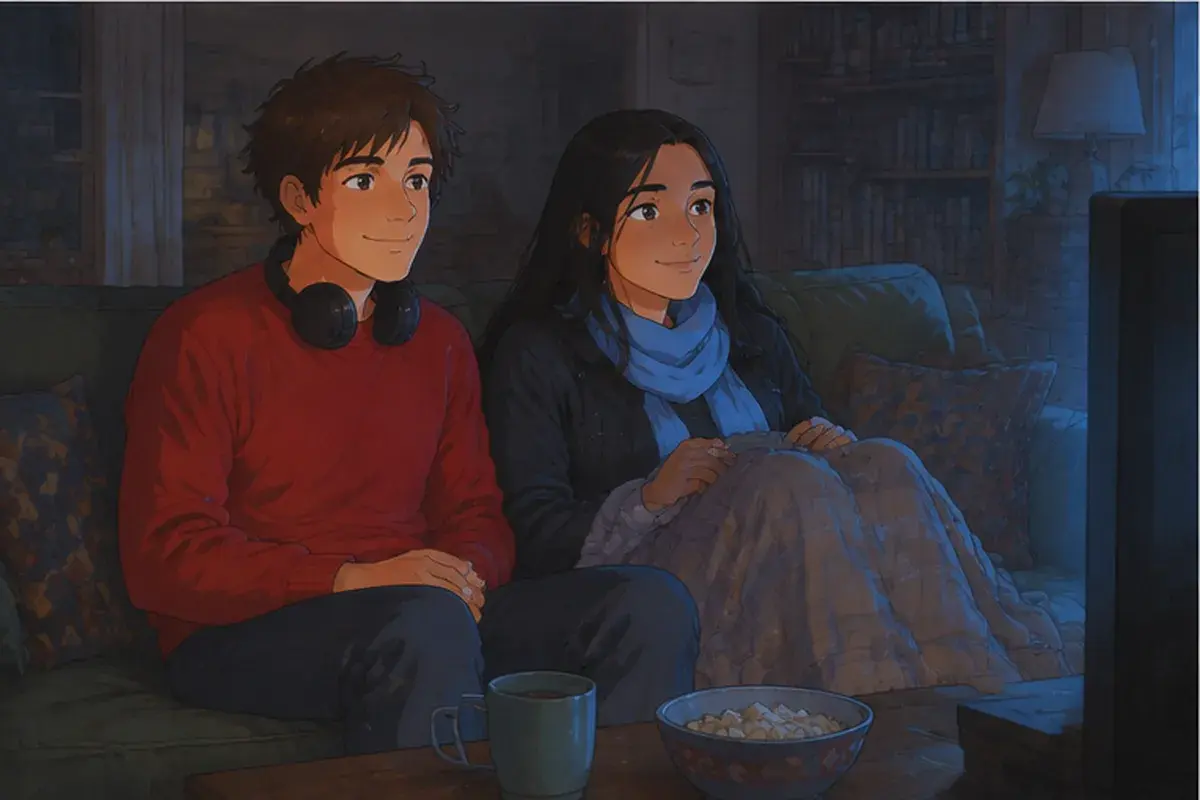
Le soir, on regarde souvent une série. Mais parfois, il y a une fête chez des amis d'Inès.
In the evening, we often watch a TV show. But sometimes there's a party at some friends of Inès's.
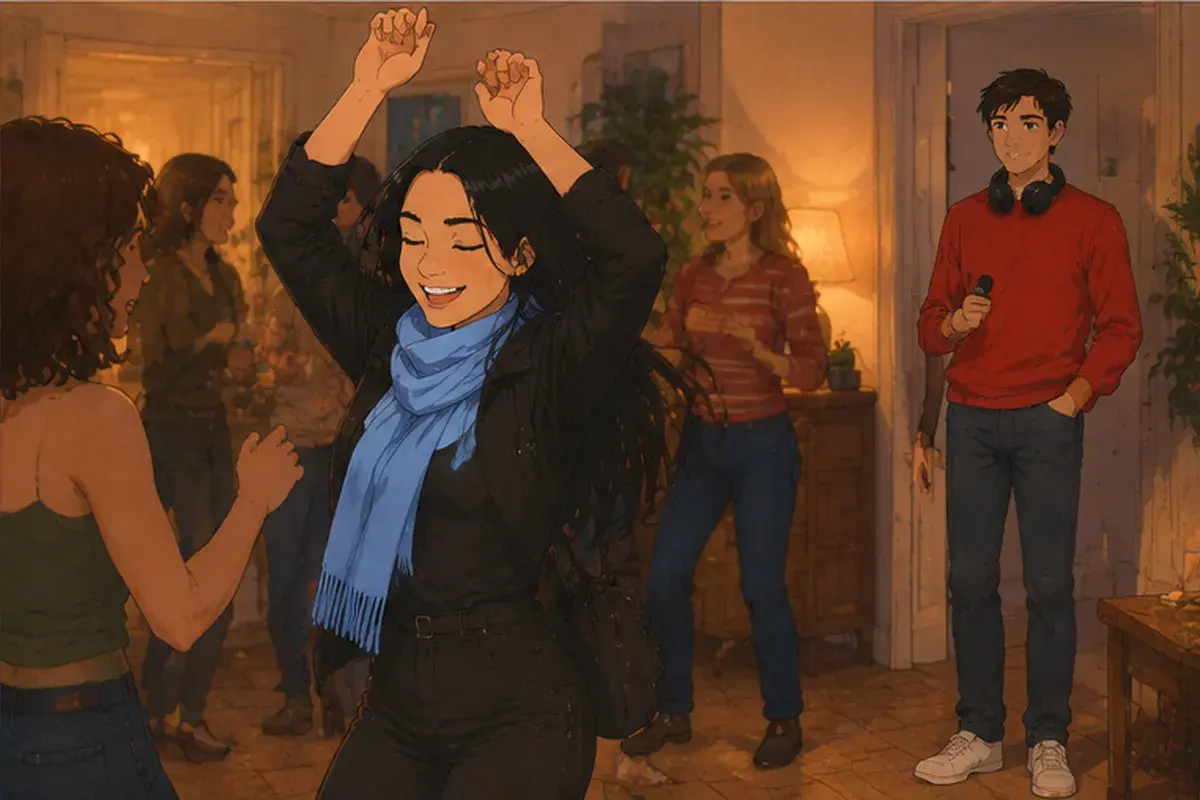
Inès danse, et moi, je n'aime pas danser. Alors je reste dans un coin avec mon micro.
Inès dances, and me, I don't like dancing. So I stay in a corner with my mic.
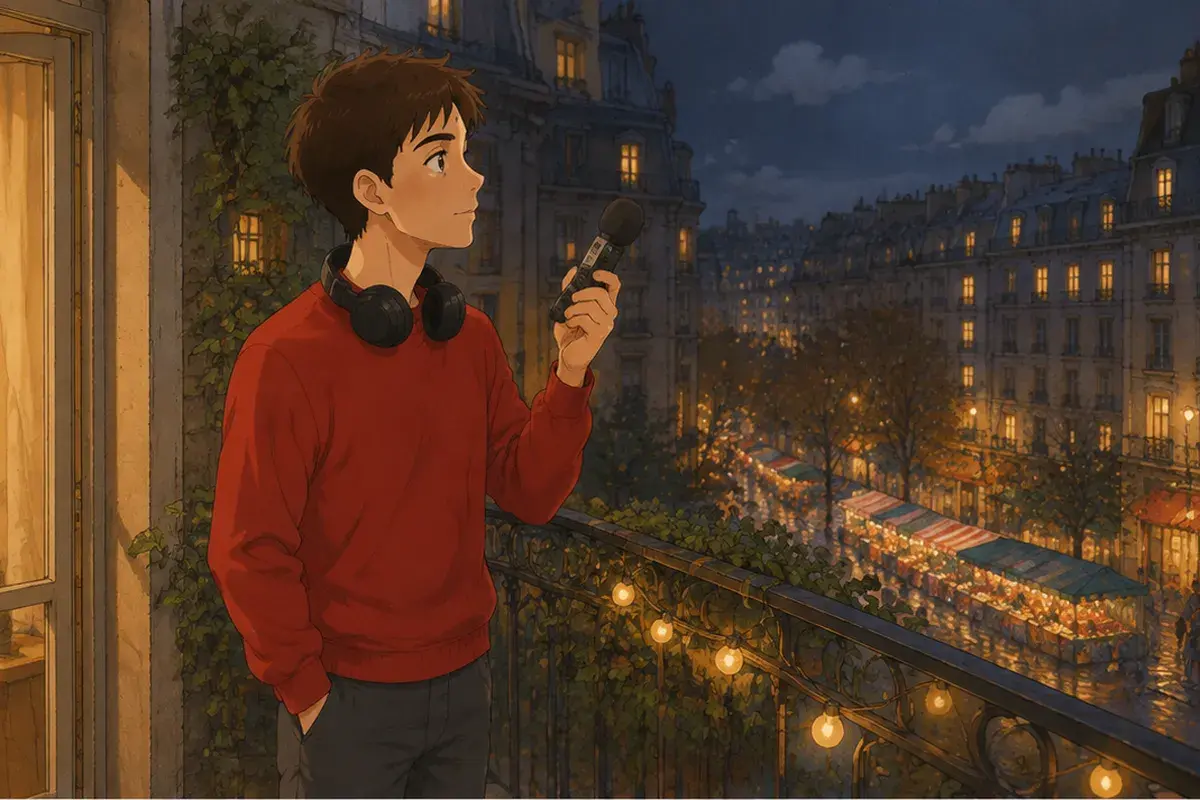
Le dimanche est intéressant pour un micro : il y a de la musique partout.
Sundays are interesting for a mic: there's music everywhere.
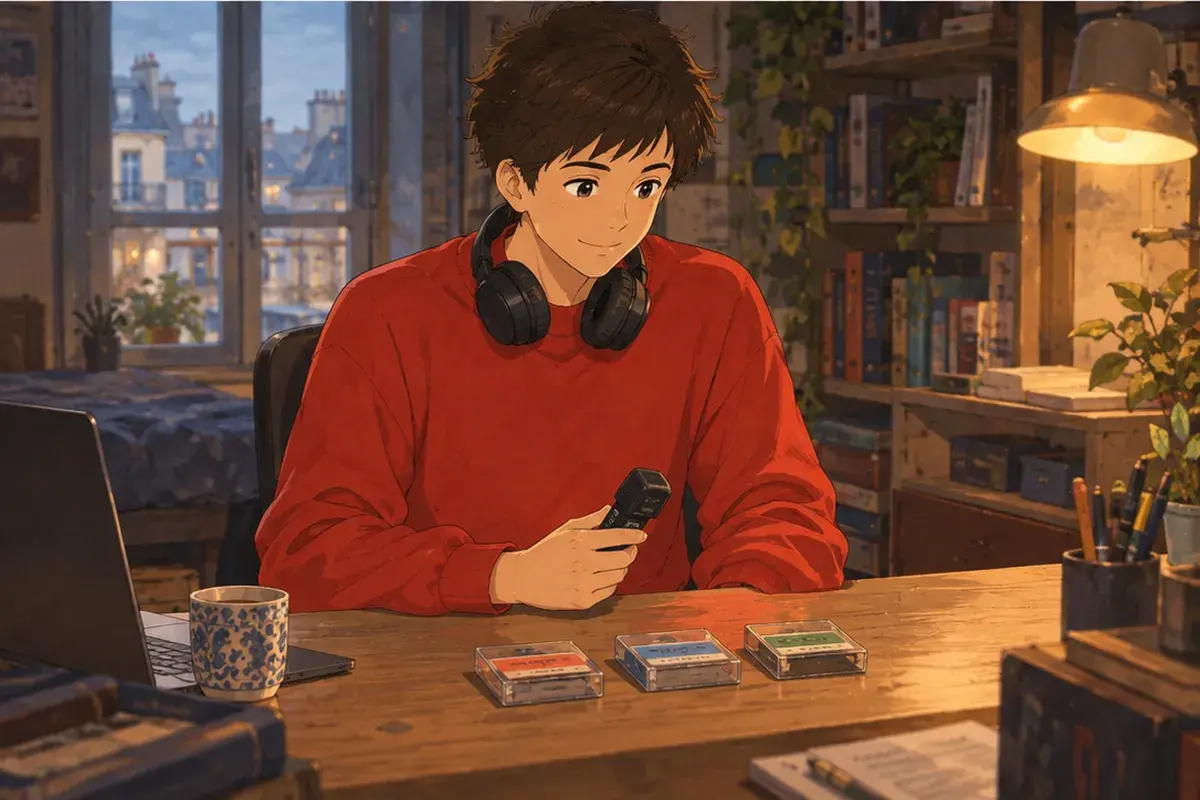
Mon sport à moi, c'est écouter. J'enregistre le marché, le piano et le match !
My own sport is listening. I record the market, the piano and the game!
Grammar for this text
- Il ne court jamais: court is the il form of courir (to run). The words court (short) and cours (a class) sound the same, but here it's the verb. ne… jamais — never.
- Il fait du vélo: faire du + an activity: faire du vélo (to go biking), faire du sport (to play sports). fait is the il form of faire.
- Je me promène: se promener — to walk around, to go for a walk. It's a reflexive verb: me means "myself" here, but English doesn't need it. The form promène has an è.
- Madame Morel joue du piano: an instrument comes after jouer de: de + le = du. A game comes after jouer à: je ne joue jamais au foot (au = à + le).
- Elle voit le match de son équipe: voit is the il / elle form of voir; for a game it means "to watch". son means "her" here: équipe is feminine, but it starts with a vowel, so it's son, not sa. Word order: the thing + de + the owner: le match de son équipe — her team's game.
- J'aime écouter: after aimer comes the infinitive. Je n'aime pas danser: ne… pas goes only around aimer.
- Mon sport à moi, c'est écouter: à moi adds emphasis: "my very own". After c'est you can put a verb: "it's listening".
Words and grammar of the unit: Invite a friend to the movies.
Learn the words from the texts with flashcards
In the app, you can tap any word in a text to see its translation, forms and examples, and new words stick with flashcards. 15 minutes a day.
Start for freeEverything is open for free. No card needed to sign up.