

Chinese dialogue with translation · B1 · 13 lines
不管是谁弄坏的 No matter who broke it
Comic · 13 panels
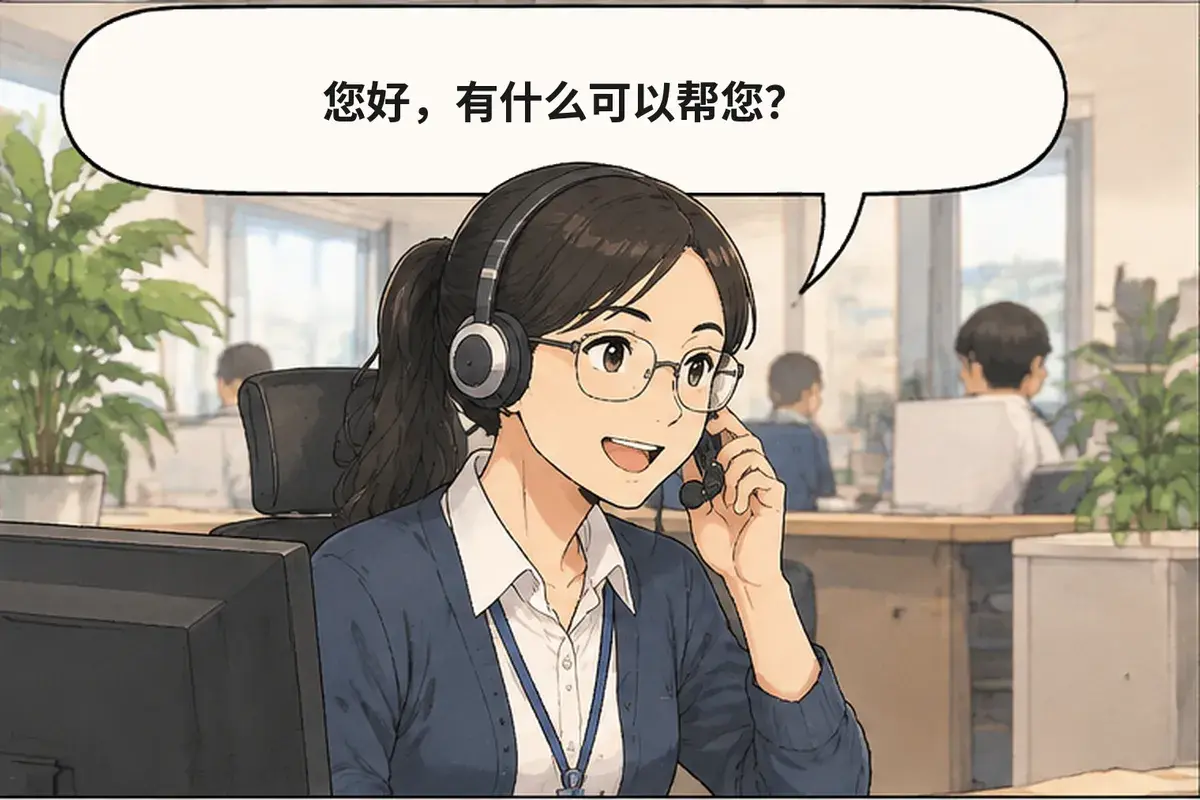
- 工作人员
您好,有什么可以帮您?
Hello, how can I help you? (polite)
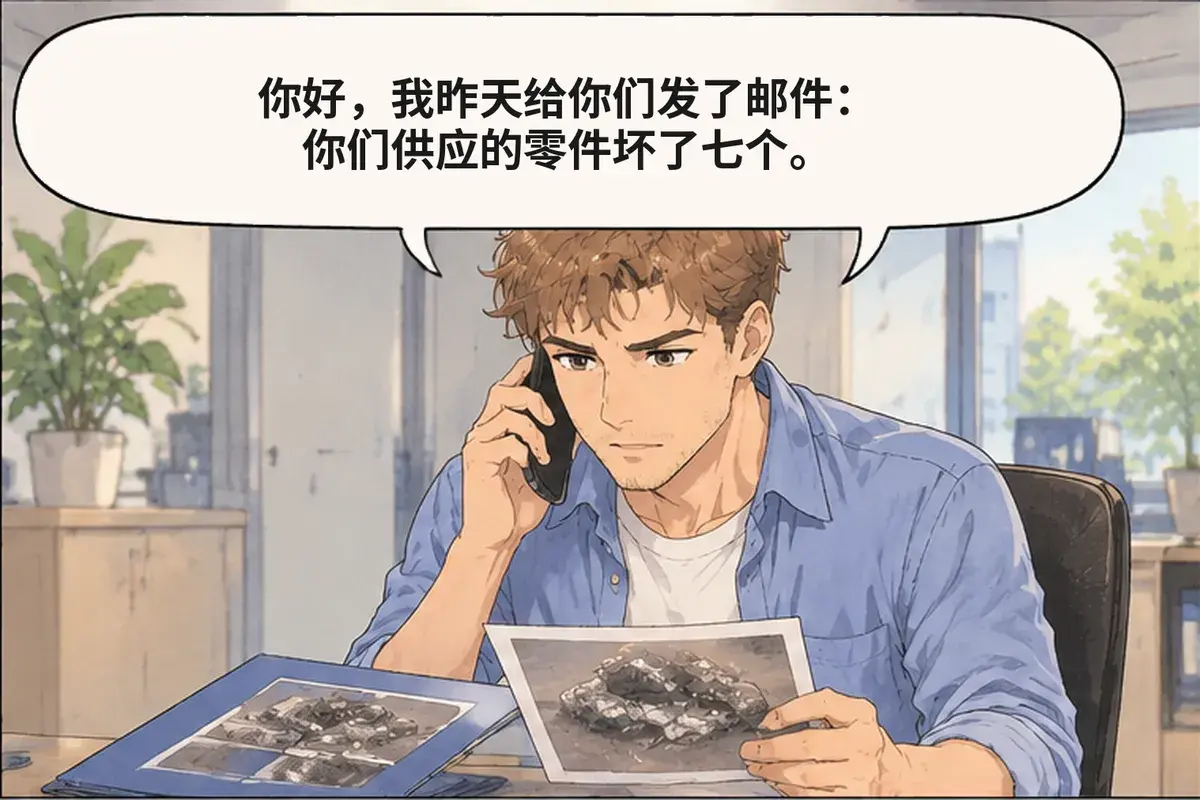
- 伊利亚
你好,我昨天给你们发了邮件:你们供应的零件坏了七个。
Hi, I sent you an email yesterday: seven of the parts you supplied are broken. (to several people)
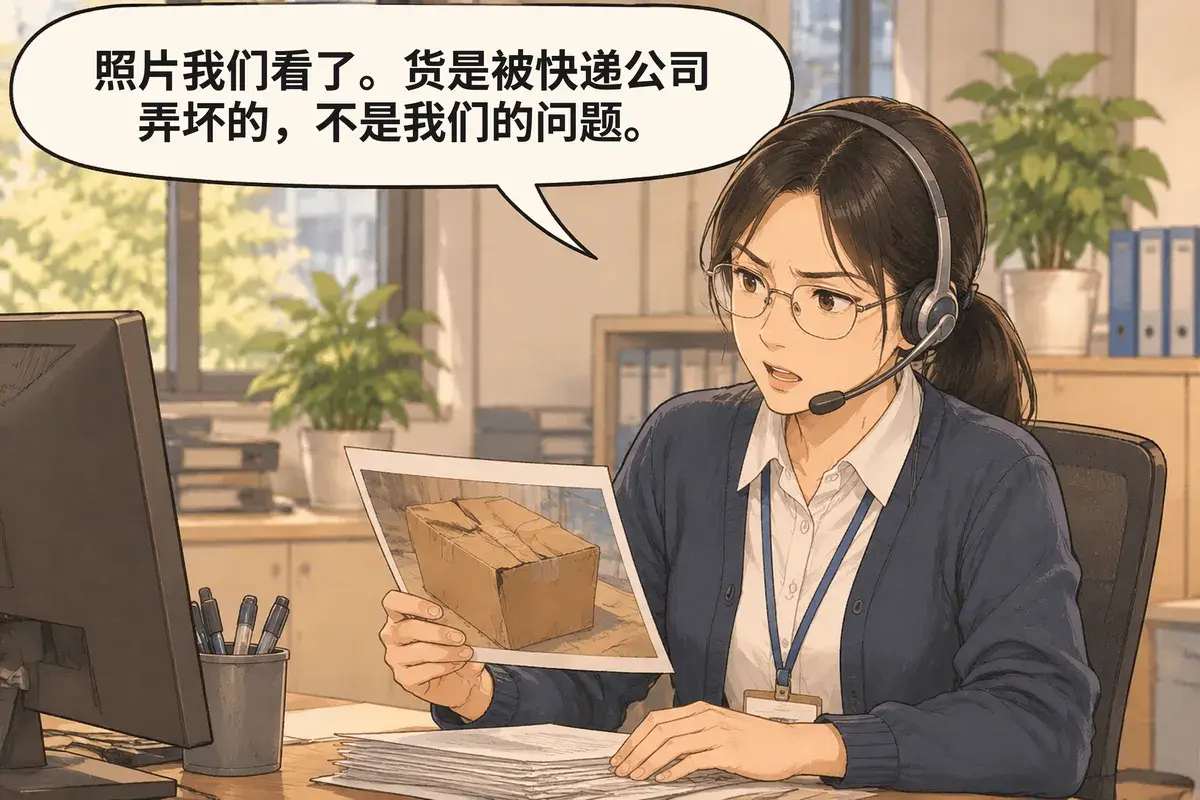
- 工作人员
照片我们看了。货是被快递公司弄坏的,不是我们的问题。
We've seen the photos. The goods were damaged by the courier company. It's not our problem.
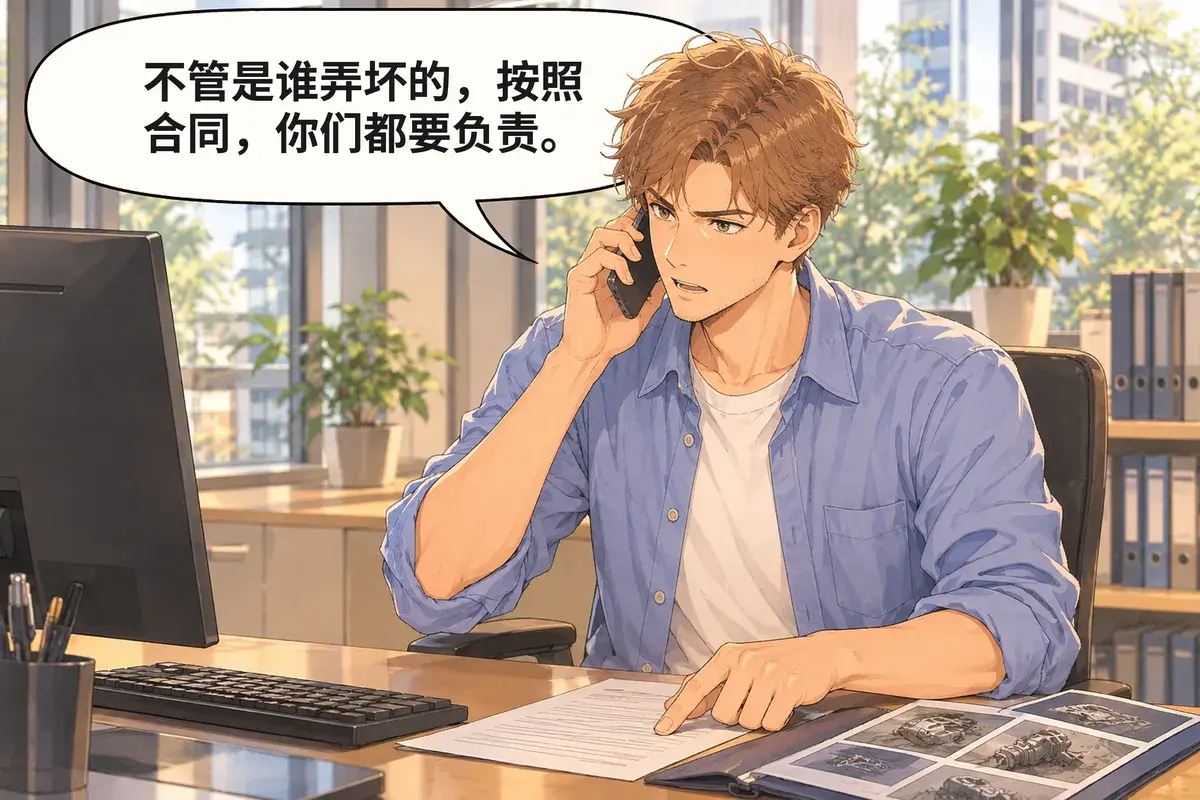
- 伊利亚
不管是谁弄坏的,按照合同,你们都要负责。
No matter who broke it, under the contract you're all responsible.
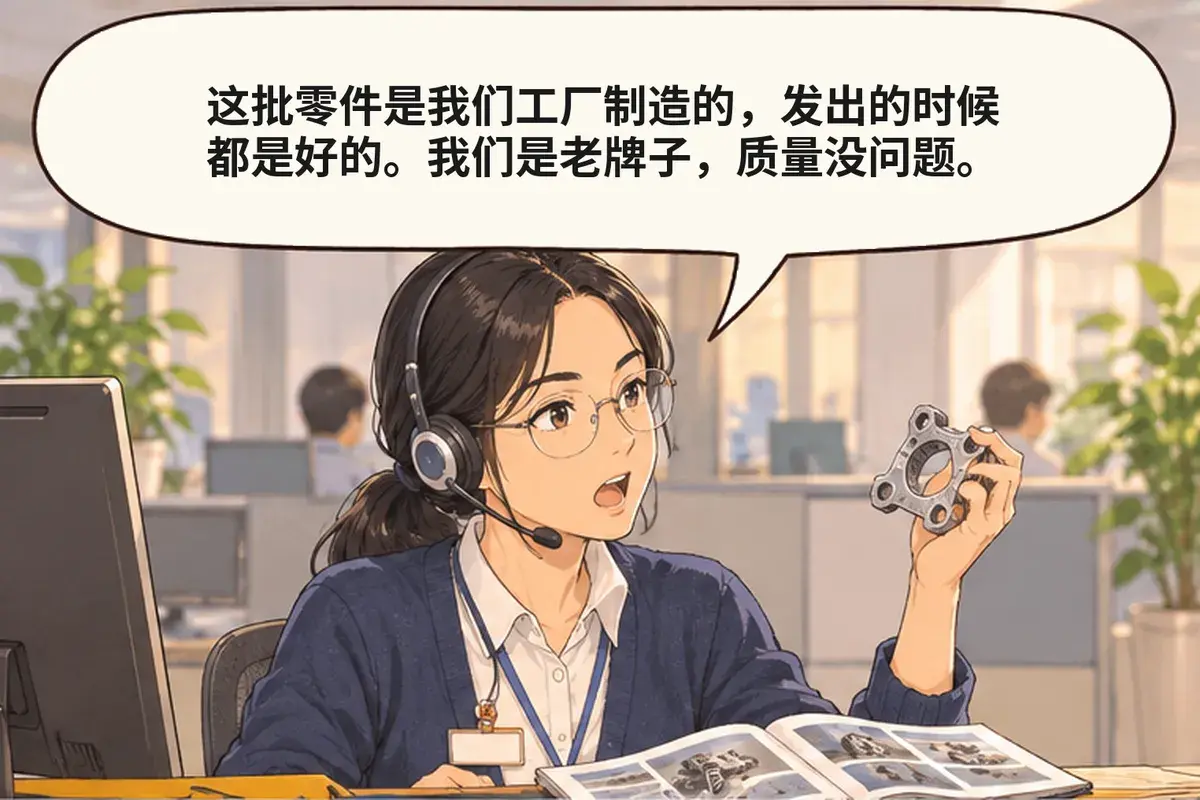
- 工作人员
这批零件是我们工厂制造的,发出的时候都是好的。我们是老牌子,质量没问题。
These parts were made at our factory, and they were all fine when they were shipped. We're an old brand, and there's nothing wrong with our quality.
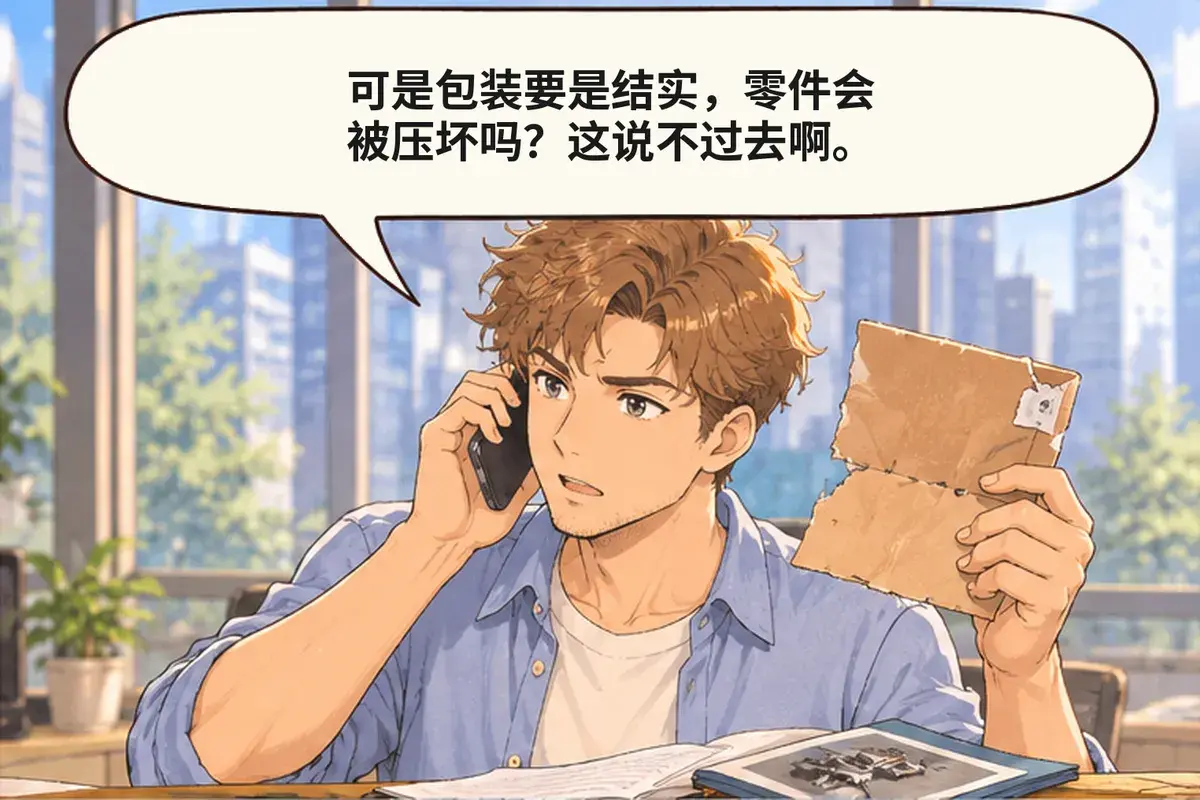
- 伊利亚
可是包装要是结实,零件会被压坏吗?这说不过去啊。
But if the packaging is sturdy, would the parts get crushed? That doesn't add up.
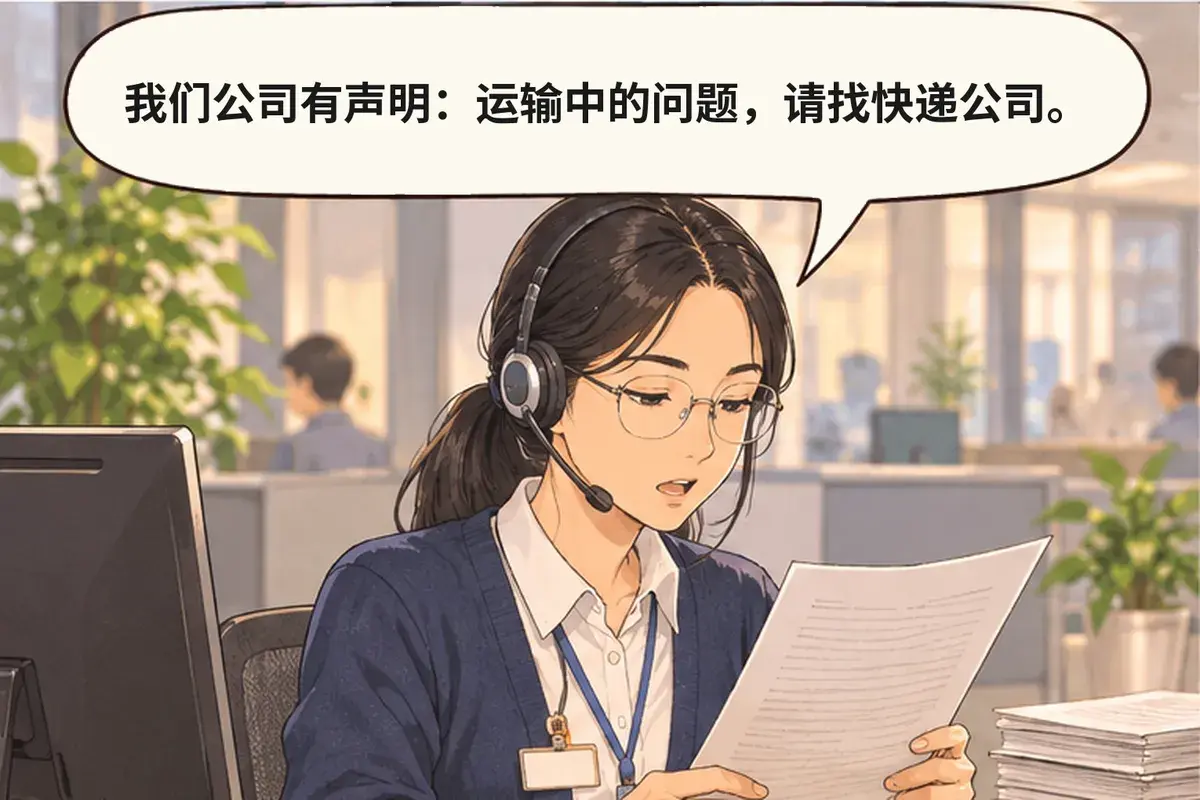
- 工作人员
我们公司有声明:运输中的问题,请找快递公司。
Our company has a statement: for problems in transit, please go to the courier company.
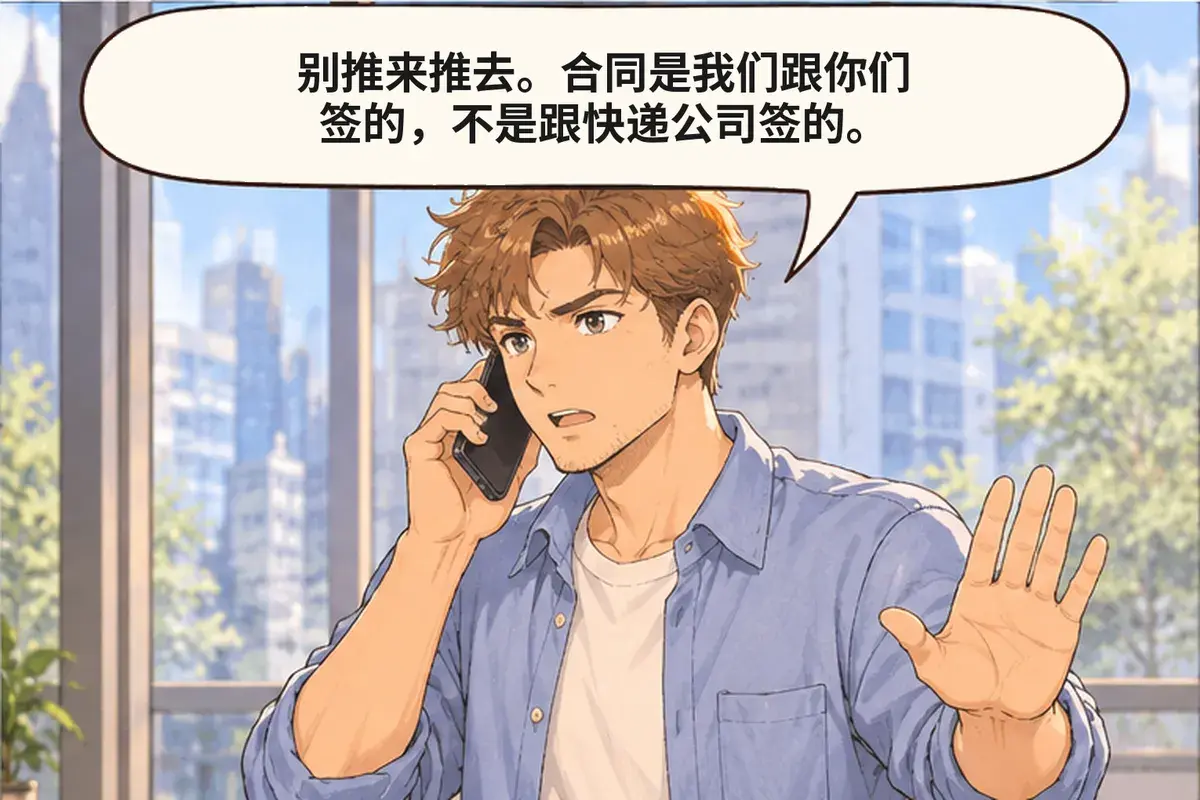
- 伊利亚
别推来推去。合同是我们跟你们签的,不是跟快递公司签的。
Stop passing the buck. We signed the contract with you, not with the courier company. (to several people)
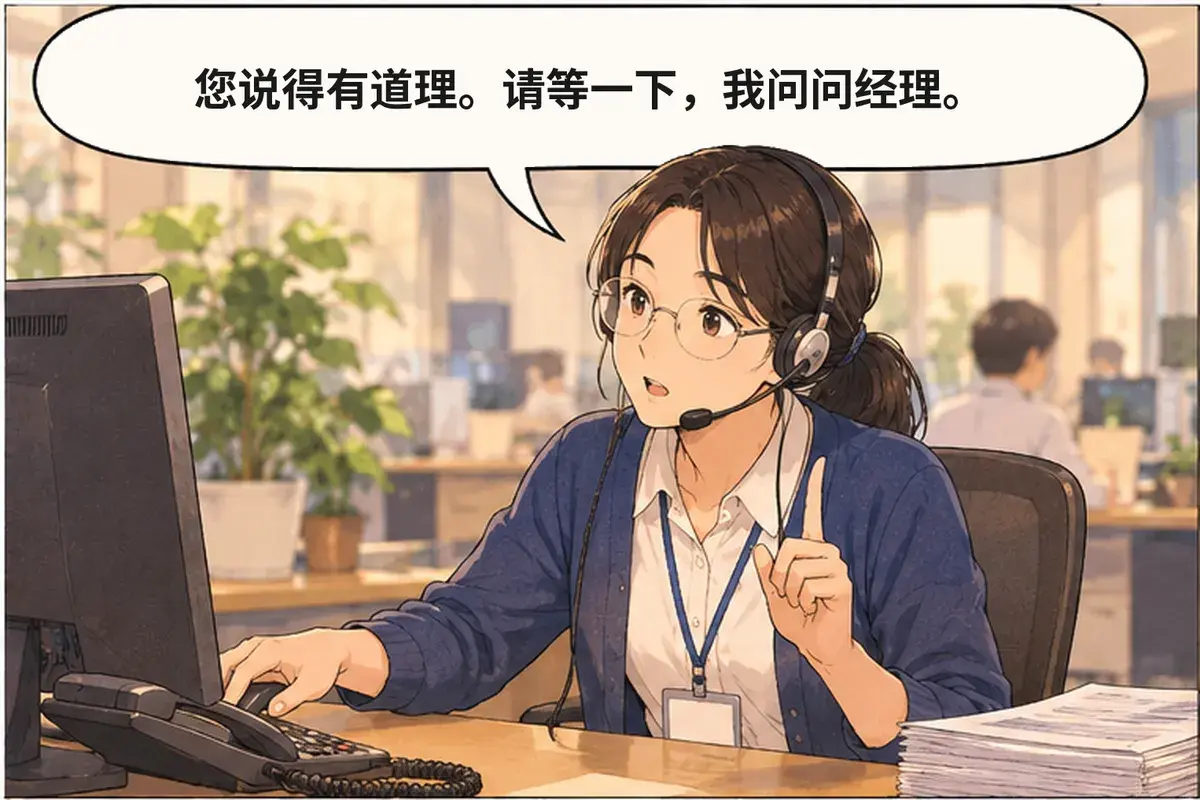
- 工作人员
您说得有道理。请等一下,我问问经理。
You have a point. (polite) Please wait a moment, I'll ask the manager.
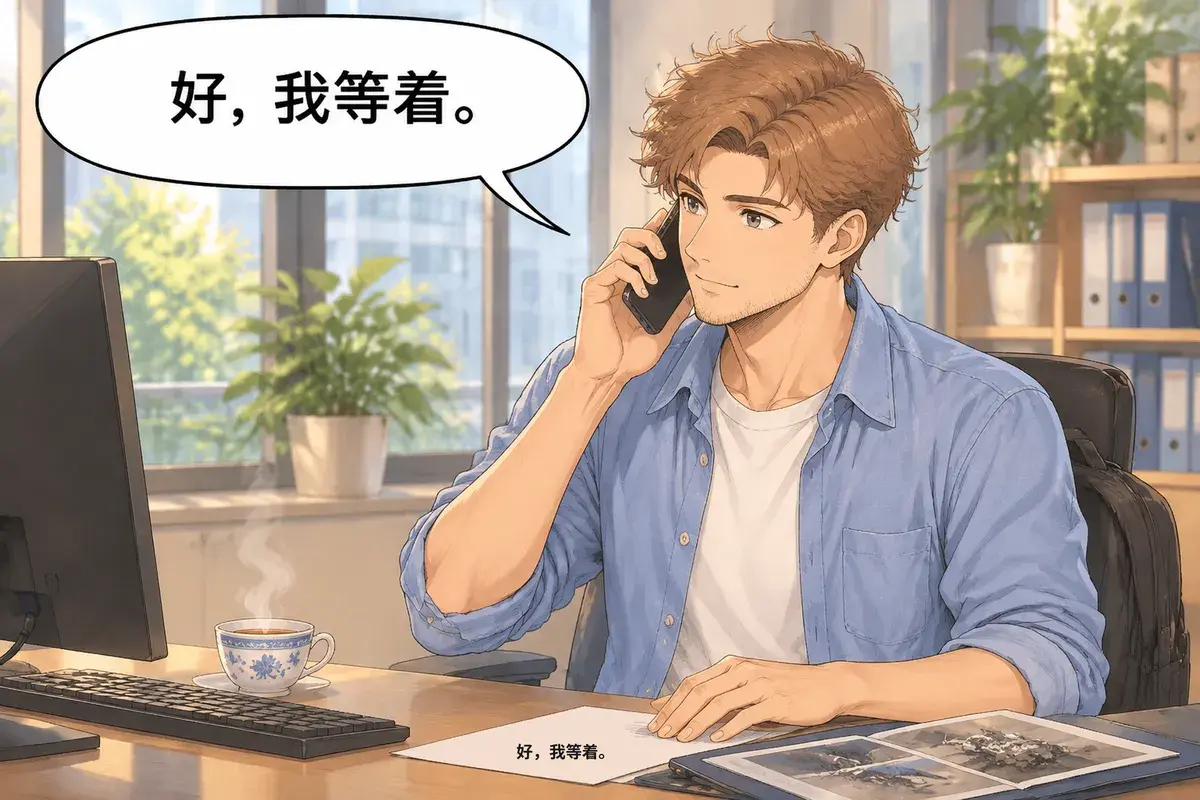
- 伊利亚
好,我等着。
OK, I'll wait.
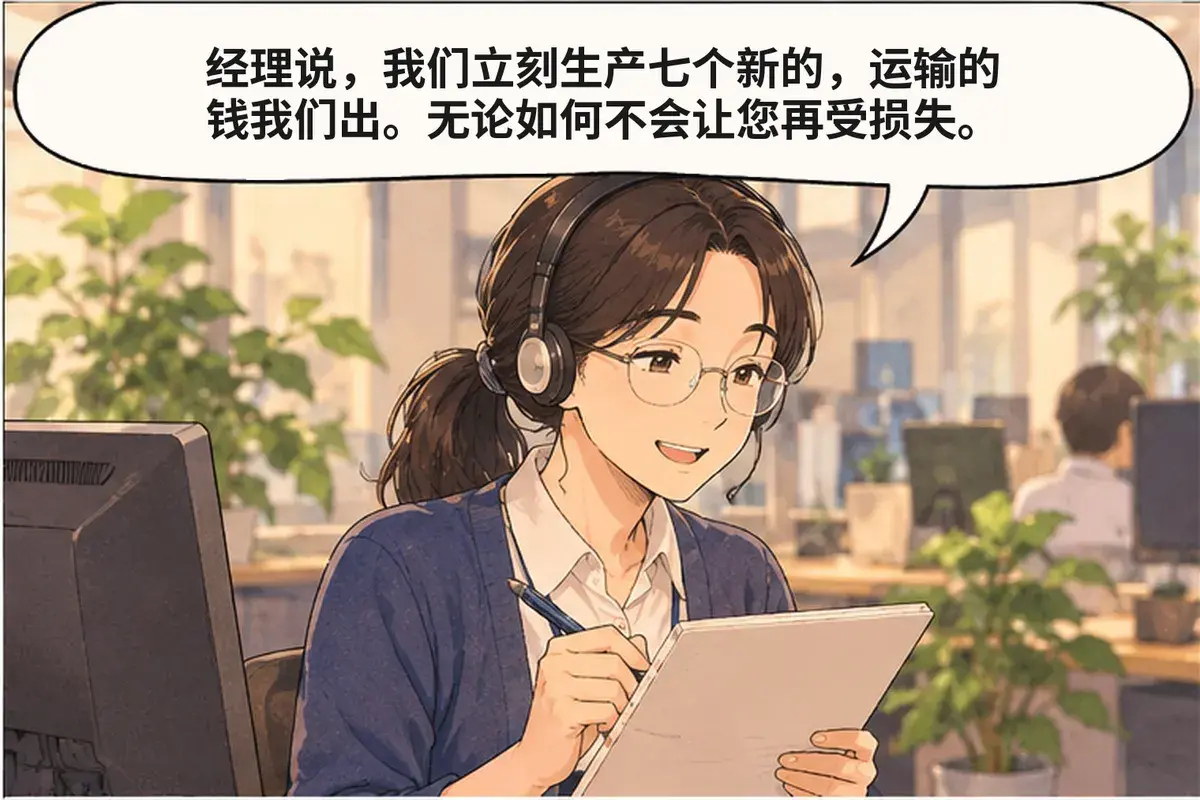
- 工作人员
经理说,我们立刻生产七个新的,运输的钱我们出。无论如何不会让您再受损失。
The manager says we'll produce seven new ones right away, and we'll pay for the shipping. We won't let you take another loss under any circumstances. (polite)
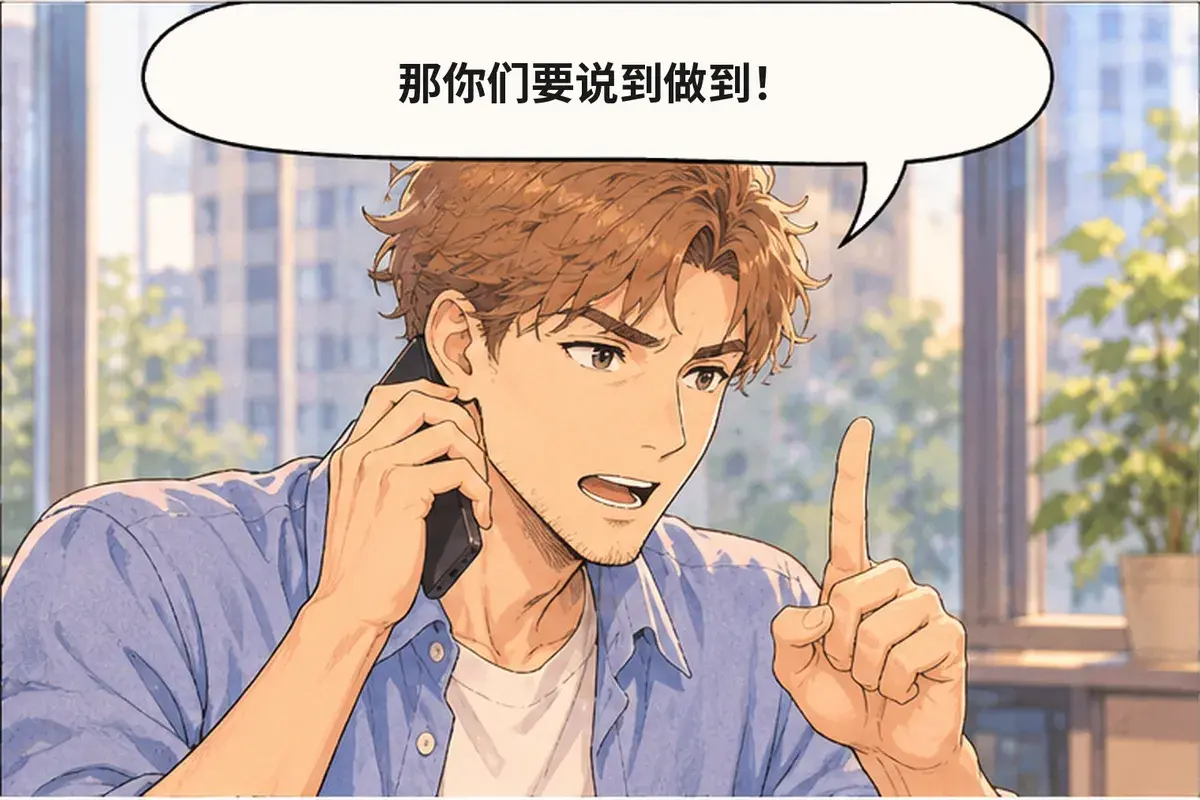
- 伊利亚
那你们要说到做到!
Then you'd better keep your word! (to several people)

- 周经理
这次谈判,你没被他们说服,很好!以后跟他们的交易都交给你。
In this negotiation, they didn't persuade you. Very good! From now on, all deals with them go to you.
Grammar for this text
- 货 是 被 快递 公司 弄坏 的, —
是 … 的points at who did it, and被introduces that doer: "it was the courier company that damaged the goods." Here the doer matters, because the blame is being passed on.弄坏(nònghuài) means "to break, to ruin" and is colloquial. - 零件 会 被 压坏 吗? —
会goes before被, just like the negatives (没 被,不 会 被). It's a rhetorical question: "would the parts really get crushed?" - 不 会 让 您 再 受 损失。 — here
让is not a passive but "let, allow": "we won't let you take another loss." How to tell: in a passive, the thing that was affected comes first (箱子 叫 雨 淋湿 了); here the one who allows comes first ("we" is understood).受(shòu) means "to suffer, to take". - 你 没 被 他们 说服, — the negative goes before
被: "they didn't talk you around." From Manager Zhou this is praise. - 不管 是 谁 弄坏 的, —
不管(unit 13) means "no matter who". - 别 推来推去。 — "stop passing the buck": literally "push back and forth".
- 这 说不过去 啊。 — "that doesn't add up, it's not an explanation": literally "saying it won't pass".
- 那 你们 要 说到做到! — "keep your word": do what you said you would do.
Words and grammar of the unit: Make a complaint about damaged goods.
Learn the words from the texts with flashcards
In the app, you can tap any word in a text to see its translation, forms and examples, and new words stick with flashcards. 15 minutes a day.
Start for freeEverything is open for free. No card needed to sign up.