
Serbian story with translation · B1 · 18 lines
Немам право гласа, али имам примедбе I have no right to vote, but I have comments
Comic · 17 panels

Наслов чланка на локалном порталу је био јасан: радови у нашој улици почињу у понедељак.
The headline of the article on the local portal was clear: work on our street starts on Monday.

Кад сам прочитала вест до краја, одмах сам је послала Бранку.
When I finished reading the news, I sent it to Branko right away (woman speaking).
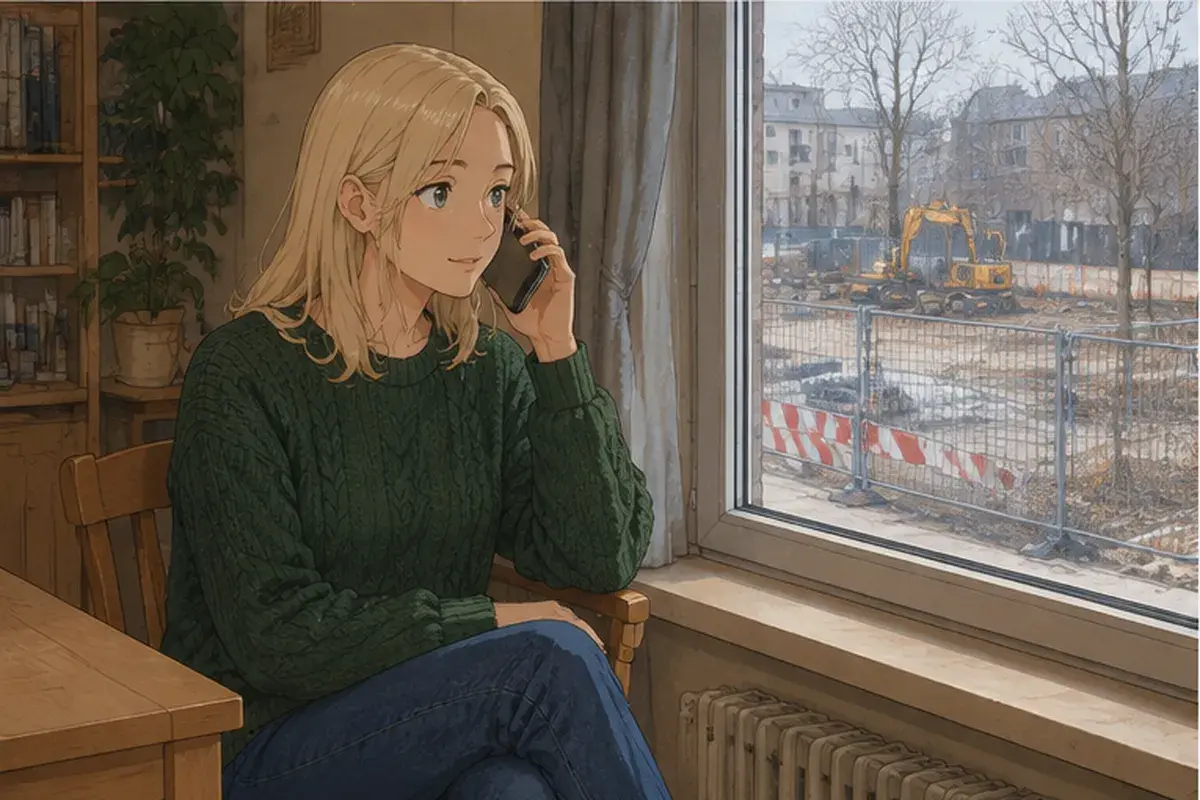
Радови су већ почели, а у уторак ме је Бранко позвао. Замолио ме је да у четвртак уместо њега одем на састанак станара.
The work has already started, and on Tuesday Branko called me. He asked me to go to the tenants' meeting on Thursday in his place.
„Ано, ја не могу да дођем, а хтео бих да неко из стана чује шта станари кажу“, рекао је.
"Ana, I can't come, but I'd like someone from the apartment to hear what the tenants say," he said.
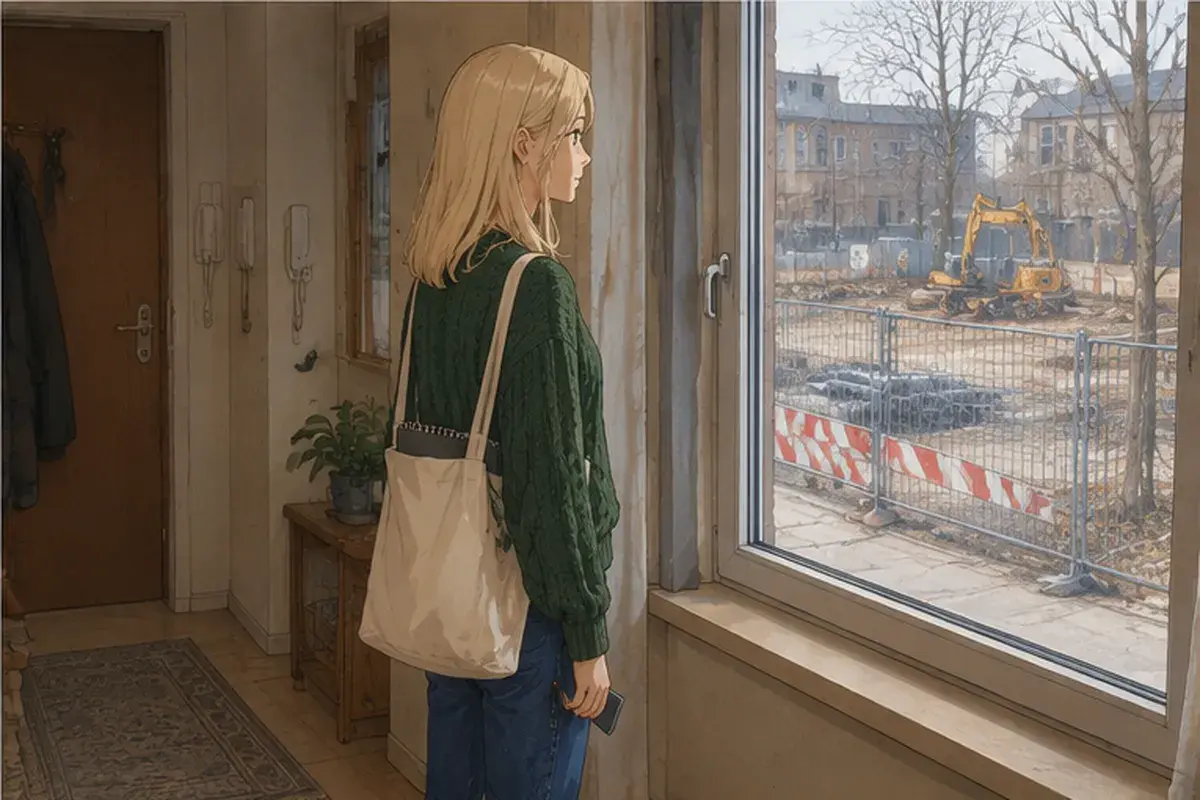
„Ви ту живите сваки дан, па најбоље знате шта недостаје у згради“. Пристала сам, иако нисам знала шта ме чека.
"You live here every day, so you know best what's missing in the building (formal)." I agreed, although I didn't know what was waiting for me (woman speaking).
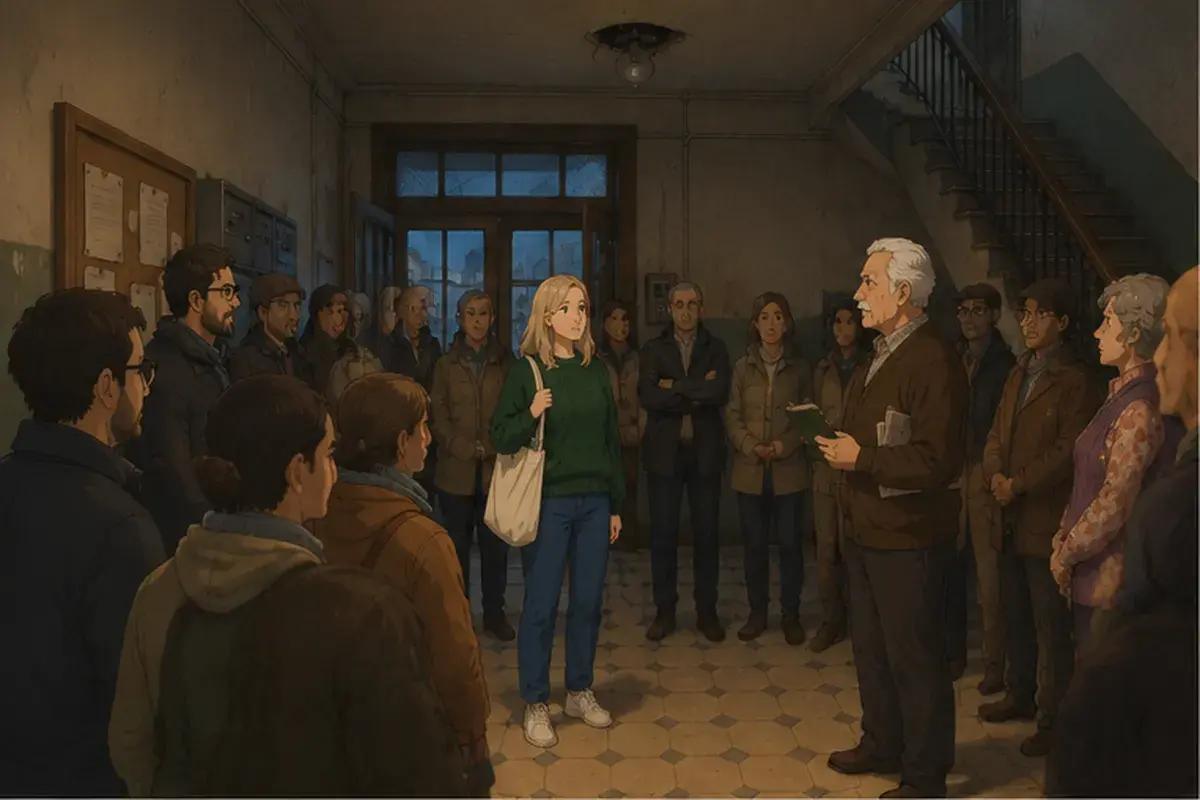
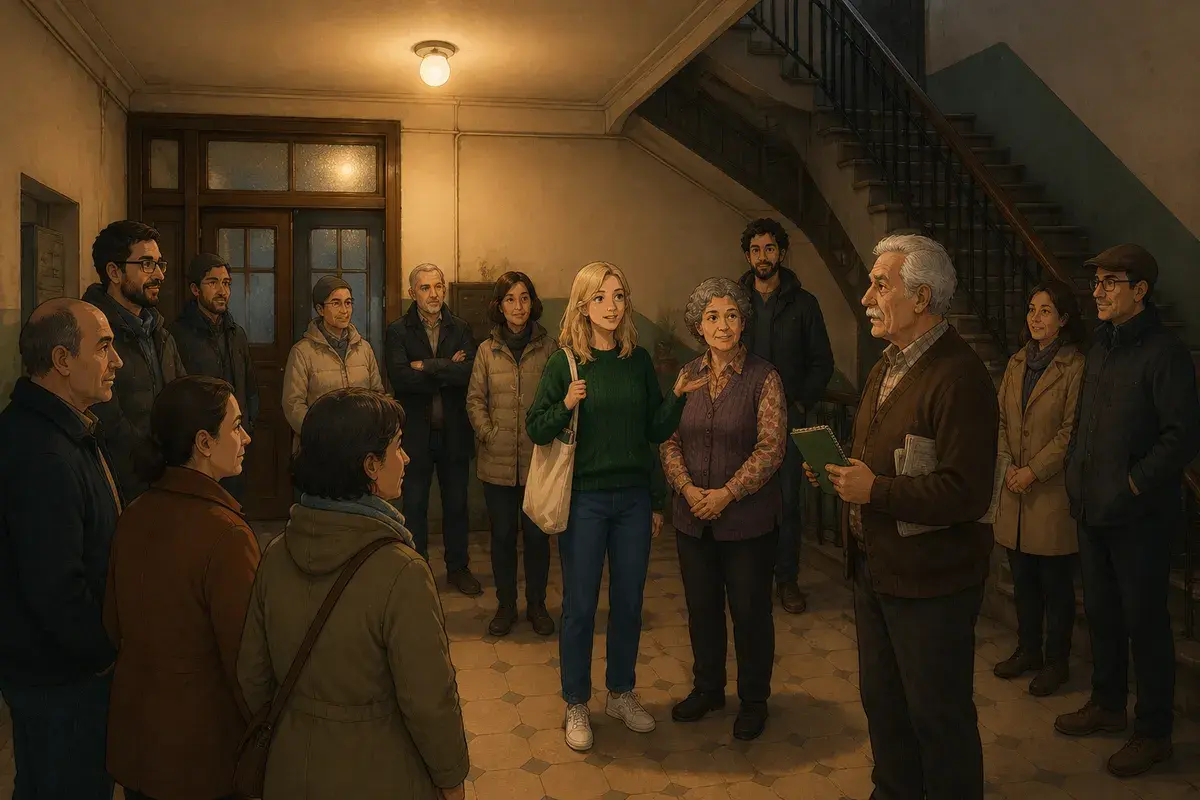
Састанак су одржали у улазу зграде, испод лампе која већ месец дана не ради.
The meeting was held in the entryway of the building, under a lamp that hasn't worked for a month.

Дошло је око 20 станара, а састанак је водио пензионер са другог спрата. Тај пензионер свако јутро чита новине, па увек зна шта је ново.
About 20 tenants came, and the meeting was led by the retiree from the third floor. That retiree reads the newspaper every morning, so he always knows what's new.
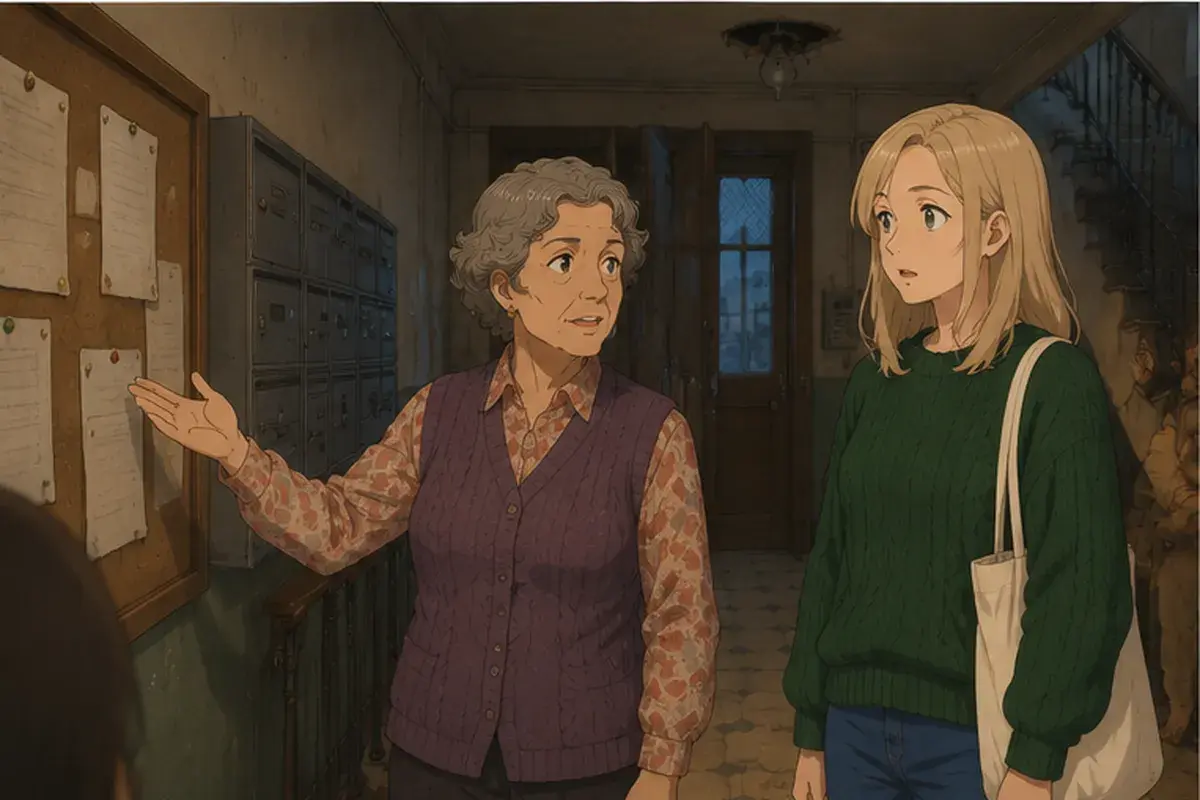
Комшиница са првог спрата ми је рекла да су радови најављени још прошле године. Али нико није обратио пажњу на најаву, јер је стајала само на огласној табли.
The neighbor from the second floor told me that the work was announced as far back as last year. But nobody paid attention to the announcement, because it was posted only on the bulletin board.

Прва тема је била стара фасада, јер је једна компанија послала понуду за нову.
The first topic was the old facade, because a company had sent an offer for a new one.
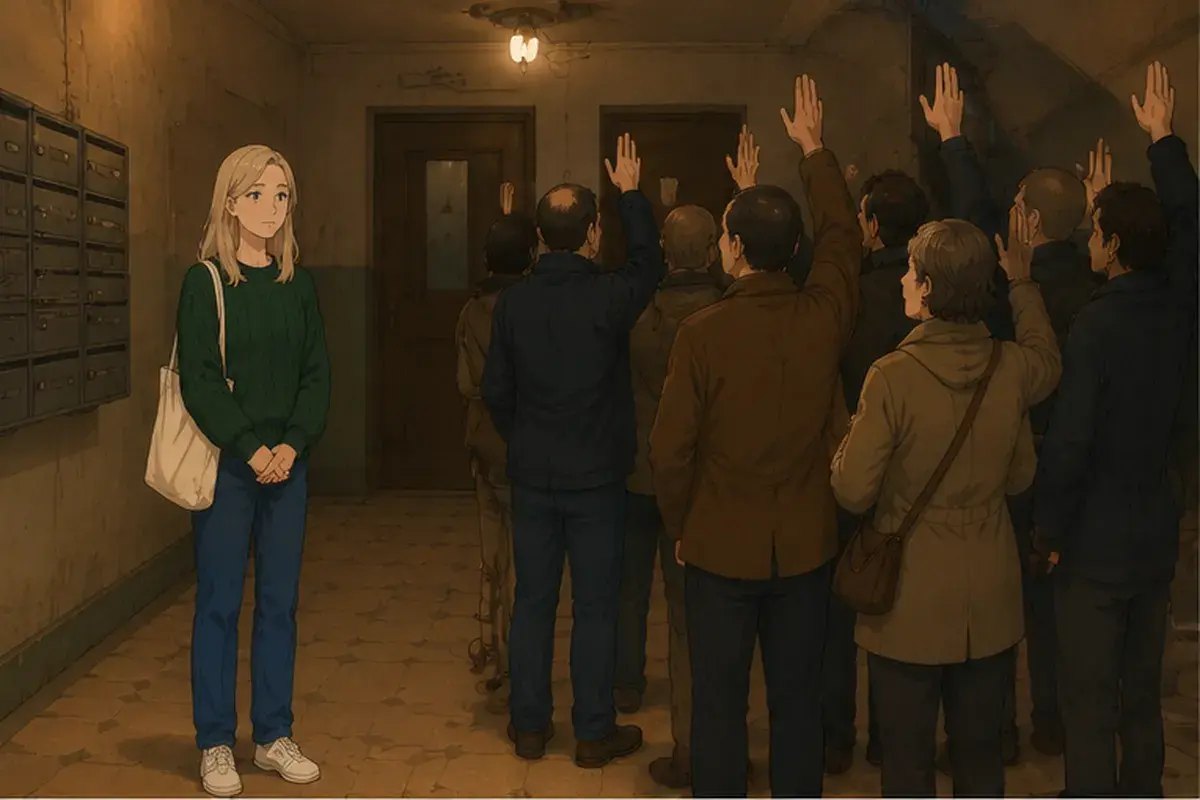
Гласати могу само власници, а ја немам право гласа, јер сам станарка.
Only the owners can vote, and I have no right to vote, because I'm a tenant (woman speaking).
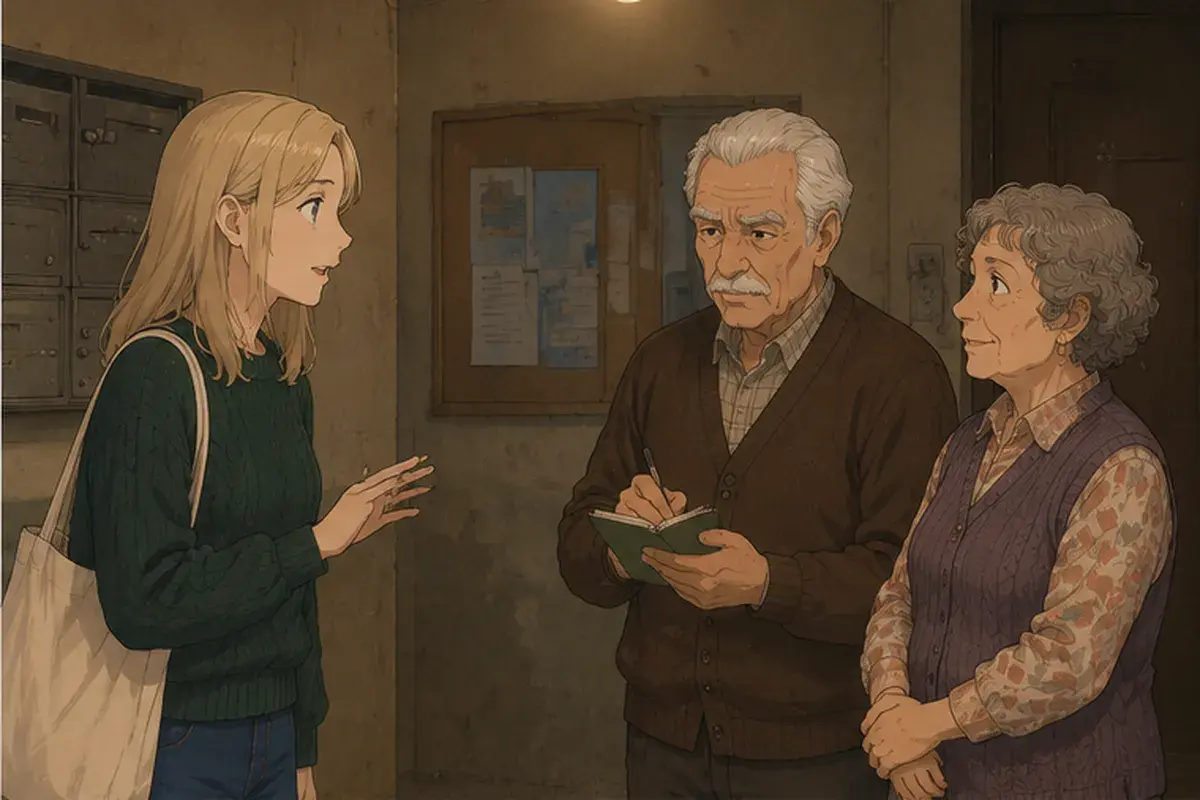
Кад су прешли на остала питања, јавила сам се за реч. Рекла сам да у улазу увече нема довољно светла и да интерфон једва чујем.
When they moved on to the other questions, I asked for the floor (woman speaking). I said that there isn't enough light in the entryway in the evening and that I can barely hear the intercom (woman speaking).
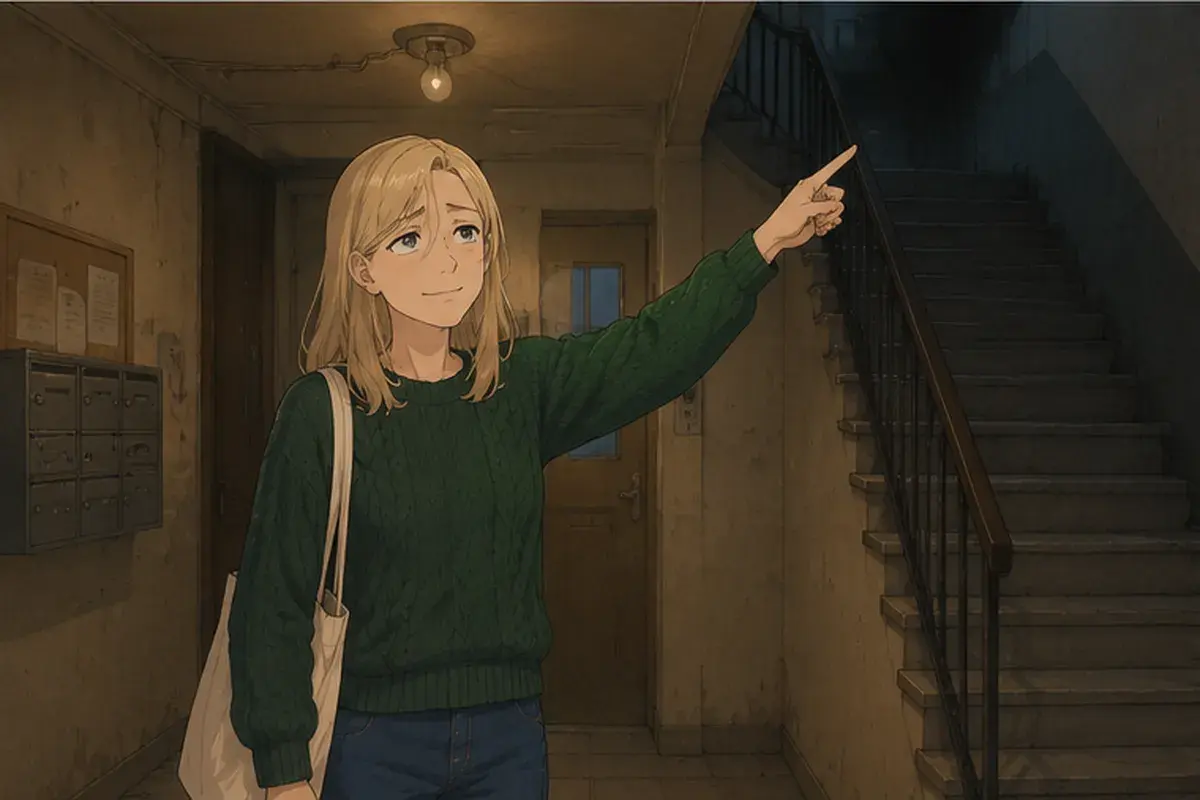
Расвета на степеништу ради само до другог спрата, а ја живим на трећем.
The lighting on the stairs works only up to the third floor, and I live on the fourth.

Пензионер је обећао да ће лампу поправити већ ове недеље.
The retiree promised that he'd fix the lamp as early as this week.
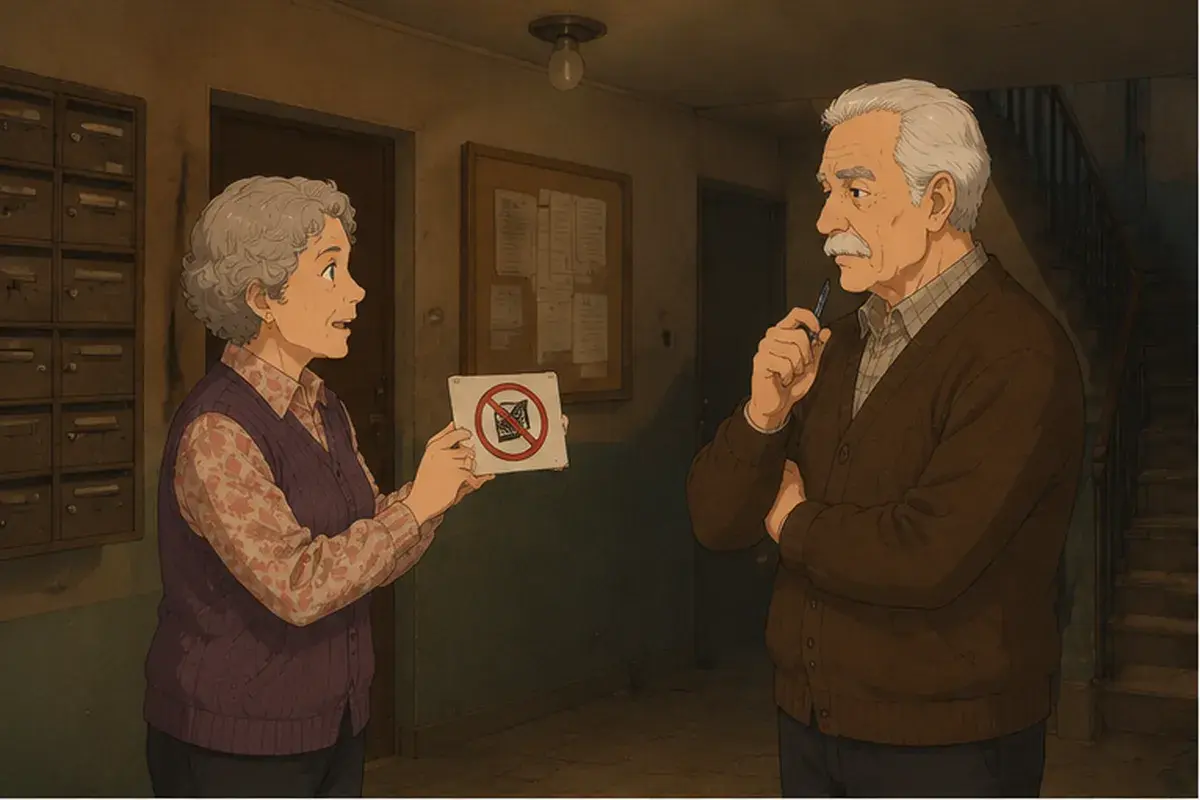
Једна комшиница је тражила да на врата улаза ставимо натпис „Без реклама“.
One neighbor asked that we put a "No ads" sign on the entrance door.
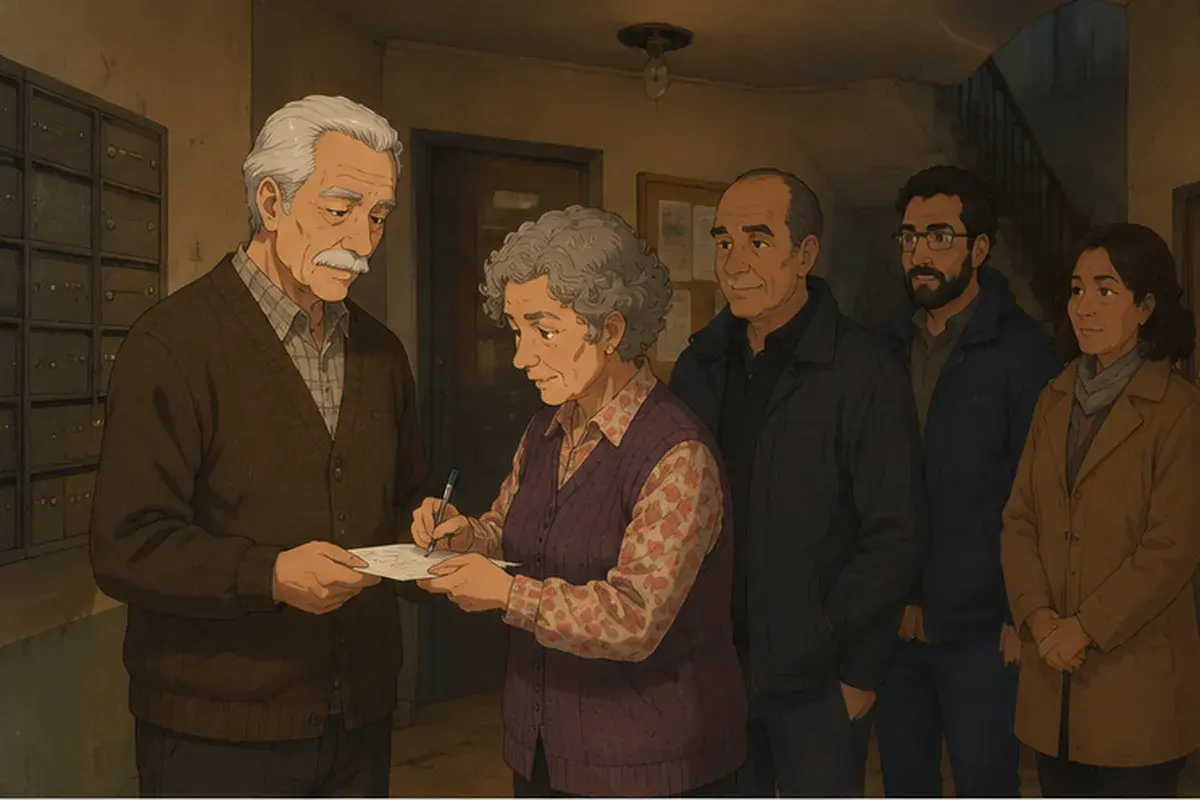
На крају је пензионер прикупио потписе за петицију да се испред зграде постави клупа.
In the end the retiree collected signatures for a petition to put a bench in front of the building.
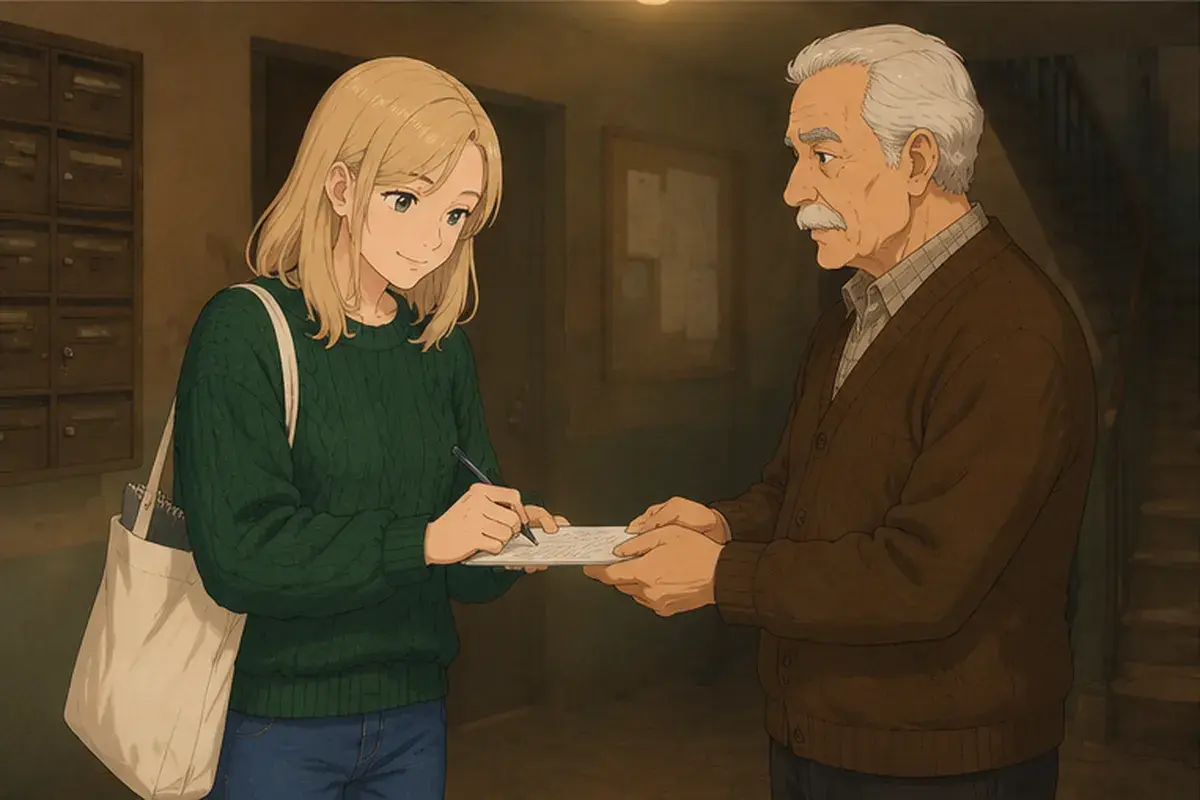
Да будем искрена, и ја сам потписала, јер после посла радо седим напољу, а у овој улици нема ниједне клупе.
To be honest, I signed too, because I like sitting outside after work, and there isn't a single bench on this street (woman speaking).

Следећег дана сам Бранку послала поруку о састанку. О фасади ће власници гласати тек на следећем састанку.
The next day I sent Branko a message about the meeting (woman speaking). The owners will vote on the facade only at the next meeting.

Одговорио ми је: „Хвала, Ано, а интерфон ћу проверити лично у суботу“. Тек на том састанку сам открила колико комшије знају о згради, а ја сам знала само свој спрат.
He answered me: "Thank you, Ana, and I'll check the intercom myself on Saturday." Only at that meeting did I find out how much the neighbors know about the building, while I knew only my own floor (woman speaking).
Grammar for this text
Кад сам прочитала вест до краја, одмах сам је послала Бранку— theкадpart comes first, so a comma follows it. The main part has its own clitics in its own second place, afterодмах:сам је. Hereсамis the past tense helper andјеmeans "it" (вестis feminine): "I sent it right away".Комшиница са првог спрата ми је рекла да су радови најављени још прошле године— the first group has four words, andми јеcomes after all of it (see the block above).су најављениmeans "were announced" (passive participle, unit 8). There is no comma beforeда.Замолио ме је да у четвртак уместо њега одем на састанак станара—замолитиmeans "to ask (someone to do something)".уместо његаmeans "instead of him" (уместо+ genitive, unit 4).одемmeans "(that) I go": afterдаcomes a perfective verb.Ви ту живите сваки дан— Branko uses the politeВиwith Ana, and she uses it with him. In the middle of a sentence it would be a smallви; here it has a capital letter only because the sentence begins with it.Гласати могу само власници, а ја немам право гласа— a trap:правоmeans both "straight" (A1) and "right". Here it is "right":право гласаmeans "the right to vote".јавила сам се за реч— a set phrase: "I asked for the floor".нема довољно светла— afterнема("there is no") comes the genitive:светла.Одговорио ми је: „Хвала, Ано, а интерфон ћу проверити лично у суботу“—Аноis the calling form (vocative) of the nameАна, set off by commas; in English it is just "Ana".ћу проверитиis the future: "I'll check".Тек на том састанку сам открила колико комшије знају о згради—откритиmeans "to find out, to realize".колико комшије знајуis an indirect question.
Words and grammar of the unit: Read your neighborhood news.
Learn the words from the texts with flashcards
In the app, you can tap any word in a text to see its translation, forms and examples, and new words stick with flashcards. 15 minutes a day.
Start for freeEverything is open for free. No card needed to sign up.