

Serbian story with translation · B1 · 15 lines
Шта екран ради мозгу What screens do to the brain
Comic · 14 panels

Овај текст је написао портал о науци и технологији. Родитељи нас све чешће питају шта екран ради мозгу.
This text was written by a science and technology website. Parents ask us more and more often what screens do to the brain.

Наука је дуг процес, па потпуну слику још немамо. За много тога што се тврди о екранима нема доказа. Зато треба разликовати оно што се зна од онога што само звучи тачно.
Science is a long process, so we don't have the full picture yet. There's no proof for much of what people claim about screens. That's why we need to tell what is known apart from what only sounds right.

Већина људи мало боље учи из текста на папиру него са екрана. Ради се о малој разлици, коју многи ни не виде.
Most people learn slightly better from text on paper than from a screen. It's a small difference, which many people don't even notice.
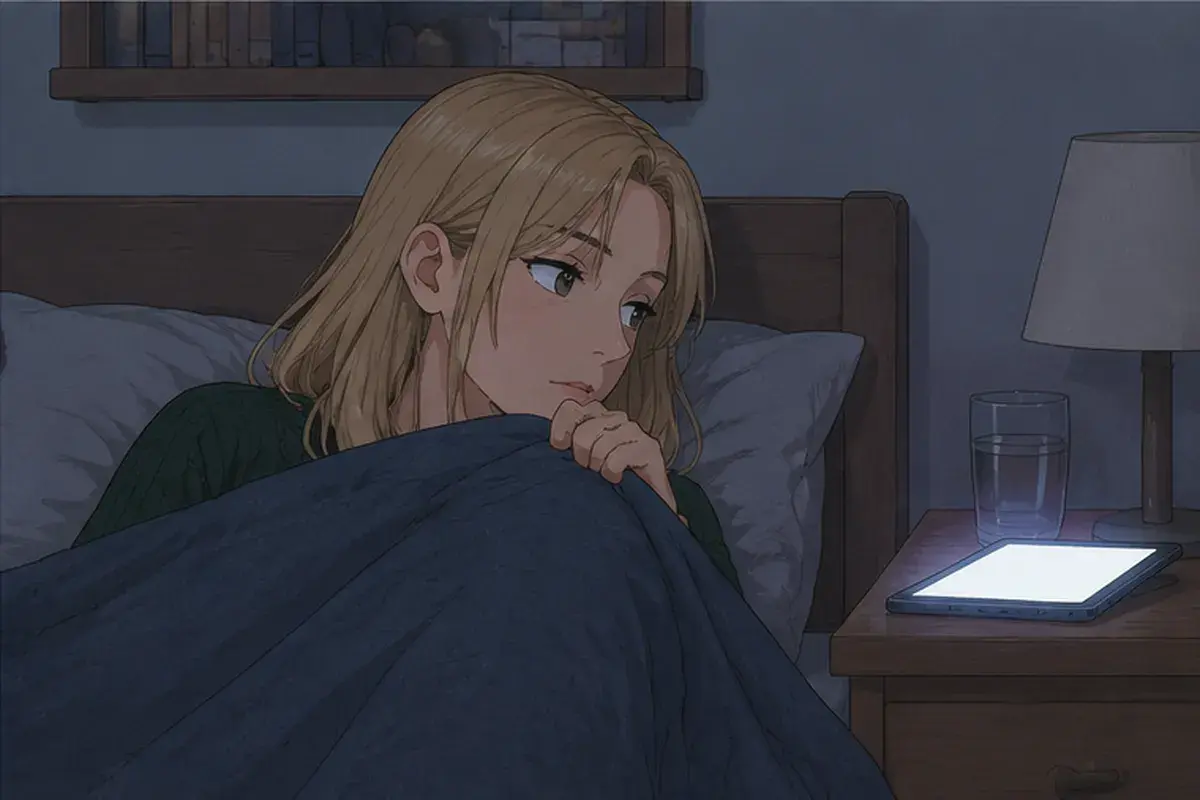
Друга тема је сан. Светло екрана пре спавања може да нам смета да заспимо, иако је тај утицај прилично мали.
The second topic is sleep. Screen light before bed can make it harder for us to fall asleep, although that effect is fairly small.

Трећа тема су најмања деца. Мало дете нове речи лакше учи од живог човека него са снимка. За њих је та разлика значајна, јер им је потребан сталан разговор са људима.
The third topic is the youngest children. A small child learns new words more easily from a live person than from a recording. For them the difference is significant, because they need constant conversation with people.

Многи тврде да је екран лош за мозак, али за то нема јасних доказа. Кад научници нађу везу између екрана и лошијих оцена, често не знају шта је узрок, а шта последица.
Many people claim that screens are bad for the brain, but there's no clear proof of that. When scientists find a link between screens and lower grades, they often don't know which is the cause and which is the effect.
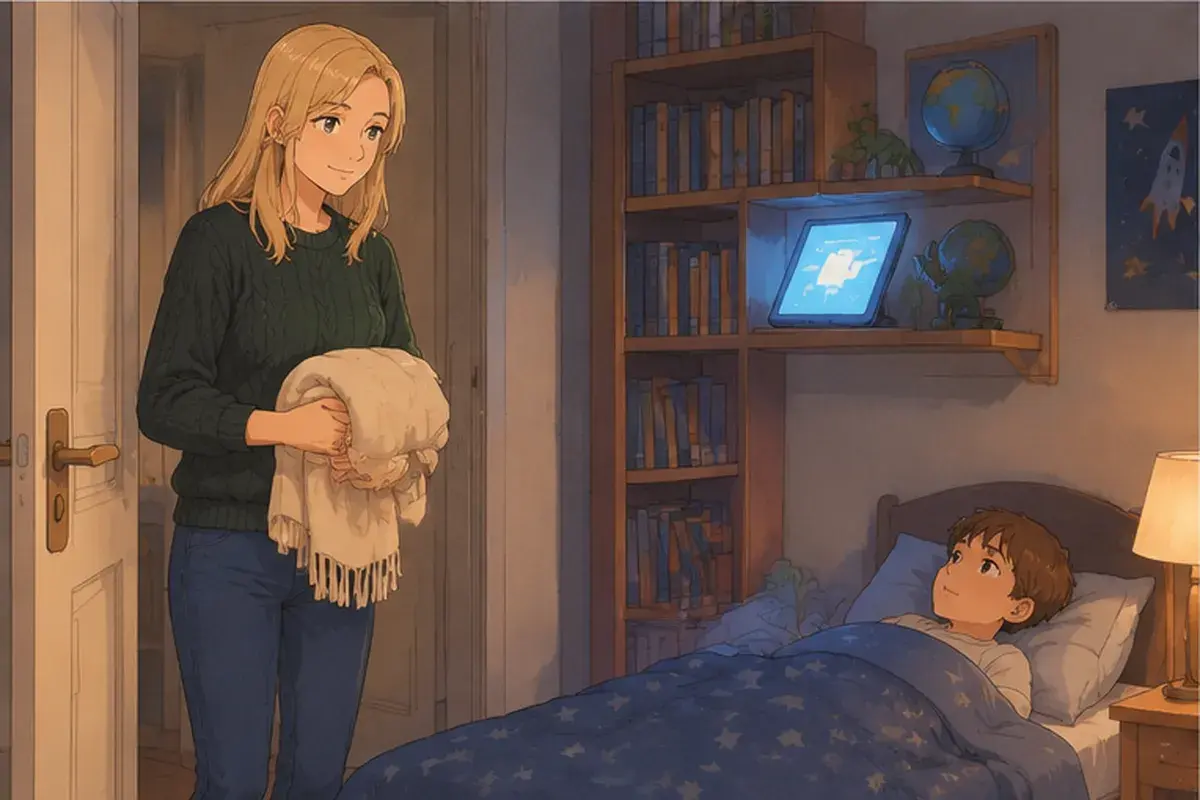
Можда дете лоше спава зато што дуго гледа екран, а можда је супротно.
Maybe a child sleeps badly because they watch a screen for a long time, or maybe it's the other way around.
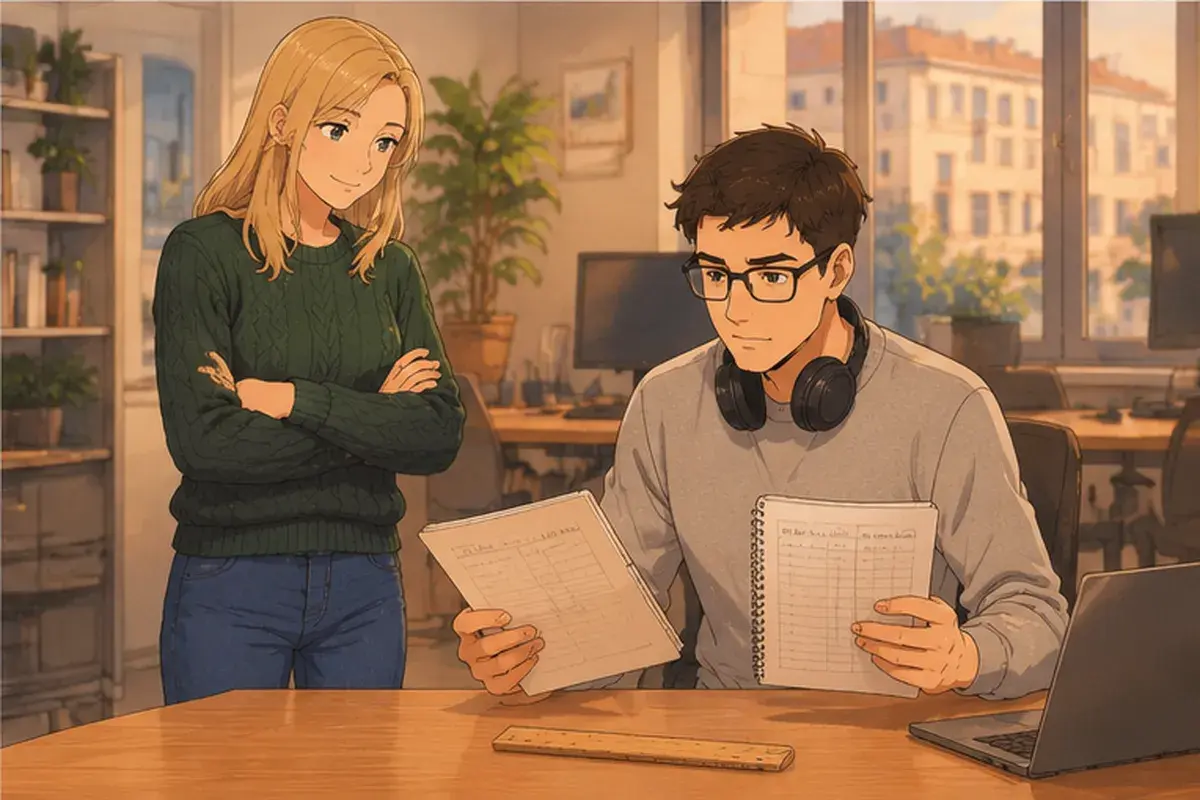
Појам „време пред екраном“ научници не мере увек на исти начин, тако да се резултати не могу лако упоредити.
Scientists don't always measure the idea of "screen time" the same way, so the results can't easily be compared.
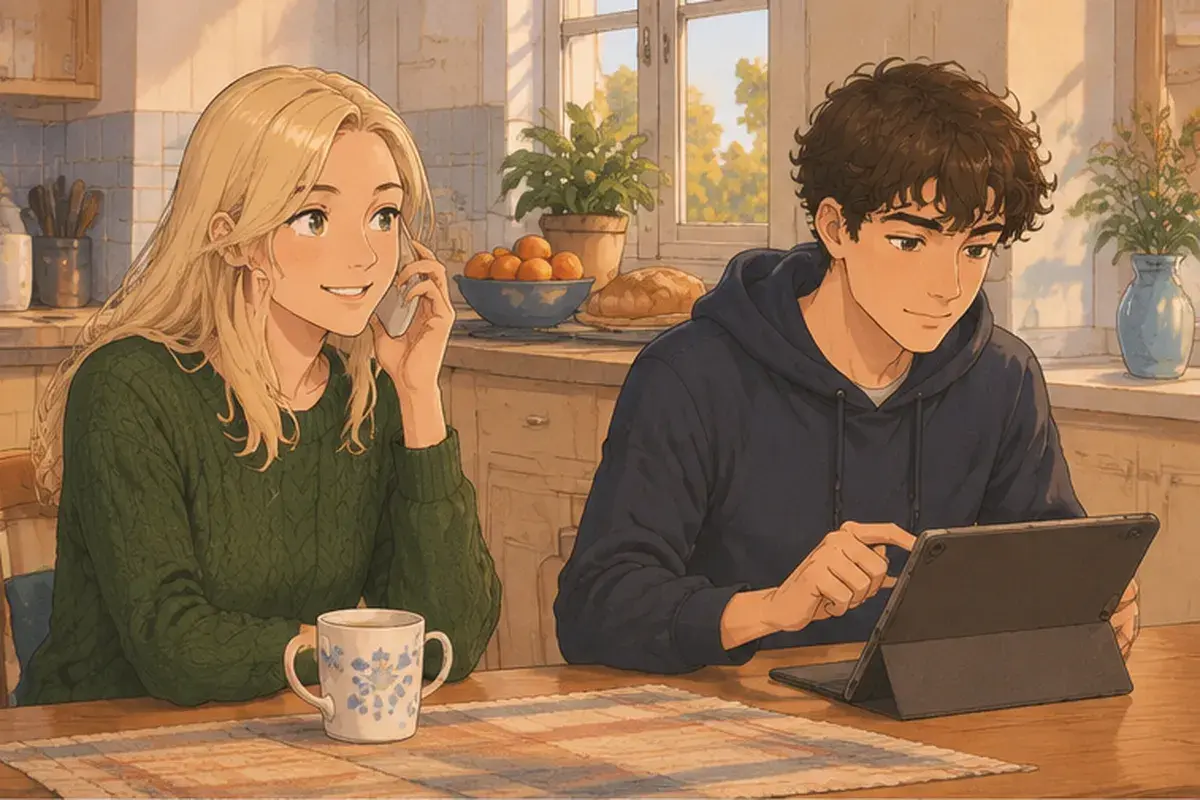
Екран има и своју корист, јер видео позив или апликација која учи језик могу да помогну. Технологија сама није ни добра ни лоша, а кључно је како је користимо.
Screens have their benefits too, because a video call or a language-learning app can help. Technology is neither good nor bad in itself, and the key is how we use it.

Позитиван или негативан утицај зависи од тога шта дете иначе ради током дана. Научници мисле да је ризик највећи кад дете стално гледа екран уместо сна, шетње или разговора.
A positive or negative effect depends on what else a child does during the day. Scientists think the risk is highest when a child constantly looks at a screen instead of sleeping, going for walks, or talking.
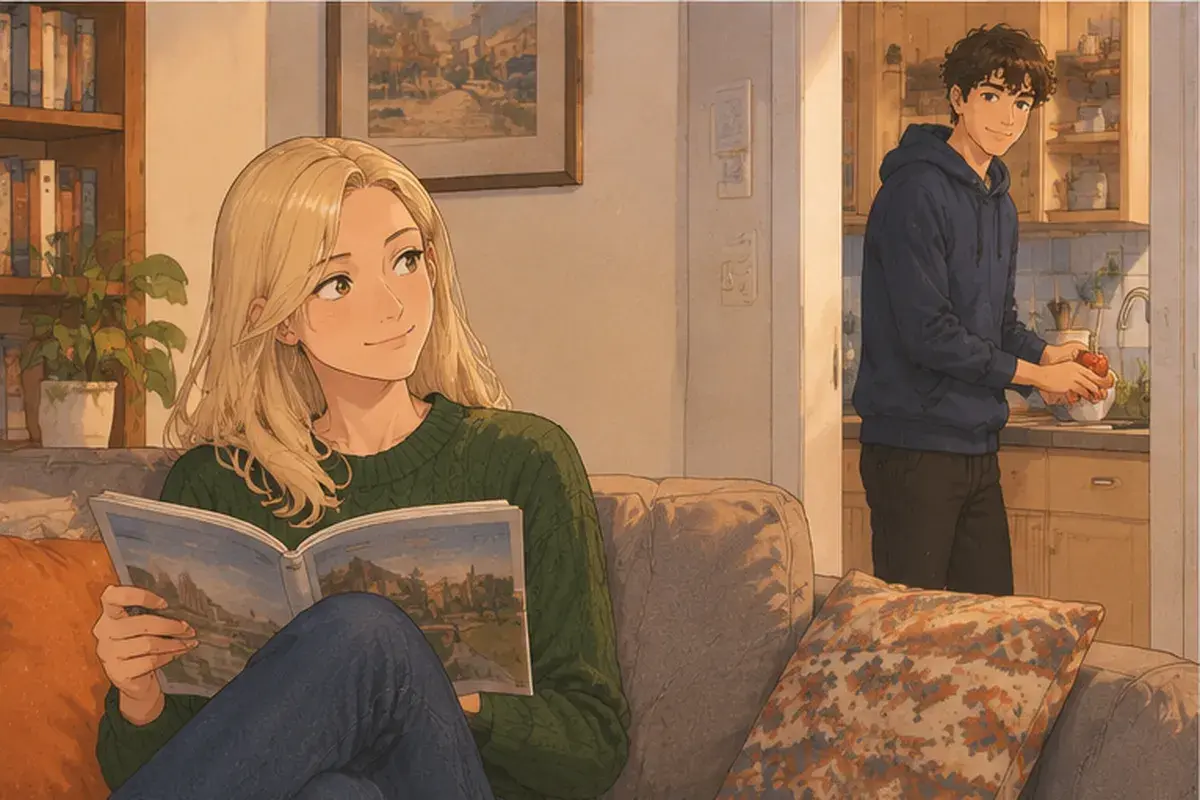
Свако дете је посебна личност, па исто правило не одговара свима.
Every child is a unique personality, so the same rule doesn't suit everyone.
Необично је и то што деца више гледају шта родитељи раде него што слушају шта говоре.
It's also unusual that children watch what their parents do more than they listen to what they say.
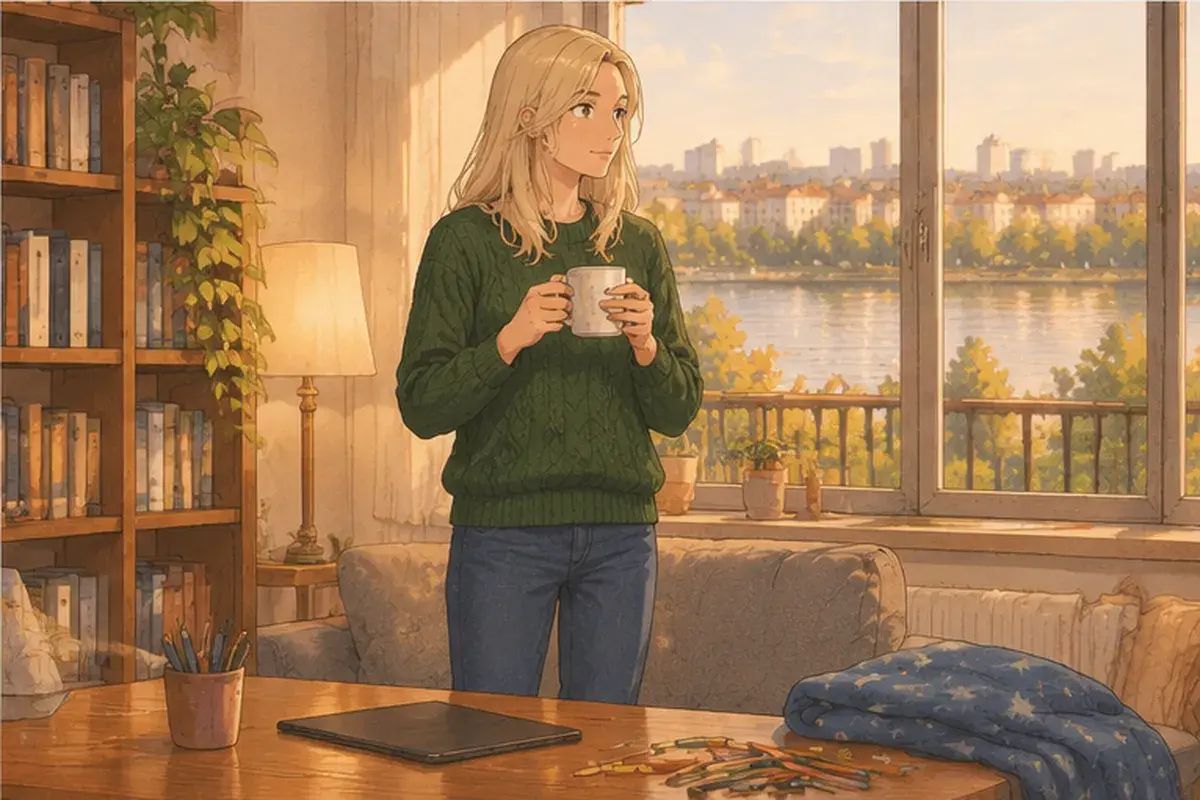
Ствар је у томе да нема јасног доказа да помаже кад се екран потпуно забрани, а нема га ни за то да је живот без граница добар.
The thing is, there's no clear proof that it helps when a screen is banned completely, and there's no proof that a life without limits is good, either.
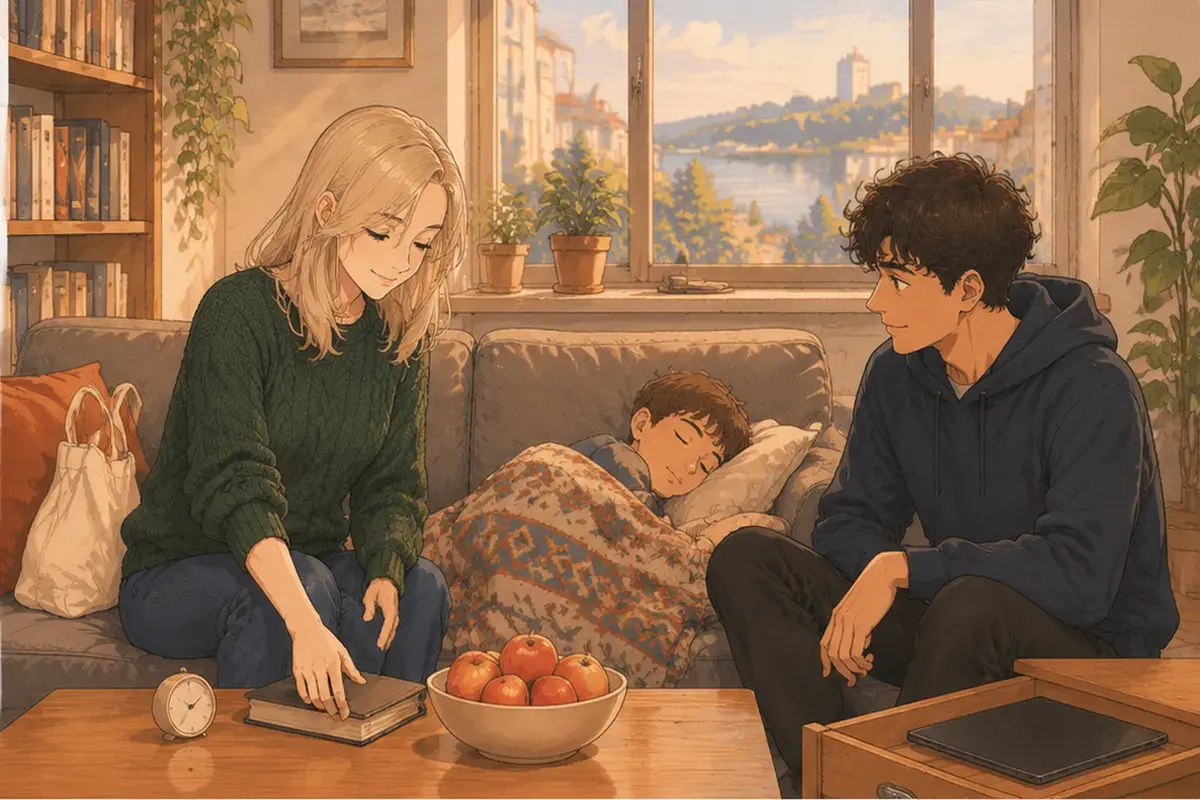
Шта се може урадити одмах? Искључите екран пола сата пре спавања, а важне текстове читајте са папира. Са малим дететом разговарајте, уместо да само гледа снимак.
What can be done right away? Turn off the screen half an hour before bed, and read important texts on paper (formal). Talk with a small child instead of letting them just watch a video (formal).

Ниједан од ових корака није чудо, али ниједан не кошта много.
None of these steps is a miracle, but none of them costs much.
Grammar for this text
За много тога што се тврди о екранима нема доказа— There's no proof for much of what people claim about screens.се тврдиis the impersonalсе(unit 8, recognize only): "people claim". Afterнема(there is no), the genitive form follows:нема доказа.Зато треба разликовати оно што се зна од онога што само звучи тачно— That's why we need to tell what is known apart from what only sounds right.разликовати X од Ymeans "to tell X from Y".Ради се о малој разлици, коју многи ни не виде— It's about a small difference, which many people don't even notice.ради се о+ locative means "it's about…".којуis the accusative ofкоји(разликаis feminine); the comma sets off the extra information.Светло екрана пре спавања може да нам смета да заспимо, иако је тај утицај прилично мали— Screen light before bed can make it harder for us to fall asleep, although that effect is fairly small.сметатиtakes the dative (нам); there is a comma beforeиако.За њих је та разлика значајна, јер им је потребан сталан разговор са људима— For them the difference is significant, because they need constant conversation with people.им је потребанmeans "they need": the one who needs something is in the dative.Кад научници нађу везу између екрана и лошијих оцена, често не знају шта је узрок, а шта последица— When scientists find a link between screens and lower grades, they often don't know which is the cause and which is the effect. Theкадpart comes first, so a comma follows it;нађуis a perfective verb afterкад.шта је узрок, а шта последицаis an indirect question (unit 10).Појам „време пред екраном“ научници не мере увек на исти начин, тако да се резултати не могу лако упоредити— Scientists don't always measure the idea of "screen time" the same way, so the results can't easily be compared.тако даmeans "so" (unit 11).Ствар је у томе да нема јасног доказа да помаже кад се екран потпуно забрани— The thing is, there's no clear proof that it helps when a screen is banned completely.забраниis a perfective verb afterкад.Са малим дететом разговарајте, уместо да само гледа снимак— Talk with a small child instead of letting them just watch a video.уместо да+ present means "instead of".
Words and grammar of the unit: Argue about opinions.
Learn the words from the texts with flashcards
In the app, you can tap any word in a text to see its translation, forms and examples, and new words stick with flashcards. 15 minutes a day.
Start for freeEverything is open for free. No card needed to sign up.