
Serbian story with translation · B1 · 14 lines
Први дочек у свом стану My first New Year's Eve in my own apartment
Comic · 14 panels
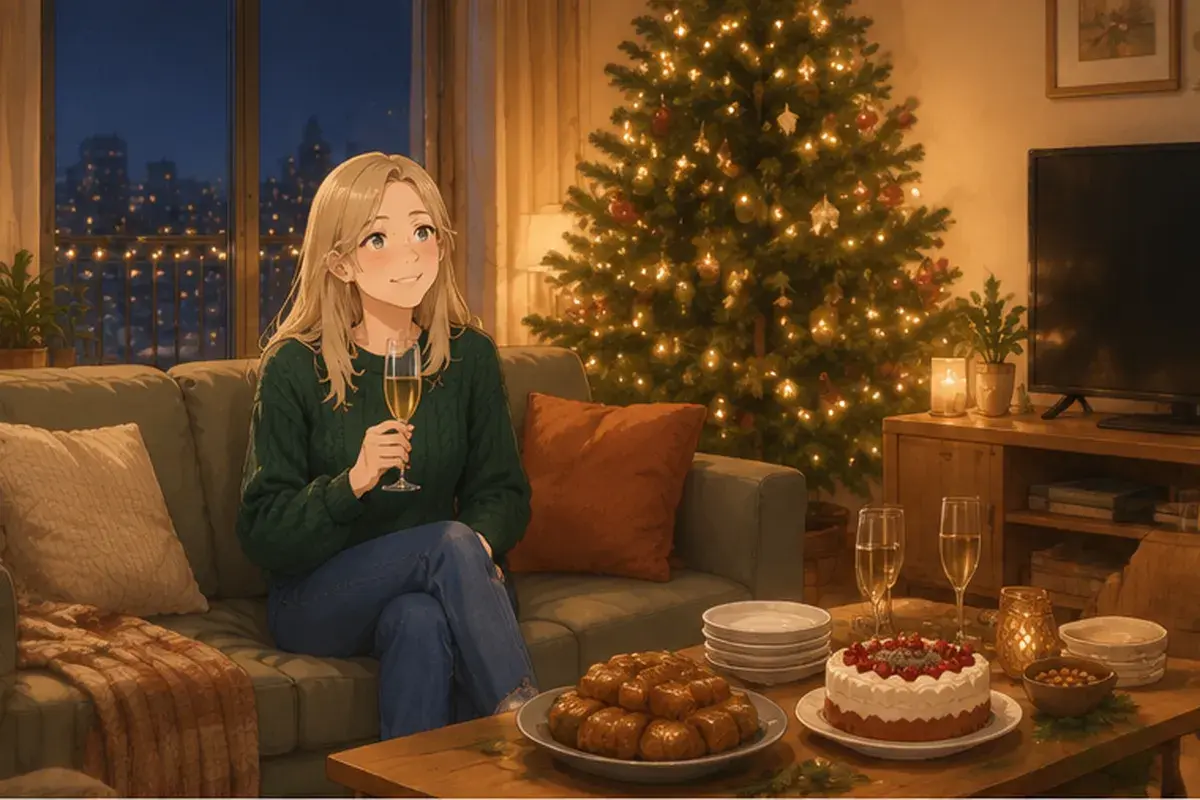
Ноћас сам први пут дочекала Нову годину у свом стану.
Last night I welcomed in the New Year for the first time in my own apartment (woman speaking).
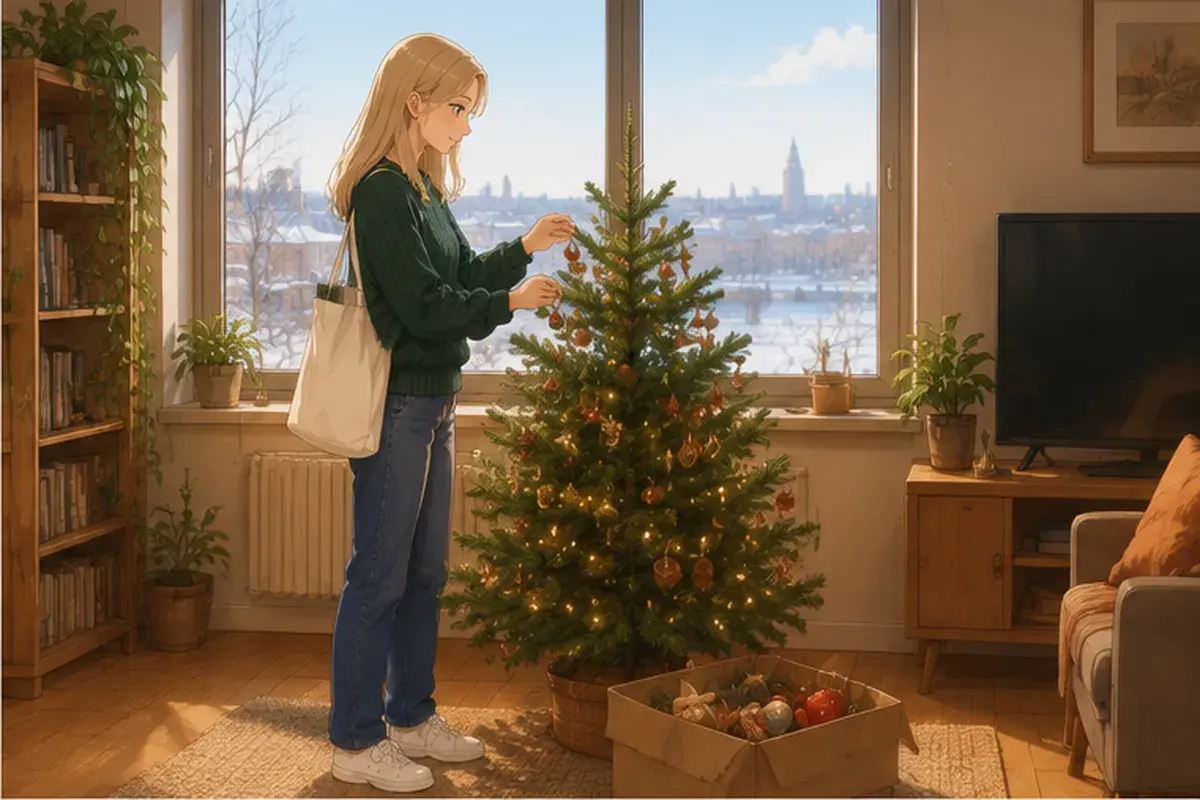
У петак сам узела слободан дан, јер сам хтела да све спремим без журбе. Претходне вечери сам окитила јелку украсима које сам купила на пијаци.
On Friday I took a day off, because I wanted to get everything ready without rushing (woman speaking). The evening before, I decorated the tree with ornaments that I bought at the market (woman speaking).
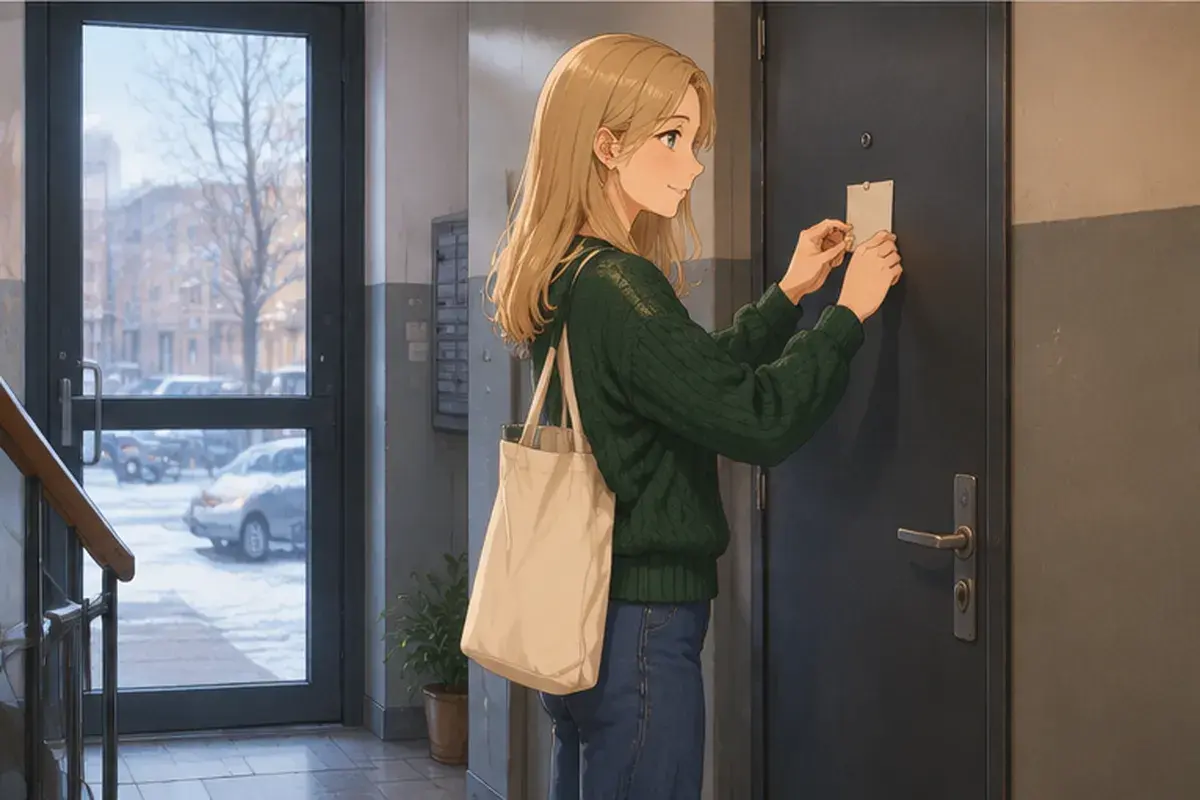
На врата зграде сам окачила цедуљу: „Драге комшије, вечерас је дочек, па вас молим за разумевање.“
I hung a note on the building's door: "Dear neighbors, tonight is the New Year's Eve party, so I'm asking for your understanding." (woman speaking)
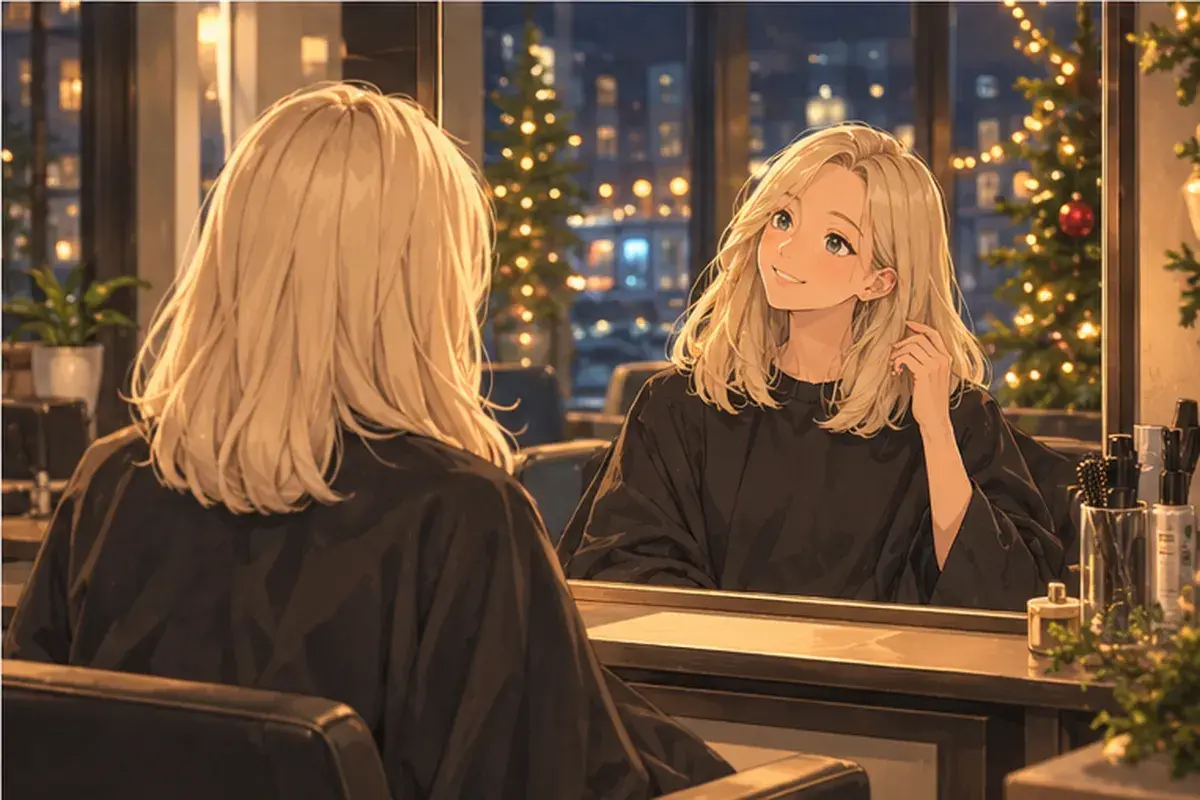
После ручка сам отишла код фризера по нову фризуру. Цела улица је већ била празнична.
After lunch I went to the hairdresser for a new hairstyle (woman speaking). The whole street was already festive.
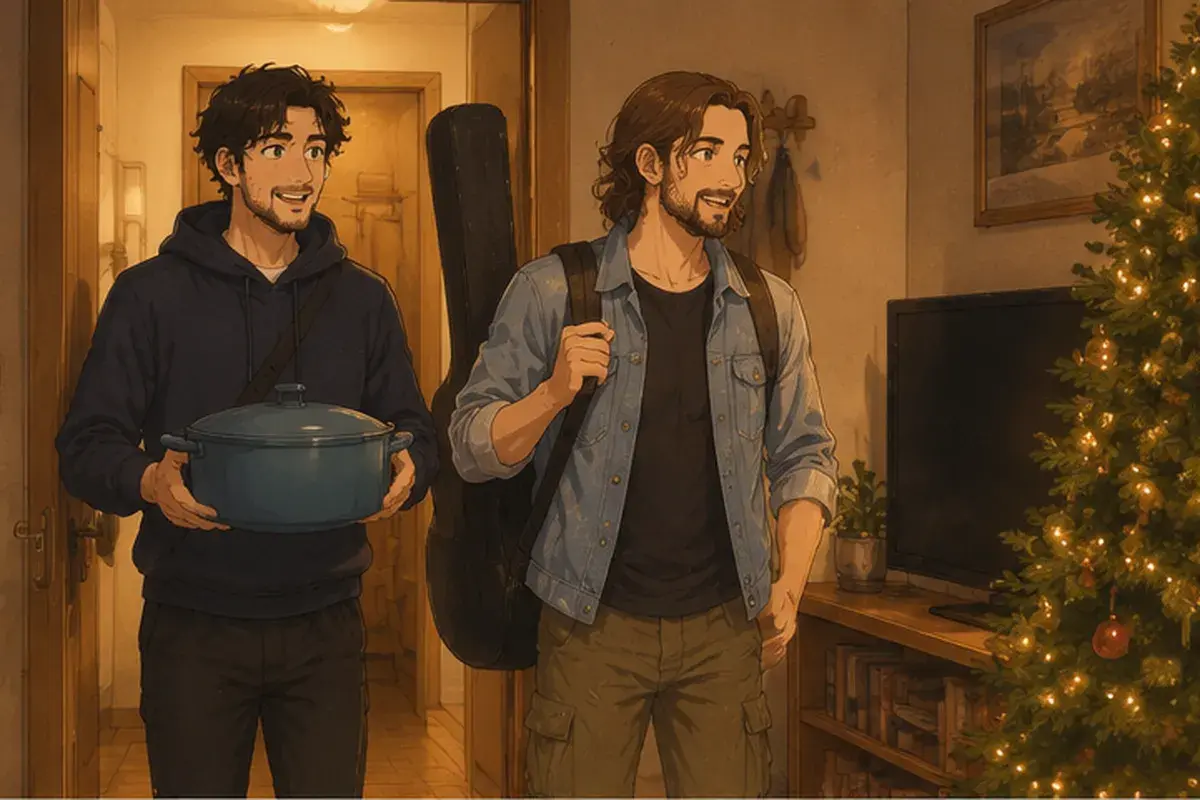
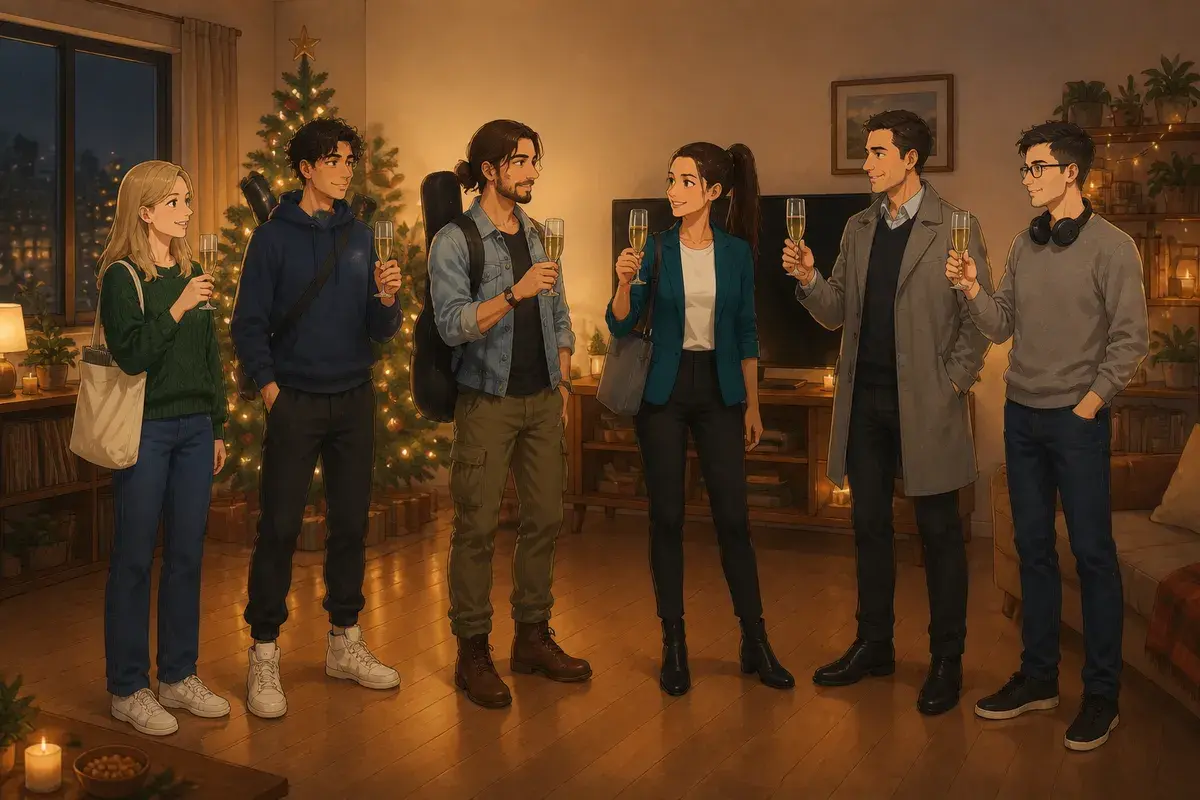
Стефан је стигао први, носећи лонац Радмилине сарме. Ђорђе је понео гитару, иако сам му рекла да не мора.
Stefan arrived first, carrying a pot of Radmila's sarma. Đorđe brought his guitar, even though I told him he didn't have to (woman speaking).

Милица је дошла са Ненадом, јер је Лазар те ноћи спавао код баке. Преко ње ми је Лазар послао Деда Мраза од чоколаде. Душан је стигао последњи, са соком и колачима.
Milica came with Nenad, because Lazar slept at his grandma's that night. Through her, Lazar sent me a chocolate Deda Mraz (Grandfather Frost). Dušan arrived last, with juice and cakes.
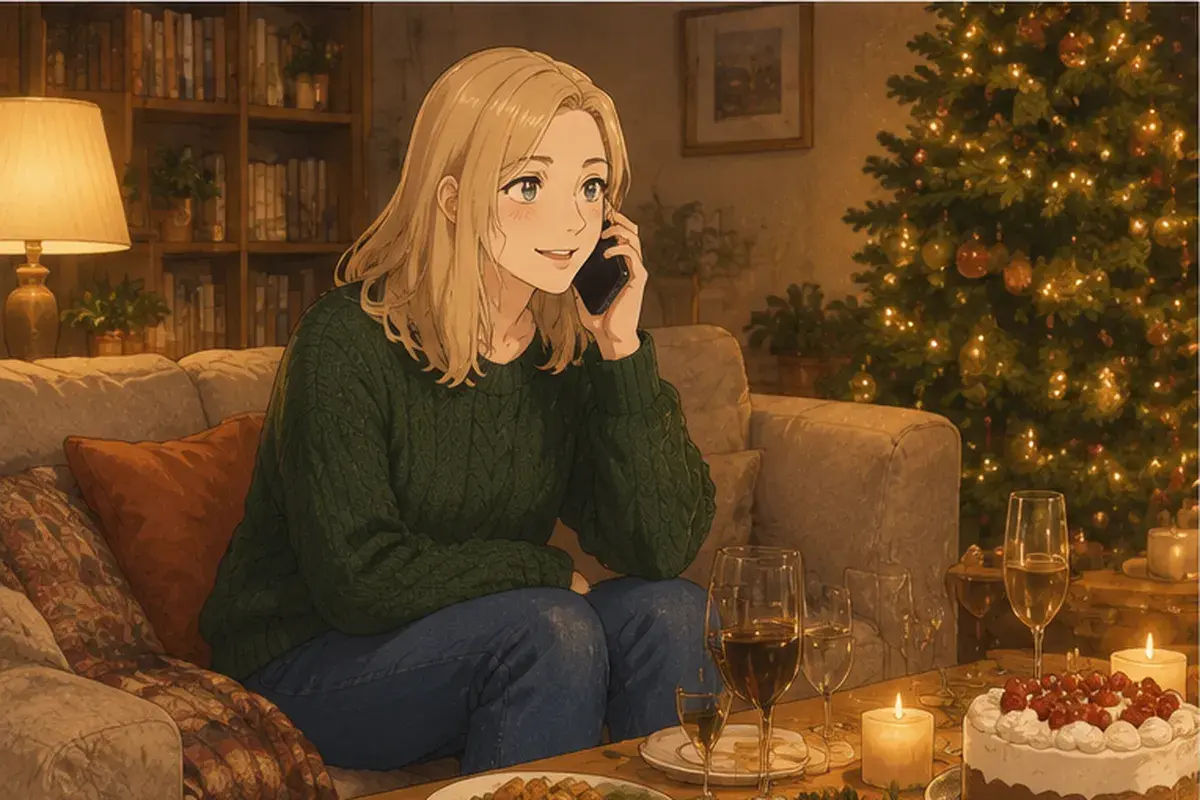
У осам увече је код мојих већ била поноћ, па сам позвала родитеље. Мама је рекла да би волела да следеће године заједно дочекамо Нову годину, а тата је само додао: „Одлично!“
At eight in the evening it was already midnight where my family is, so I called my parents (woman speaking). Mom said she'd like us to ring in the New Year together next year, and Dad just added: "Great!"
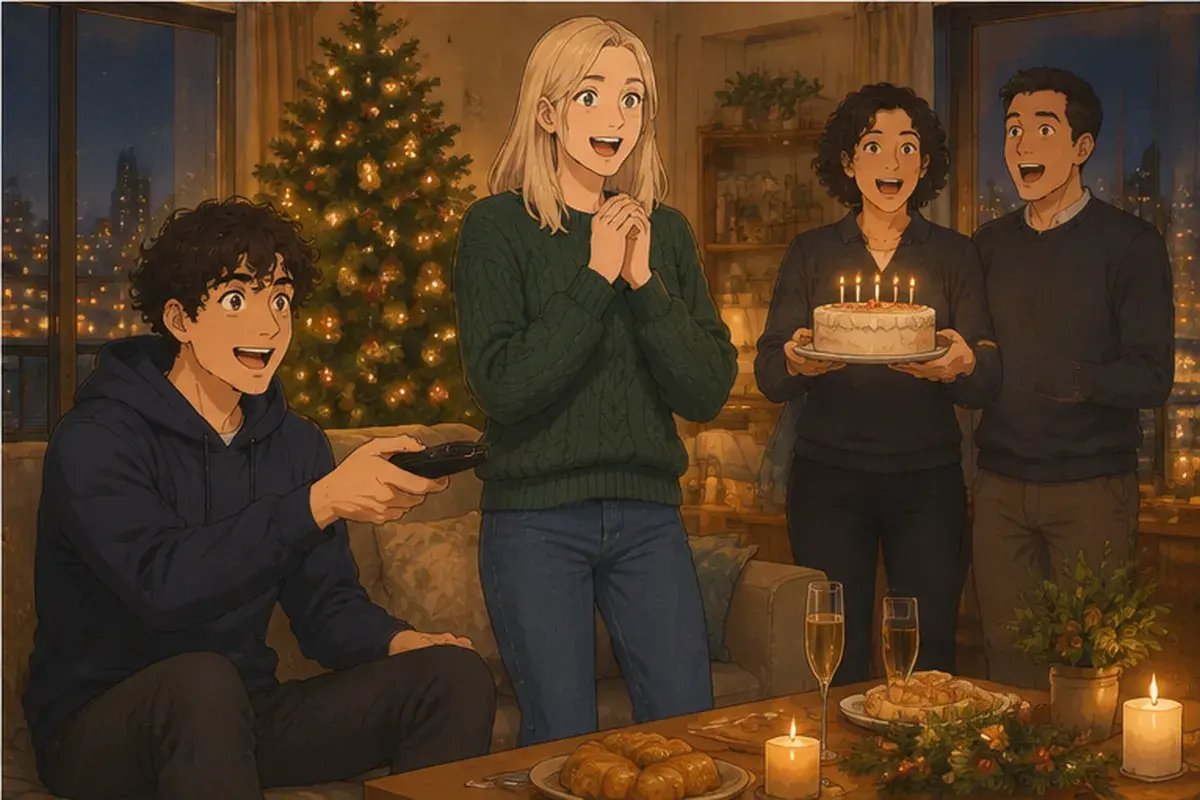
Око једанаест су свратиле комшије и донеле торту. Стефан је упалио телевизију, а ми смо гласно одбројавали до поноћи.
Around eleven the neighbors stopped by and brought a cake. Stefan turned on the TV, and we counted down loudly to midnight.

У поноћ смо подигли чаше са шампањцем, а ја сам попила само једну.
At midnight we raised our glasses of champagne, and I drank only one (woman speaking).

Милица је наздравила: „За Ану, коју је Душан обучио за две недеље, а Београд за целу годину!“ Ненад је додао: „За пријатељство!“
Milica made a toast: "To Ana, whom Dušan trained in two weeks, and Belgrade in a whole year!" Nenad added: "To friendship!"
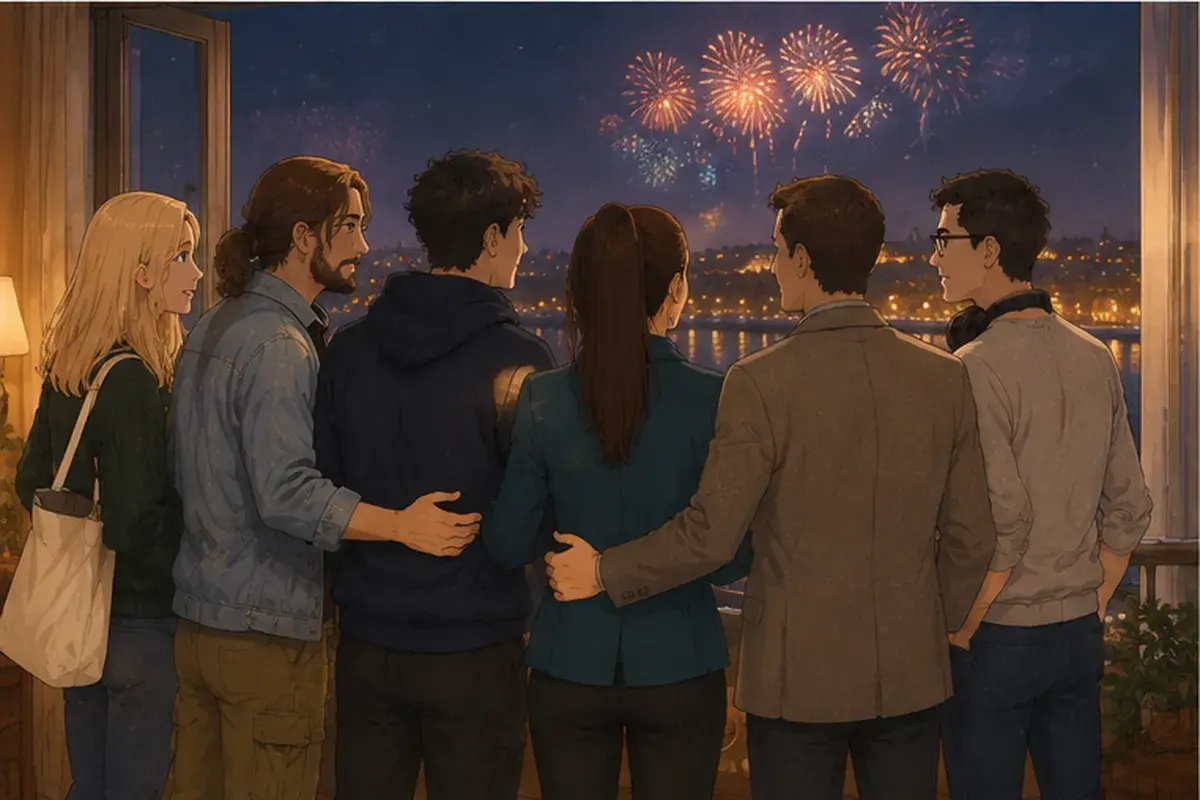
Загрлили смо се, пољубили се и изашли на балкон. Петарде су пуцале целу ноћ, а хладноћа нас није спречила да стојимо напољу.
We hugged, kissed each other and went out onto the balcony. Firecrackers were going off all night, and the cold didn't stop us from standing outside.

Гледајући ватромет изнад Дунава, помислила сам да сам овде код куће. Стефан је донео прскалице, а ми смо их потрошили за пет минута, смејући се као деца.
Watching the fireworks over the Danube, I thought that I was at home here (woman speaking). Stefan brought sparklers, and we used them up in five minutes, laughing like kids.
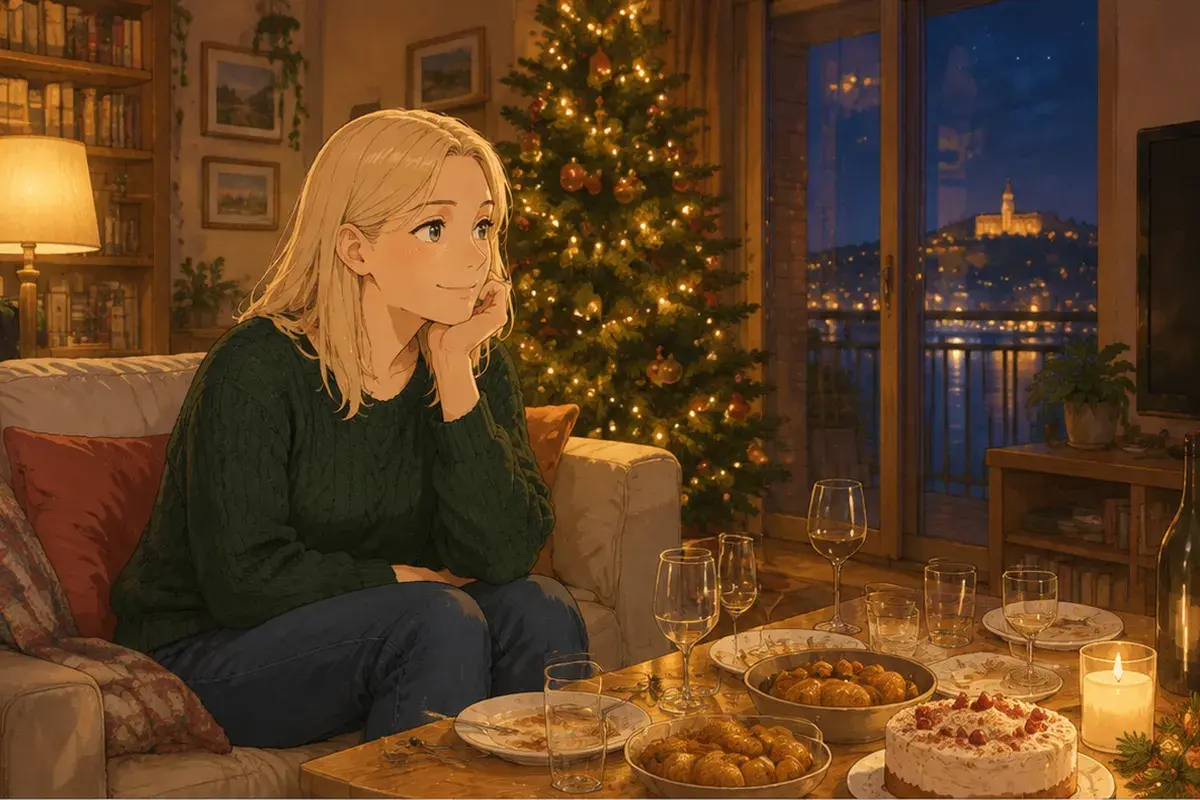
Гости су отишли тек у три ујутру. Седећи међу празним чашама, схватила сам да то осећање не долази од традиције, него од људи.
The guests left only at three in the morning. Sitting among the empty glasses, I realized that this feeling doesn't come from tradition, but from people (woman speaking).
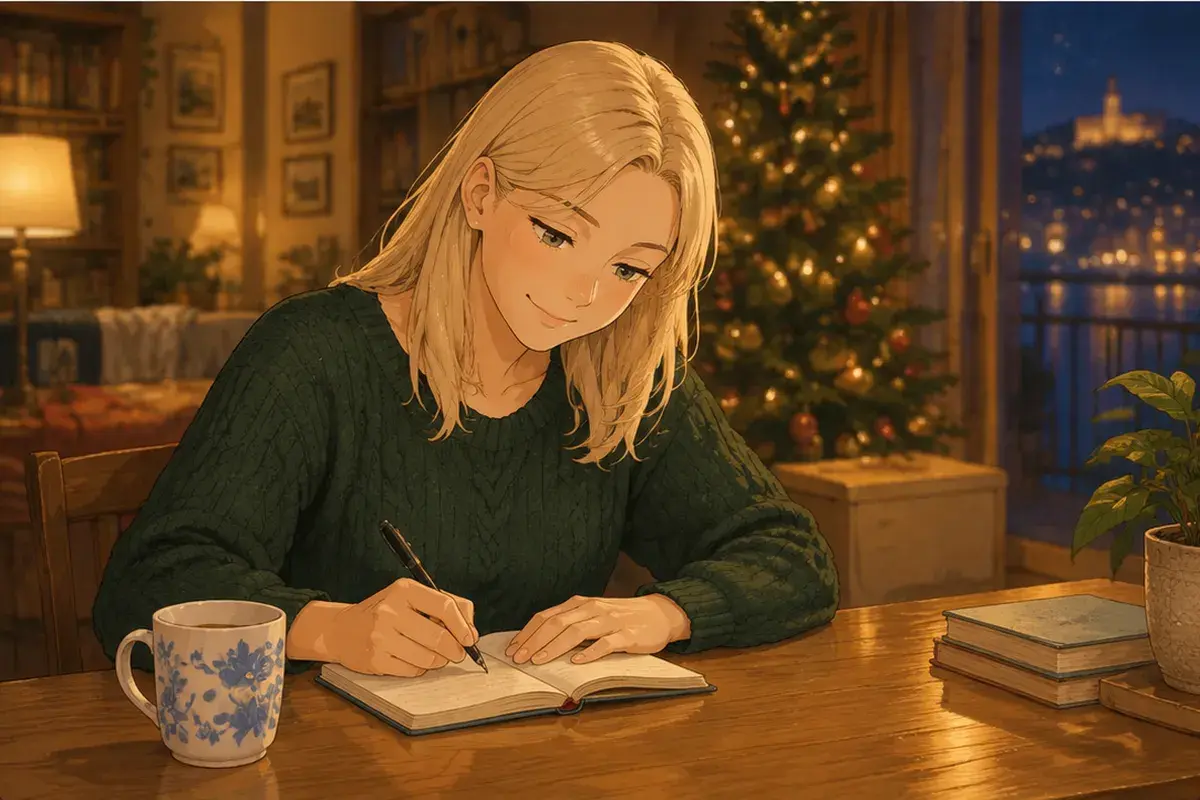
Ово вече желим да сачувам као лепо сећање, а следеће године ћу опет позвати исте људе.
I want to keep this evening as a nice memory, and next year I'll invite the same people again.
Grammar for this text
Гледајући ватромет изнад Дунава, помислила сам да сам овде код куће.—гледајућиis the -ći form ofгледати(to watch): "watching". Add-ћиto theониform (они гледају); the form is the same for everyone. The person who is watching is also the one who thought it: Ana. You will see this form in stories; in speech you would useдок(while) + the present tense. The rule is in the block above.Стефан је стигао први, носећи лонац Радмилине сарме.—носећиcomes fromносити(они носе): "carrying".Радмилинеmeans "Radmila's" (a possessive made from a name; the rule is in unit 21).лонац сармеis "a pot of sarma" (the genitive, "of").смејући се као деца— the same pattern:смејати сеbecomesсмејући се, andсеstays right after it: "laughing like kids".Седећи међу празним чашама—седети(они седе) becomesседећи: "sitting among the empty glasses".За Ану, коју је Душан обучио за две недеље, а Београд за целу годину!—коју("whom") stands between commas: it adds extra information about Ana. In the second partобучиоis not repeated: "and Belgrade in a whole year".обучитиis "to train", notобући се("to get dressed").јер је Лазар те ноћи спавао код баке—те ноћиis genitive and answers "when?": "that night".Петарде су пуцале целу ноћ—целу ноћis accusative and answers "how long?": "all night". See the block "Time phrases".Мама је рекла да би волела да следеће године заједно дочекамо Нову годину—би волелаis "would like" (a woman speaking);следеће годинеis "next year" (likeпрошле године;идуће годинеmeans the same);дочекамоis a perfective verb afterда: "we welcome".У осам увече је код мојих већ била поноћ—код мојихis "at my family's place": in winter the time difference is four hours, so the New Year had already begun there.
Words and grammar of the unit: Celebrate New Year's and Christmas.
Learn the words from the texts with flashcards
In the app, you can tap any word in a text to see its translation, forms and examples, and new words stick with flashcards. 15 minutes a day.
Start for freeEverything is open for free. No card needed to sign up.