

Serbian story with translation · B1 · 17 lines
Да ли би изашла са мном на кафу? Would you go out for a coffee with me? (to a woman)
Comic · 17 panels

У суботу се Миличин брат Милош оженио Тијаном, а Милица је позвала и мене, иако сам знала само њу.
On Saturday Milica's brother Miloš married Tijana, and Milica invited me too, although I only knew her (woman speaking).
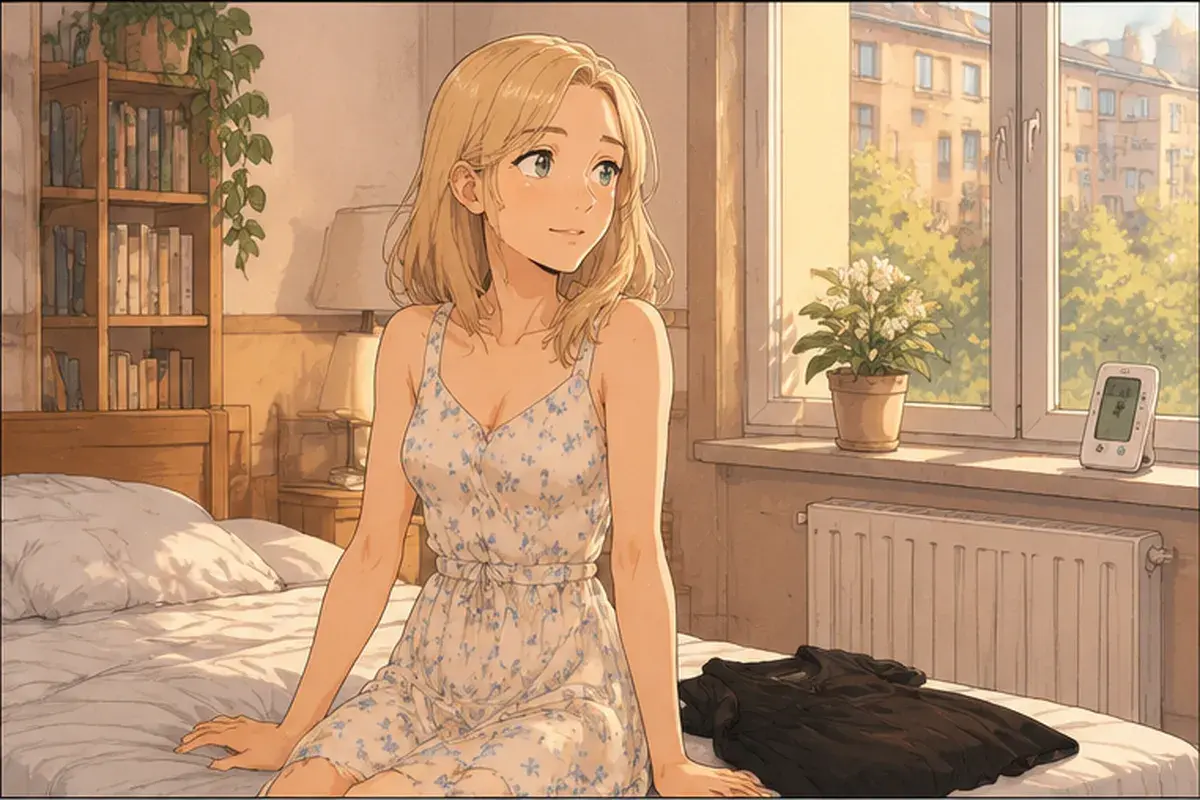
Прво сам хтела да обучем нешто црно, али сам се предомислила, јер је напољу било 30 степени.
At first I wanted to wear something black, but I changed my mind, because it was 30 degrees Celsius outside (woman speaking).
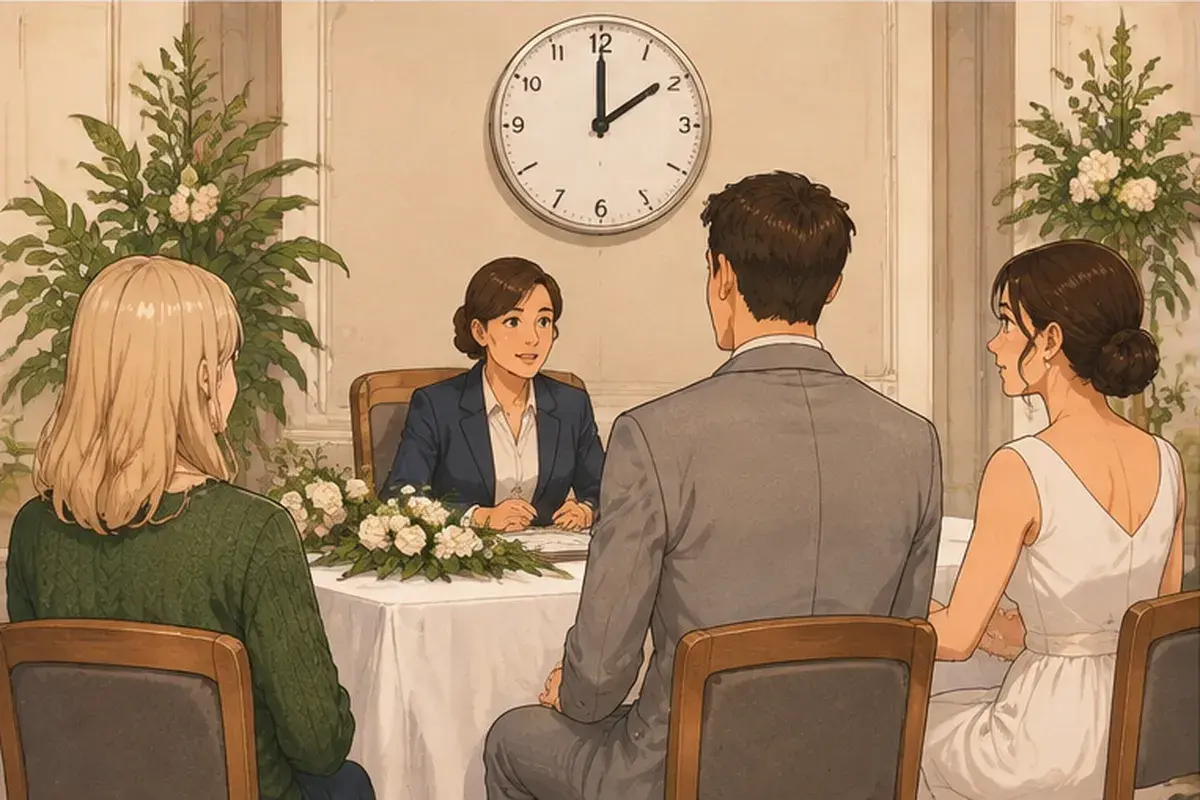
Венчање је било у општини у 14:00. Трајало је тек 15 минута, али нико није гледао у сат.
The wedding ceremony was at city hall at 14:00. It lasted only 15 minutes, but nobody looked at their watch.

Младожења, који је целу недељу говорио да је потпуно миран, једва је изговорио „да“. Млада је плакала од среће.
The groom, who had been saying all week that he was completely calm, could barely say "I do." The bride cried with happiness.
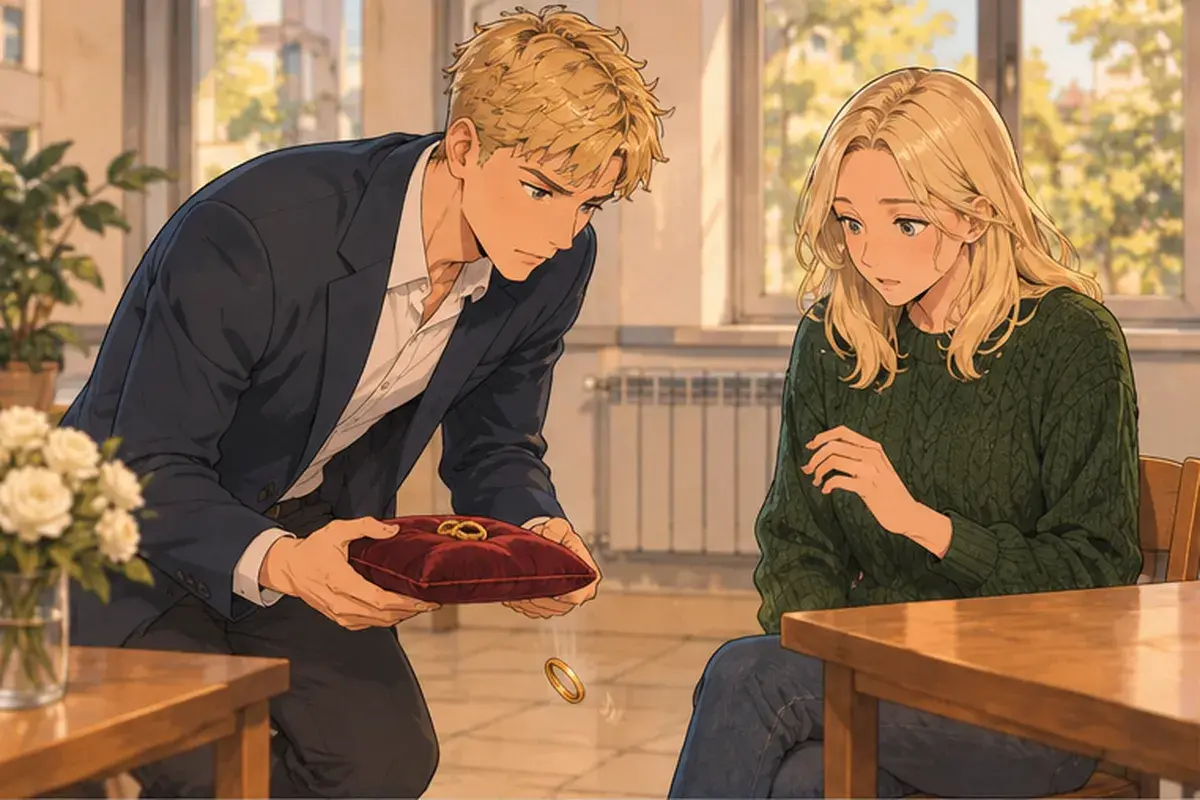
Лазар је озбиљно носио два прстена на јастуку. Кад је требало да их преда, један је пао и отишао под сто.
Lazar solemnly carried two rings on a pillow. When it was time to hand them over, one fell and rolled under the table.
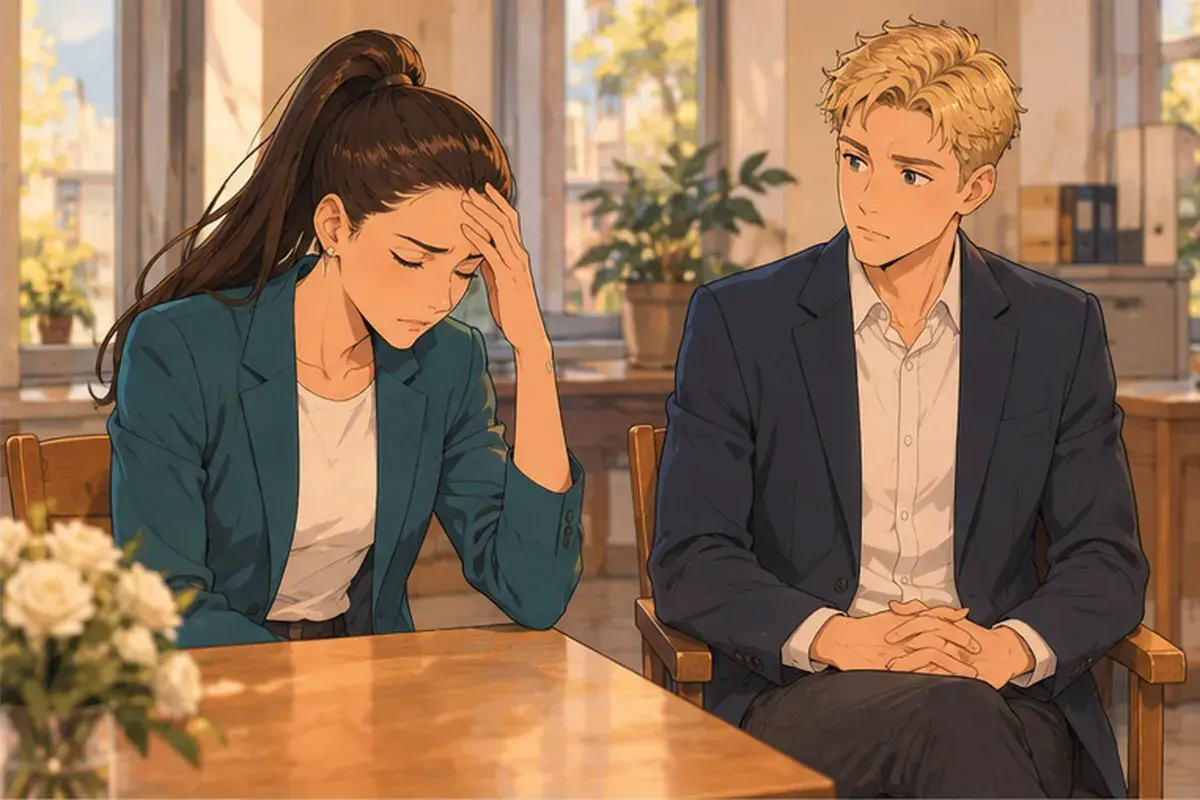
Милица је скоро изгубила живце, а Лазар се претварао да се ништа није десило.
Milica almost lost her temper, and Lazar pretended nothing had happened.

После једног минута прстен је нашао кум Никола, висок момак који се све време смејао.
A minute later the best man, Nikola, a tall guy who had been laughing the whole time, found the ring.

Лазар је био мало љубоморан на младу. Сви су гледали њу, а не њега.
Lazar was a little jealous of the bride. Everyone was looking at her, not at him.
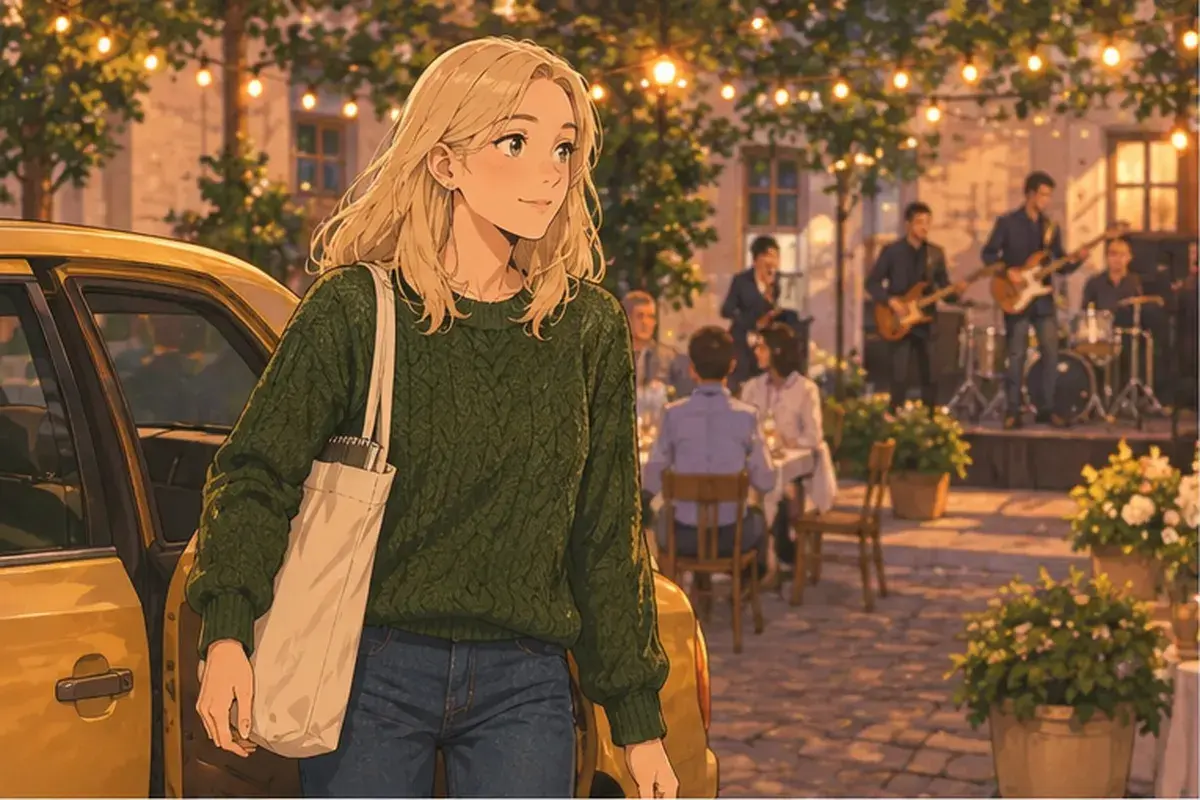
До ресторана смо отишли таксијем, јер ме је мрзело да по врућини ходам у новим ципелама. Свадба је почела у дворишту, а свирао је Ђорђев бенд, који је позвала Милица.
We went to the restaurant by taxi, because I couldn't be bothered to walk in the heat in new shoes. The wedding party started in the courtyard, and Đorđe's band played, the one Milica had invited.

Кум Никола је подигао чашу и одржао здравицу: „За Милоша и Тијану, и за љубав која се не губи ни кад се прстен изгуби!“
Best man Nikola raised his glass and gave a toast: "To Miloš and Tijana, and to a love that isn't lost even when a ring is lost!"
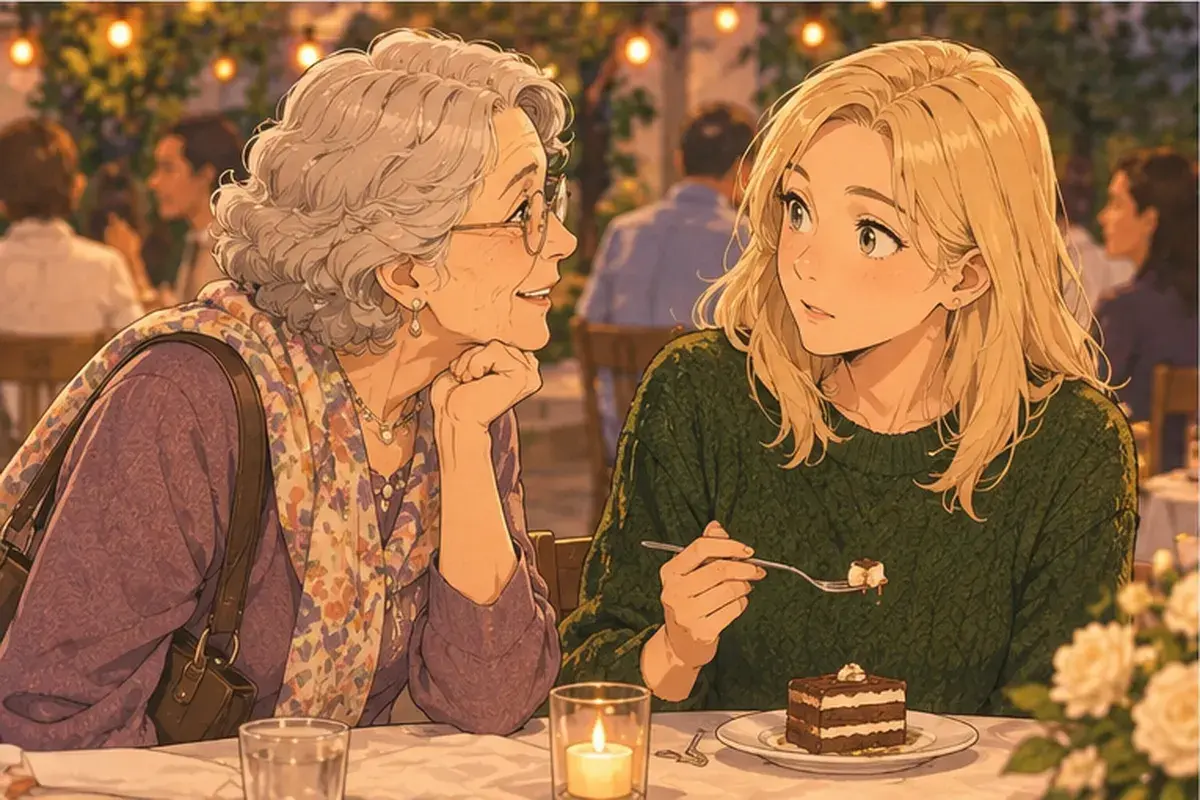
Поред мене је седела Милошева тета. Одмах ме је питала: „А кад ћеш ти, девојко? Имаш ли дечка?“
Miloš's aunt sat next to me. She immediately asked me: "And when's your turn, young lady? Do you have a boyfriend?"
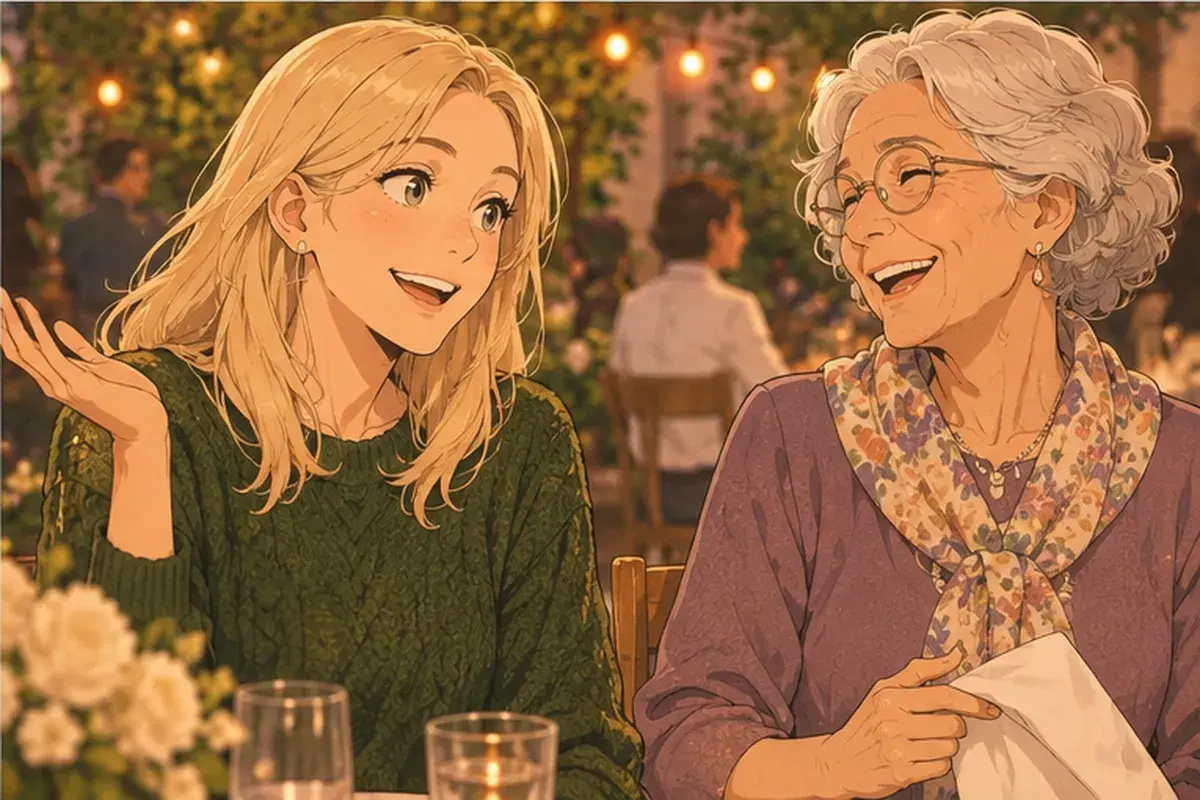
Извукла сам се шалом: „Чим научим да говорим без грешке, тето, одмах ћу се удати.“
I got out of it with a joke: "As soon as I learn to speak without mistakes, Auntie, I'll get married right away." (woman speaking)

Тета се насмејала и рекла: „Брак није испит, душо, али се грешке у њему скупо плаћају.“
The aunt laughed and said: "Marriage isn't an exam, dear, but mistakes in it are paid for dearly."

Кад је бенд почео да свира спору песму, тета је отишла да плеше са Лазаром. Никола је сео на њено место и похвалио моју шалу.
When the band started to play a slow song, the aunt went to dance with Lazar. Nikola sat down in her seat and praised my joke.

Пре него што је бенд завршио последњу песму, питао ме је: „Да ли би изашла са мном на кафу?“
Before the band finished the last song, he asked me: "Would you go out for a coffee with me?" (to a woman)

Уместо да одмах одговорим, рекла сам само: „Можда. Видећемо.“
Instead of answering right away, I only said: "Maybe. We'll see." (woman speaking)
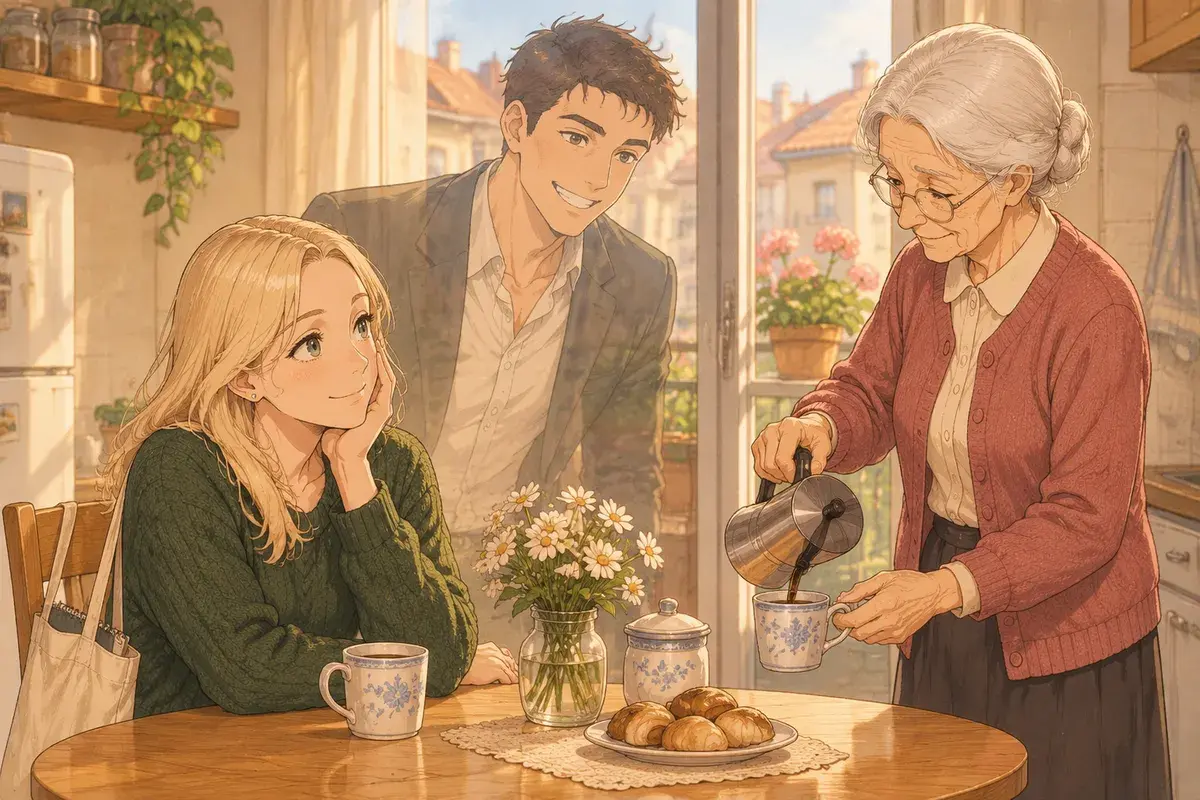
Никола је рекао да је то најбољи одговор те вечери. Нисам рекла ни „да“ ни „не“. У недељу идем код Радмиле на кафу, па ћу прво њу питати шта мисли.
Nikola said that was the best answer of the evening. I said neither "yes" nor "no" (woman speaking). On Sunday I'm going to Radmila's for coffee, so I'll ask her first what she thinks.
Grammar for this text
У суботу се Миличин брат Милош оженио Тијаном—оженити сеis said about a man, and his wife stands in the instrumental (the "with" case): "married Tijana". For a woman you sayудати се.Миличинis a possessive, "Milica's" (unit 21).Прво сам хтела да обучем нешто црно, али сам се предомислила—предомислити сеmeans "to change your mind"; the short unstressed words go in the orderсам се.нешто црноmeans "something black".Младожења, који је целу недељу говорио да је потпуно миран—младожењаis masculine, even though it ends in -a. The extra-informationкојиclause stands between commas (unit 2);целу недељуmeans "the whole week".Милица је скоро изгубила живце, а Лазар се претварао да се ништа није десило—изгубити живцеmeans "to lose your temper";претварати се даmeans "to pretend that";ништа нијеis a double negative, which is correct in Serbian.јер ме је мрзело да по врућини ходам у новим ципелама—мрзи ме даmeans "I can't be bothered to"; in the past it isме је мрзело. It does not mean "hated".љубав која се не губи ни кад се прстен изгуби— a play on words:губити сеmeans "to get lost",изгубитиmeans "to lose". Aкумis the best man: the main witness and a friend of the groom.Пре него што је бенд завршио последњу песму, питао ме је: „Да ли би изашла са мном на кафу?“—би изашлаis the conditional, a polite invitation: "Would you go out…?" Inали се грешке у њему скупо плаћају, the impersonalсе(unit 8) means "mistakes are paid for dearly".
Words and grammar of the unit: Talk about relationships.
Learn the words from the texts with flashcards
In the app, you can tap any word in a text to see its translation, forms and examples, and new words stick with flashcards. 15 minutes a day.
Start for freeEverything is open for free. No card needed to sign up.