

Serbian story with translation · B1 · 17 lines
Моја година у Београду My Year in Belgrade
Comic · 17 panels

Кад ме је Милица замолила да напишем текст за блог наше фирме, одмах сам знала како ће се звати.
When Milica asked me to write a text for our company's blog, I knew right away what it would be called (woman speaking).

Наслов је „Моја година у Београду“, али прича почиње много раније. Кад сам први пут дошла у Београд, знала сам речи из књиге, али на улици скоро ништа нисам разумела.
The title is "My Year in Belgrade," but the story starts much earlier. When I first came to Belgrade, I knew words from a book, but on the street I understood almost nothing (woman speaking).
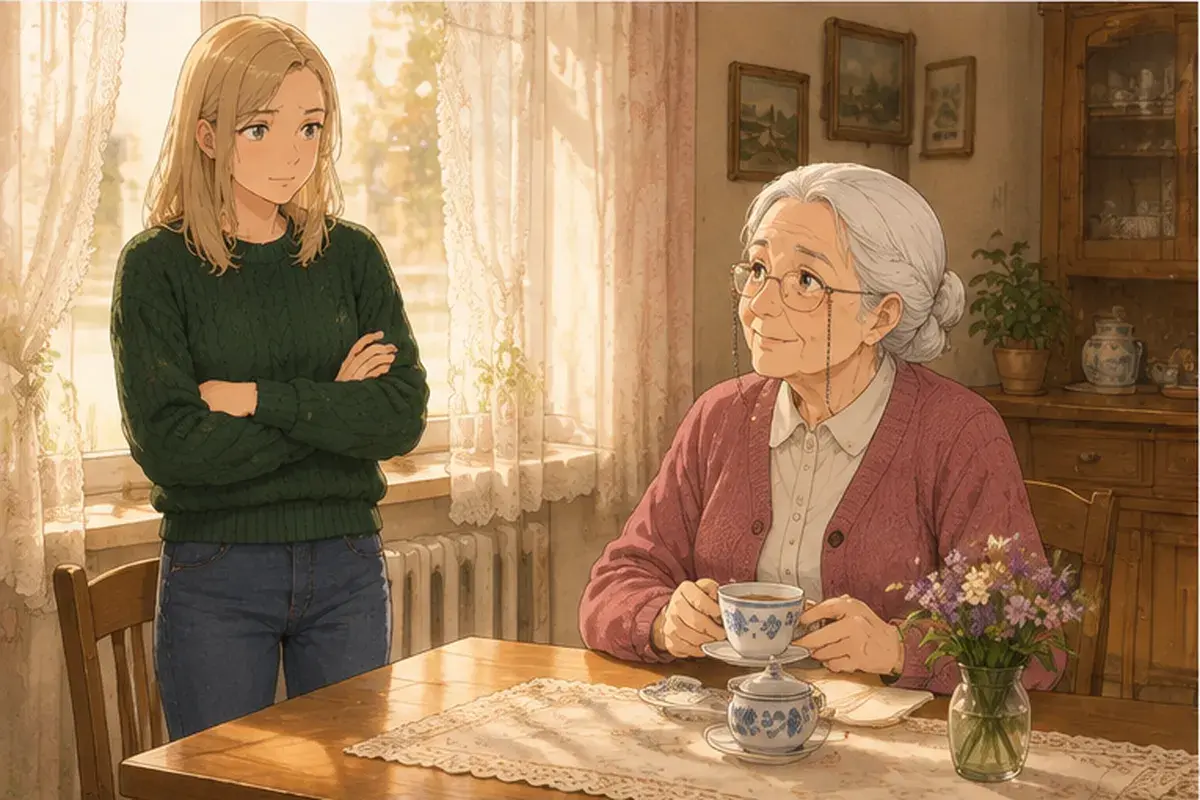
Радмила, код које сам тада живела, рекла ми је првог јутра да овде нико не жури. Међутим, ја јој нисам веровала.
Radmila, who I lived with then, told me on the first morning that nobody here is in a hurry. However, I didn't believe her (woman speaking).
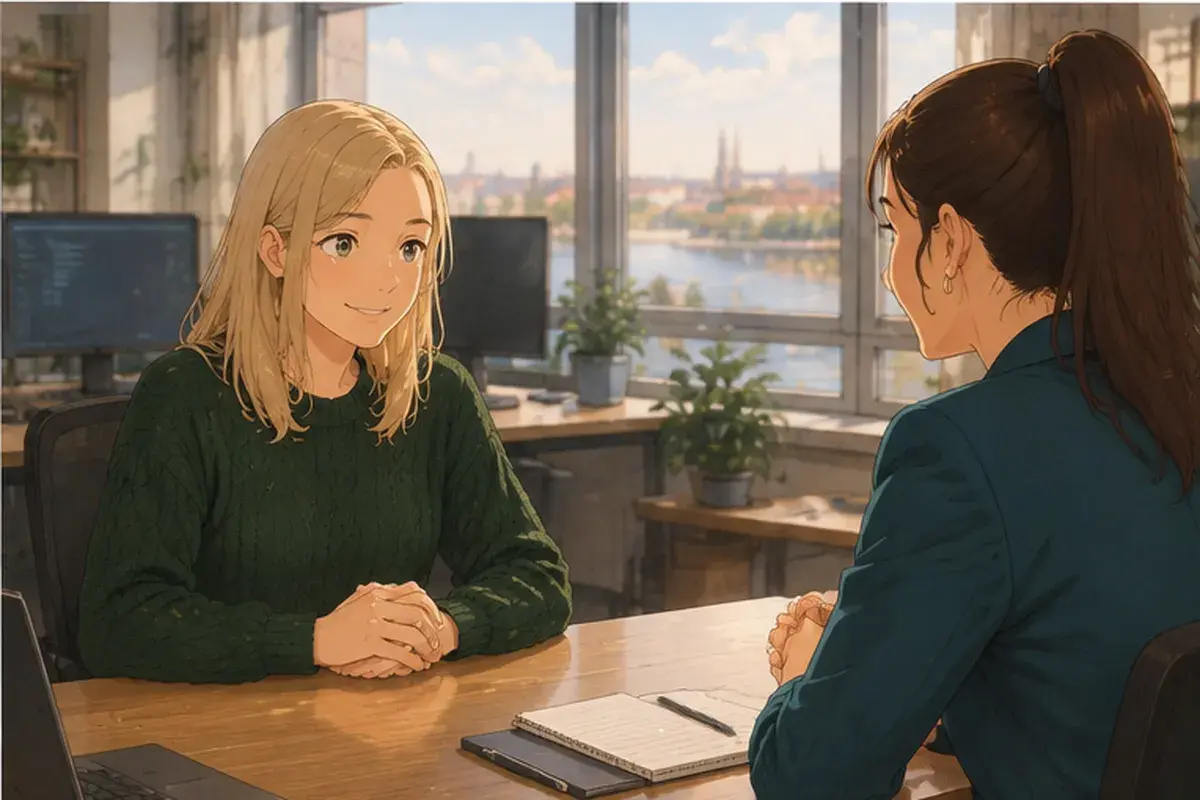
После шест месеци код ње позвали су ме на разговор у Битлаб. Крајем августа сам се вратила да останем.
After six months at her place, they invited me to an interview at Bitlab. At the end of August I came back to stay (woman speaking).

Највише ме је изненадило то што једна кафа овде траје цео сат, а нико не гледа на сат. Док пијемо кафу, разговор је важнији од посла, а то је део српске културе.
What surprised me most is that one coffee here lasts a whole hour, and nobody looks at the clock. While we drink coffee, conversation is more important than work, and that's part of Serbian culture.
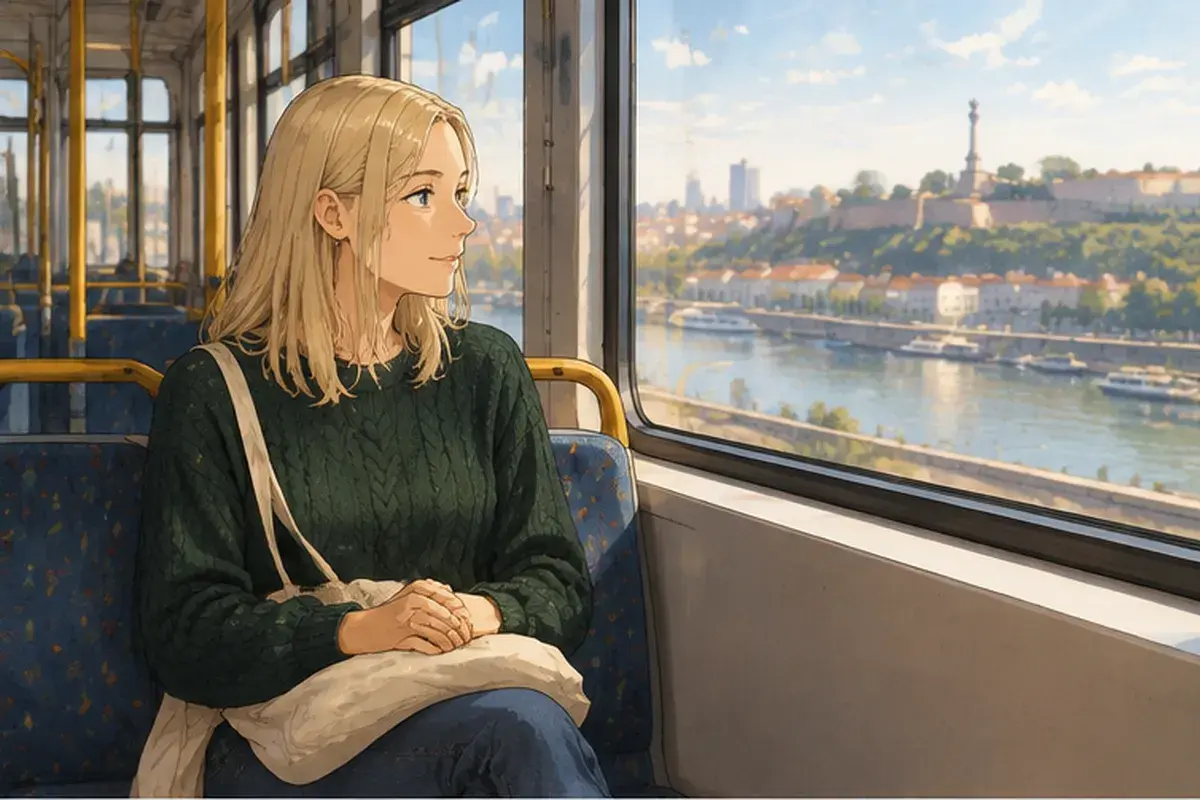
Градски превоз је бесплатан, па не морам да купујем карту ни кад у недељу идем до Радмиле, а пут траје 40 минута.
Public transportation is free, so I don't have to buy a ticket even when I go to Radmila's on Sunday, and the trip takes 40 minutes.

Свакодневица у Београду је различита од моје у родном граду, али има више сличности него што сам очекивала.
Everyday life in Belgrade is different from mine in my hometown, but there are more similarities than I expected (woman speaking).
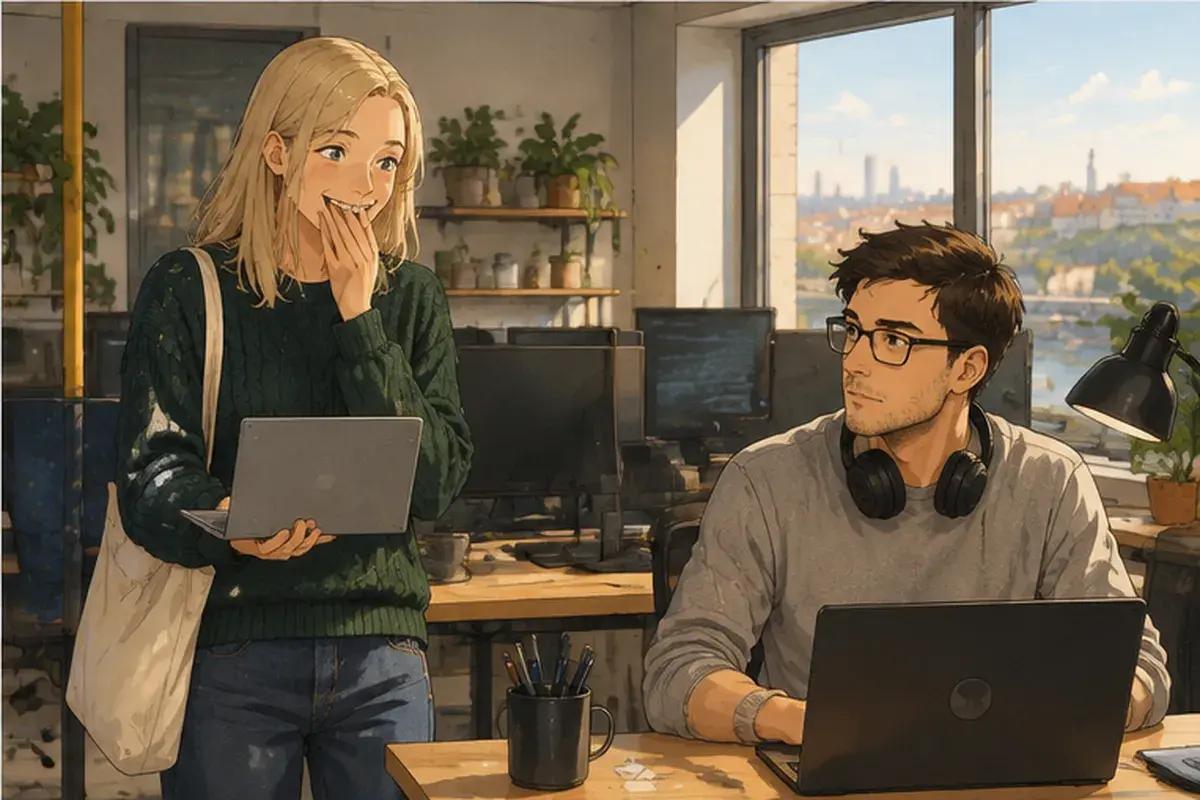
Иако сам имала предрасуду да су програмери мирни и озбиљни, Душан ме је изненадио својим хумором. То је било лепо откриће.
Although I had a prejudice that programmers are calm and serious, Dušan surprised me with his humor (woman speaking). That was a nice discovery.
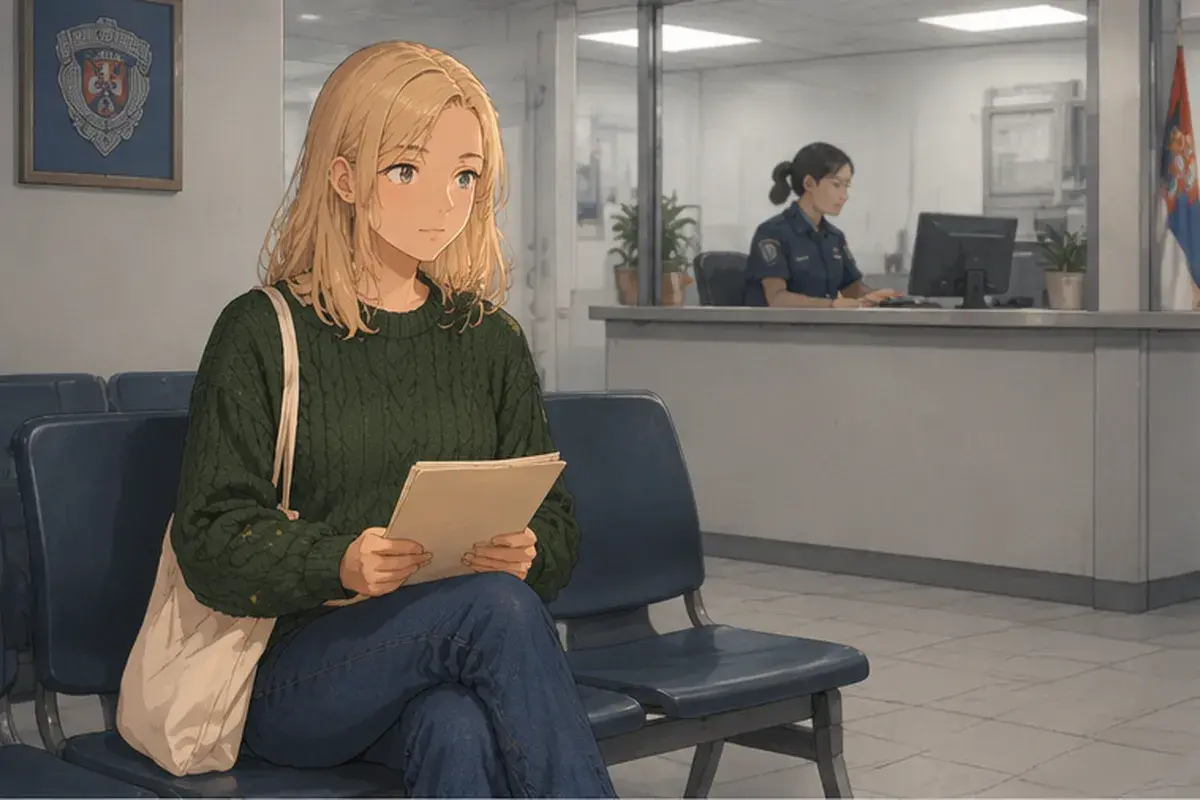
Папири су били мањи проблем, јер је фирма још у јулу све послала преко интернета. У полицију сам ишла само два пута: због отисака прстију и по картицу.
The paperwork was a smaller problem, because the company sent everything over the internet back in July. I went to the police only twice: for fingerprints and to pick up my card (woman speaking).

Упркос свакодневној вежби, оно што је остало тешко до данас јесте разлика између два слова која звуче скоро исто. Зато ми је писање теже од говора.
Despite daily practice, what has stayed hard to this day is the difference between two letters that sound almost the same. That's why writing is harder for me than speaking.

Свако вече понављам речи из свеске, а та навика ми се свиђа.
Every evening I repeat words from my notebook, and I like that habit.
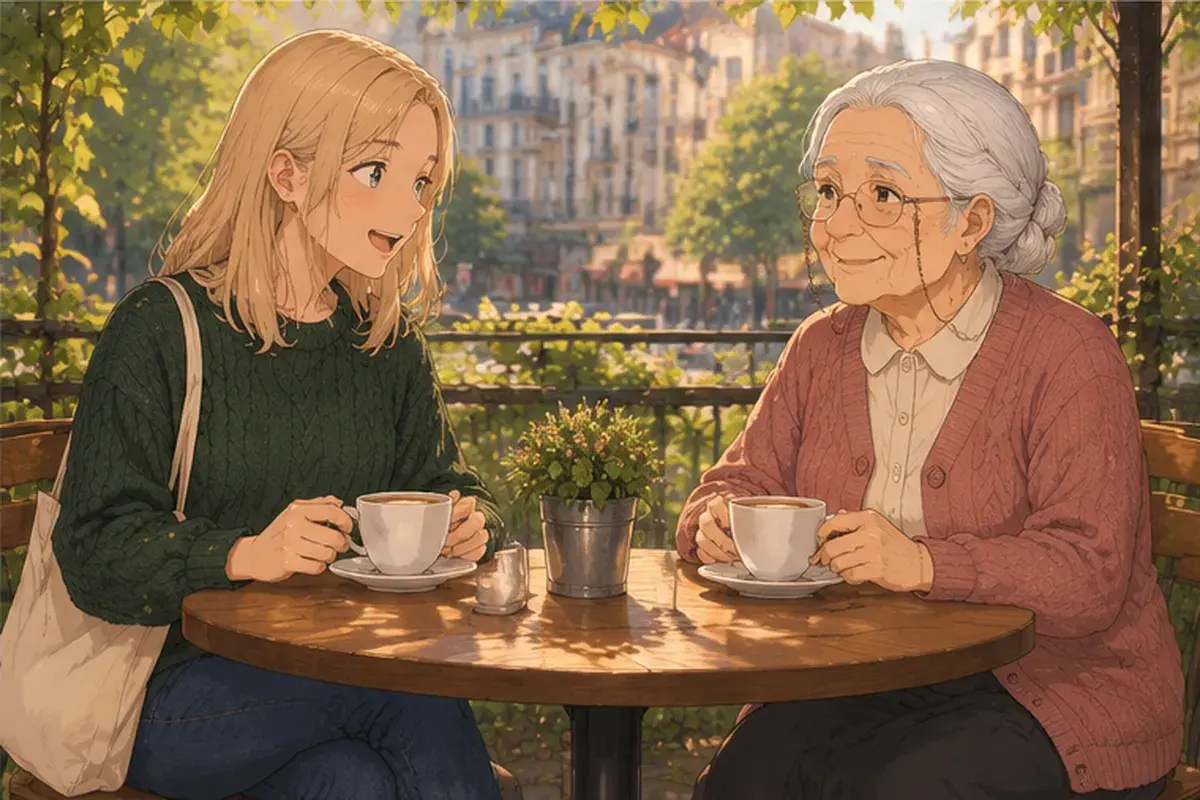
Мој закључак је једноставан: језик најбрже учим за столом, уз кафу.
My conclusion is simple: I learn a language fastest at the table, over coffee.

Ако сте и ви дошли из друге земље, ево савета који су мени помогли. Кад вас неко позове на кафу, реците „да“.
If you've come from another country too, here are some tips that helped me (to several people). When someone invites you for coffee, say "yes" (to several people).

Не чекајте савршен говор. Људи ће вам изаћи у сусрет чим виде да се трудите.
Don't wait for perfect speech (to several people). People will meet you halfway as soon as they see you're trying (to several people).
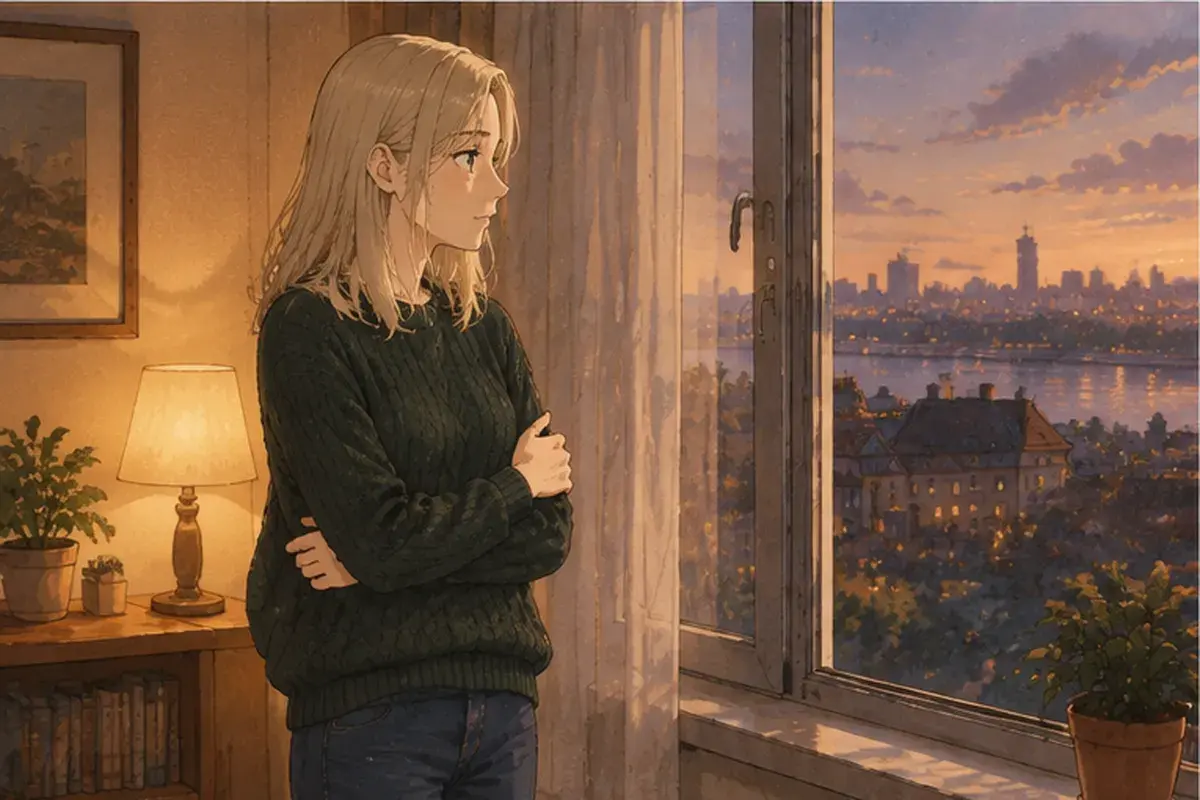
Ако вам у првим недељама буде тешко да се прилагодите, сетите се да ни мени није било лако.
If it's hard for you to adapt in the first few weeks, remember that it wasn't easy for me either (to several people).
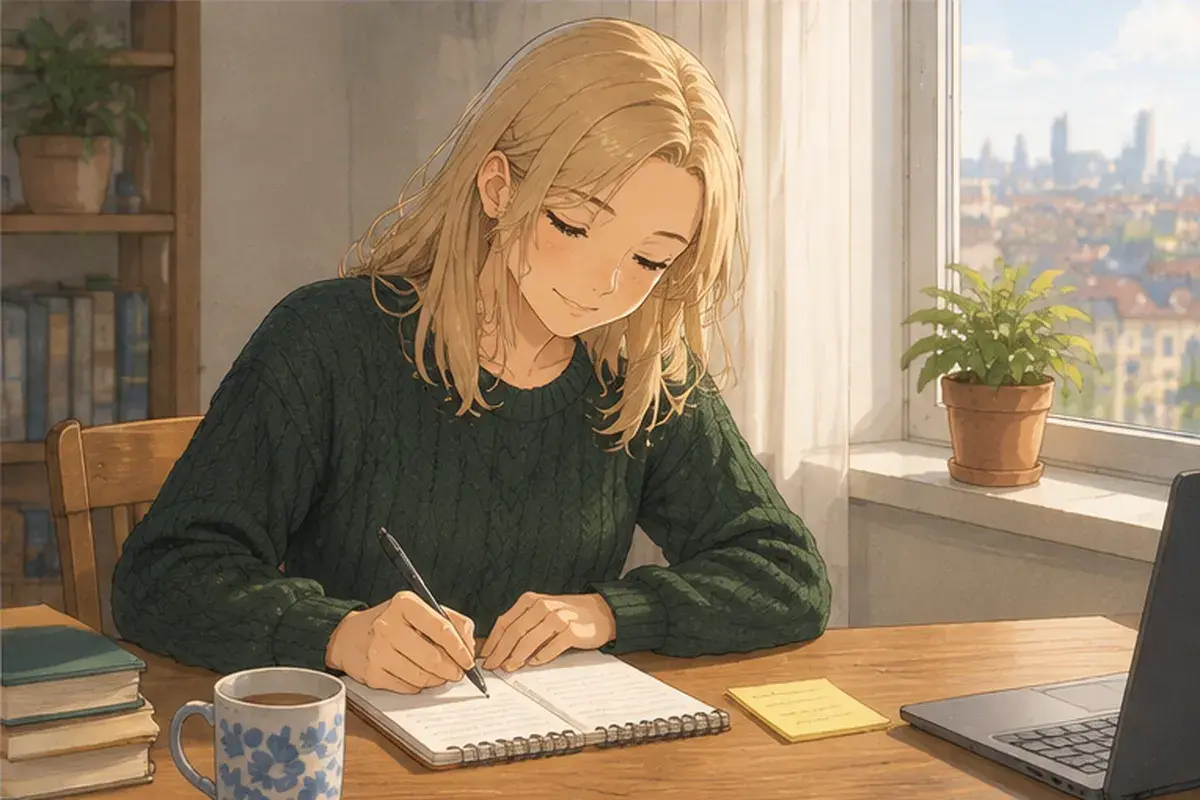
Све у свему, мој утисак је да сам добила више него што сам очекивала. Кад будем писала следећи текст, надам се да ћу већ знати разлику између „куће“ и „куче“.
All in all, my impression is that I got more than I expected (woman speaking). When I write my next text, I hope I'll already know the difference between "kuće" and "kuče" (woman speaking).
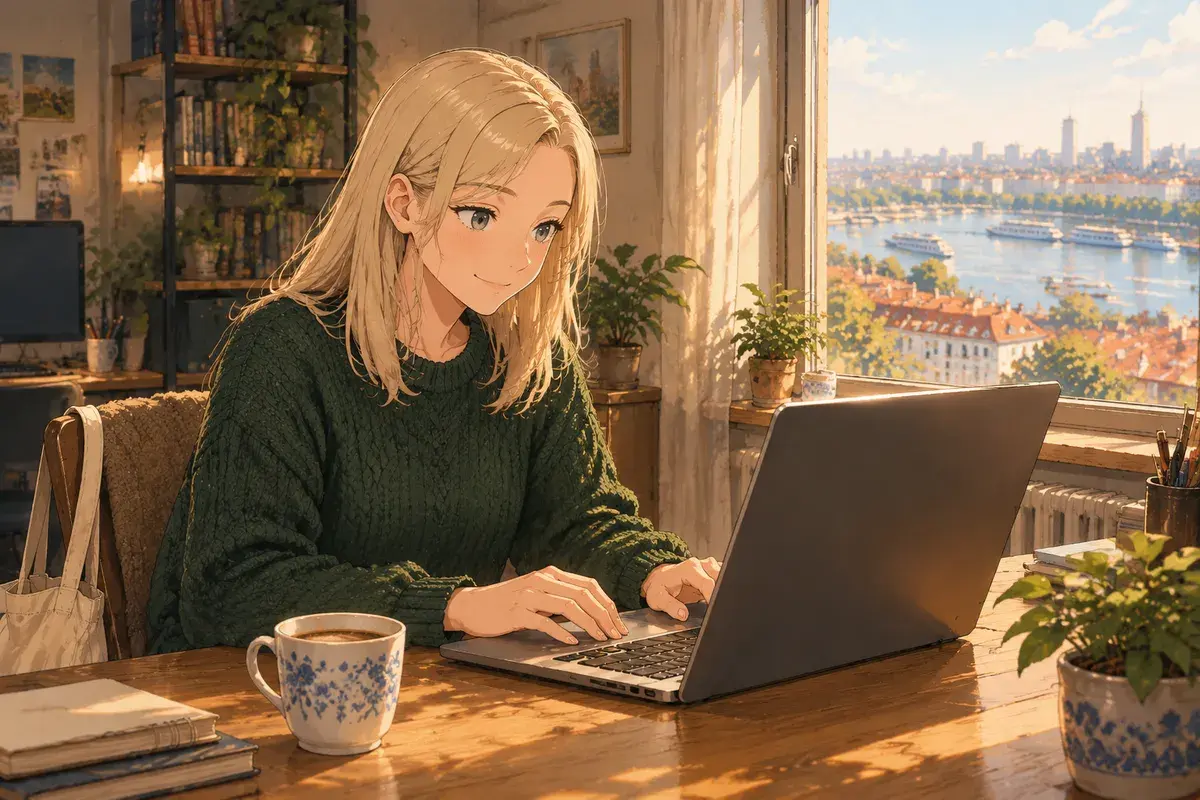
Драги читаоци, напишите у коментару испод ове објаве шта вас је изненадило. Радо ћу коментарисати сваку причу, јер волим да делим искуства.
Dear readers, write in the comments below this post what surprised you (to several people). I'll gladly comment on every story, because I love sharing experiences.
Grammar for this text
Кад ме је Милица замолила да напишем текст за блог наше фирме, одмах сам знала како ће се звати— theкадpart comes first, so a comma follows it.како ће се зватиis an indirect question (unit 10): Serbian saysкако(literally "how") where English says "what it would be called".Радмила, код које сам тада живела—којеis genitive afterкод: gender and number come fromРадмила, the case comes from the preposition. This part only adds information about Radmila, so it sits between commas. Inево савета који су мени помоглиthe part tells you which advice, so there is no comma beforeкоји.Највише ме је изненадило то што једна кафа овде траје цео сат—то штоmeans "the fact that", with no comma.сатmeans both "hour" and "clock":нико не гледа на сат— nobody looks at the clock.Док пијемо кафу, разговор је важнији од посла—докmeans "while" (A2, unit 26); theдокpart comes first, so a comma follows it.Иако сам имала предрасуду да су програмери мирни и озбиљни, Душан ме је изненадио—иакоmeans "although" (A2, unit 26), with a comma after the first part.Људи ће вам изаћи у сусрет чим виде да се трудите—чимmeans "as soon as" (unit 6) andвидеis a perfective verb: "they see". Theчимpart comes second, so there is no comma.Ако вам у првим недељама буде тешко—будеis future II (unit 15): "if it's hard".Кад будем писала следећи текст—будем писалаmeans "when I write" (будем+ the -la form).Кад вас неко позове на кафу, реците „да“—рецитеmeans "say" (formal or to several people);даin quotes is "yes", not "that".
Words and grammar of the unit: Write a blog post about your year in Belgrade.
Learn the words from the texts with flashcards
In the app, you can tap any word in a text to see its translation, forms and examples, and new words stick with flashcards. 15 minutes a day.
Start for freeEverything is open for free. No card needed to sign up.