
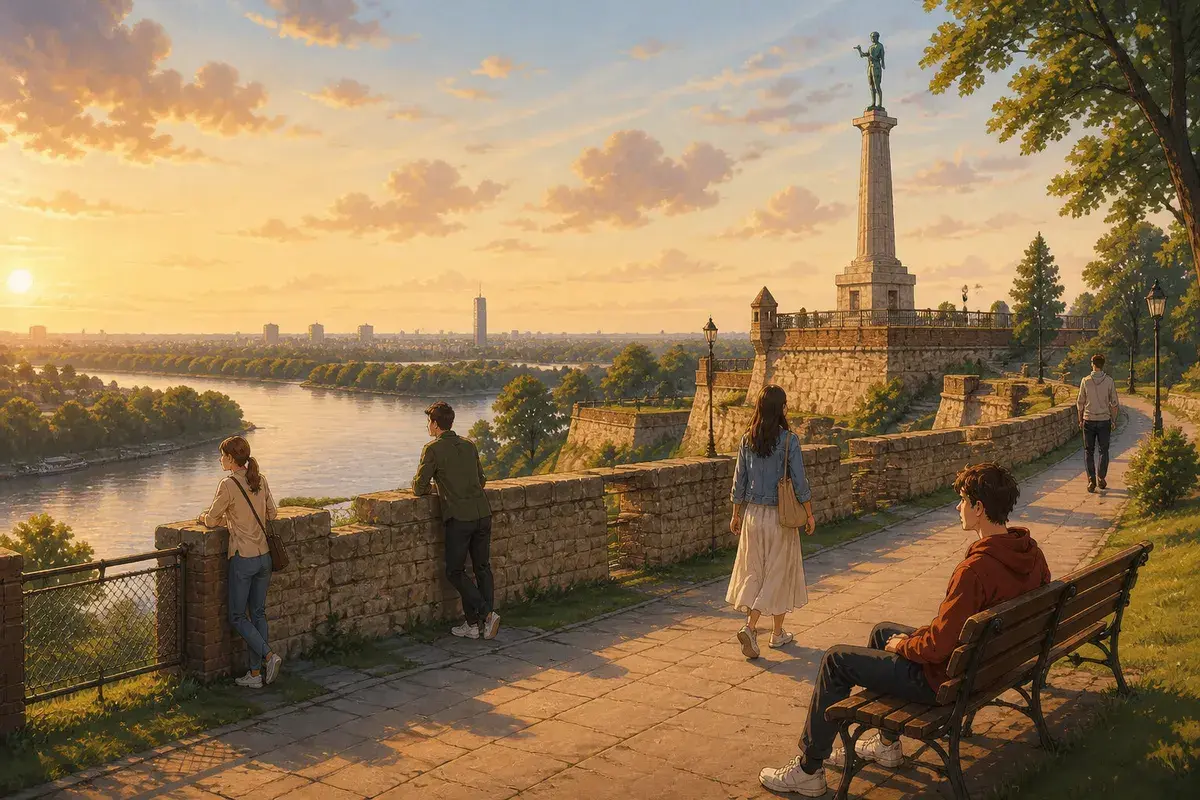
Serbian story with translation · B1 · 16 lines
Тврђава је увек отворена The fortress is always open
Comic · 16 panels
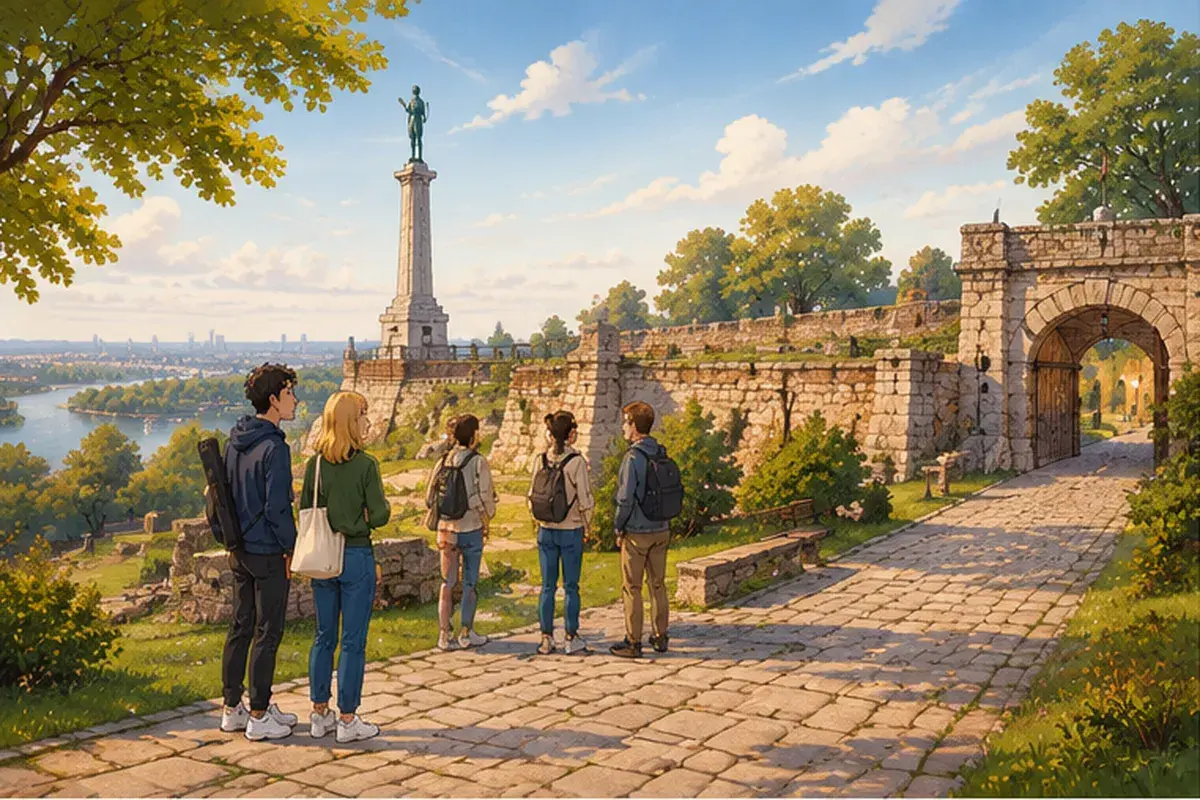
Овај мали водич је за госте који први пут долазе у Београдску тврђаву. Тврђава и парк око ње заједно се зову Калемегдан.
This little guide is for visitors who are coming to Belgrade Fortress for the first time. The fortress and the park around it are together called Kalemegdan.
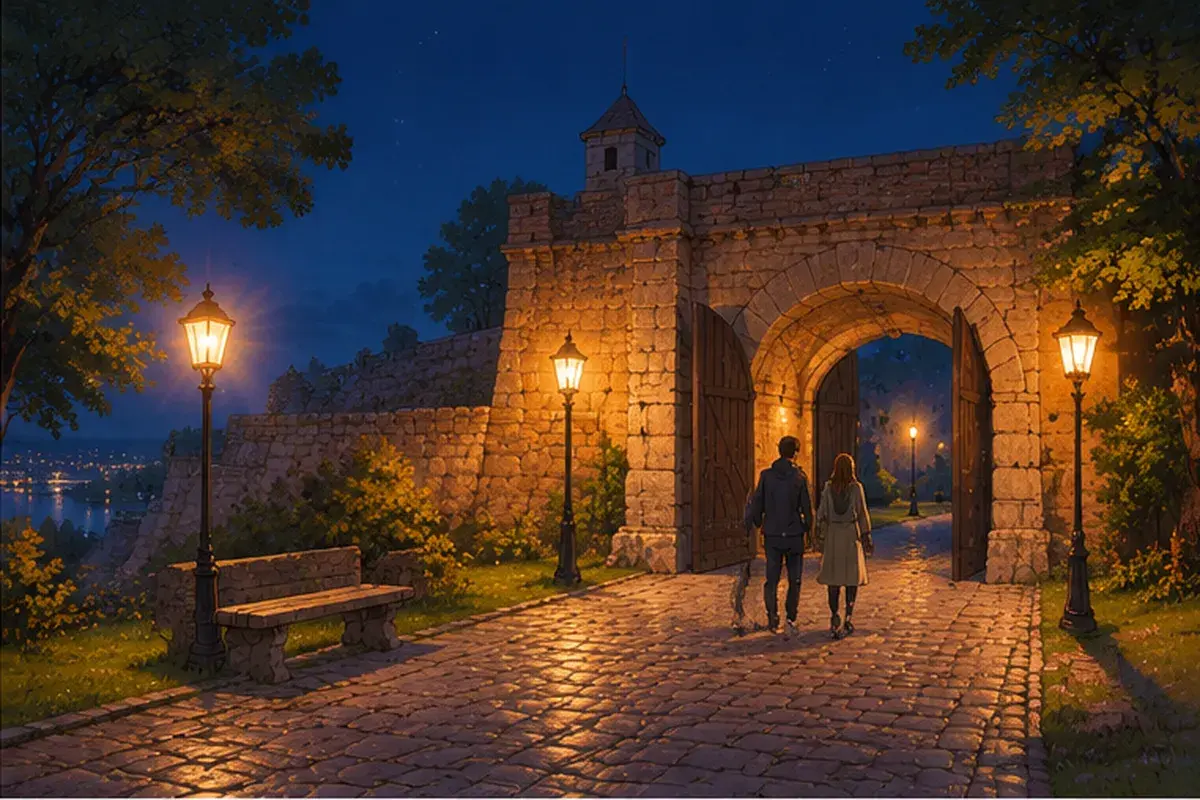
Тврђава је увек отворена, чак и ноћу. Улаз у парк и на зидине је бесплатан.
The fortress is always open, even at night. Entrance to the park and the walls is free.
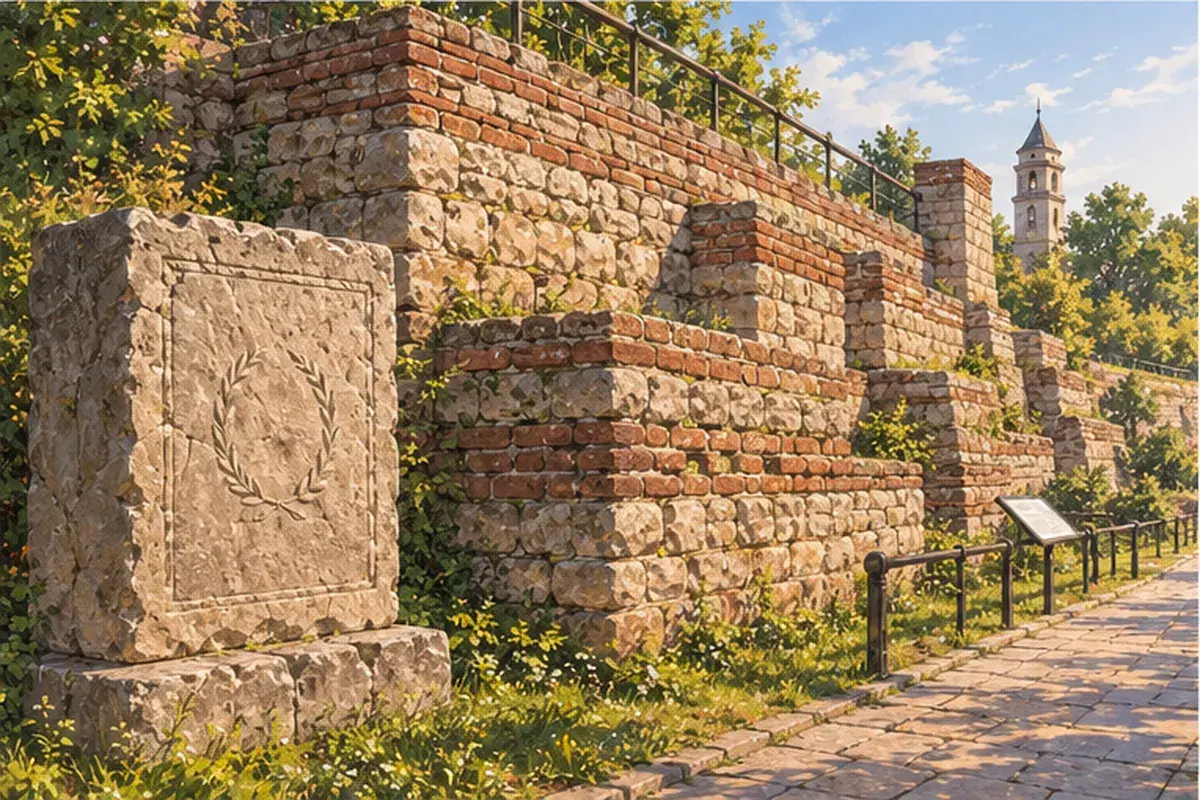
Овде је пре скоро две хиљаде година основан римски град Сингидунум. После тога су зидине више пута срушене и обновљене.
Almost two thousand years ago the Roman town of Singidunum was founded here. After that the walls were destroyed and rebuilt more than once.
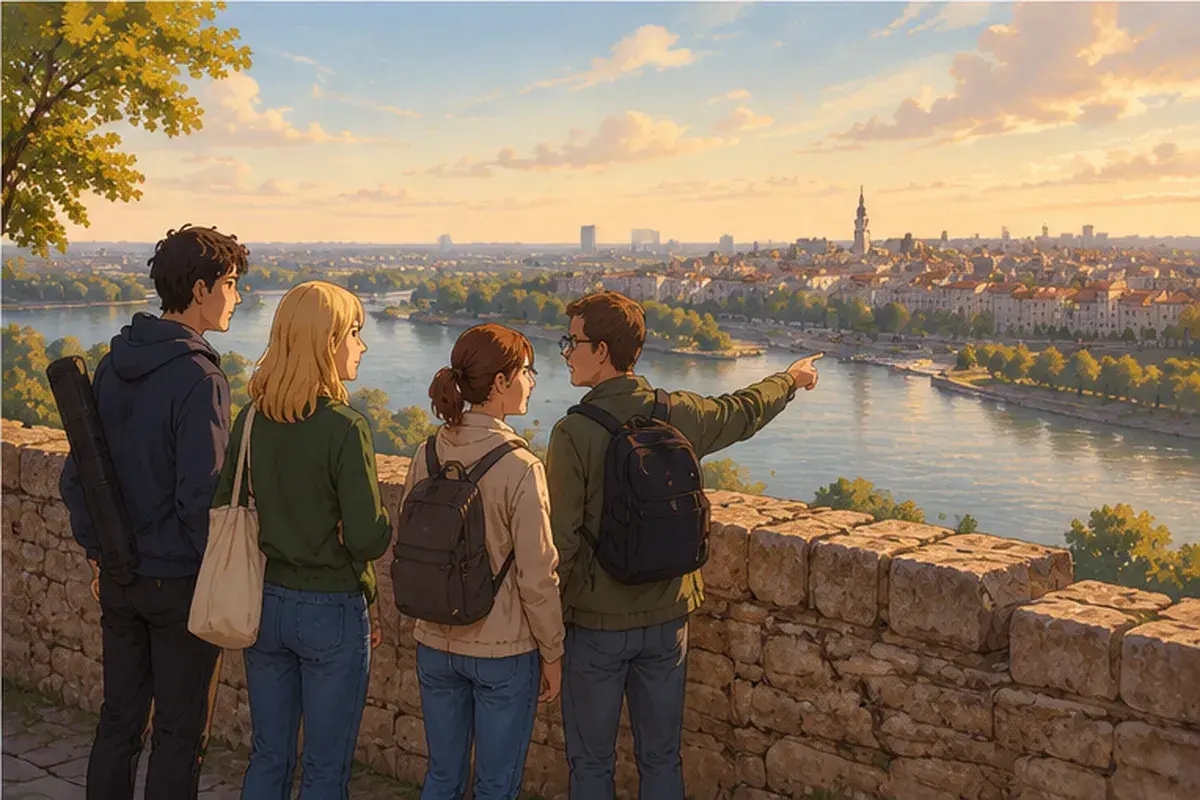
Ако вас занима прошлост Београда, почните овде, јер је град ту почео. Тврђаву су градили кроз многе векове, па је данас једно од најчувенијих историјских места.
If you're interested in Belgrade's past, start here, because the city began here (formal). The fortress was built over many centuries, so today it's one of the most famous historic sites.
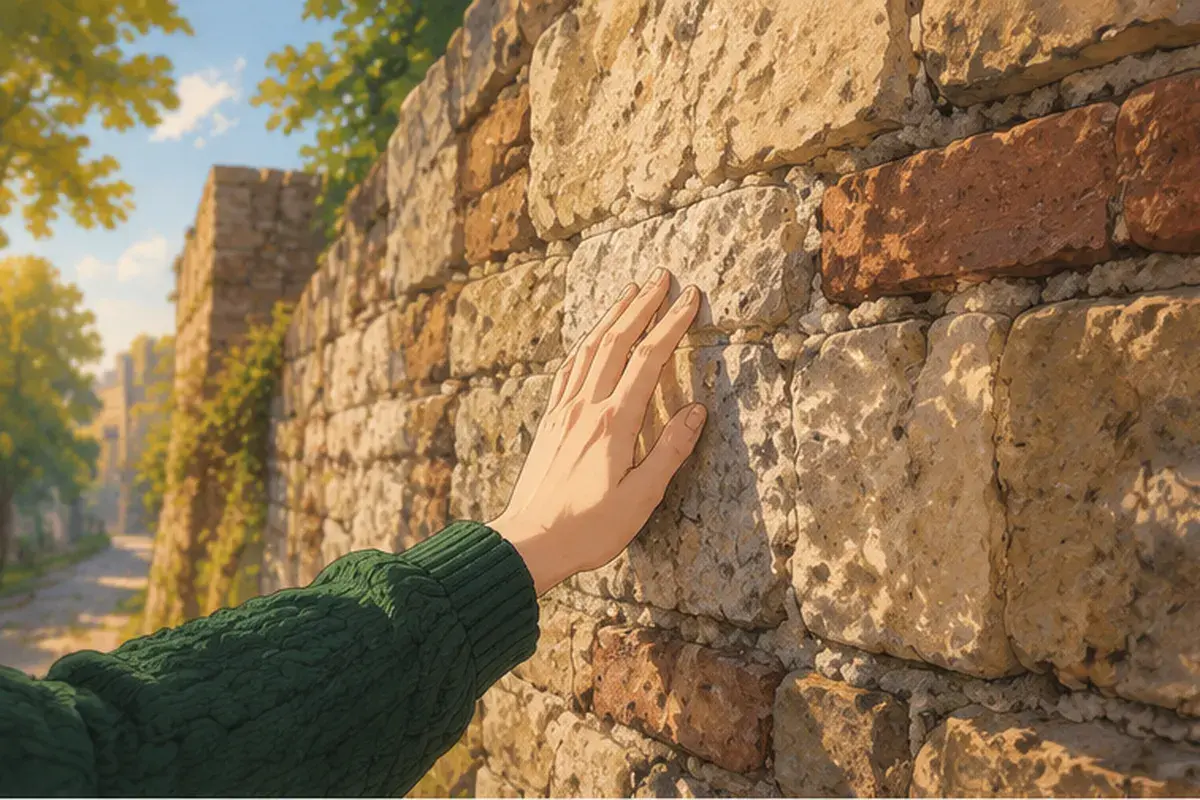
Зидине можете да читате као књигу: сваки слој камена је из другог века.
You can read the walls like a book (formal): each layer of stone is from a different century.
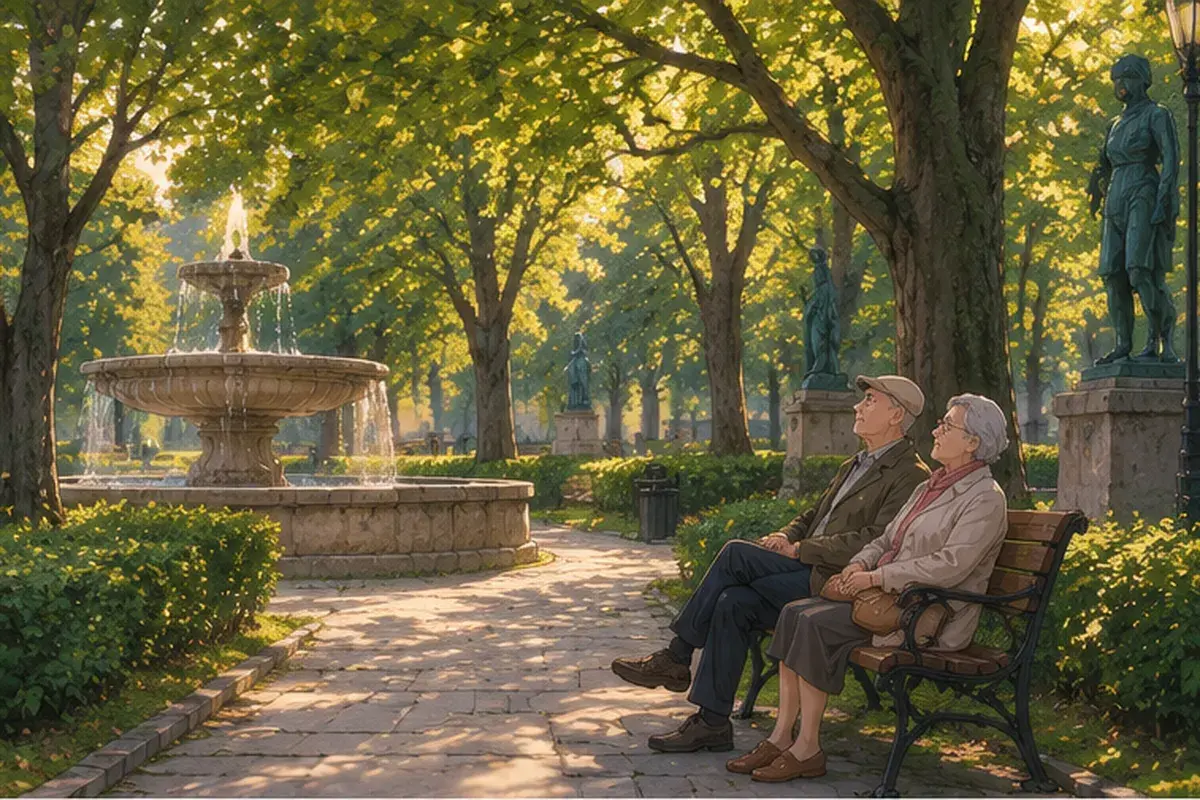
У парку има много кипова и фонтана, а клупе уз стазе су најбоље место за одмор.
In the park there are many statues and fountains, and the benches along the paths are the best place to rest.
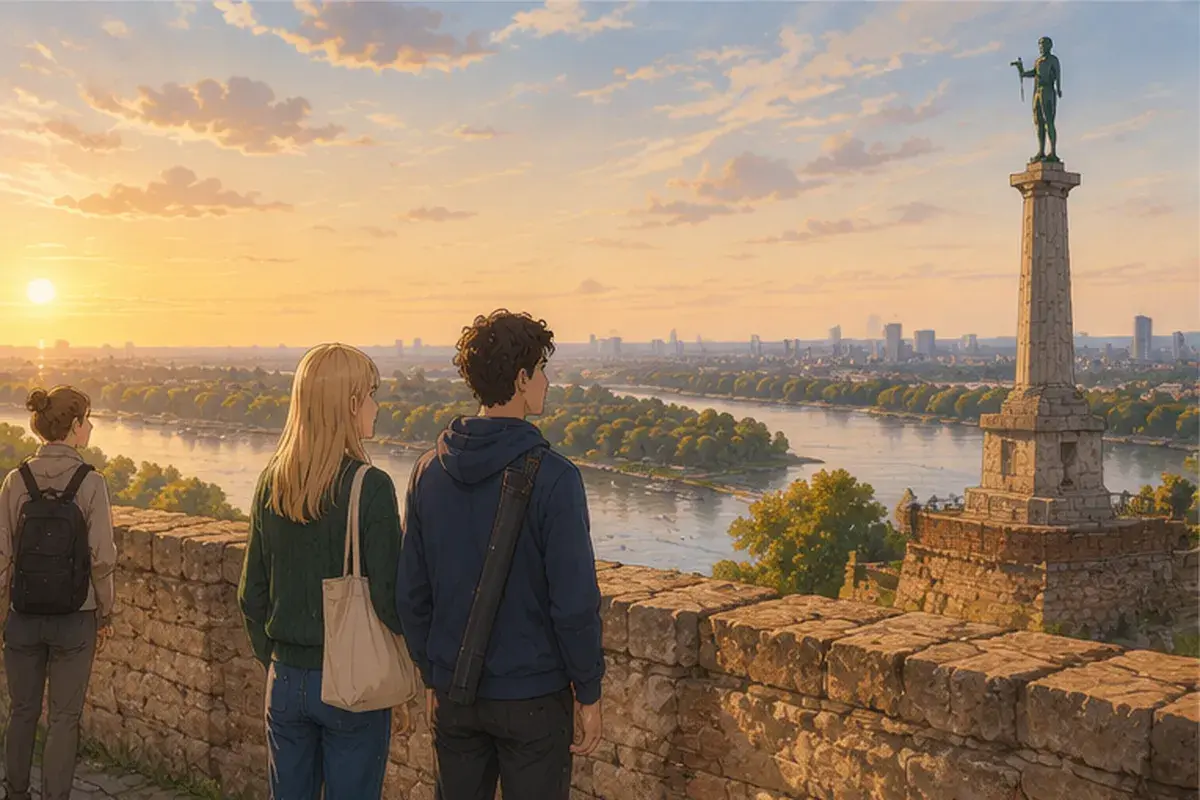
Најпознатији кип је Победник, који стоји на високом стубу изнад зидина. Одавде се види ушће Саве у Дунав, па многи долазе овамо да посматрају реке и град.
The most famous statue is Pobednik (the Victor), which stands on a tall column above the walls. From here you can see where the Sava meets the Danube, so many people come here to watch the rivers and the city.
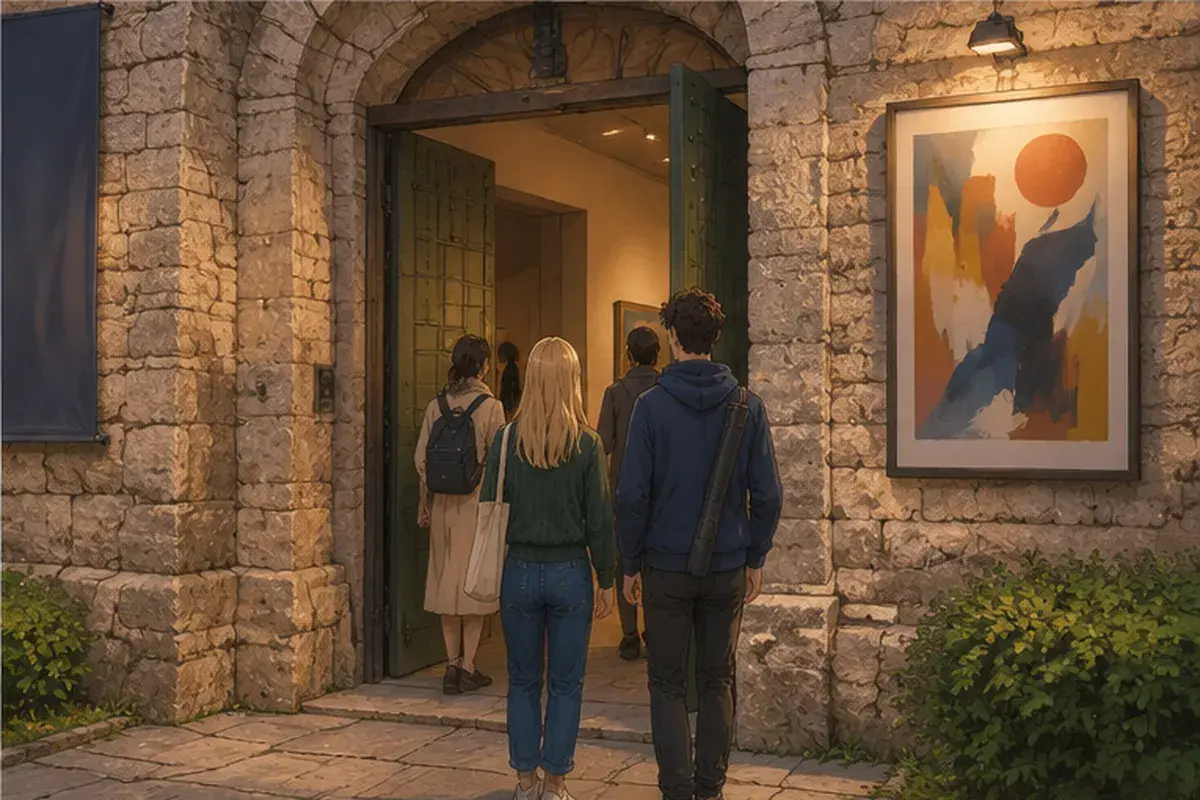
У тврђави има неколико музеја, а у њима понекад можете видети нове изложбе.
There are several museums in the fortress, and in them you can sometimes see new exhibitions (formal).
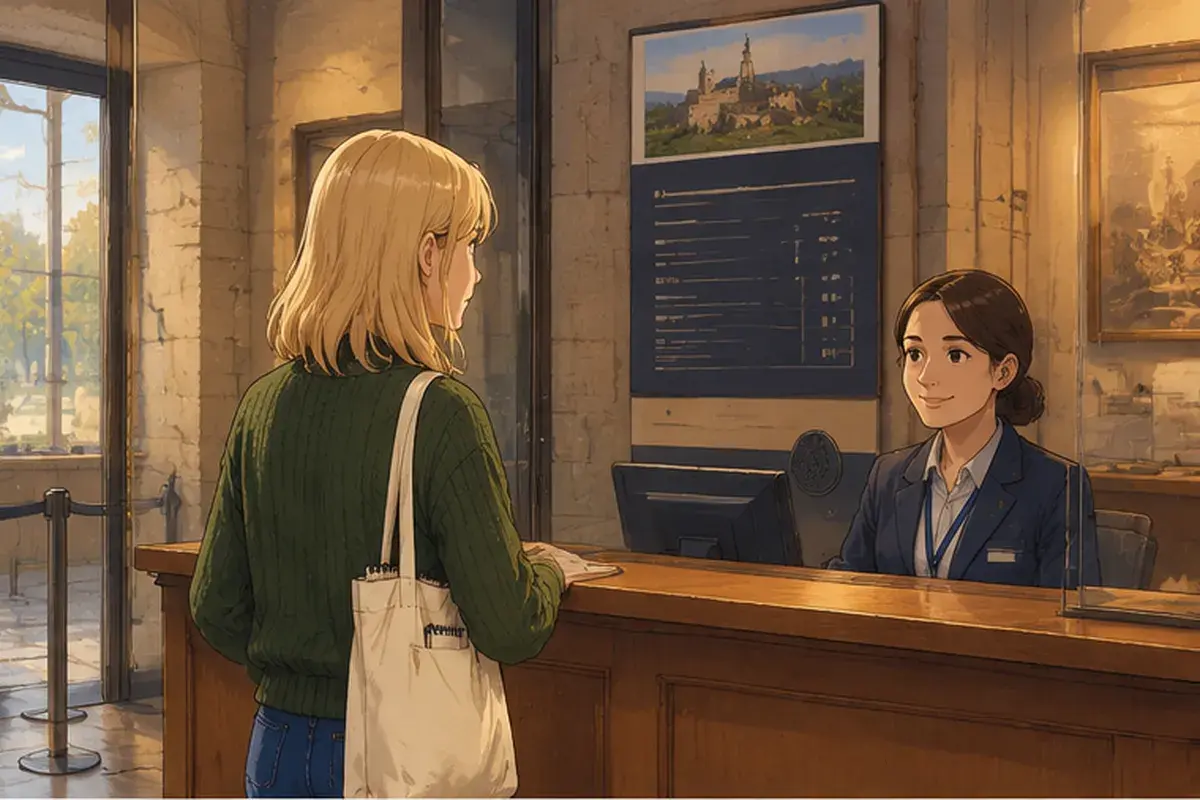
Улаз у музеје се плаћа, а цену карте и радно време видите на натпису код улаза.
You have to pay to enter the museums, and you'll see the ticket price and the business hours on the sign by the entrance (formal).

Ако желите да сазнате више, питајте водича у неком од музеја. Он ће вам радо испричати о обнови зидина.
If you want to find out more, ask a guide in one of the museums (formal). He'll be glad to tell you about the restoration of the walls (formal).
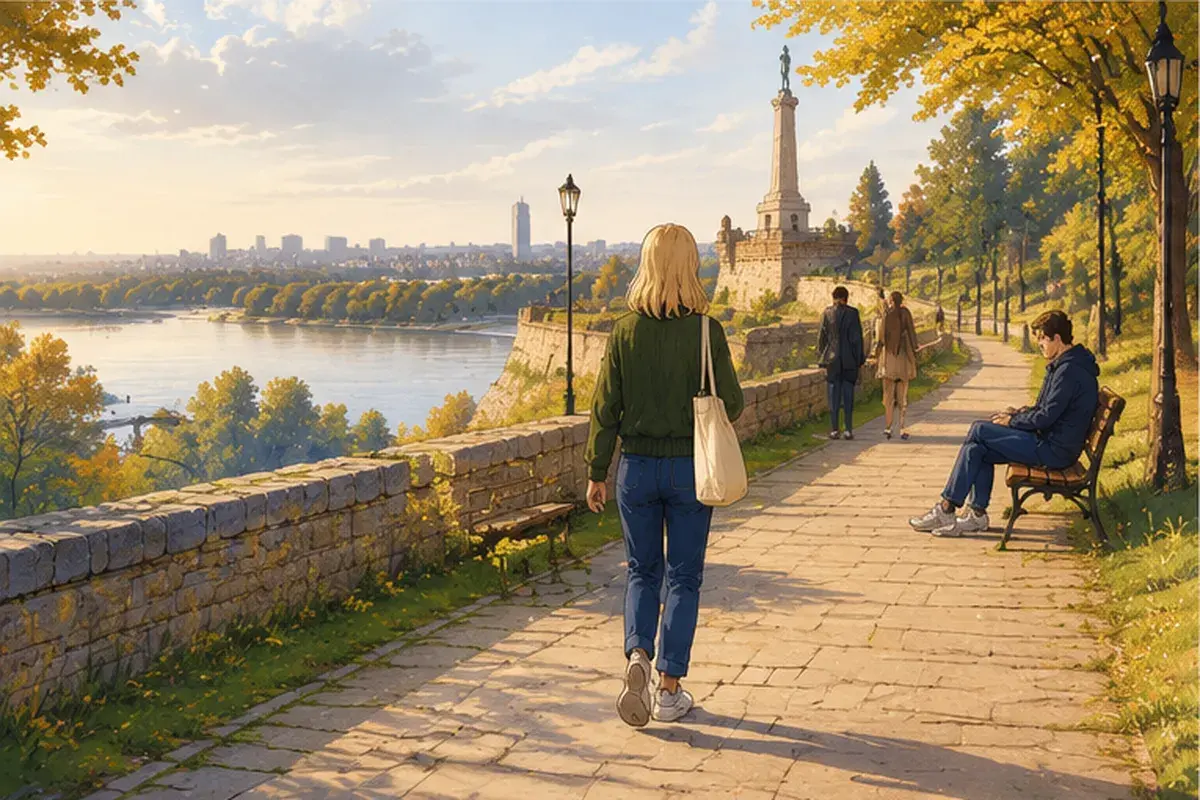
Савремене стазе и клупе стоје поред древних зидина, а овде можете да шетате колико хоћете.
Contemporary paths and benches stand next to the ancient walls, and here you can stroll as long as you like (formal).
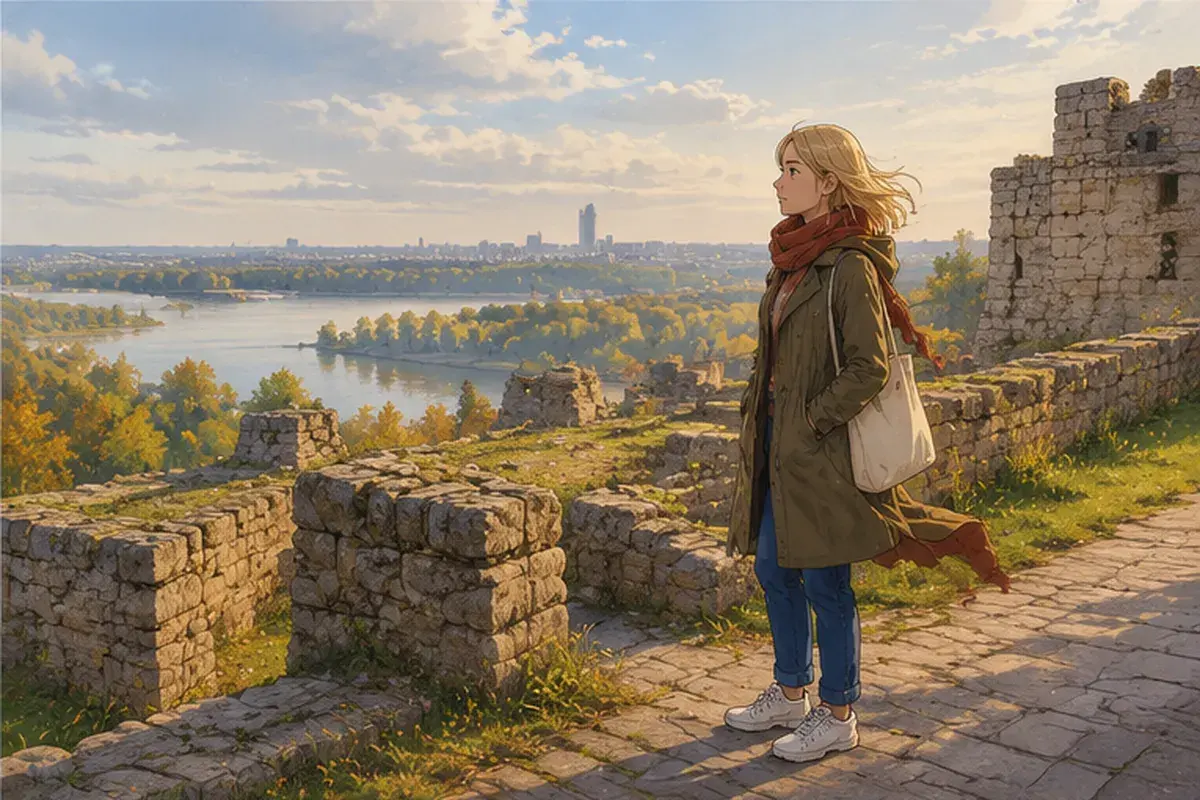
Неки делови зидина су рушевине, али и они причају о прошлости града. На зидинама често дува ветар, зато понесите и топао шал.
Some parts of the walls are ruins, but they too tell about the city's past. The wind often blows on the walls, so bring a warm scarf too (formal).
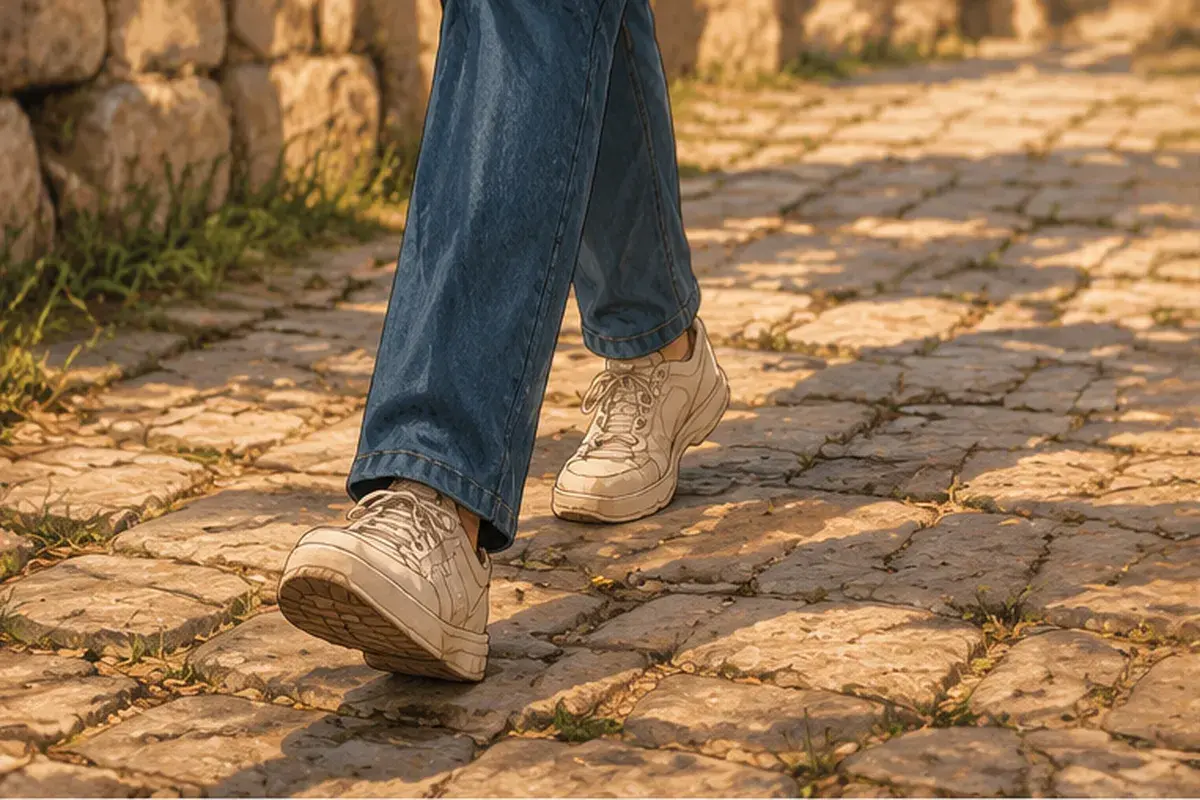
Носите удобне ципеле, јер ћете много ходати по старом камену.
Wear comfortable shoes, because you'll be walking a lot on old stone (formal).
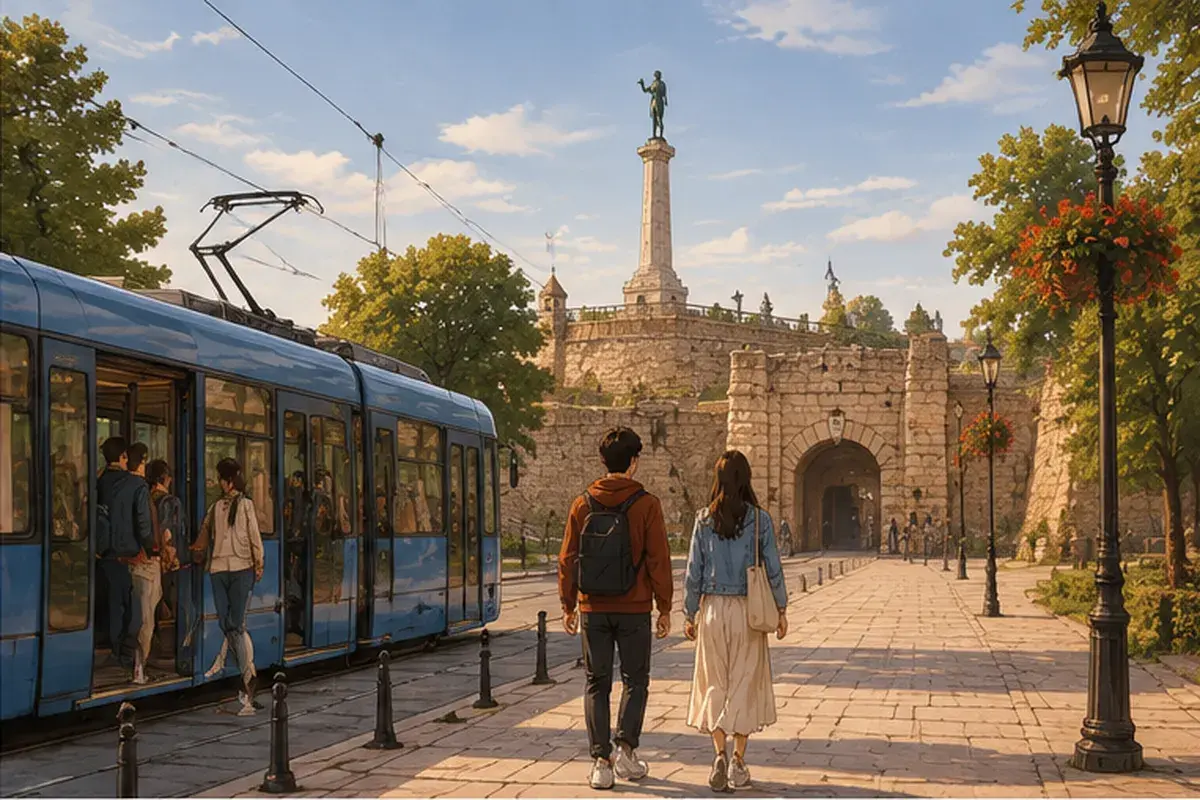
До тврђаве можете доћи градским превозом, који је бесплатан. Ако имате времена, најлепше је доћи пешке са Кнез Михаилове улице.
You can get to the fortress by public transportation, which is free (formal). If you have time, it's nicest to come on foot from Knez Mihailova Street (formal).
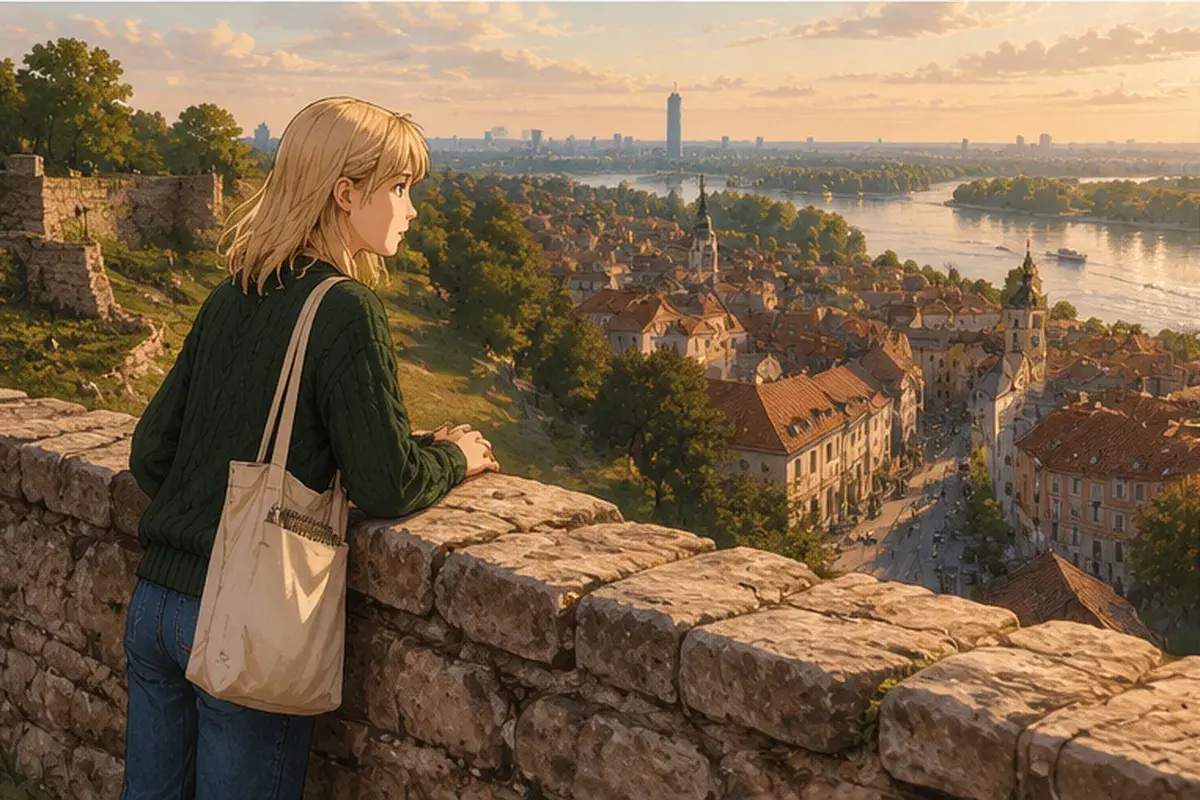
Са тврђаве можете да сиђете на Дорћол, где су некад биле чаршија и улице занатлија.
From the fortress you can go down to Dorćol, where the čaršija and the craftsmen's streets used to be (formal).
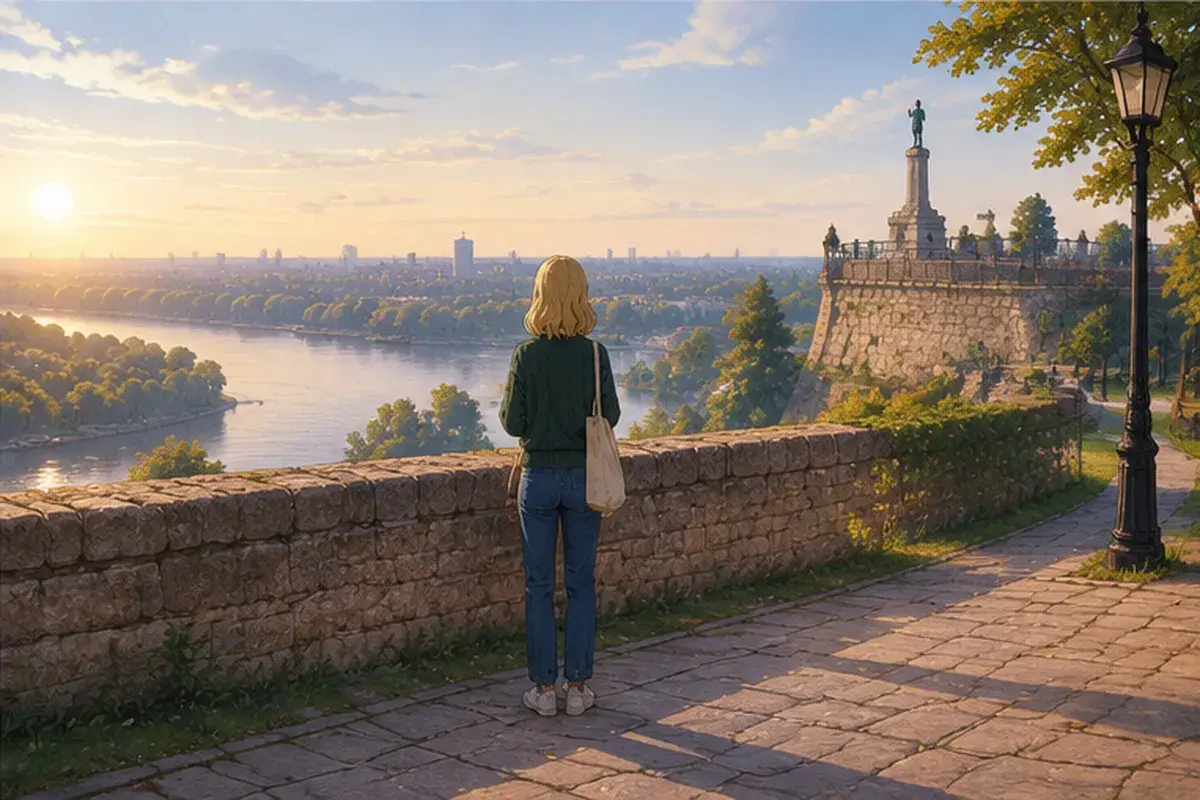
Најбоље је доћи ујутру, кад је тврђава празна. Увече је поглед на ушће предиван, а тврђава је мирнија него током дана.
It's best to come in the morning, when the fortress is empty. In the evening the view of the confluence is wonderful, and the fortress is calmer than during the day.
Grammar for this text
Овај мали водич је за госте који први пут долазе у Београдску тврђаву.—водичhere is a guidebook, not a person.којиis in the nominative and there is no comma (it tells us which guests).у+ accusative means “to” (direction).Тврђава је увек отворена, чак и ноћу.—отворенаis a passive participle (“open”, feminine), likeотвореноon signs.ноћуmeans “at night” with no preposition.чак иmeans “even”.Овде је пре скоро две хиљаде година основан римски град Сингидунум.—основанis a participle ofосновати(“founded”).две хиљаде годинаis “two thousand years”:хиљадаis feminine, so it takesдве, and the noun after it is in the genitive plural.Ако вас занима прошлост Београда, почните овде, јер је град ту почео.—вас занимаmeans “you are interested” (word for word “it interests you”;васis the accusative ofви). The comma comes after theАкоpart and beforeјер.Најпознатији кип је Победник, који стоји на високом стубу изнад зидина.—Победникis the name of the statue, written with a capital (not the same asпобедник, “winner”). A comma comes beforeкојиwhen it adds extra information.Улаз у музеје се плаћа— the impersonalсе: “you have to pay to enter the museums” (a ready-made phrase; the rule is in unit 8).Одавде се види ушће— the same pattern: “from here you can see the confluence”.Зидине можете да читате као књигу—можете да читатеmeans “you can read”:да+ present tense.
Words and grammar of the unit: Take a walk through old Belgrade.
Learn the words from the texts with flashcards
In the app, you can tap any word in a text to see its translation, forms and examples, and new words stick with flashcards. 15 minutes a day.
Start for freeEverything is open for free. No card needed to sign up.