
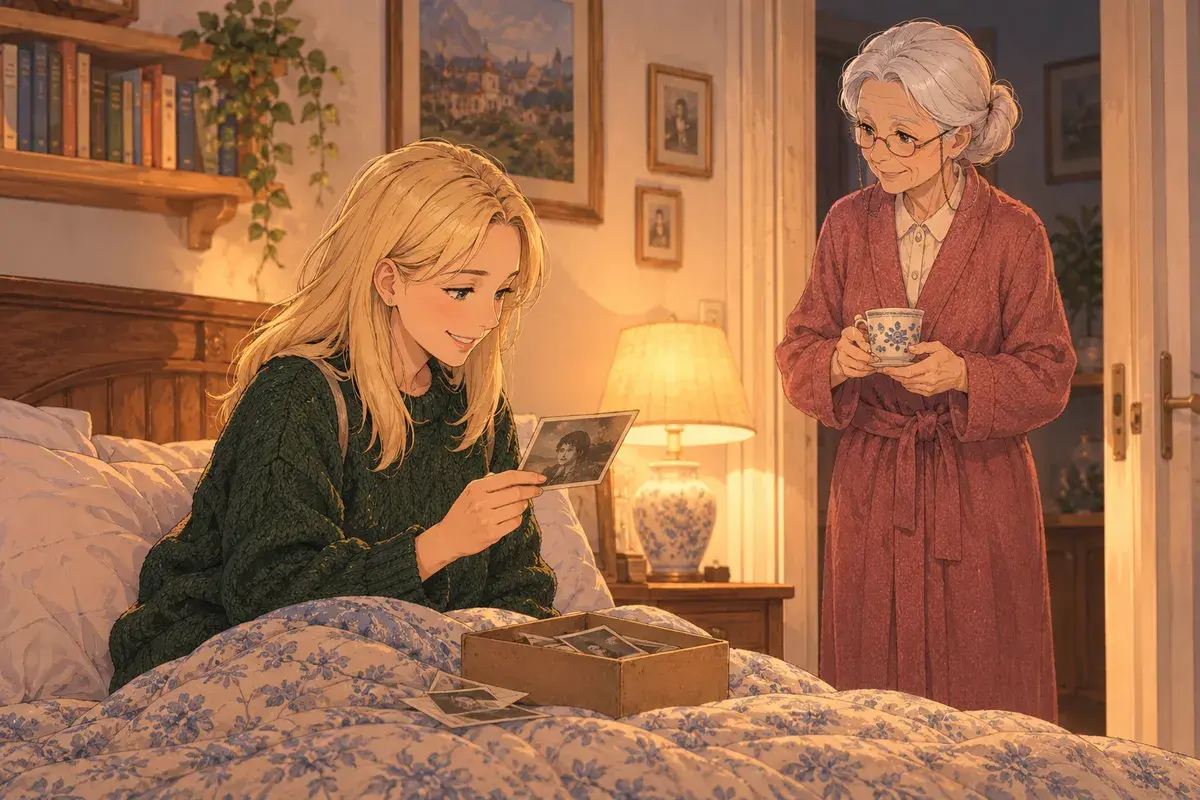
Serbian story with translation · A2 · 16 lines
Нико не умире ако га неко воли No one dies if someone loves them
Comic · 16 panels
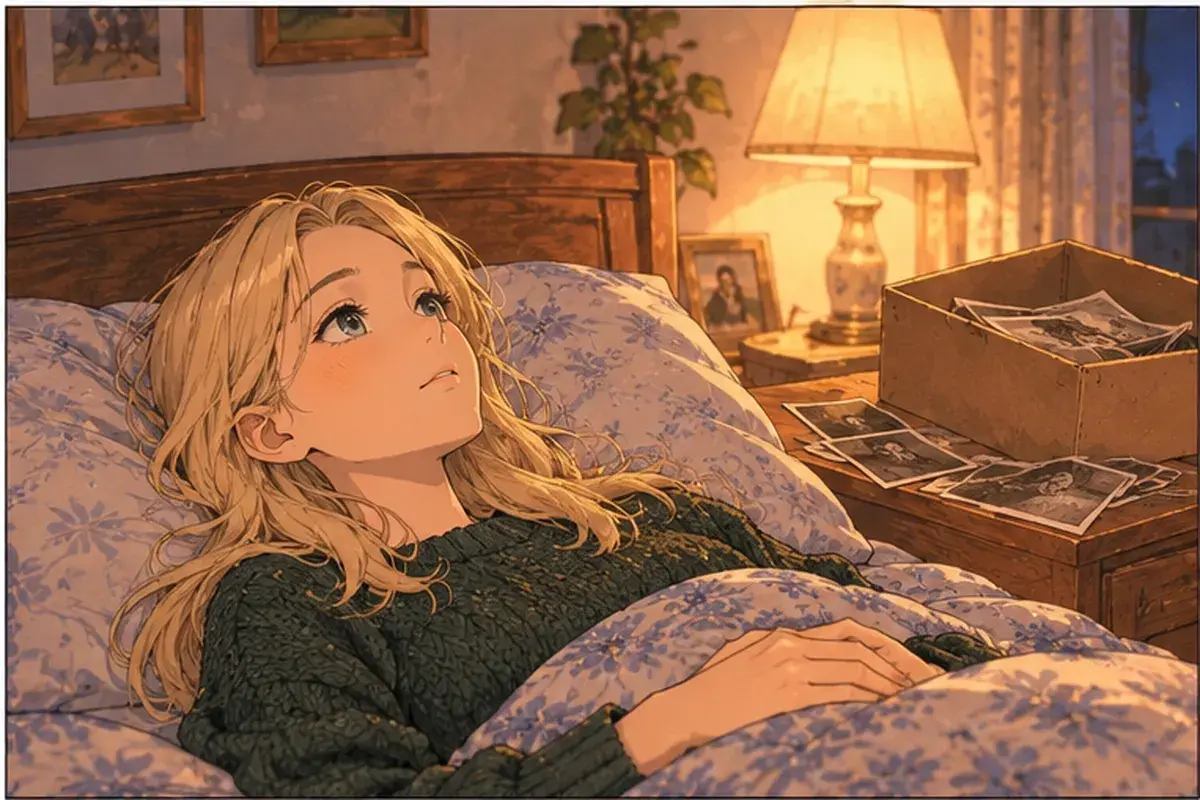
Вечерас не могу да заспим, стално мислим на фотографије тета Радмиле.
Tonight I can't fall asleep; I keep thinking about Aunt Radmila's photos.
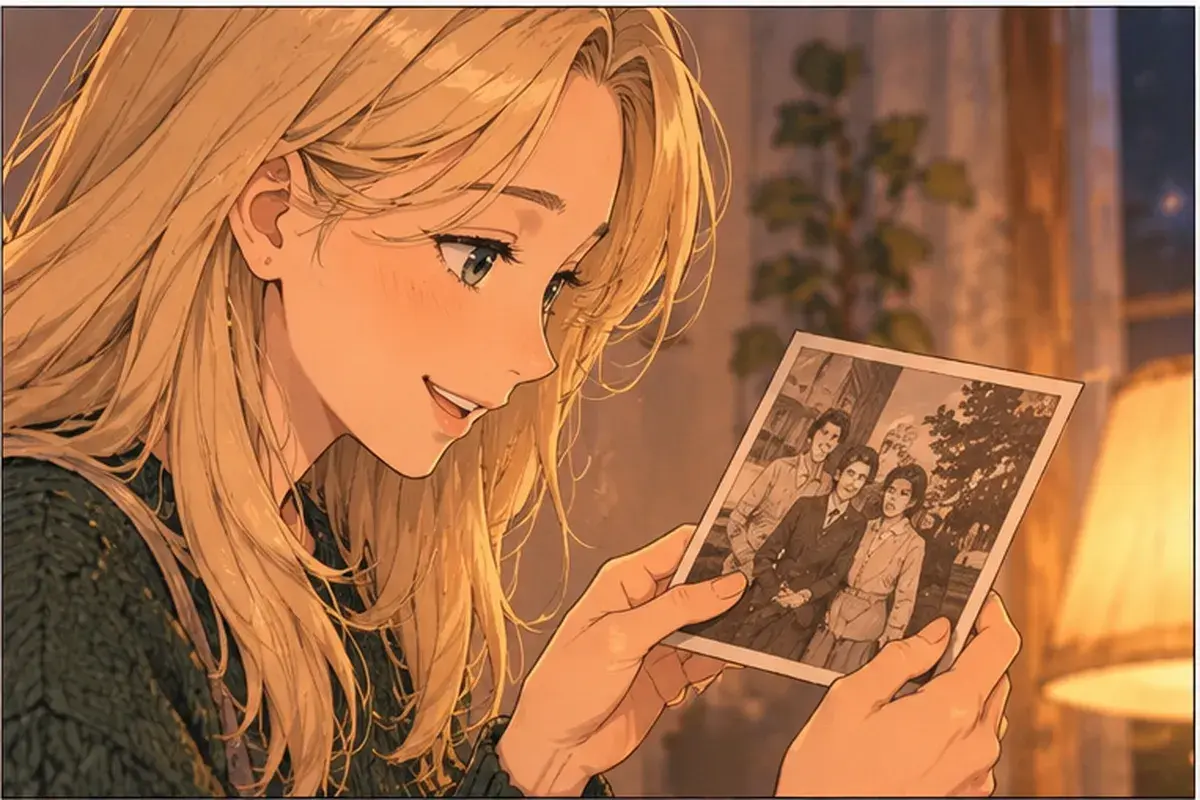
Те фотографије су из двадесетог века, а ипак изгледају јако живе.
Those photos are from the twentieth century, and yet they look really alive.
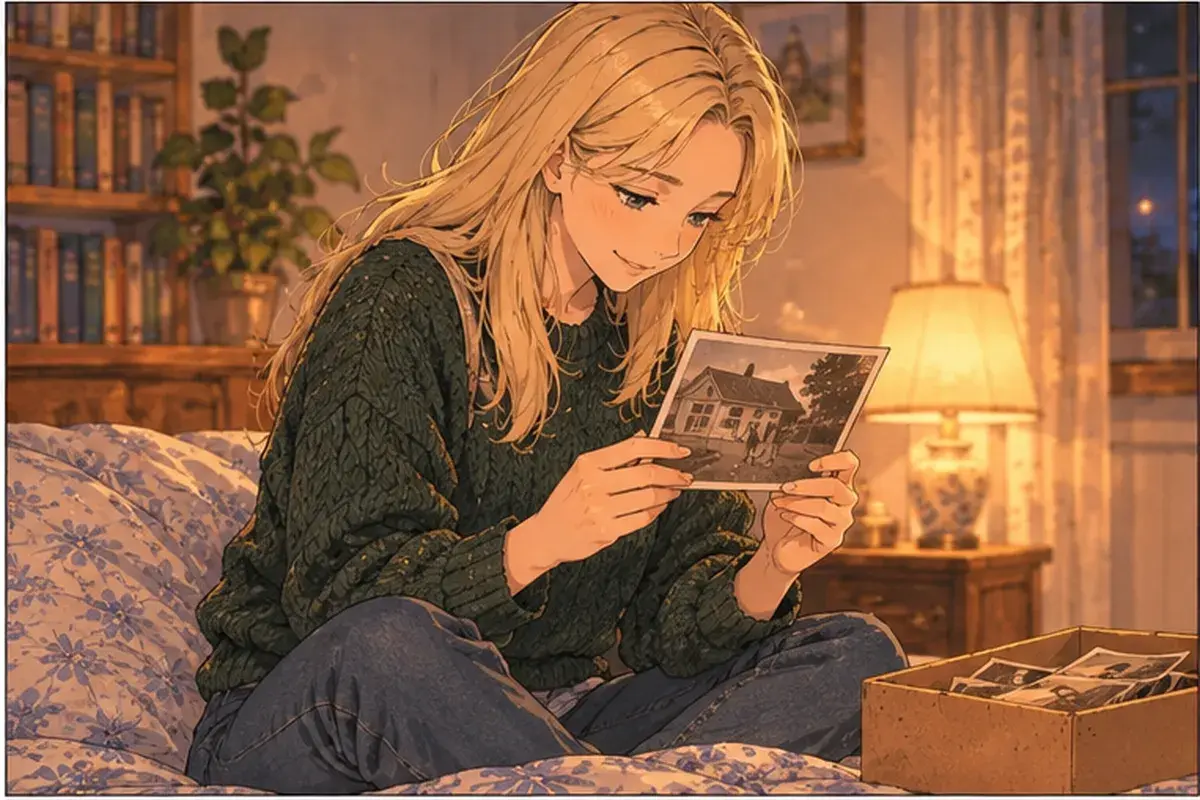
У кући у селу је двадесетих година живео Миодрагов деда.
In the twenties, Miodrag's grandfather lived in the house in the village.
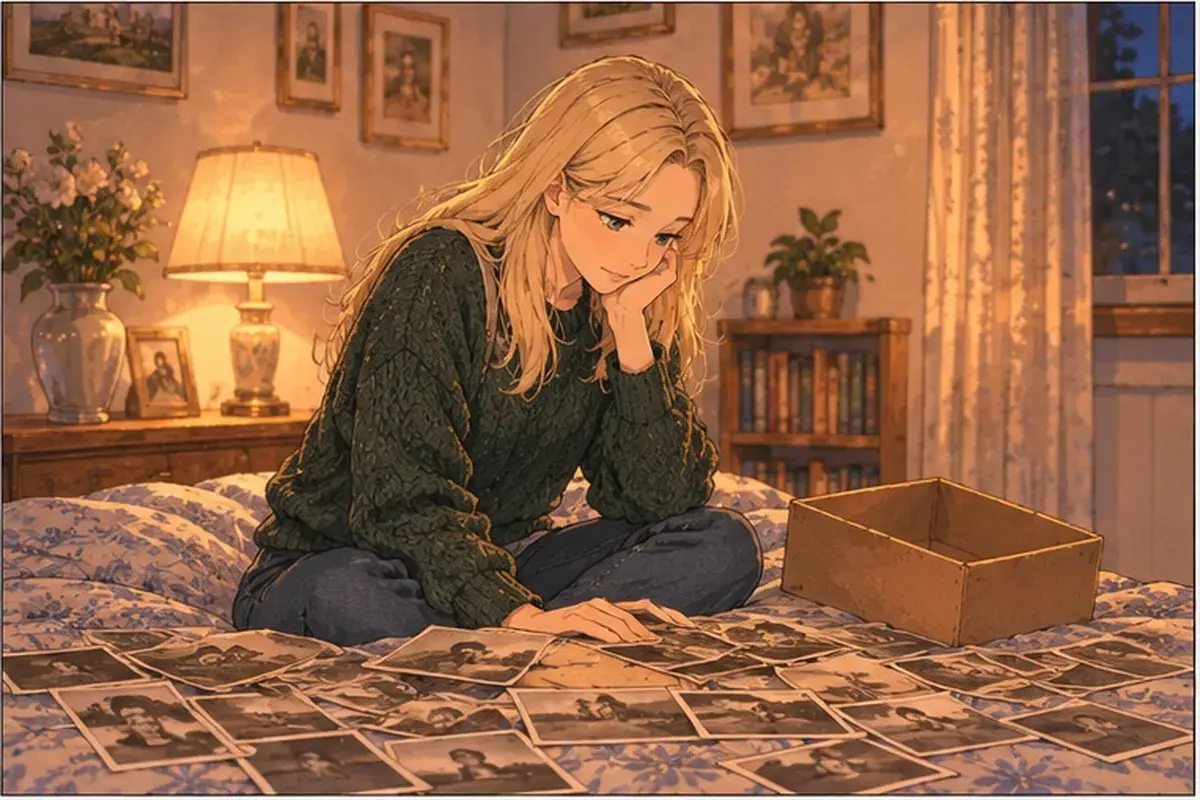
Тако је цео један век стао у једну кутију.
So a whole century fit into one box.
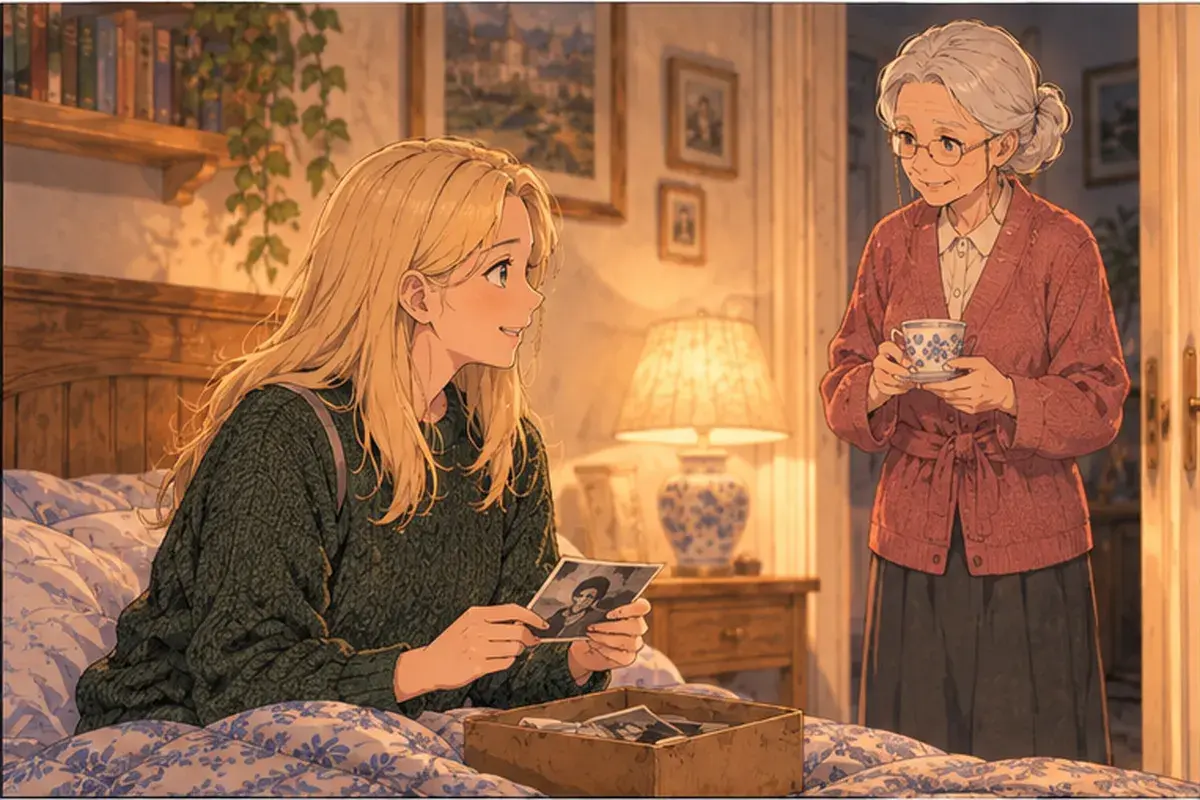
Миодраг се оженио Радмилом пре педесет година. Она и данас носи прстен.
Miodrag married Radmila fifty years ago. She still wears the ring today.
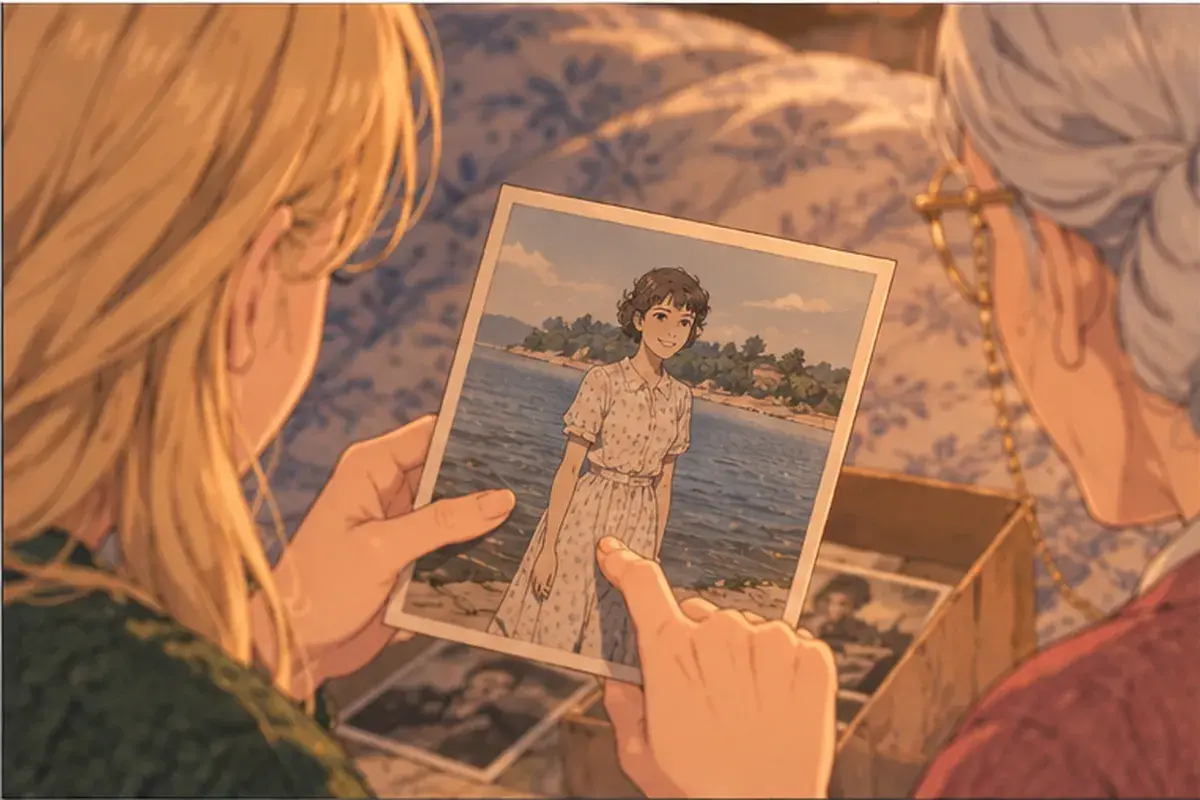
На једној фотографији млада Радмила стоји на острву. Иза ње је вода, плава као небо.
In one photo, a young Radmila is standing on an island. Behind her is water, as blue as the sky.
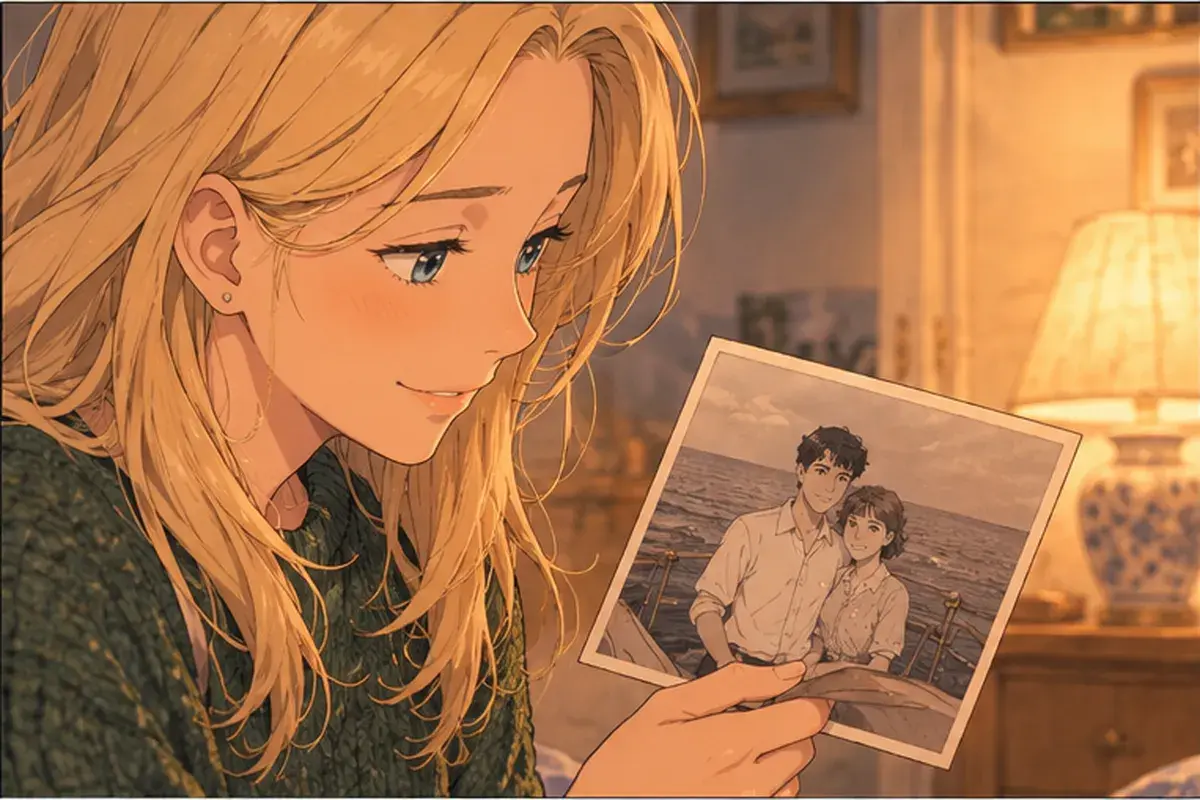
Тамо су отишли после венчања, на прво заједничко путовање.
They went there after the wedding, on their first trip together.
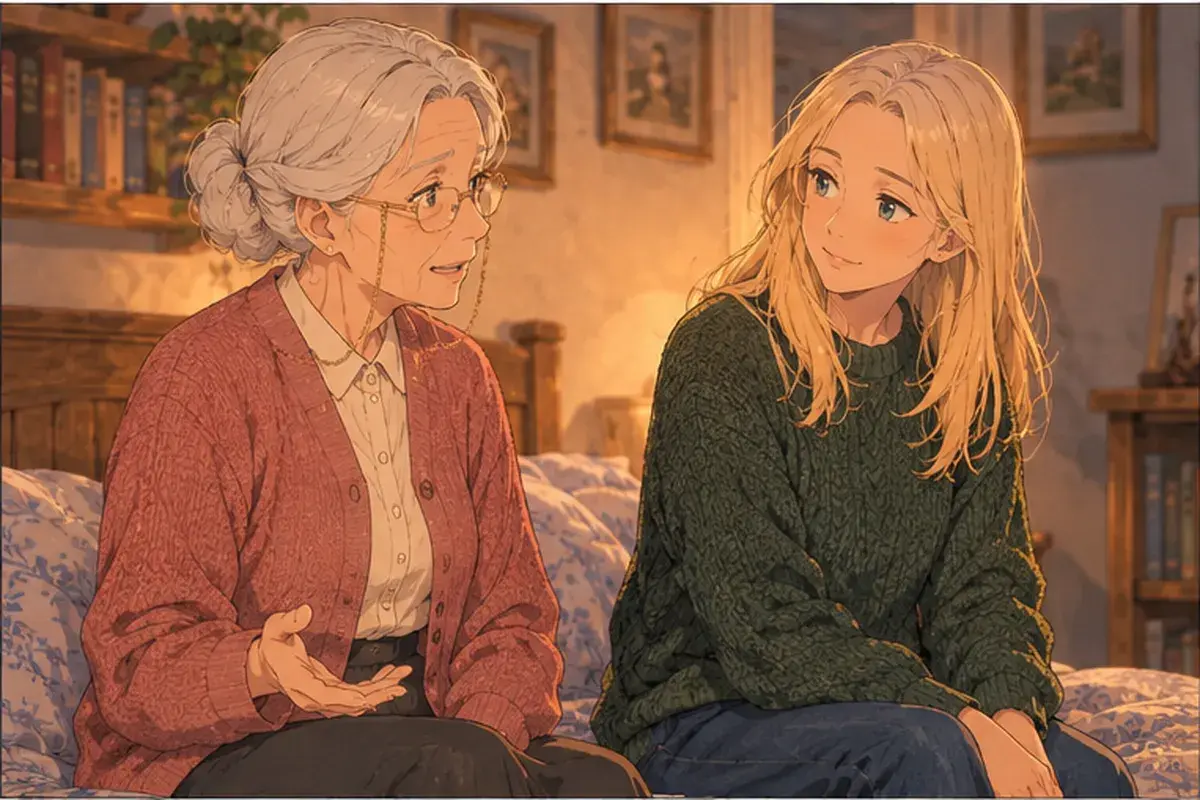
Она не воли да прича о његовој болести. Али о њиховом браку прича радо.
She doesn't like to talk about his illness. But she's happy to talk about their marriage.
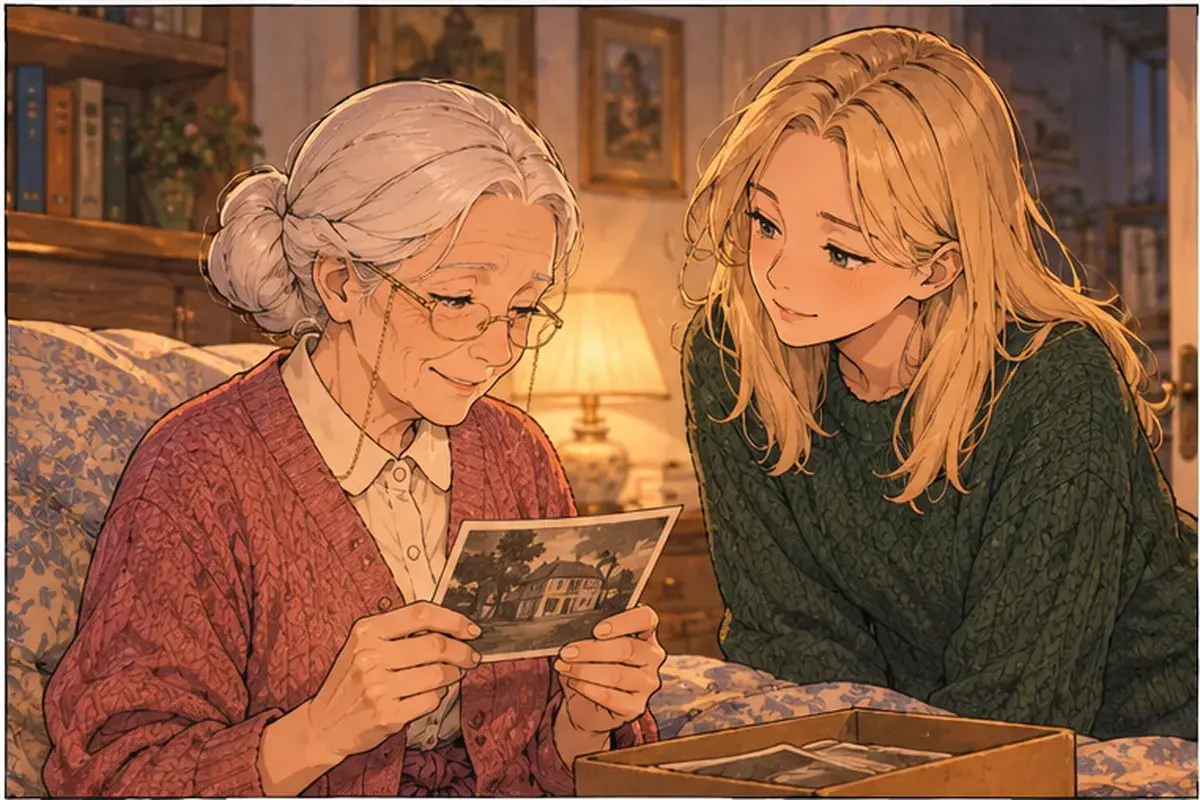
После његове смрти дуго је живела сама, али није била усамљена.
After his death she lived alone for a long time, but she wasn't lonely.
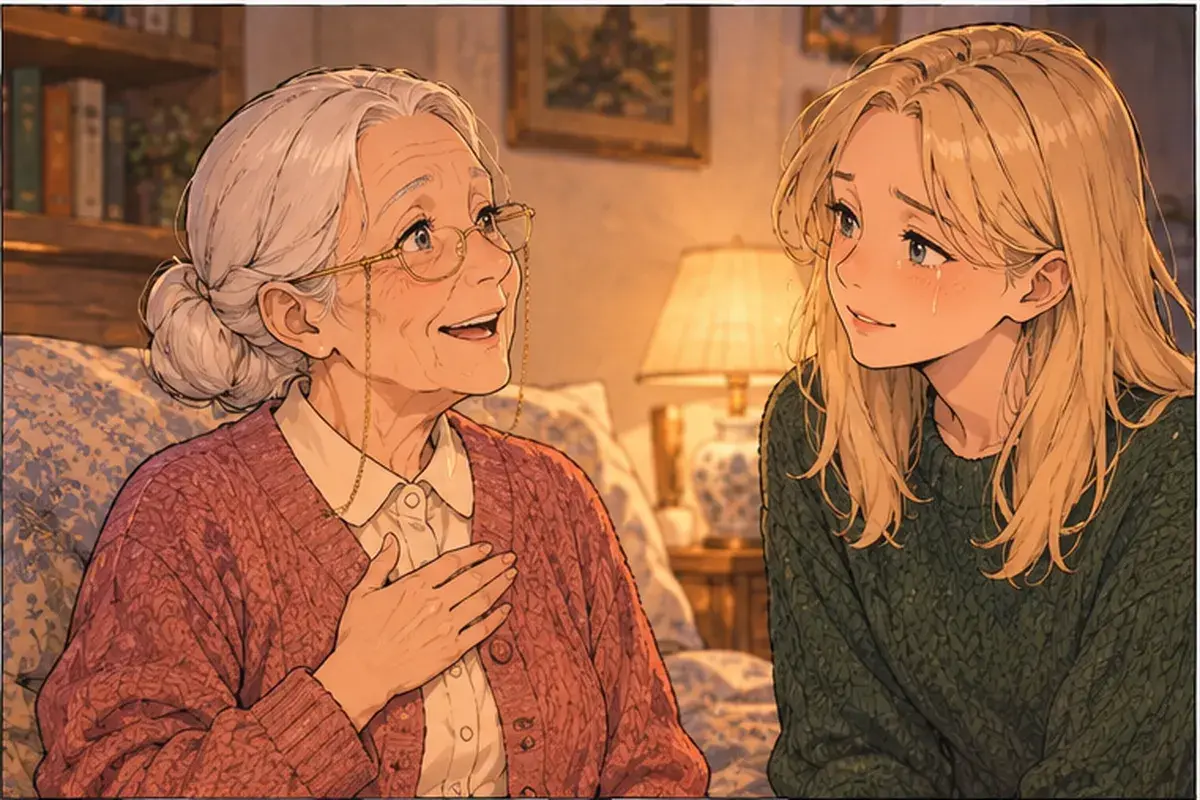
Она увек каже да нико не умире ако га неко воли.
She always says that no one dies if someone loves them.
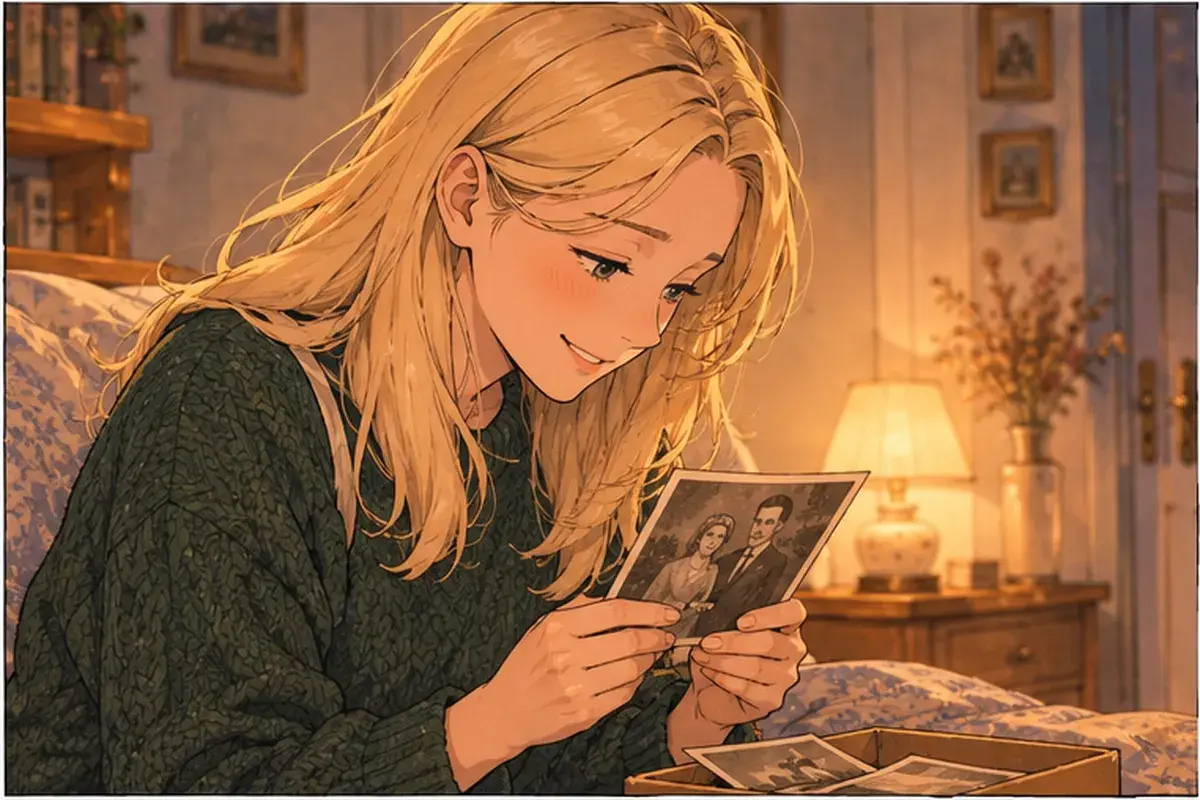
Мислим да је то права љубав: не велике речи, него мала брига сваког дана.
I think that's true love: not big words, but a little care every day.
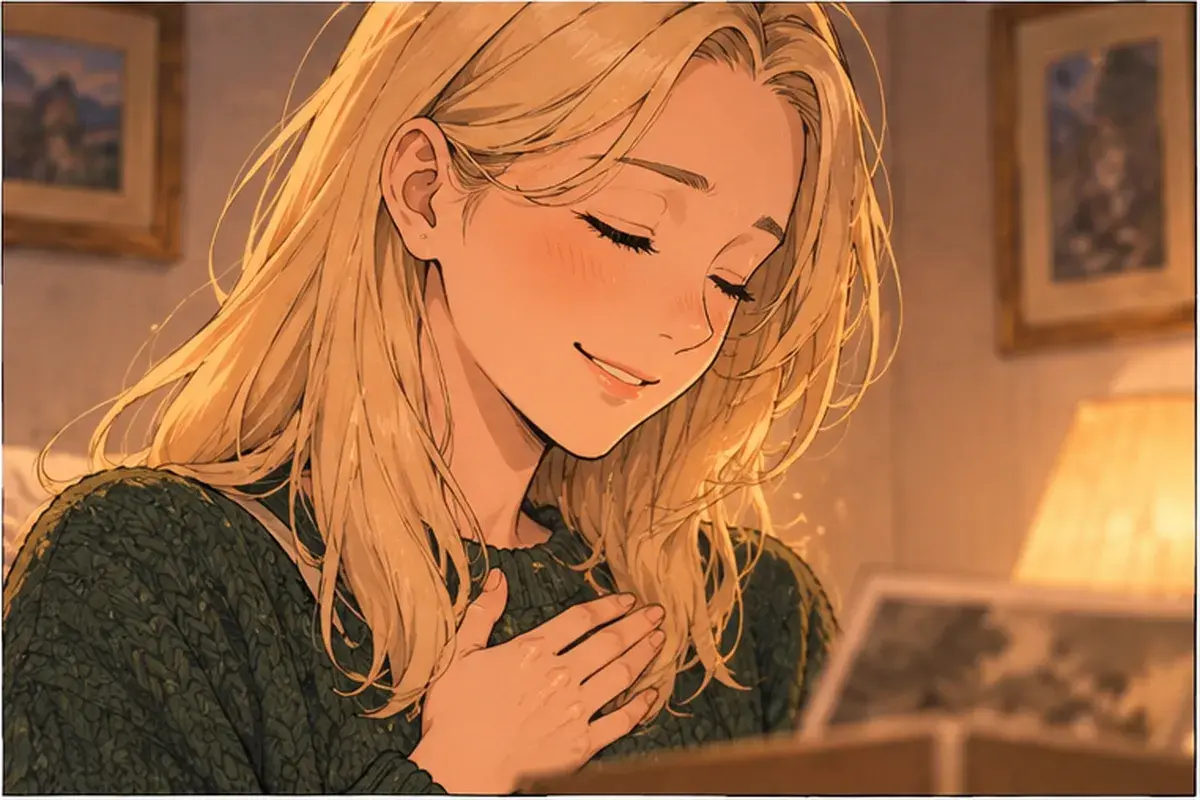
Кад сам гледала њихову заједничку фотографију, имала сам осећање да ми је топло око срца.
When I was looking at their photo together, I had the feeling that my heart was warm (woman speaking).
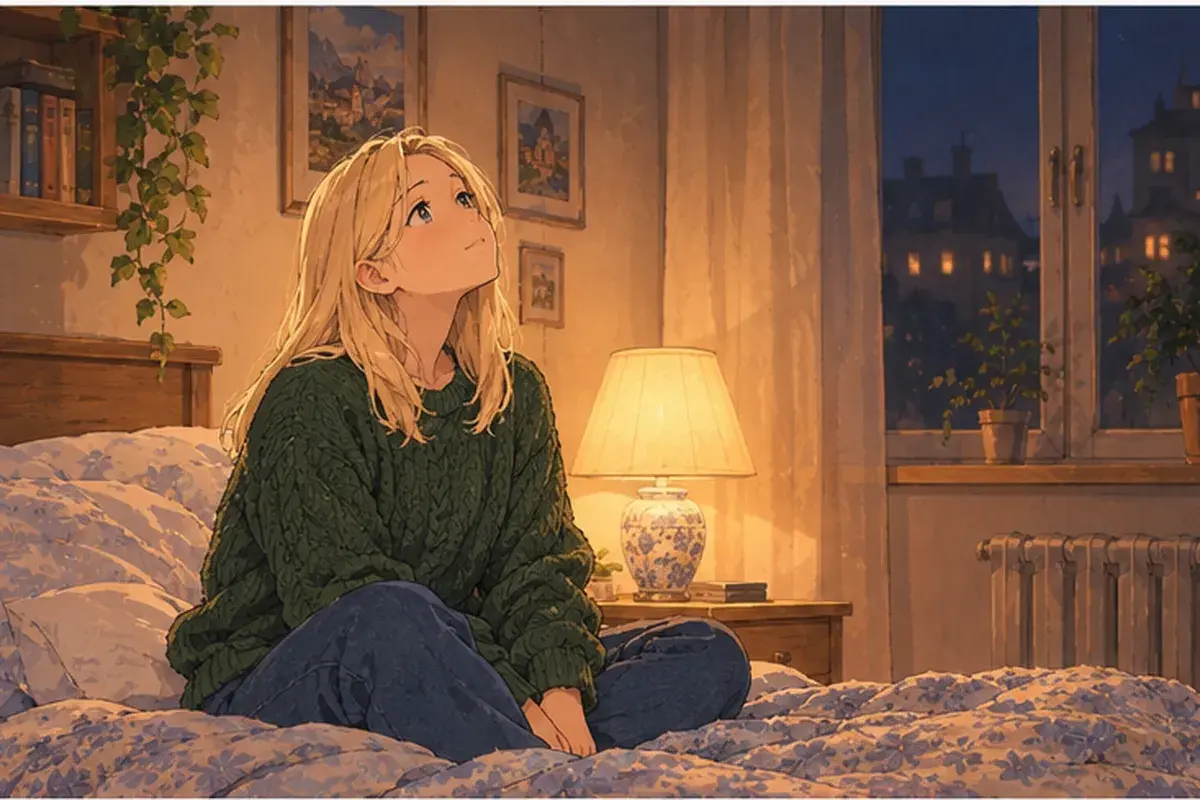
Понекад сам и ја усамљена, јер су моји далеко. Али горе живи једна добра душа.
Sometimes I'm lonely too, because my folks are far away (woman speaking). But a kind soul lives upstairs.
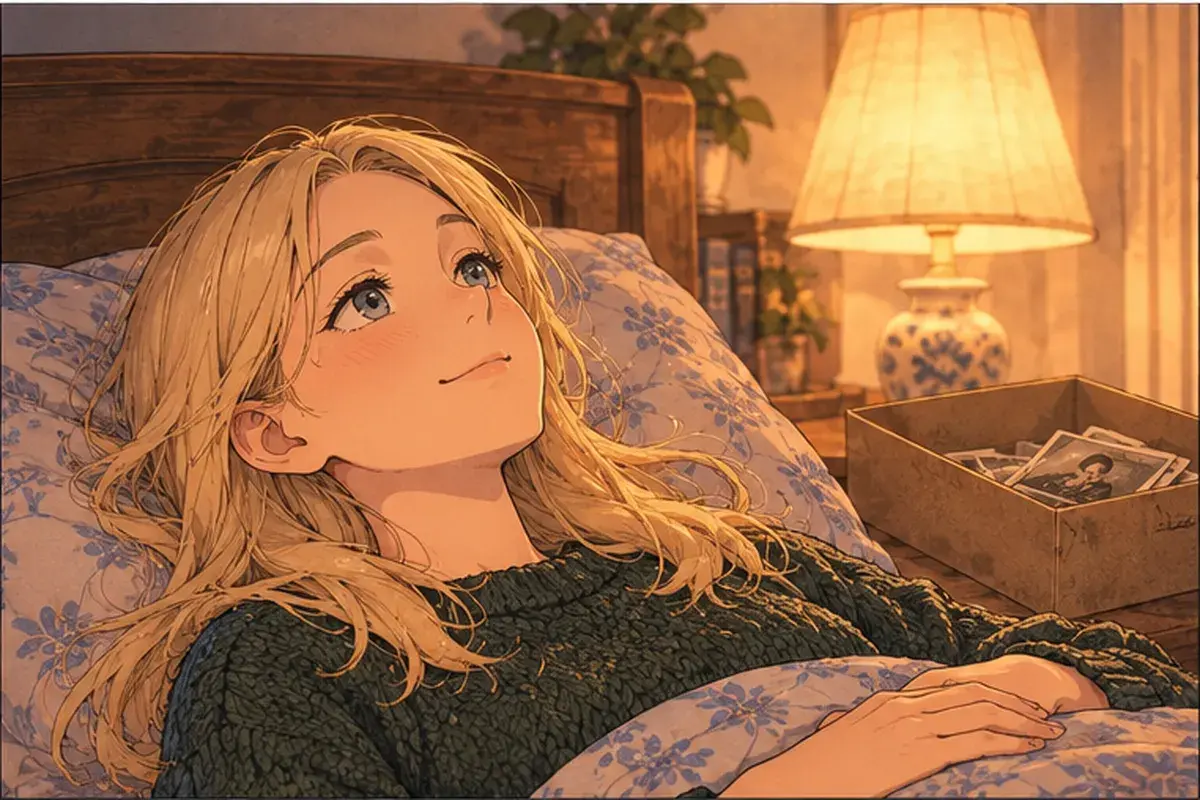
Мој сан је једноставан: да и моје фотографије једном буду у некој старој кутији.
My dream is simple: that one day my photos, too, will be in some old box.
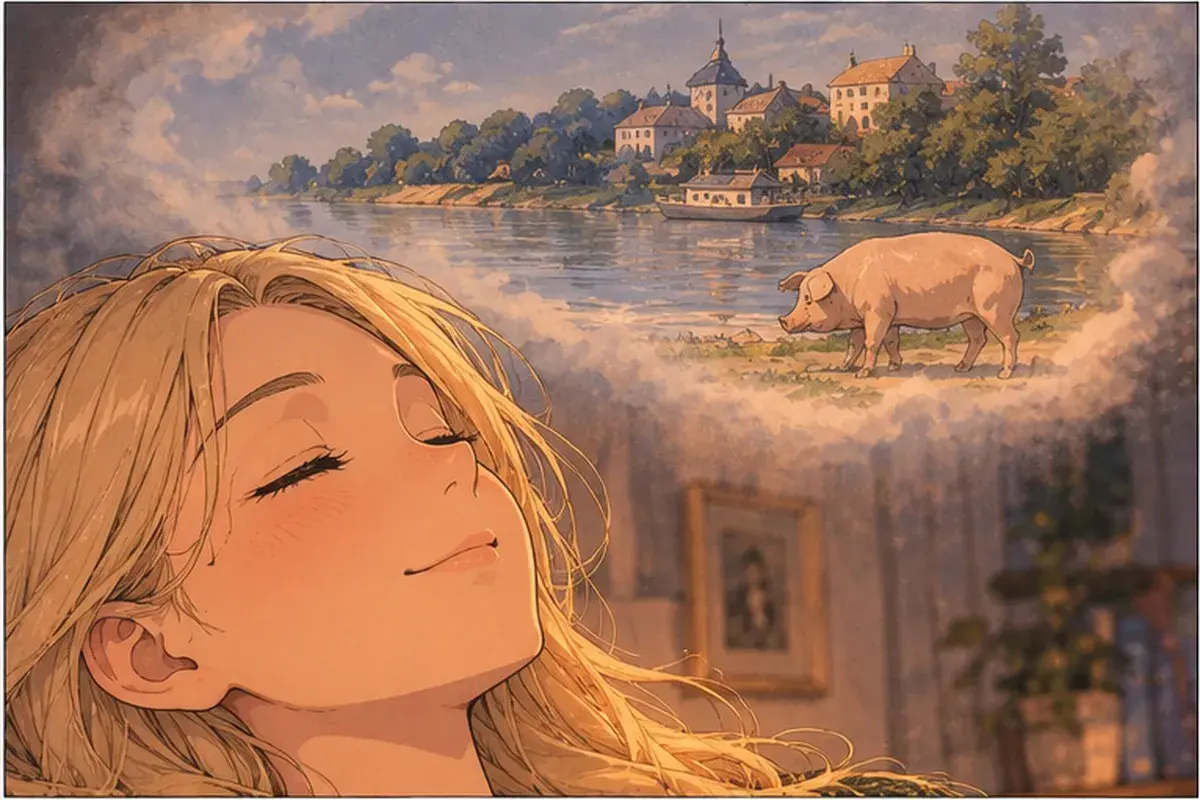
Можда ћу вечерас сањати оно прелепо острво. А можда свиње из села.
Maybe tonight I'll dream of that gorgeous island. Or maybe of the pigs from the village.
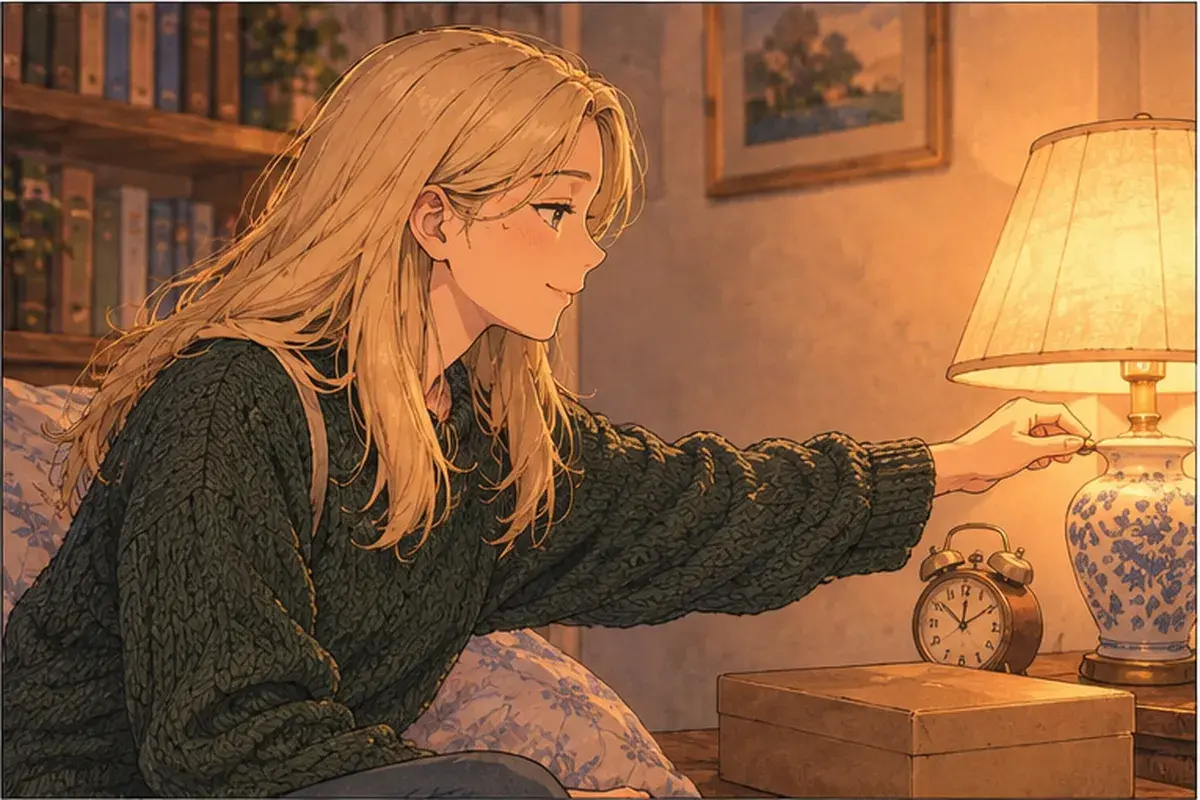
Сутра радим од девет, па је време да спавам.
I'm working from nine tomorrow, so it's time for me to sleep.
Grammar for this text
Те фотографије су из двадесетог века—из+ genitive: from the twentieth century. The ordinal number takes the same form asвека.У кући у селу је двадесетих година живео Миодрагов деда—двадесетих годинаmeans in the twenties (the 1920s): a decade is an ordinal number in the genitive plural +година, with no preposition (see the unit's grammar block).Миодраговmeans Miodrag's, a possessive (unit 11).Миодраг се оженио Радмилом—оженити се(to get married, about a man) + instrumental (unit 10):Радмиломis the instrumental ofРадмила. About a woman it'sудати се.Она не воли да прича о његовој болести. Али о њиховом браку прича радо— hereпричаis the verb (she talks, fromпричати), not the noun "story".бракis marriage as a relationship; the ceremony isвенчање.После његове смрти дуго је живела сама—самаmeans alone, whileусамљенаmeans lonely: you can live alone and not feel lonely.Она увек каже да нико не умире ако га неко воли— reported speech (unit 19);нико не умиреis a double negative, which is correct in Serbian (unit 9).умирати(to die) is imperfective,умретиperfective.гаmeans him (unit 8); in English, "them" sounds more natural here.имала сам осећање да ми је топло око срца—ми је топло око срцаis a set phrase for a warm, happy feeling (word for word, "it's warm to me around the heart");око+ genitive.Можда ћу вечерас сањати оно прелепо острво—ћу+сањатиis the future (unit 3).сањати+ accusative means to dream of something in your sleep;сањати оmeans to dream about, to wish for.
Words and grammar of the unit: Talk about old family photos.
Learn the words from the texts with flashcards
In the app, you can tap any word in a text to see its translation, forms and examples, and new words stick with flashcards. 15 minutes a day.
Start for freeEverything is open for free. No card needed to sign up.