
Serbian story with translation · A2 · 13 lines
Две Нове године и један Божић Two New Year's Days and one Christmas
Comic · 13 panels
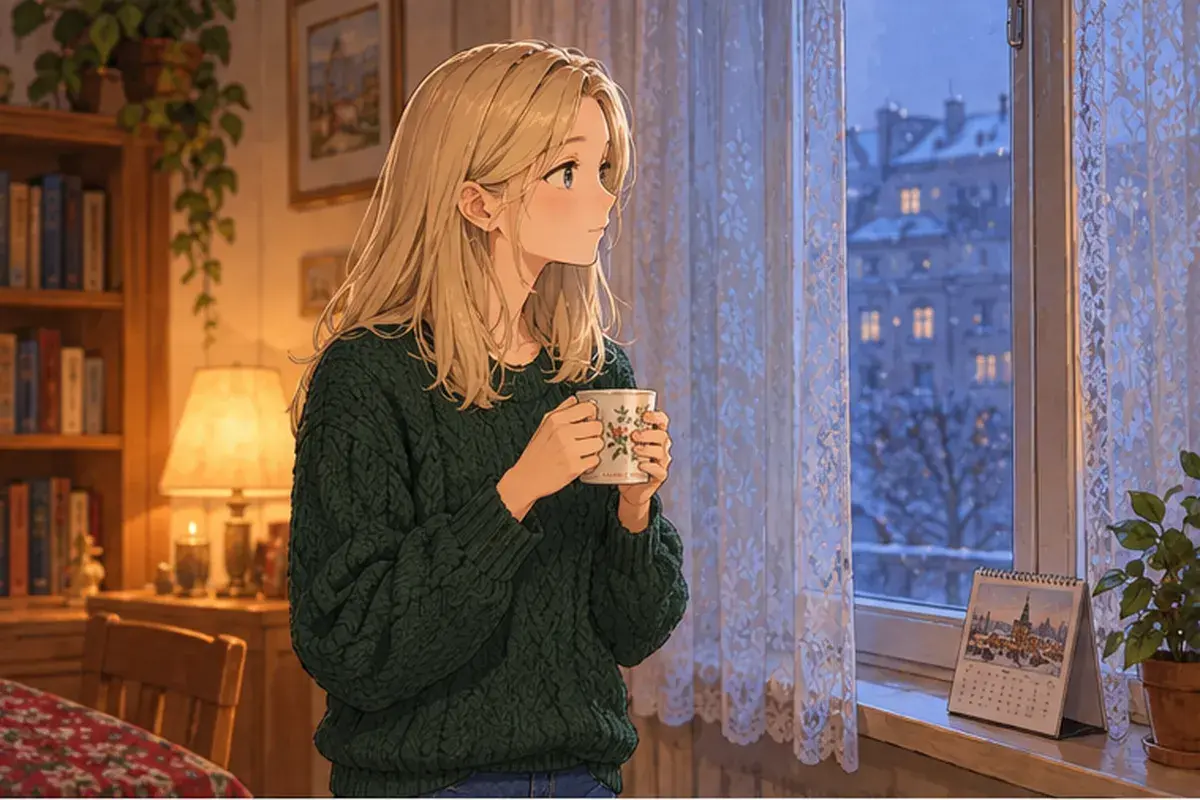
Данас је четрнаести јануар, па у Србији опет славе Нову годину.
Today is January 14, so in Serbia they're celebrating New Year's again.
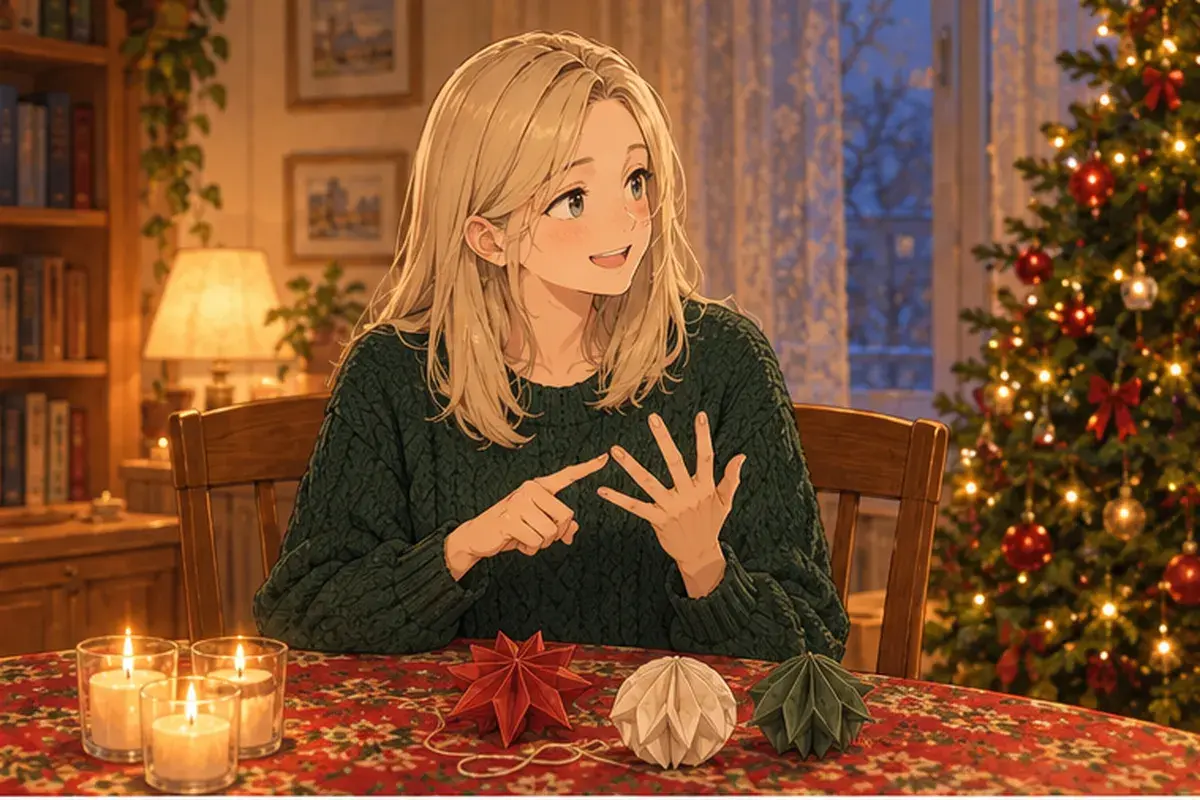
За две недеље сам прославила три празника.
Within two weeks, I celebrated three holidays (woman speaking).
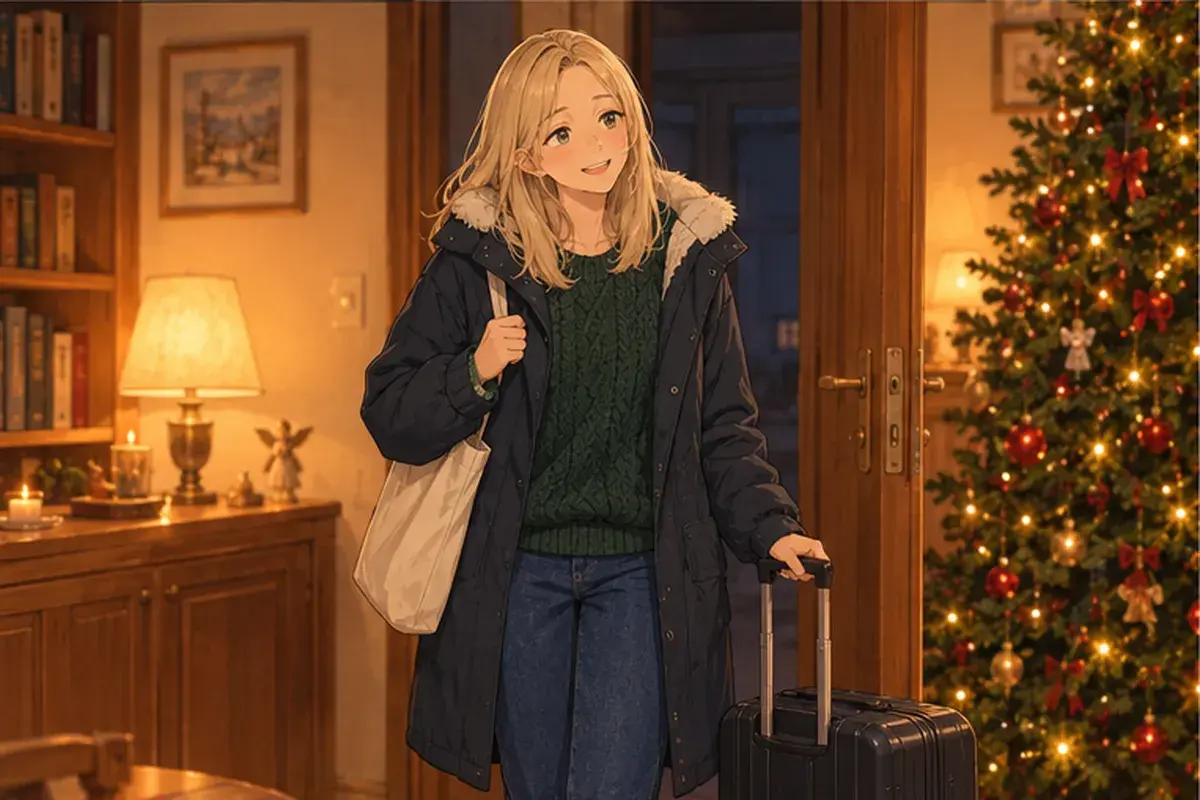
Нову годину сам дочекала код куће. У Београд сам стигла тек трећег јануара.
I welcomed the New Year at home. I didn't get to Belgrade until January 3 (woman speaking).
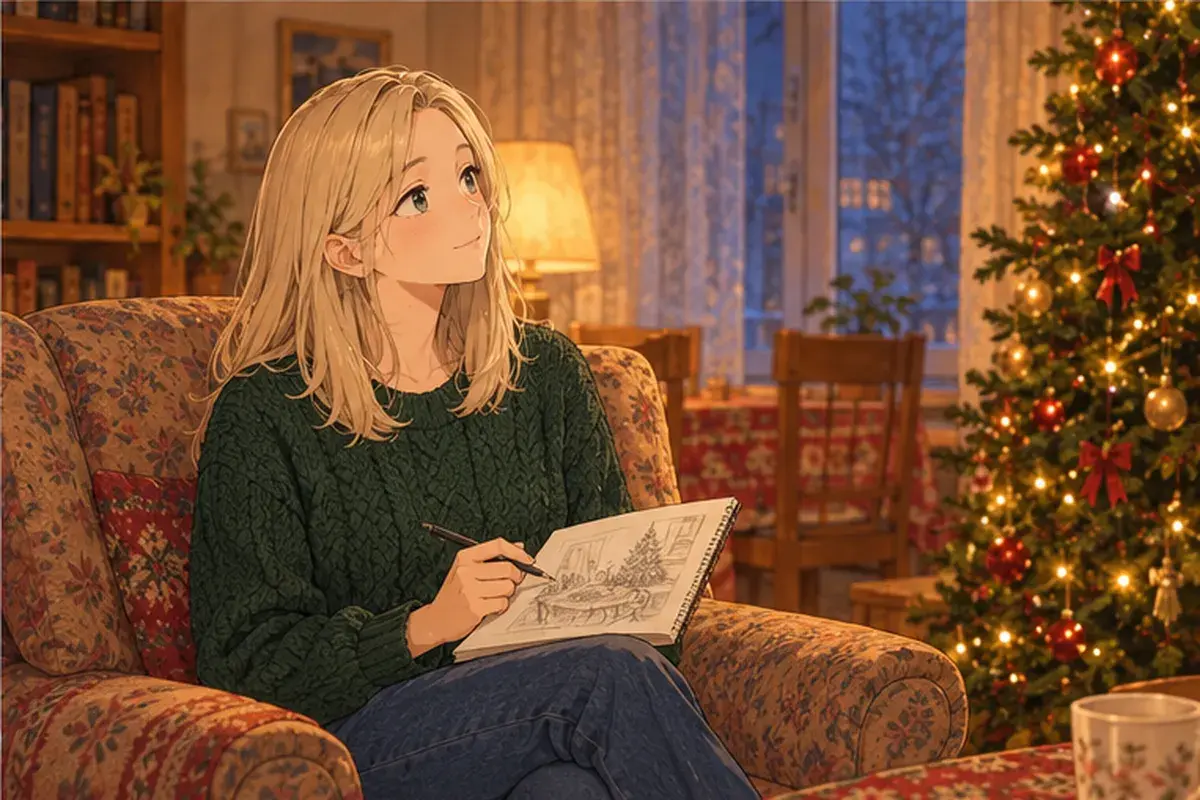
Код куће Нову годину спремамо од новембра, а овде је Божић велики празник.
Back home we get ready for New Year's from November on, and here Christmas is a big holiday.
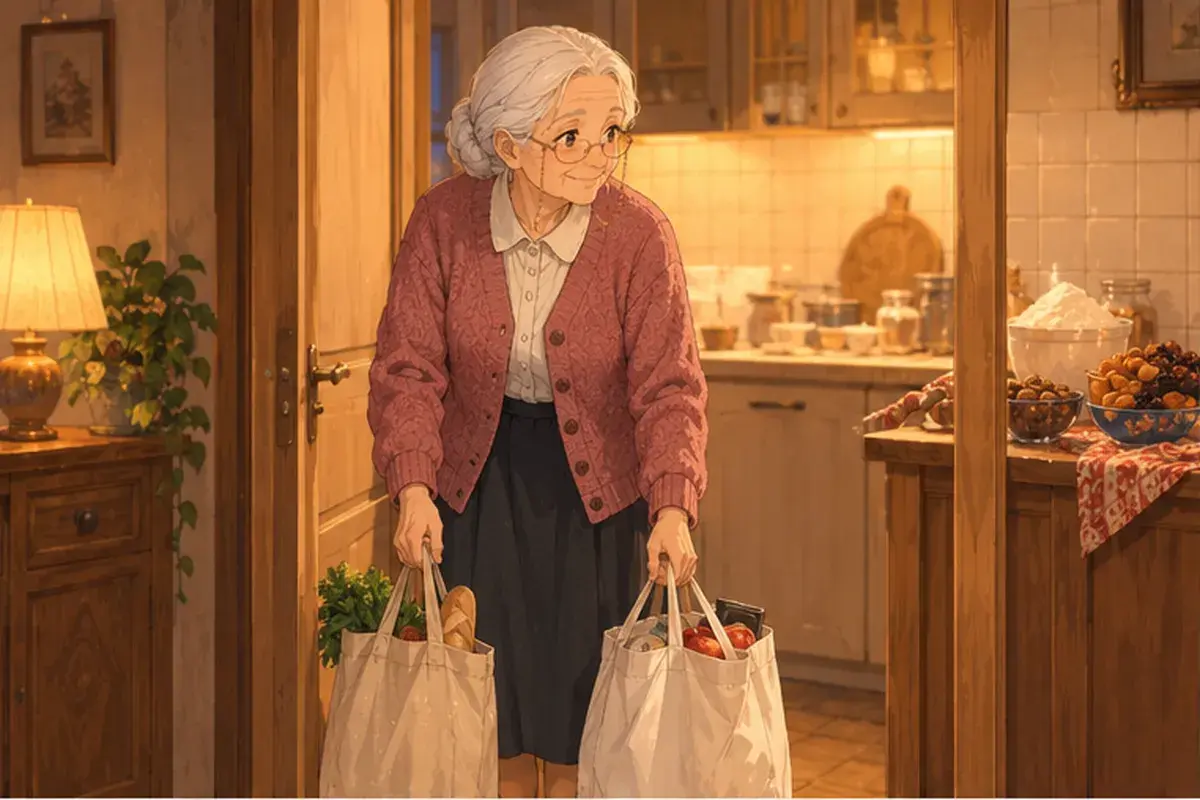
Радмила је од четвртог јануара куповала све за празник.
From January 4 on, Radmila was buying everything for the holiday.
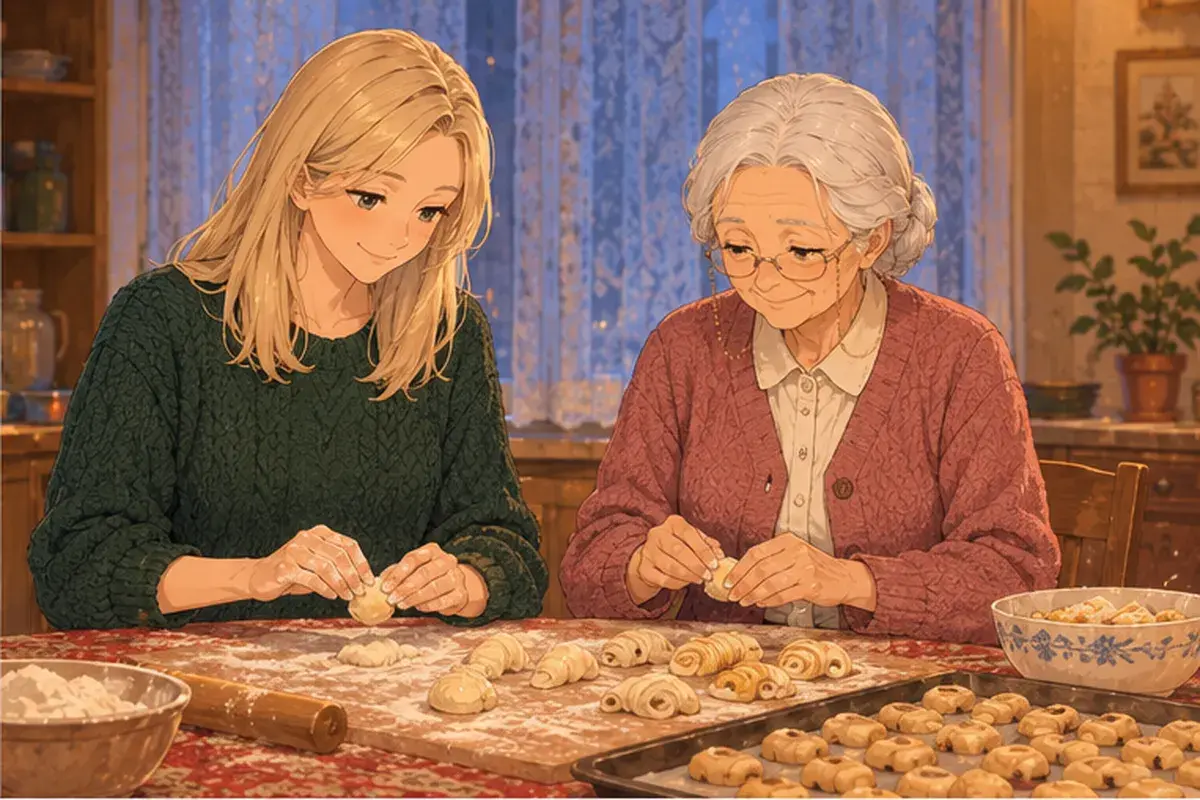
Колаче смо спремале заједно петог јануара, Радмила и ја.
We made the cakes together on January 5, Radmila and I (women speaking).
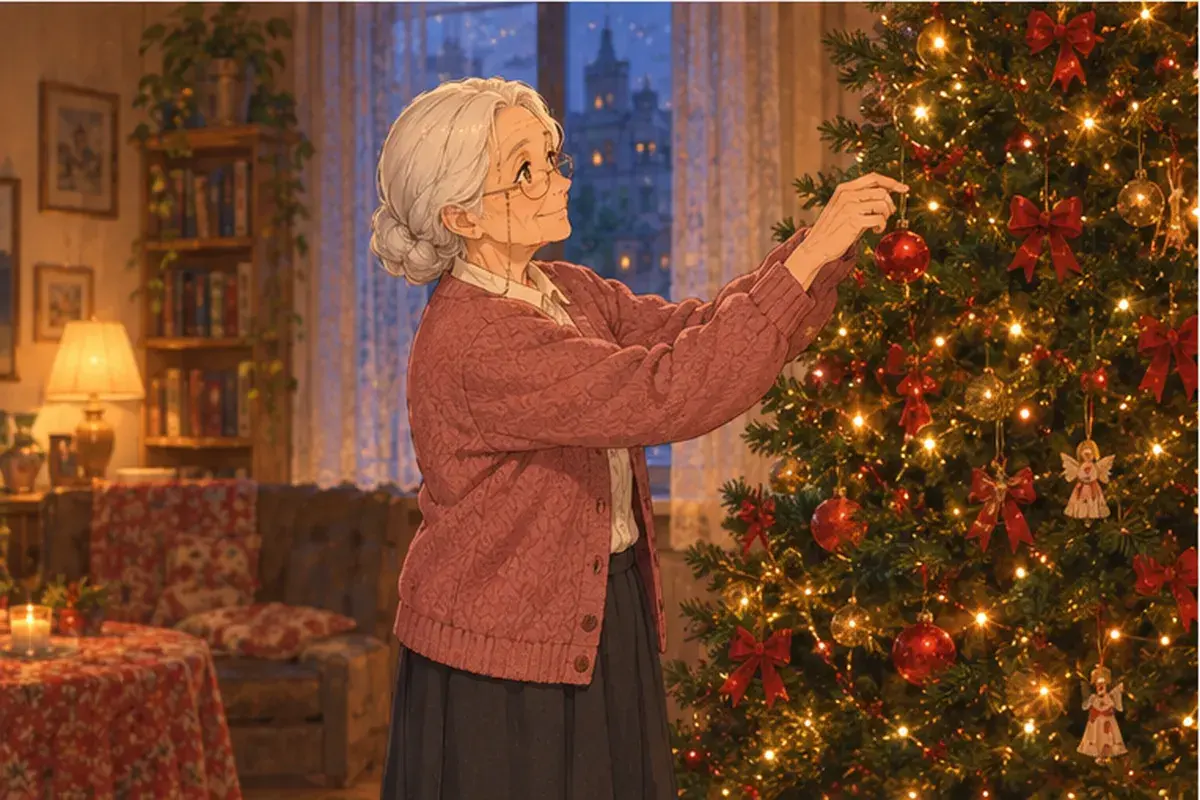
Код Радмиле у соби стоји јелка од децембра. Она каже: „Јелка остаје до двадесетог јануара.“
In Radmila's room, there's been a Christmas tree since December. She says: "The tree stays until January 20."
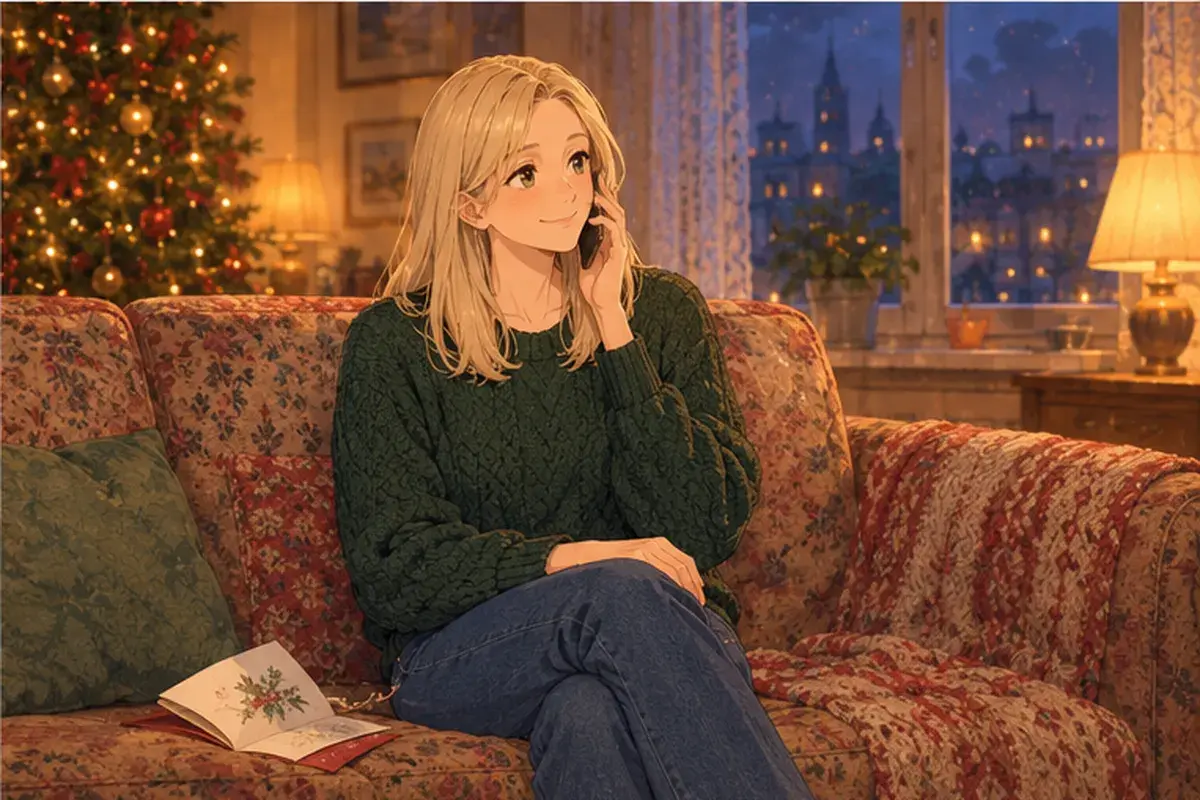
Мама је звала два пута, а тата је послао само честитку: „Срећан Божић!“
Mom called twice, and Dad only sent a card: "Merry Christmas!"
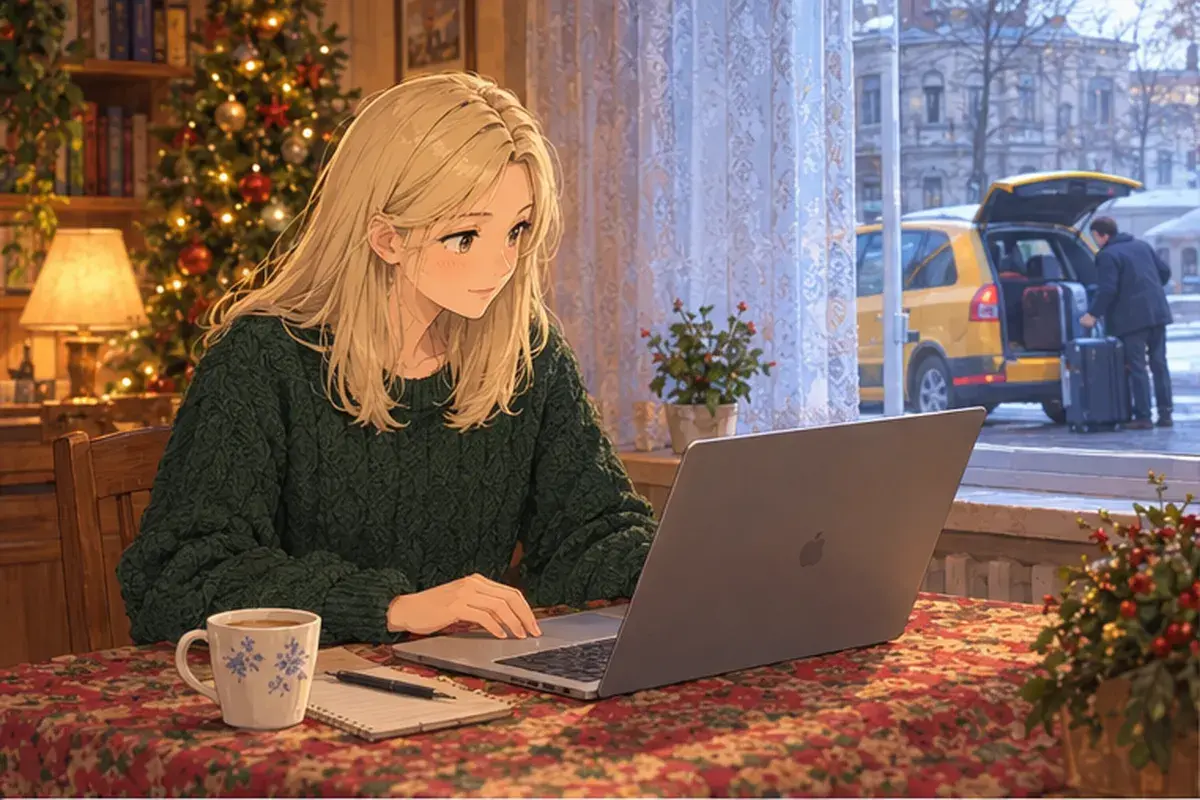
Ја сам осмог јануара опет радила, а гости из Чачка су отишли деветог.
On January 8 I was working again, and the guests from Čačak left on the 9th (woman speaking).
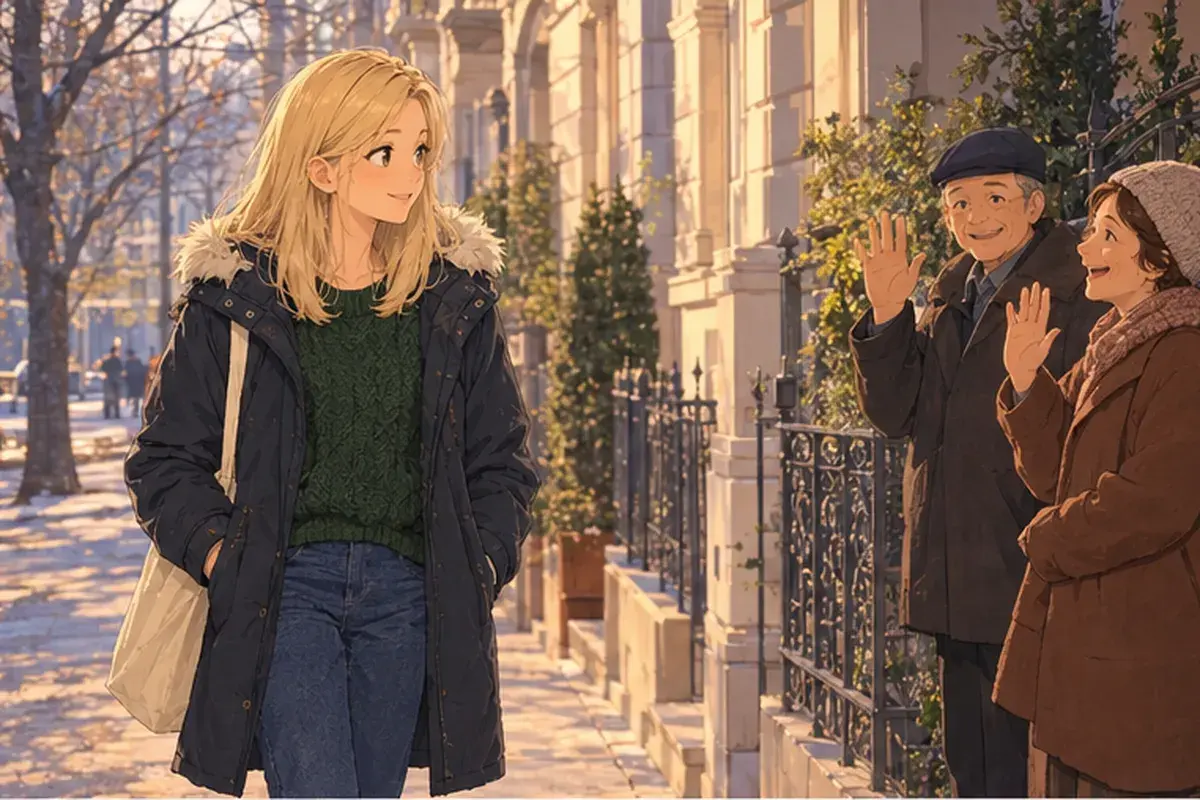
Људи честитају Божић неколико дана после празника.
People wish each other a Merry Christmas for several days after the holiday.
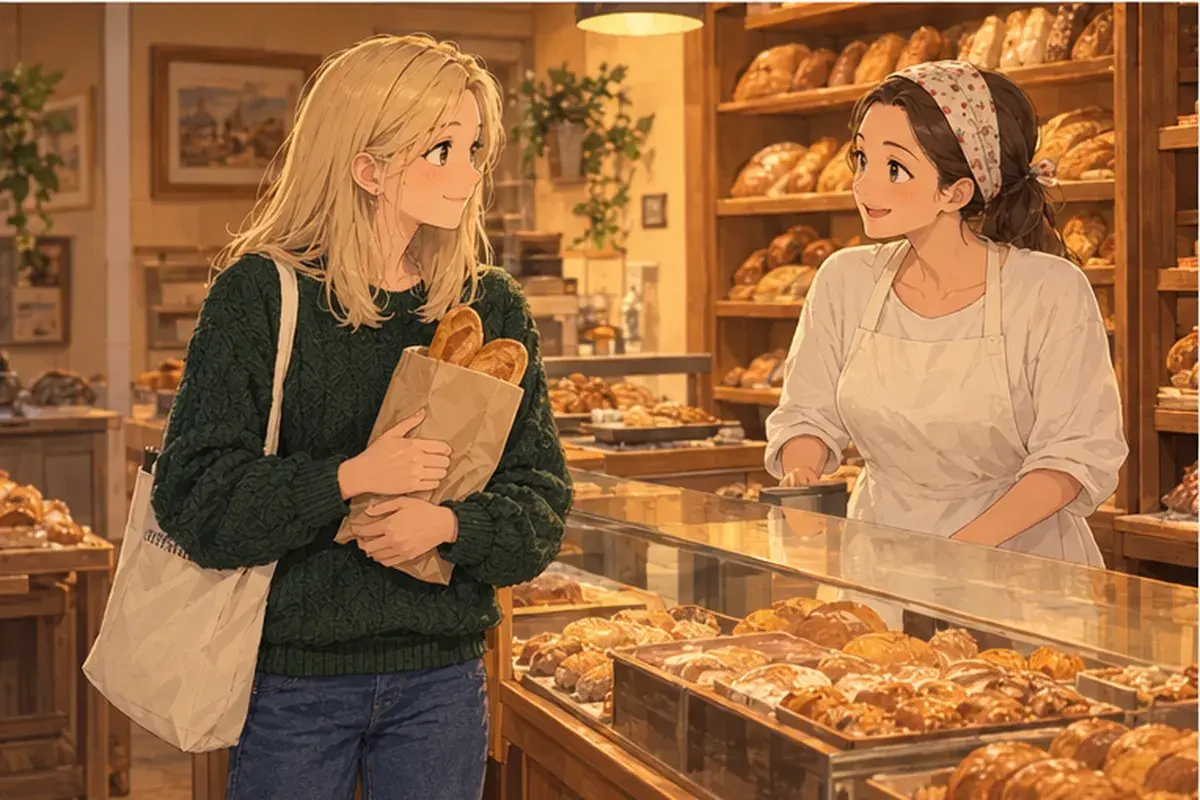
Десетог јануара је продавац у пекари рекао: „Христос се роди!“ Ја сам рекла: „Ваистину се роди!“
On January 10 the salesman at the bakery said, "Christ is born!" I said, "Truly He is born!" (woman speaking)
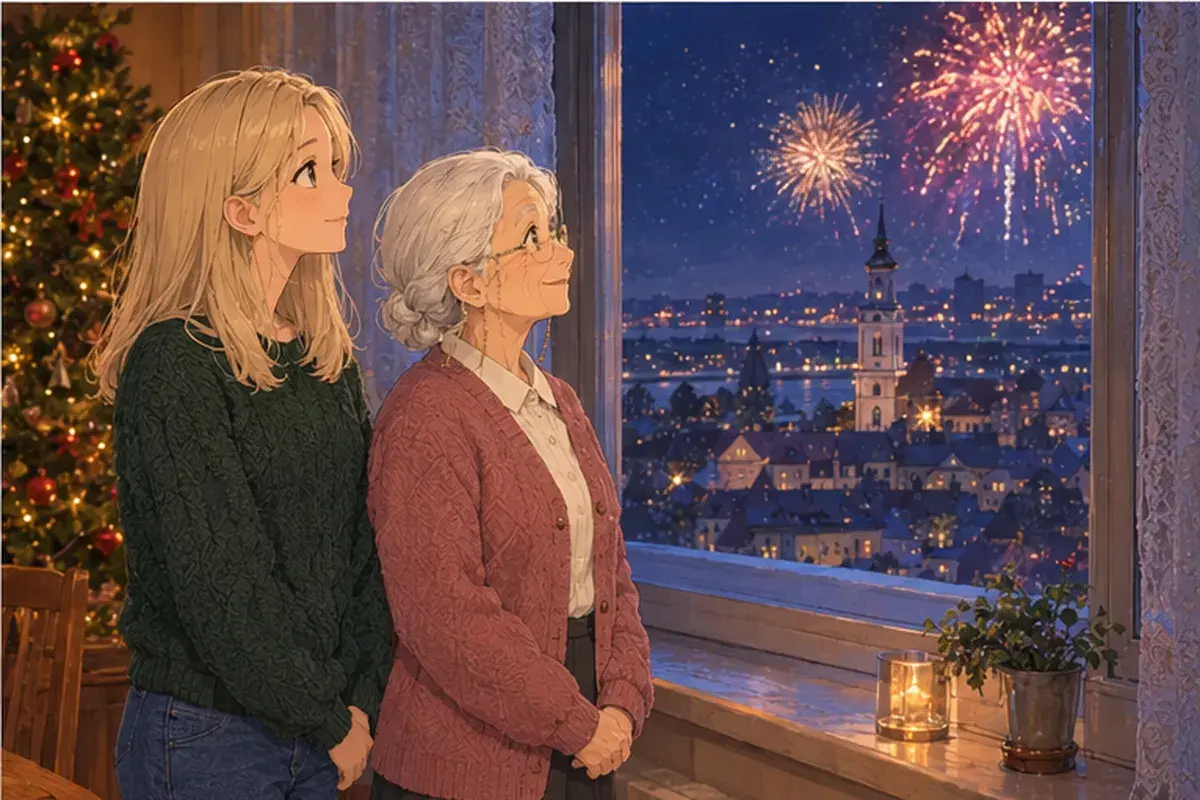
Синоћ смо у поноћ сви заједно гледали ватромет са прозора.
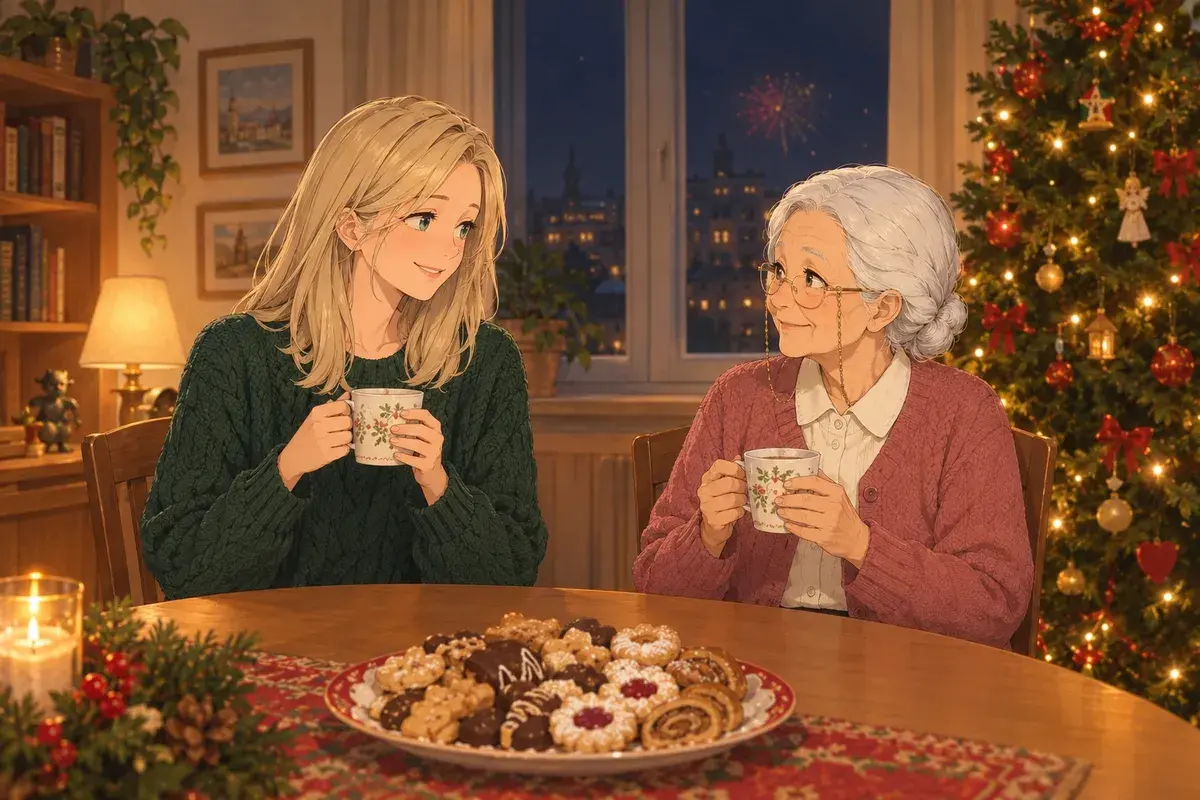
Last night at midnight we all watched the fireworks together from the window.
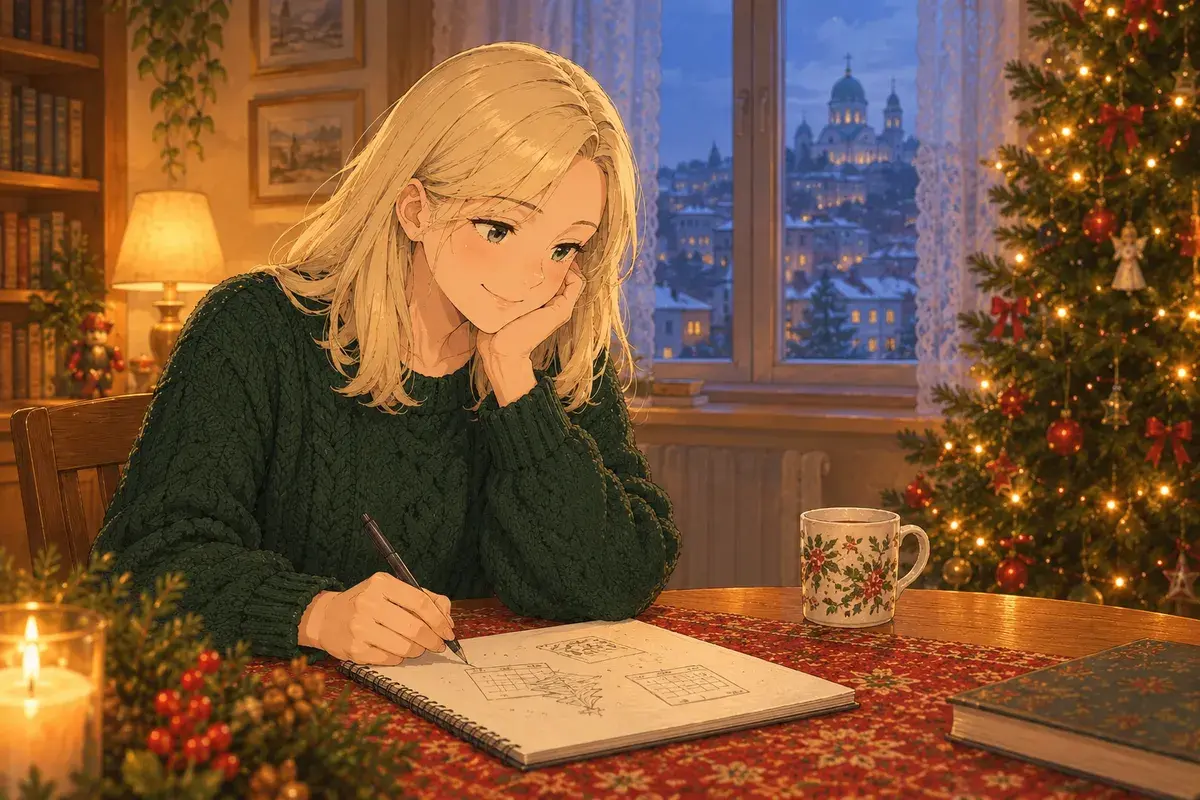
Сада знам: у Србији су две Нове године и један Божић.
Now I know: in Serbia there are two New Year's Days and one Christmas.
Grammar for this text
Данас је четрнаести јануар, па у Србији опет славе Нову годину.— to say what date it is, both words stay in the dictionary form:четрнаести јануар.Нову годинуis the object (the accusative), feminine.За две недеље сам прославила три празника.—прославити— to celebrate (one finished action),славити— to celebrate (ongoing or repeated). After 2, 3, 4 the noun takes the 2–4 form:три празника.за две недеље— within two weeks, a set phrase (unit 16).Нову годину сам дочекала код куће.—дочекати— to welcome, to see in (the New Year);код куће— at home. InУ Београд сам стигла тек трећег јануара,у Београдanswers "where to?" andтрећег јануараanswers "when?": both words in the genitive.тек— only, not until.Код куће Нову годину спремамо од новембра, а овде је Божић велики празник.—од новембра— since November: in months ending in-барtheаdrops out.Колаче смо спремале заједно петог јануара, Радмила и ја.— two women were cooking, soспремале(the-леending).колачеis plural (plural cases come in unit 18). InКод Радмиле у соби стоји јелка од децембра,код Радмилеmeans "at Radmila's".Десетог јануара је продавац у пекари рекао: „Христос се роди!“— people say the greeting for a few more days after Christmas; the answer isВаистину се роди.у пекари— at the bakery.Синоћ смо у поноћ сви заједно гледали ватромет са прозора—синоћ— last night,у поноћ— at midnight,са прозора— from the window.гледалиis the masculine plural because Stefan is in the group.
Words and grammar of the unit: Celebrate Christmas at Radmila's.
Learn the words from the texts with flashcards
In the app, you can tap any word in a text to see its translation, forms and examples, and new words stick with flashcards. 15 minutes a day.
Start for freeEverything is open for free. No card needed to sign up.