
Serbian story with translation · A1 · 12 lines
Имам превише ствари I have too many things
Comic · 12 panels
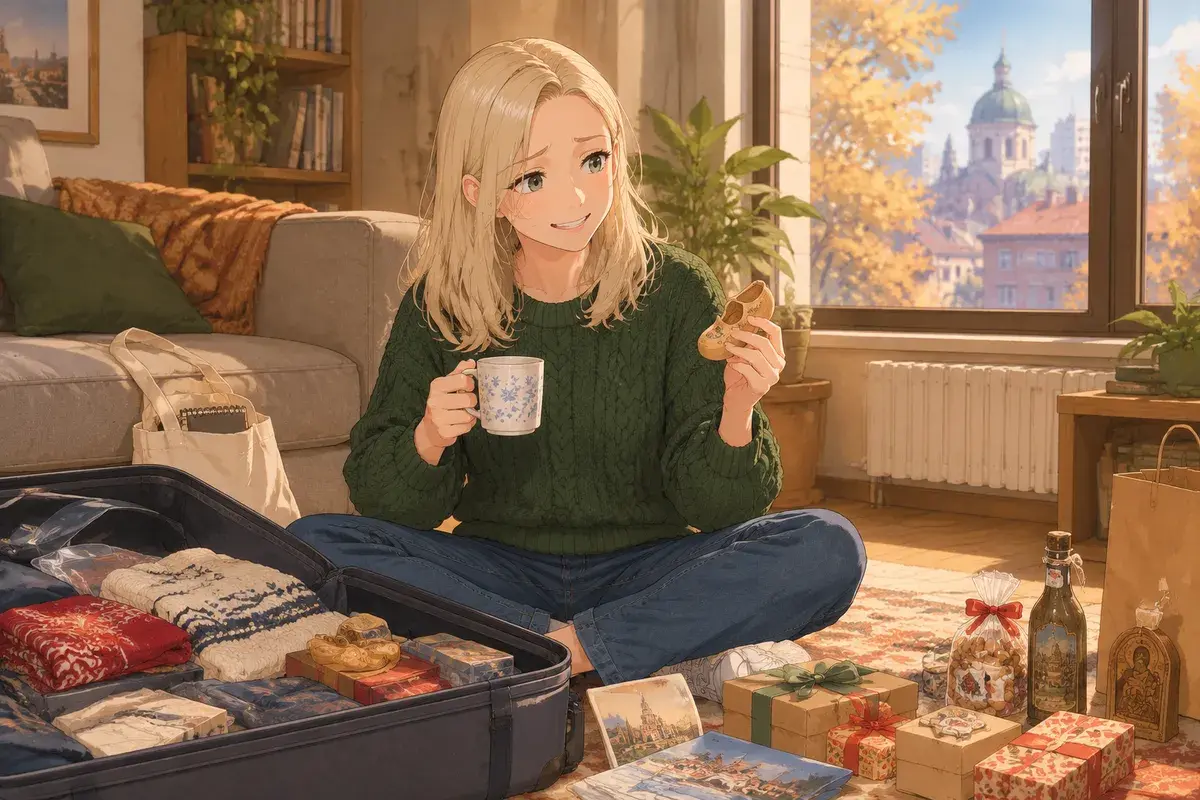
Данас имам доста времена за поклоне.
Today I have plenty of time for gifts.
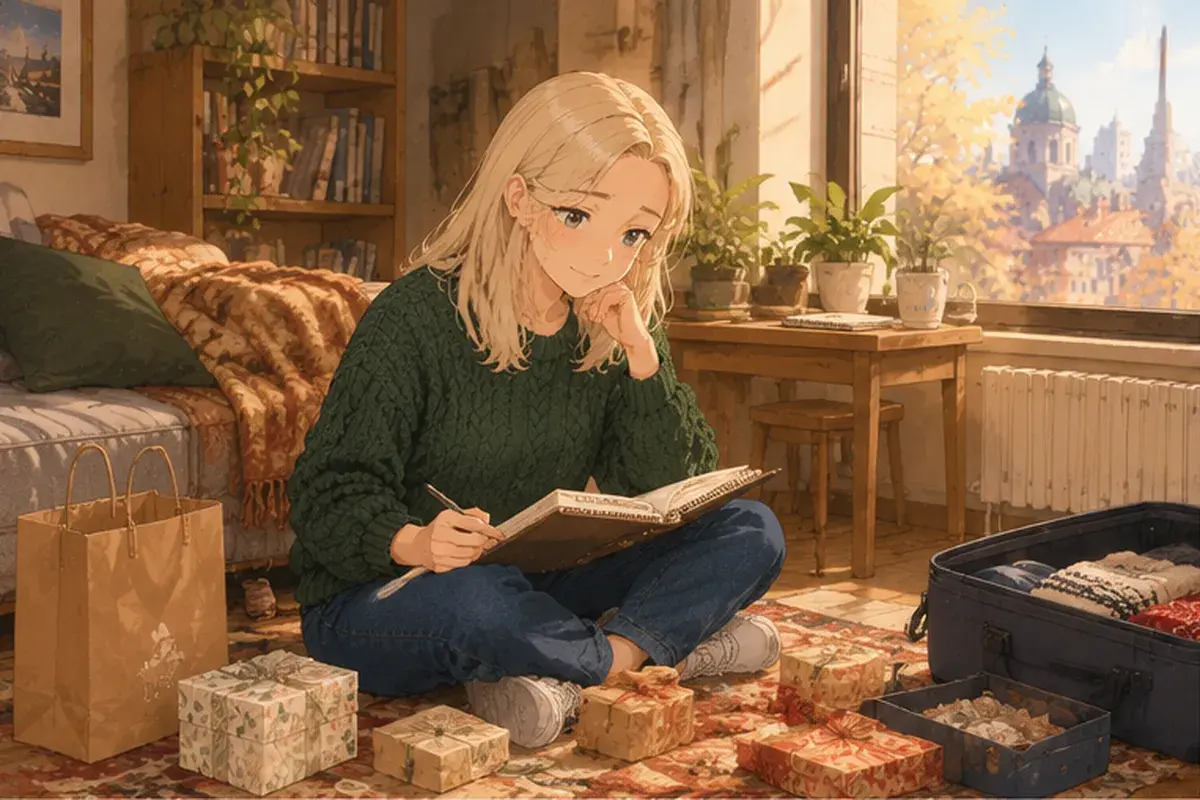
У недељу зовем маму и говорим: „Срећан рођендан!“
On Sunday I'm calling Mom and saying, "Happy birthday!"
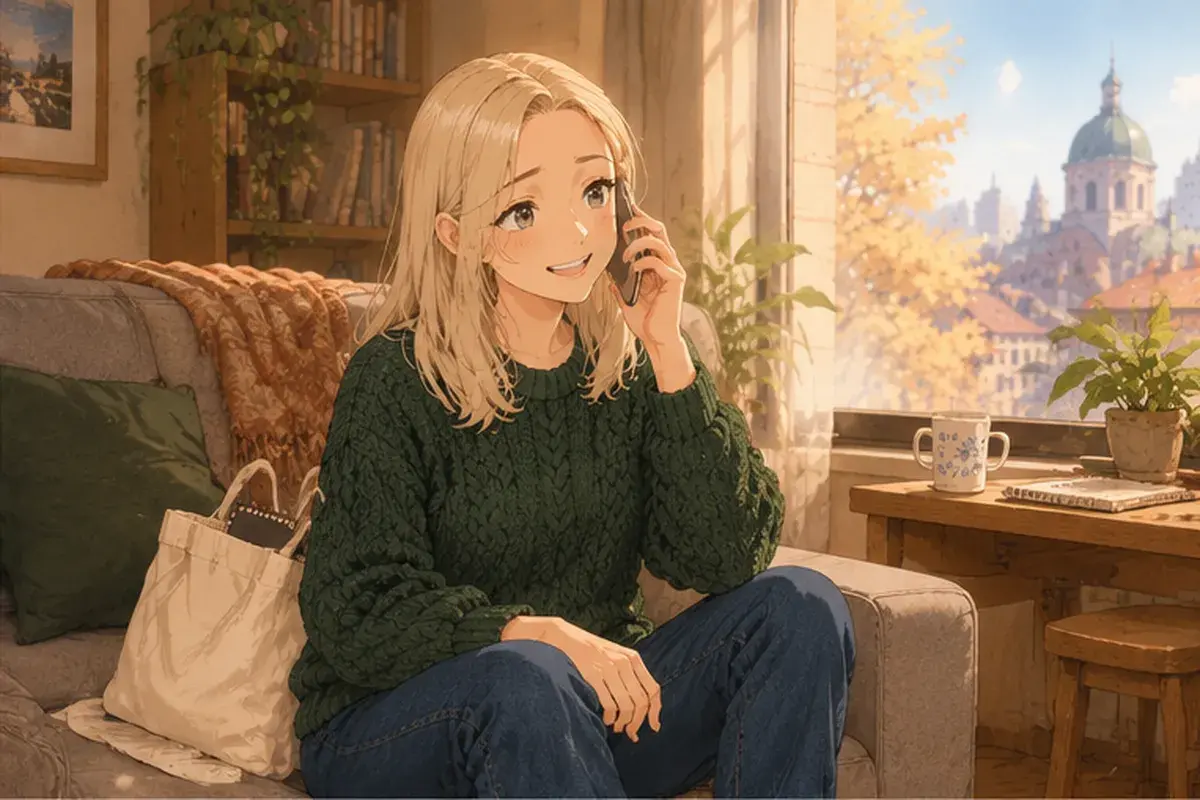
За маму, тату и брата већ имам све.
I already have everything for Mom, Dad and my brother.
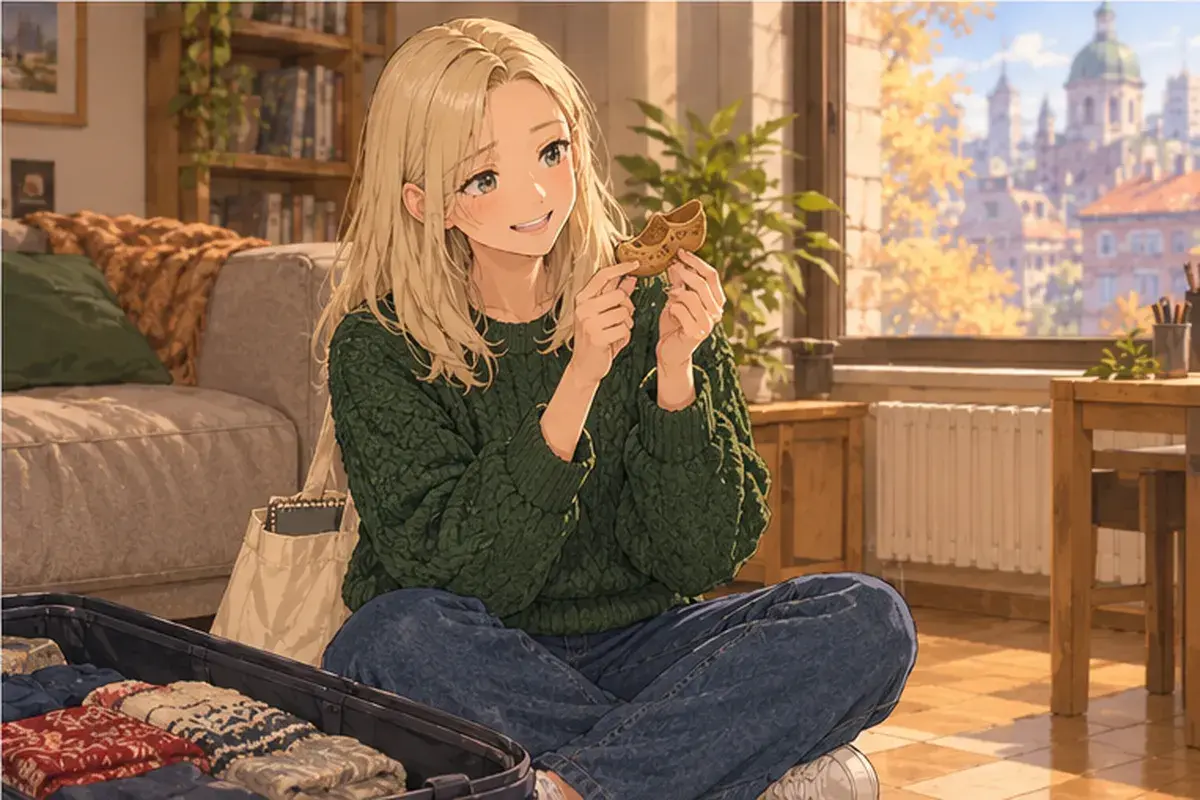
За мене је магнет, мали дрвен опанак.
For me, there's a magnet, a small wooden opanak.
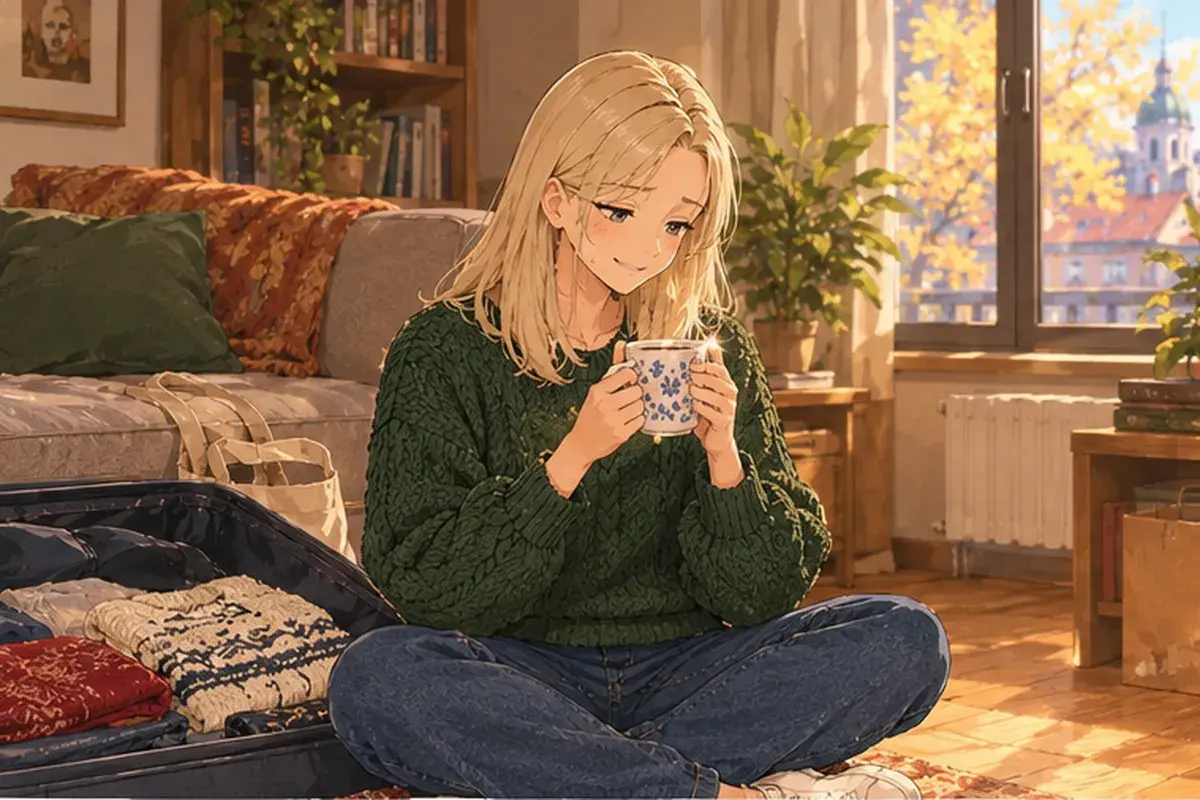
Ту је и шоља, лепа успомена из Београда.
There's also a cup, a beautiful keepsake from Belgrade.
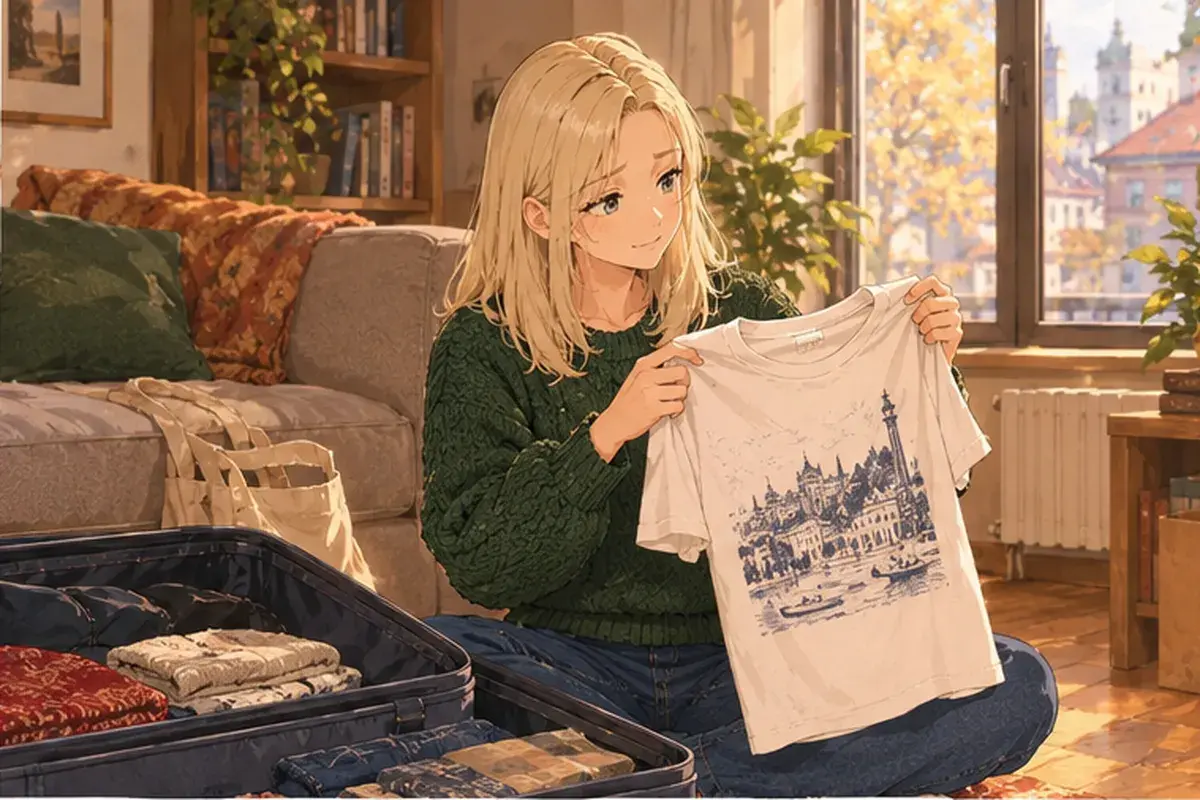
На мајици за брата је ћирилица.
There's Cyrillic on the T-shirt for my brother.
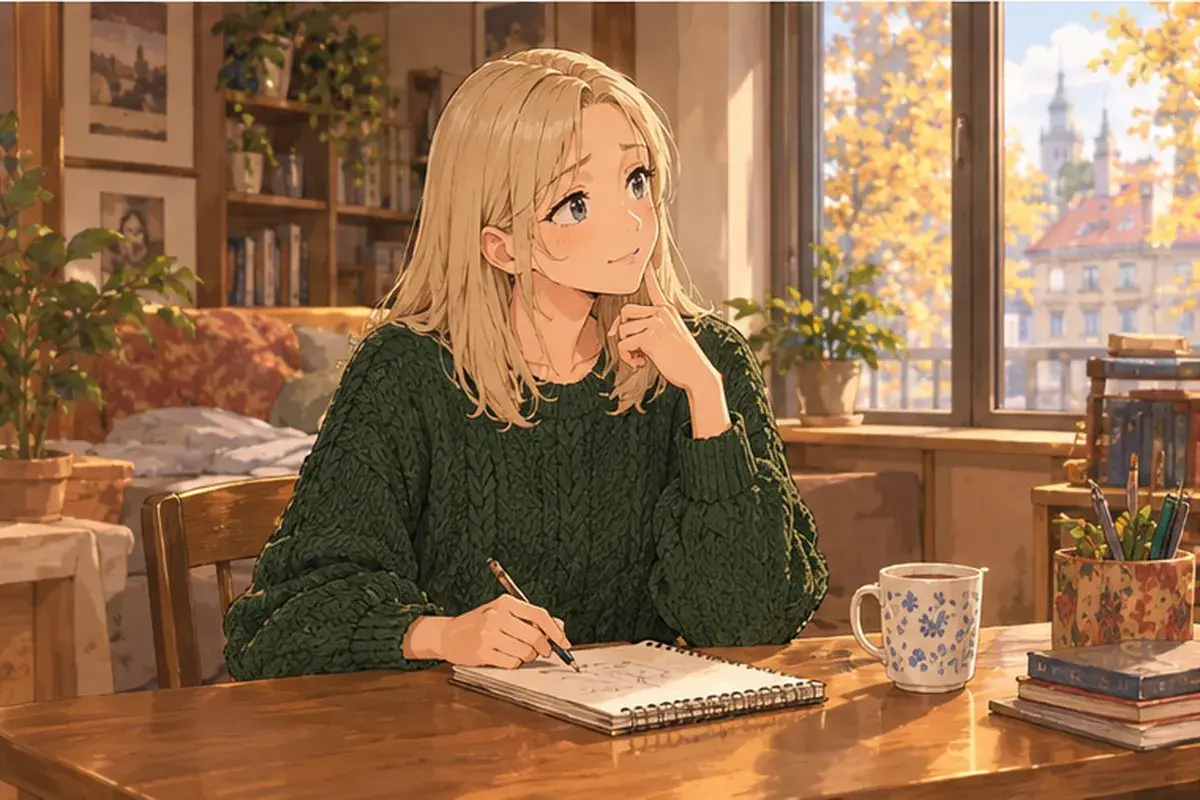
Имам нову реч: „слово“.
I have a new word: "slovo".
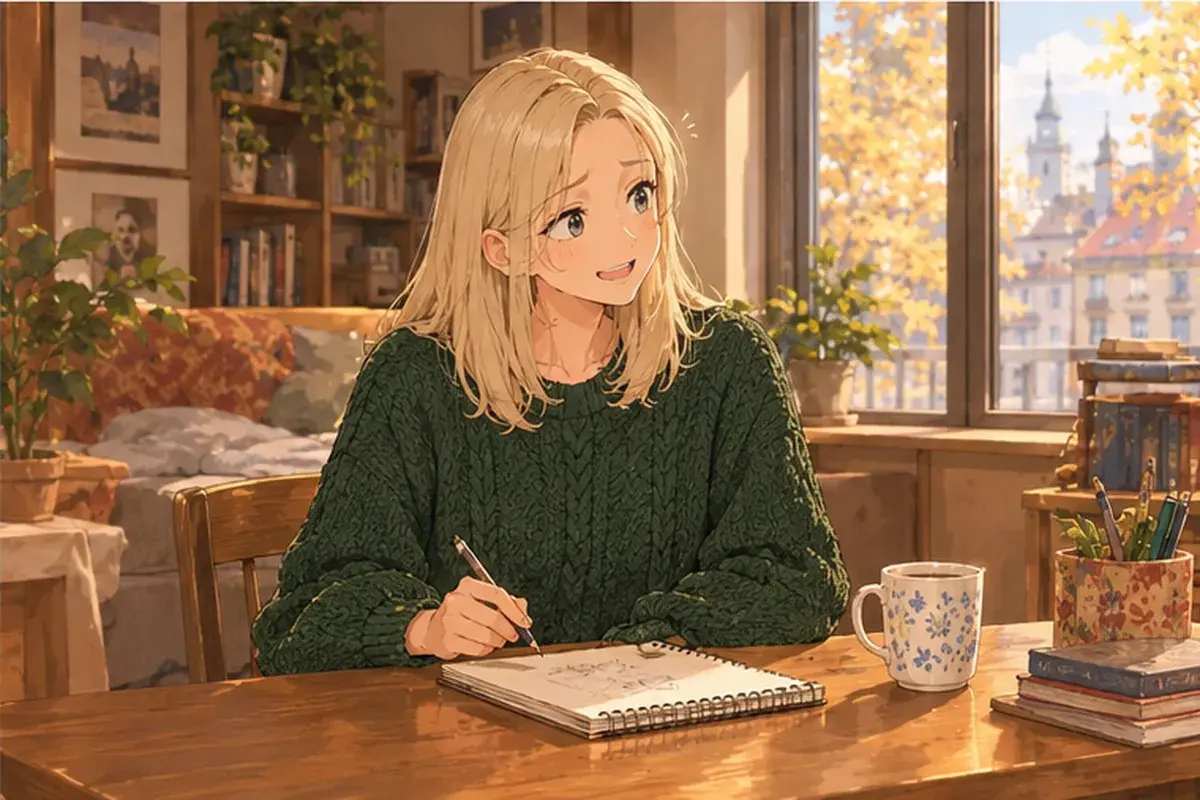
То није реч. То је само једно слово!
That's not a word. That's just one letter!
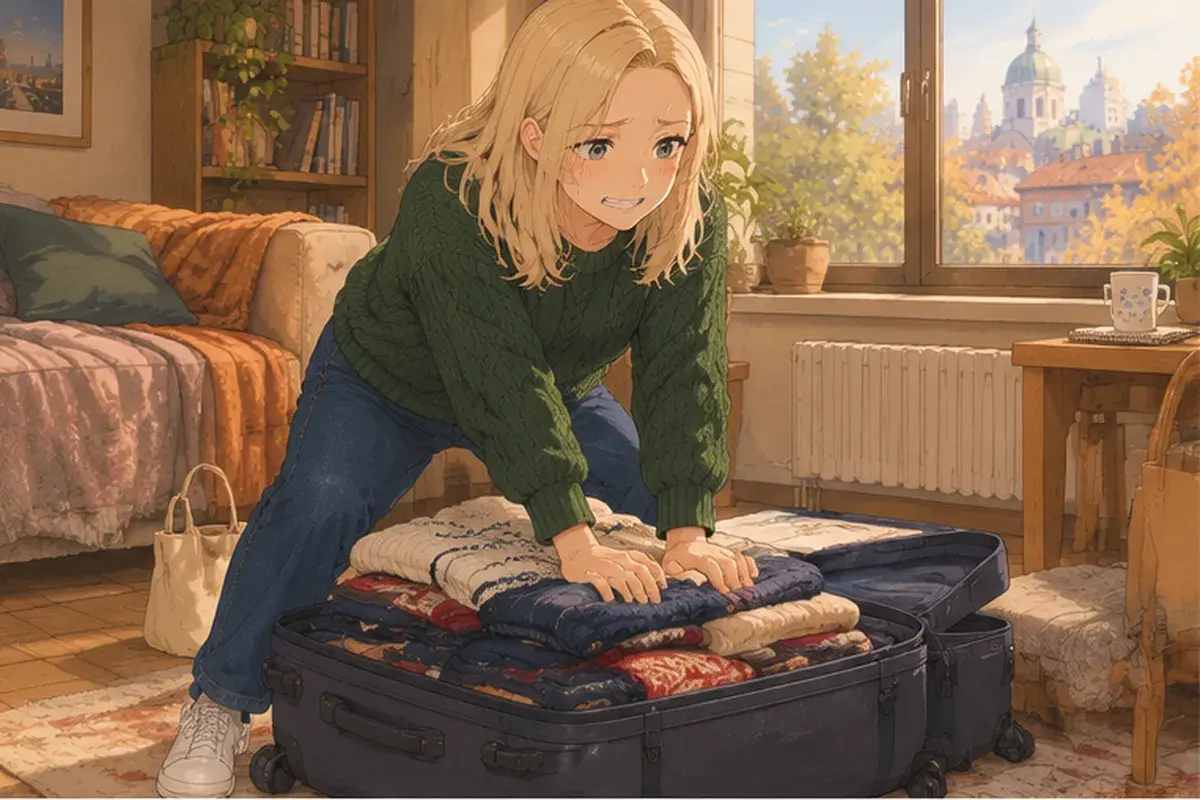
Све је лепо, али кофер је већ пун и тежак.
Everything is beautiful, but the suitcase is already full and heavy.
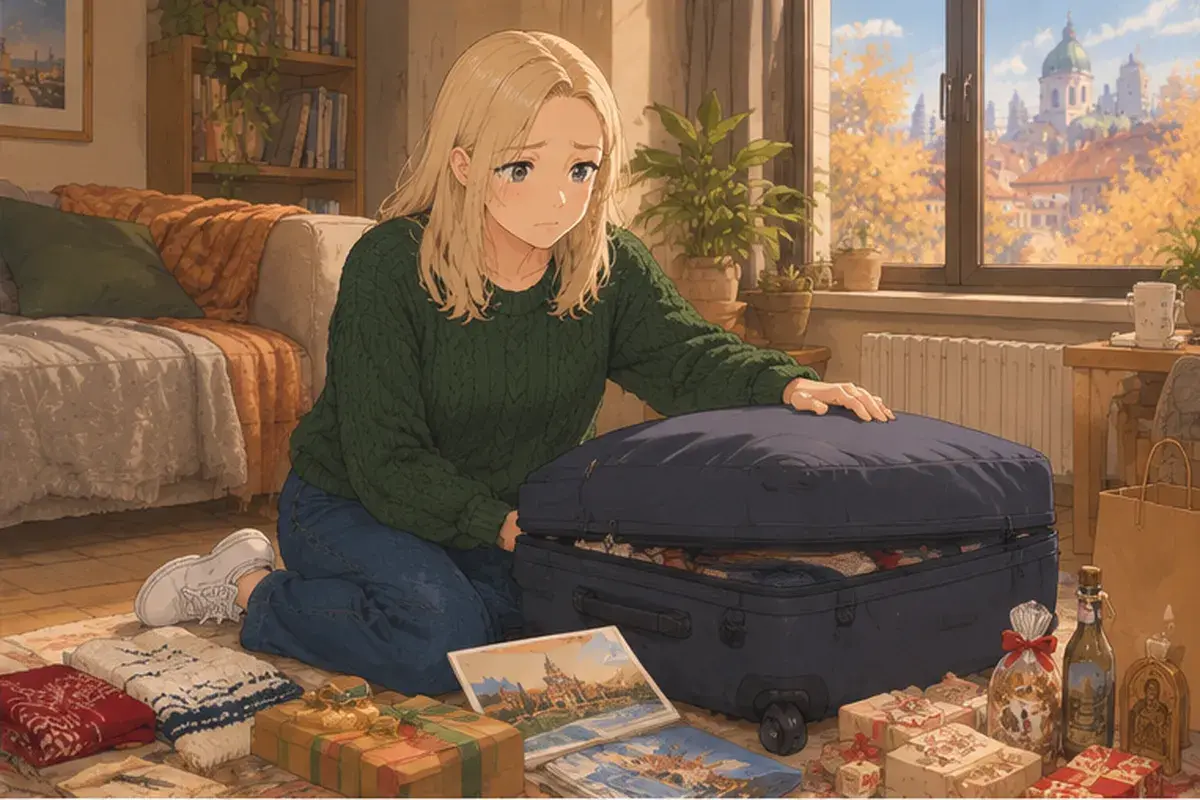
Имам превише ствари. Како све то може да стане?
I have too many things. How can all of it fit?
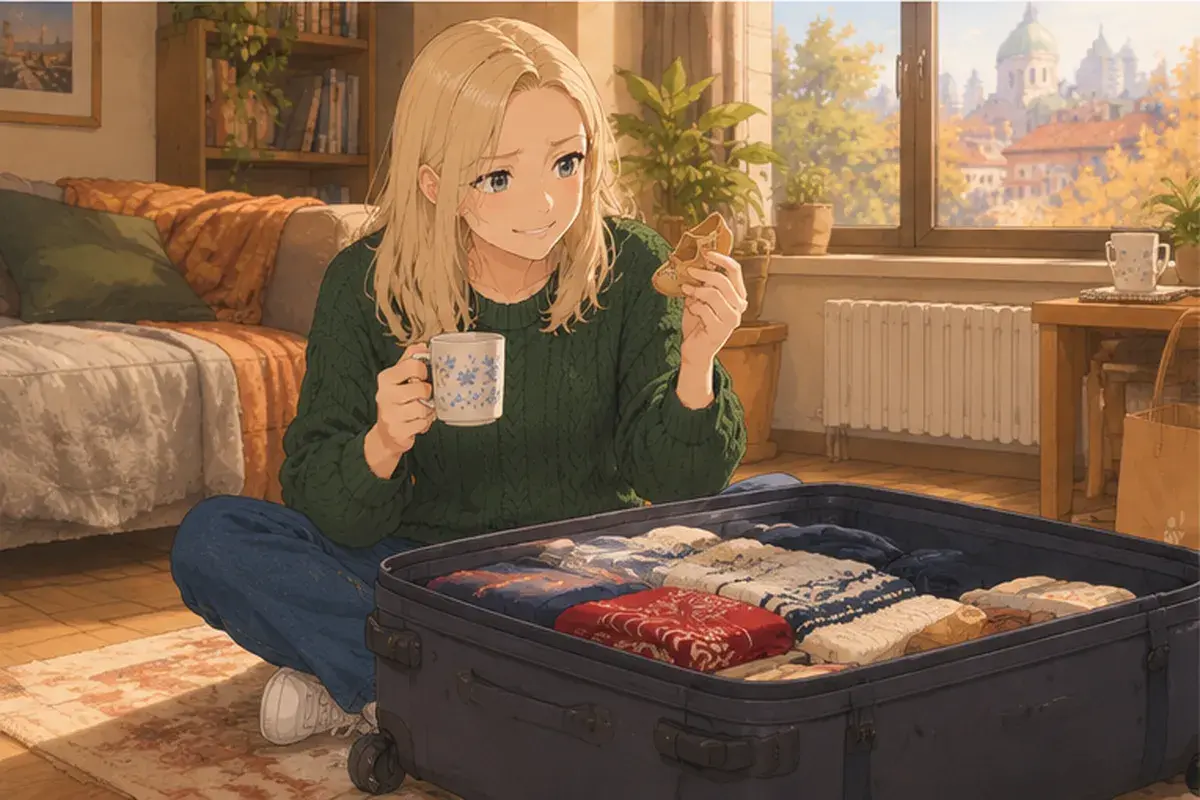
Мање је више, али хоћу да донесем све.
Less is more, but I want to bring everything.
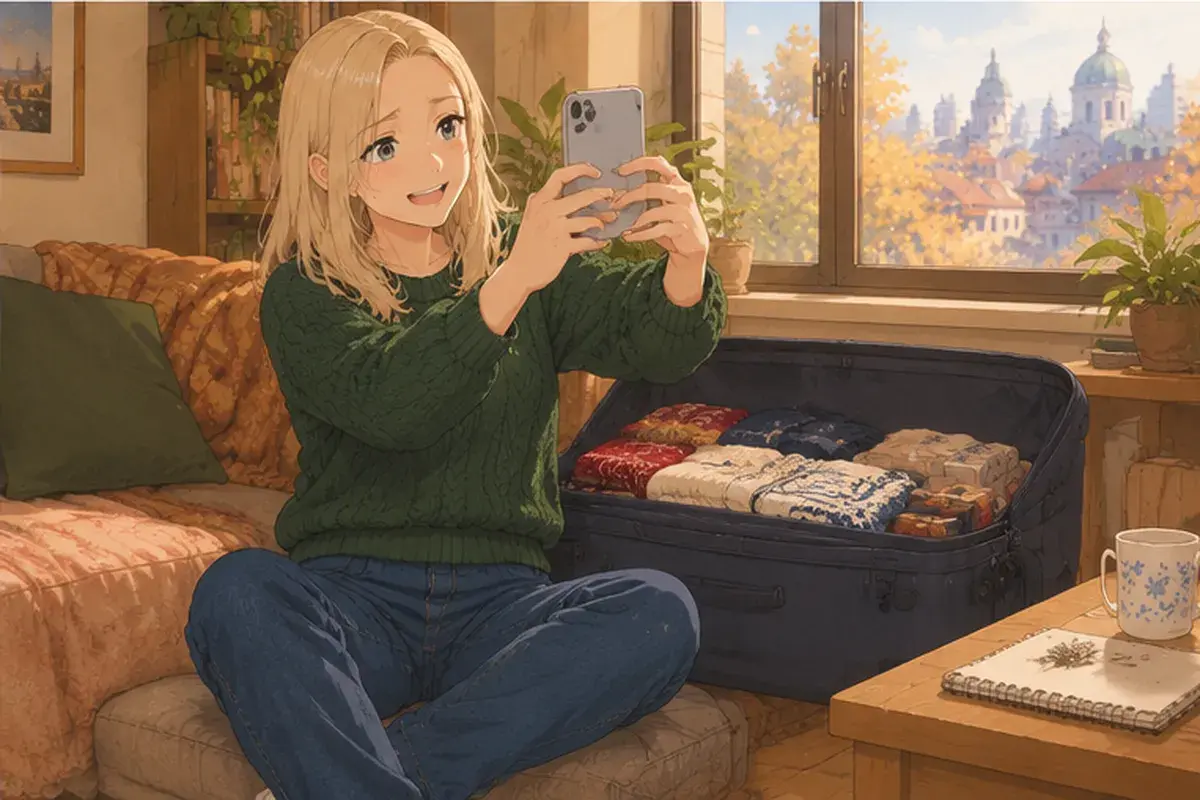
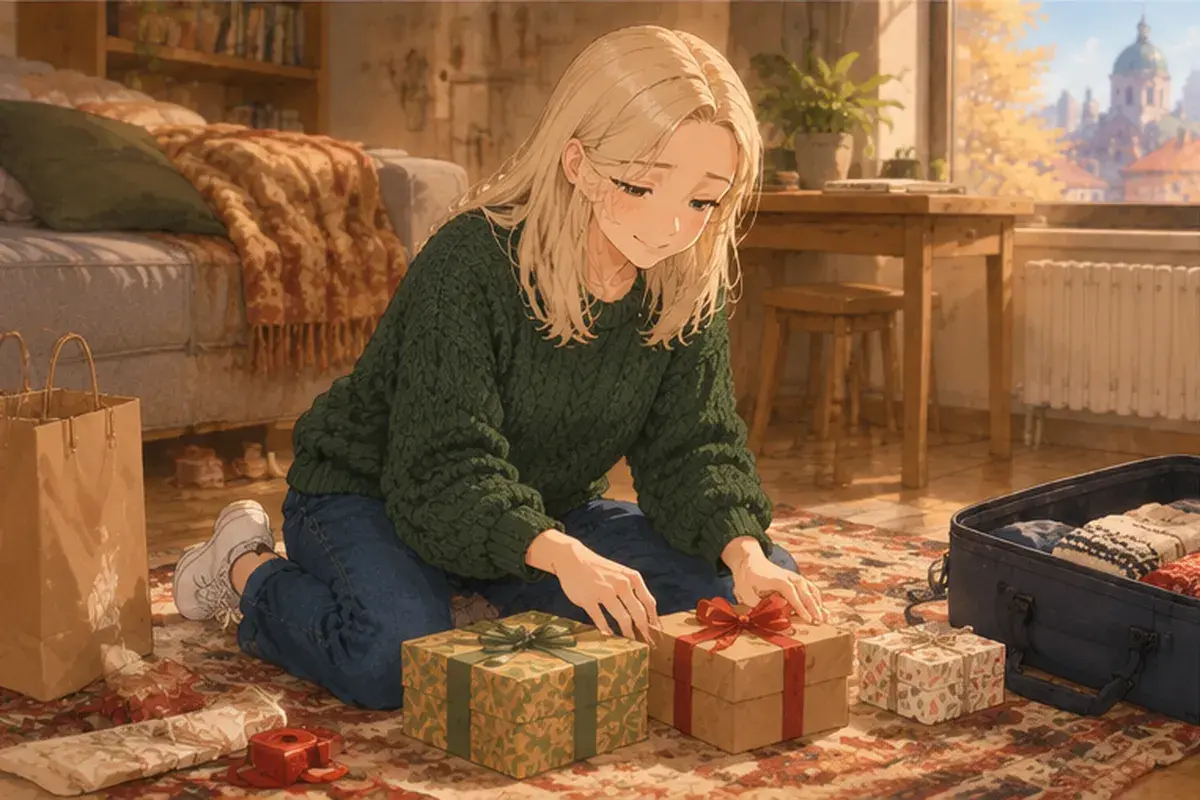
Хоћу да пошаљем слику кући. Мама се већ радује!
I want to send a photo home. Mom is already looking forward to it!
Grammar for this text
У недељу зовем маму и говорим: „Срећан рођендан!“—у недељу— on Sunday (days of the week, unit 11): Mom's birthday is on Sunday, so Ana will call her then. Serbian uses the present for a plan, like English "I'm calling".зовем— I call (fromзвати).Срећан рођендан!is a set phrase, Happy birthday!;срећанis masculine becauseрођенданis masculine.За мене је магнет, мали дрвен опанак—за мене— for me (ја → мене).опанакis a traditional leather shoe with a turned-up toe; here it's a magnet in that shape.дрвен— wooden.Ту је и шоља, лепа успомена из Београда—успомена— a memory; here a small thing to remember a place by, a keepsake.из Београда— from Belgrade (из+ genitive, unit 12).То није реч. То је само једно слово!— Ana's joke: she writes downсловоas a new word, but it means letter, and a word isреч.Све је лепо, али кофер је већ пун и тежак—пун(full) andтежак(heavy) are masculine, likeкофер(suitcase).Имам превише ствари. Како све то може да стане?—превише ствари— too many things (afterпревишеcomes the genitive:ствар → ствари).станеis fromстати, to fit; it isn't used alone, only afterда.Мање је више, али хоћу да донесем све—мање— less,више— more: the same saying as English "less is more", but Ana still wants to bring everything. InХоћу да пошаљем слику, bothдонесемandпошаљемare the present ofдонети(to bring) andпослати(to send), again afterда.Мама се већ радује!— fromрадовати се, to be glad:радује— she's glad, she's looking forward to it.
Words and grammar of the unit: Choose gifts to take home.
Learn the words from the texts with flashcards
In the app, you can tap any word in a text to see its translation, forms and examples, and new words stick with flashcards. 15 minutes a day.
Start for freeEverything is open for free. No card needed to sign up.