
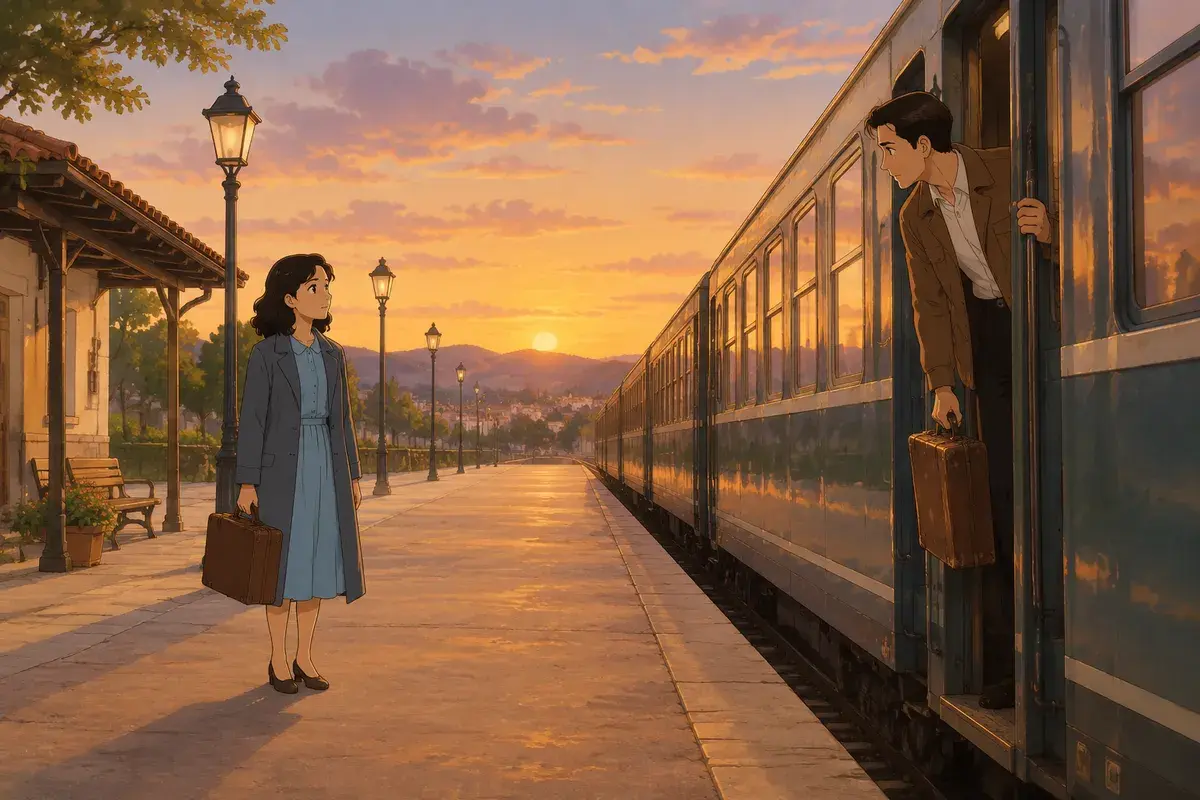
Spanish story with translation · B2 · 18 lines
El tren al que no subí The train I didn't get on
Comic · 15 panels
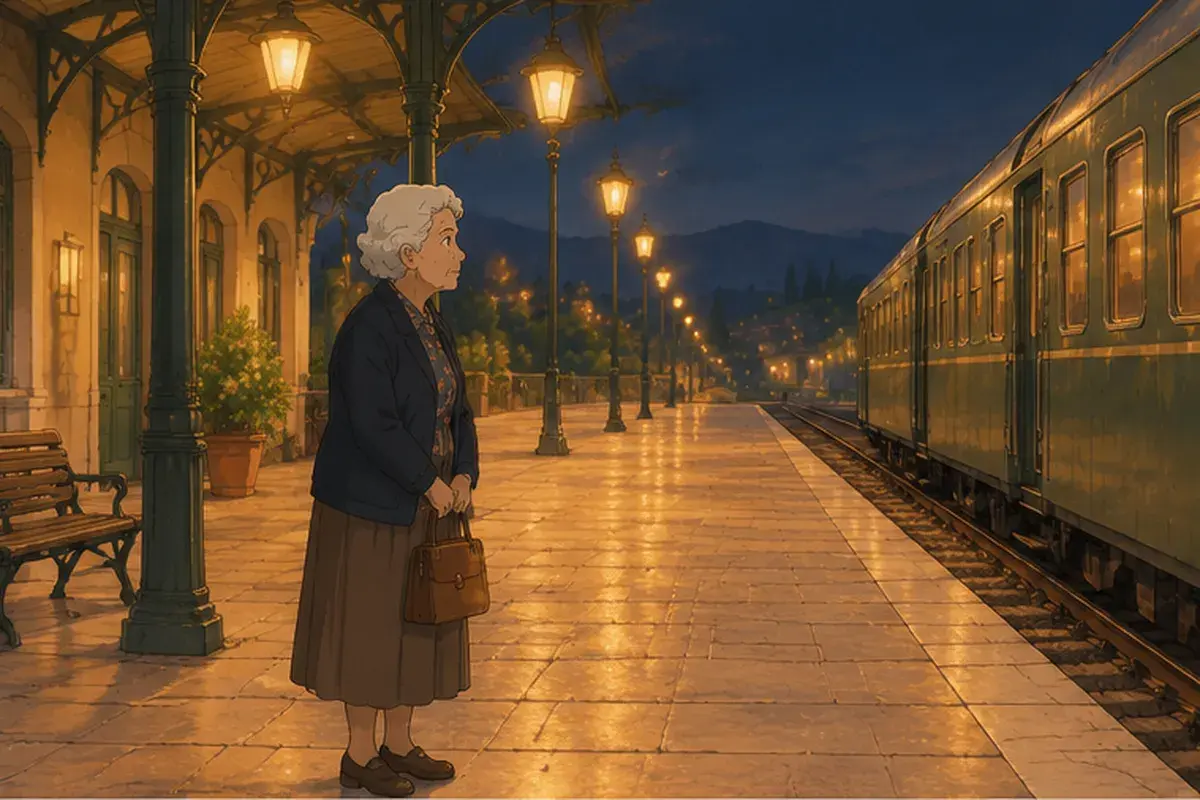
Me llamo Encarna y tengo ochenta años. A mi edad se añoran muchas cosas, pero yo siempre vuelvo al mismo andén.
My name is Encarna, and I'm eighty. At my age, you long for many things, but I always come back to the same platform.
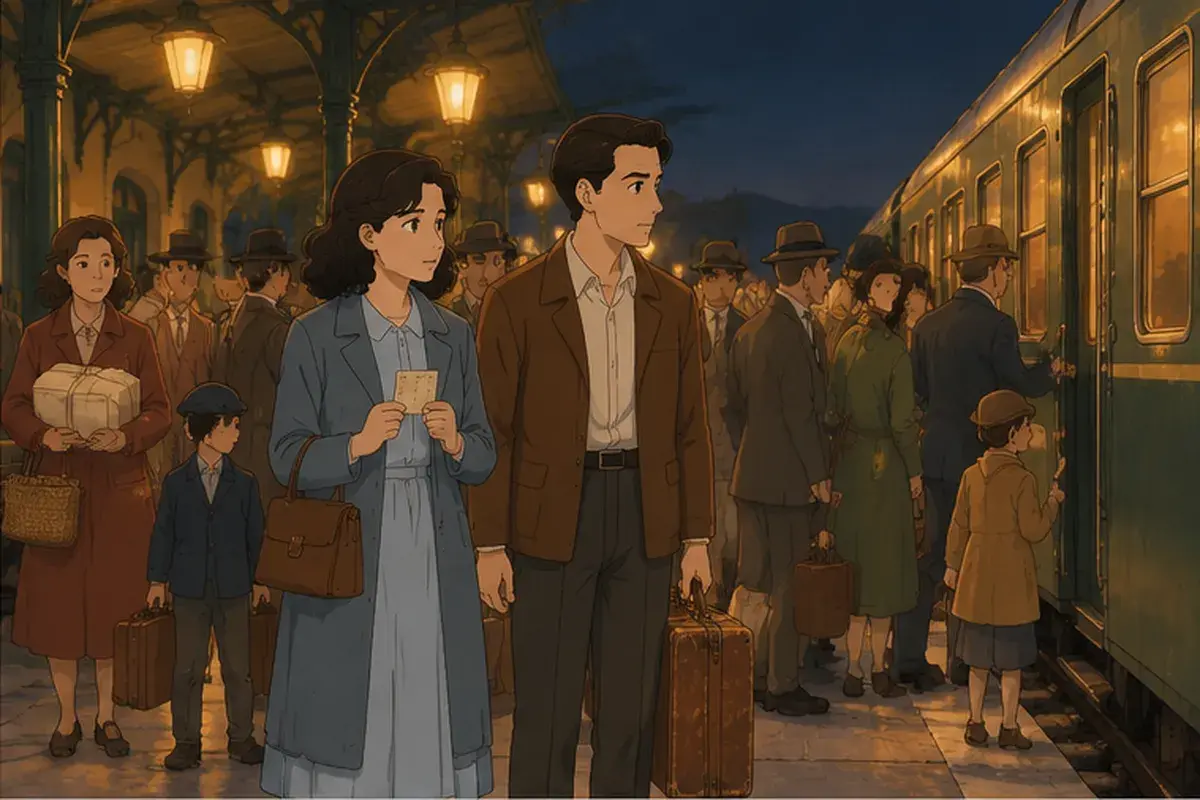
En mi juventud, hace seis décadas, media España partía hacia Francia o Alemania para buscar trabajo.
In my youth, six decades ago, half of Spain was leaving for France or Germany to look for work.
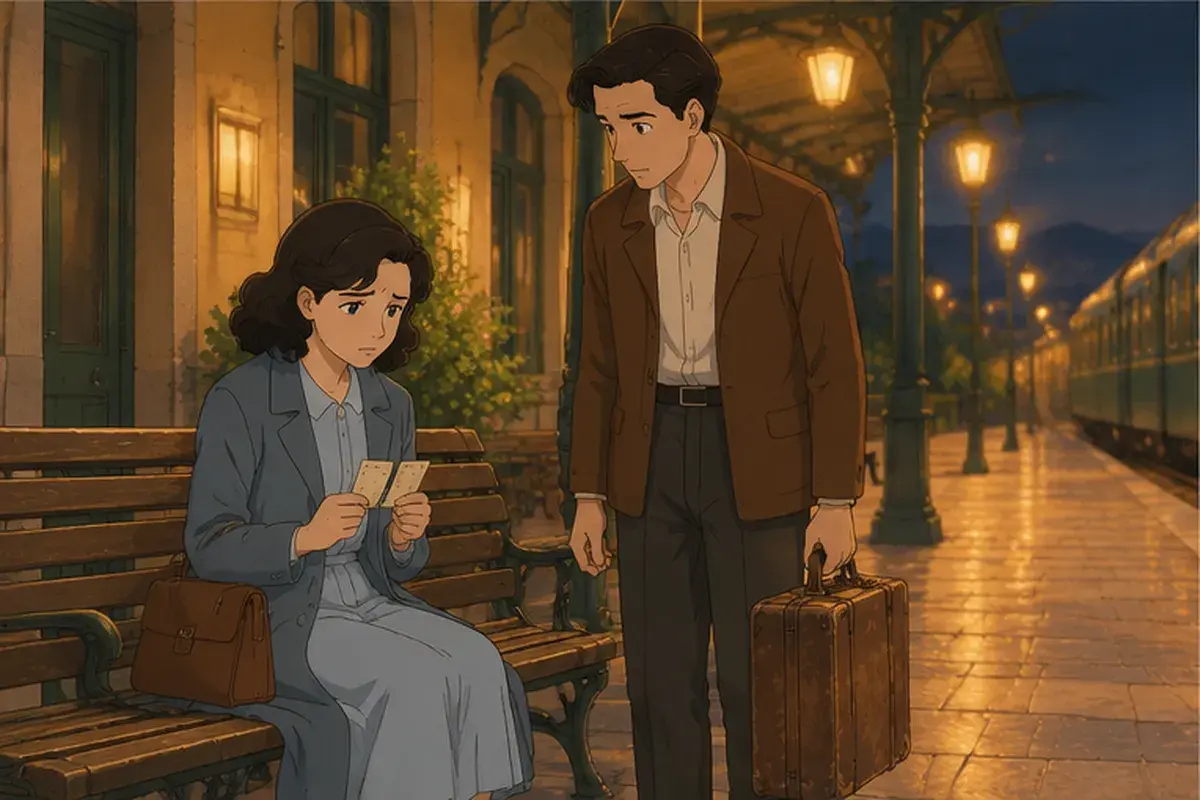
Mi novio, Joaquín, tenía un contrato en una fábrica de Lyon, y compramos dos billetes para el último tren a Barcelona.
My boyfriend, Joaquín, had a contract at a factory in Lyon, and we bought two tickets for the last train to Barcelona.
Pero las circunstancias cambiaron: mi madre se puso enferma, y yo no sabía si era capaz de abandonarla.
But circumstances changed: my mother got sick, and I didn't know if I was capable of abandoning her.
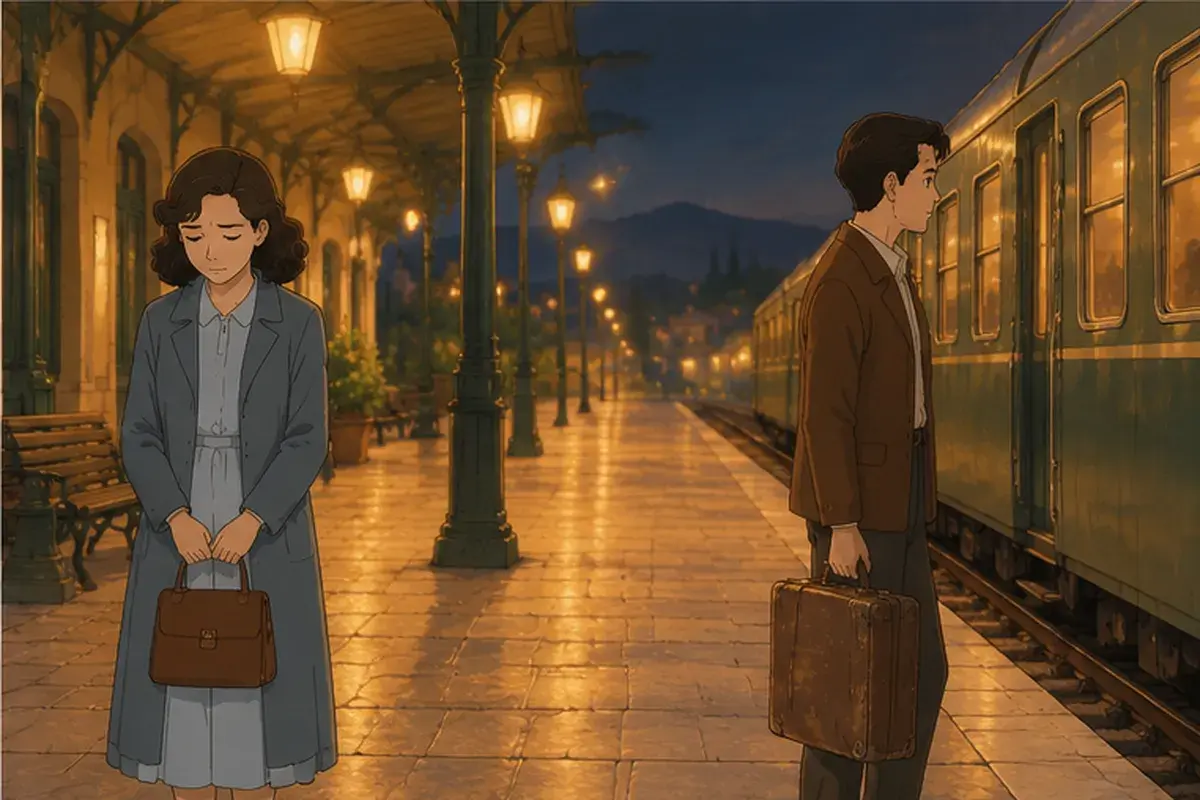
Tampoco me atreví a decírselo a Joaquín: no quería ser un obstáculo para él.
I didn't dare tell Joaquín either: I didn't want to be an obstacle for him.

Aquella noche llegué a la Estación del Norte con la maleta y con el alma partida en dos.
That night I arrived at the Estación del Norte with my suitcase and with my soul torn in two.
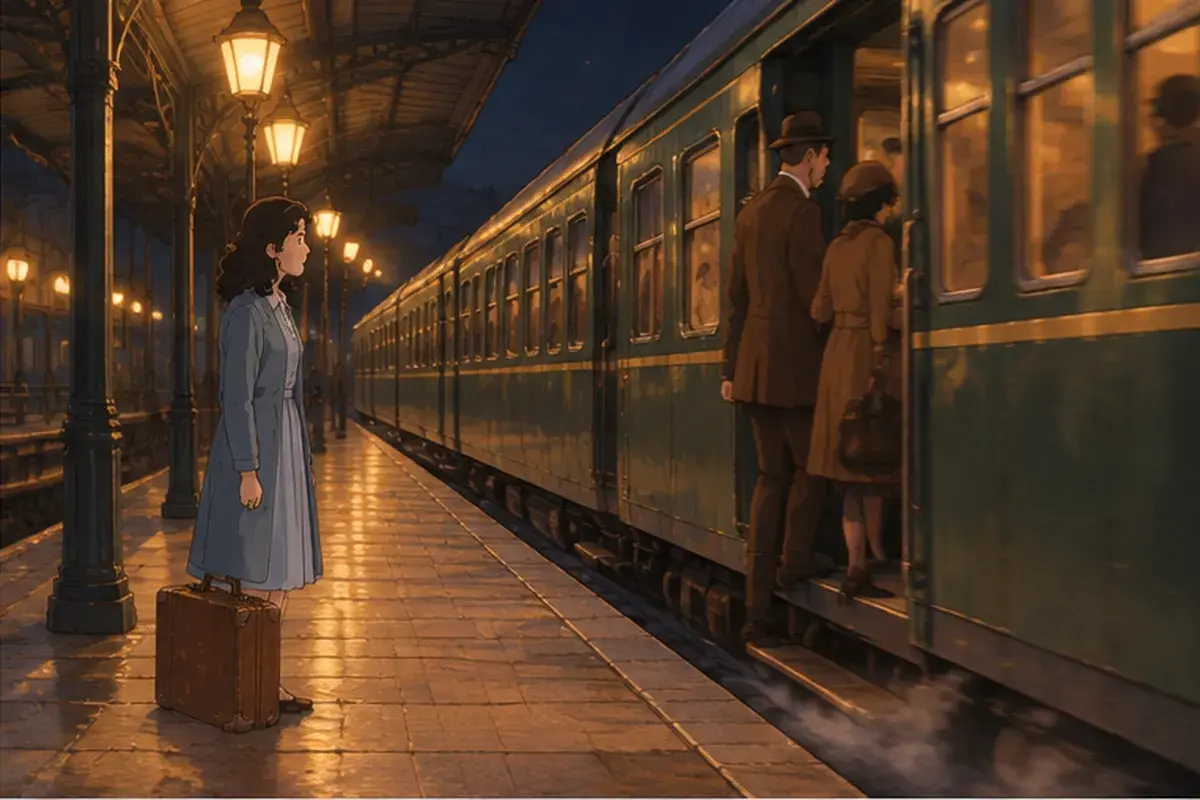
Vi a la gente subir al tren y me quedé inmóvil al final del andén. El miedo me impedía moverme.
I watched people get on the train, and I froze at the end of the platform. Fear kept me from moving.
Vacilé un minuto, dos, cinco… El tren partió, y yo seguía allí.
I hesitated one minute, two, five… The train left, and I was still there.
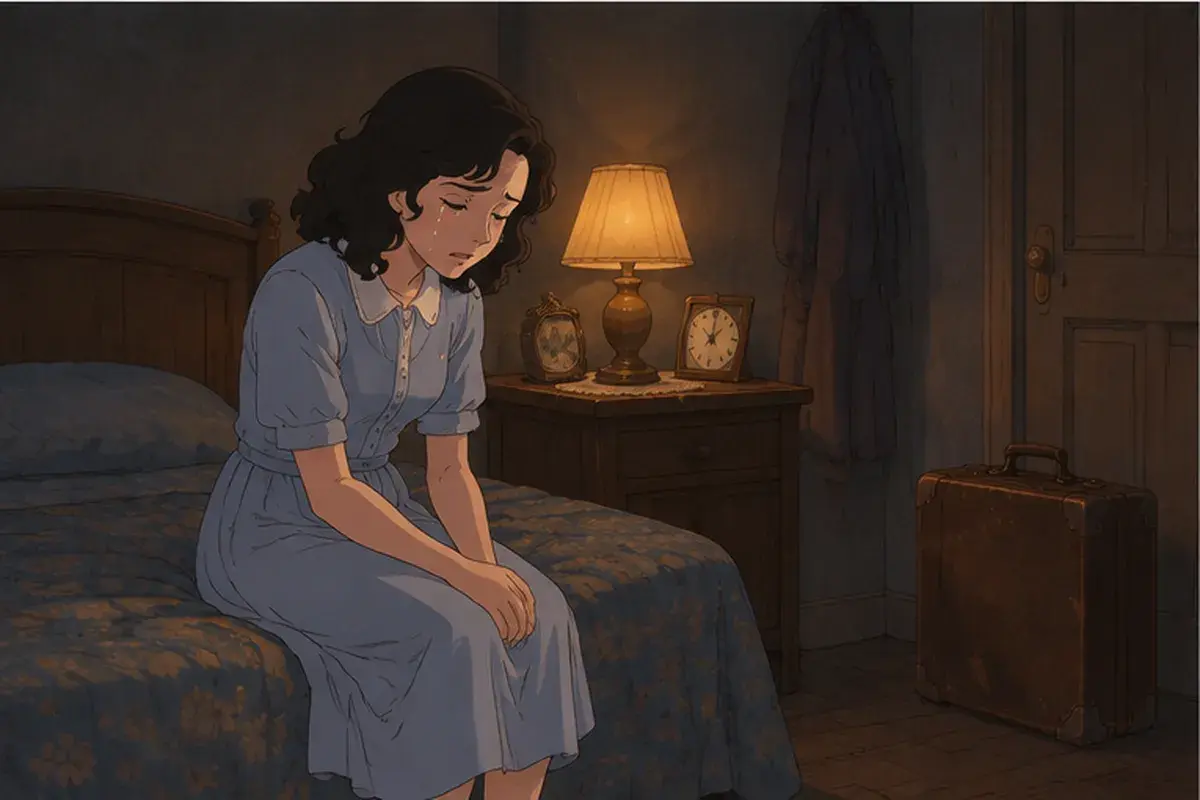
Volví a casa llorando y no dormí en toda la noche. «Debería haberlo dicho antes», me repetía, llena de arrepentimiento.
I went back home crying and didn't sleep all night. "I should have said it sooner," I kept telling myself, full of regret (woman speaking).

Por la mañana miré el reloj y pensé: «Ya habrá llegado a Barcelona». Creía que aquello era irreversible y que ya no tenía remedio.
In the morning I looked at the clock and thought: "He's probably gotten to Barcelona by now." I believed it was irreversible and that it couldn't be fixed anymore.
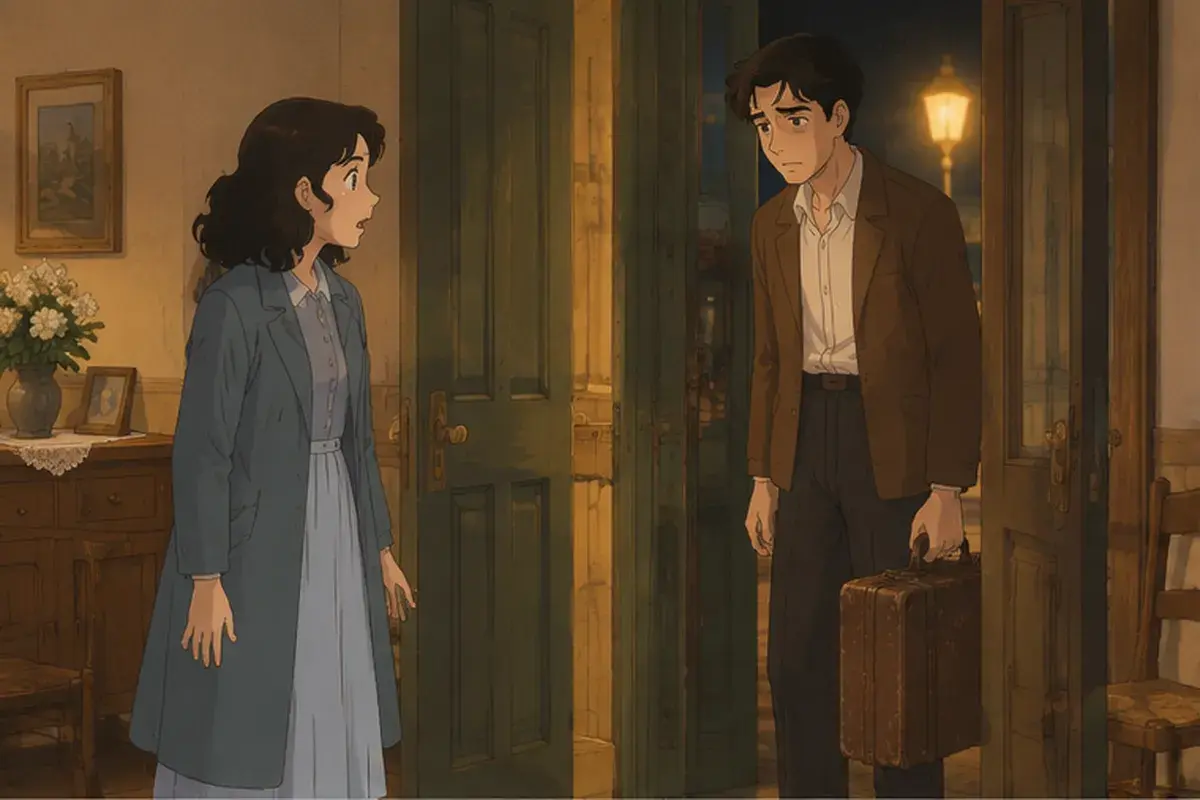
En ese instante llamaron a la puerta. Era Joaquín, con la maleta en la mano y más blanco que la pared.
At that very moment, someone knocked on the door. It was Joaquín, suitcase in hand and as white as a sheet.
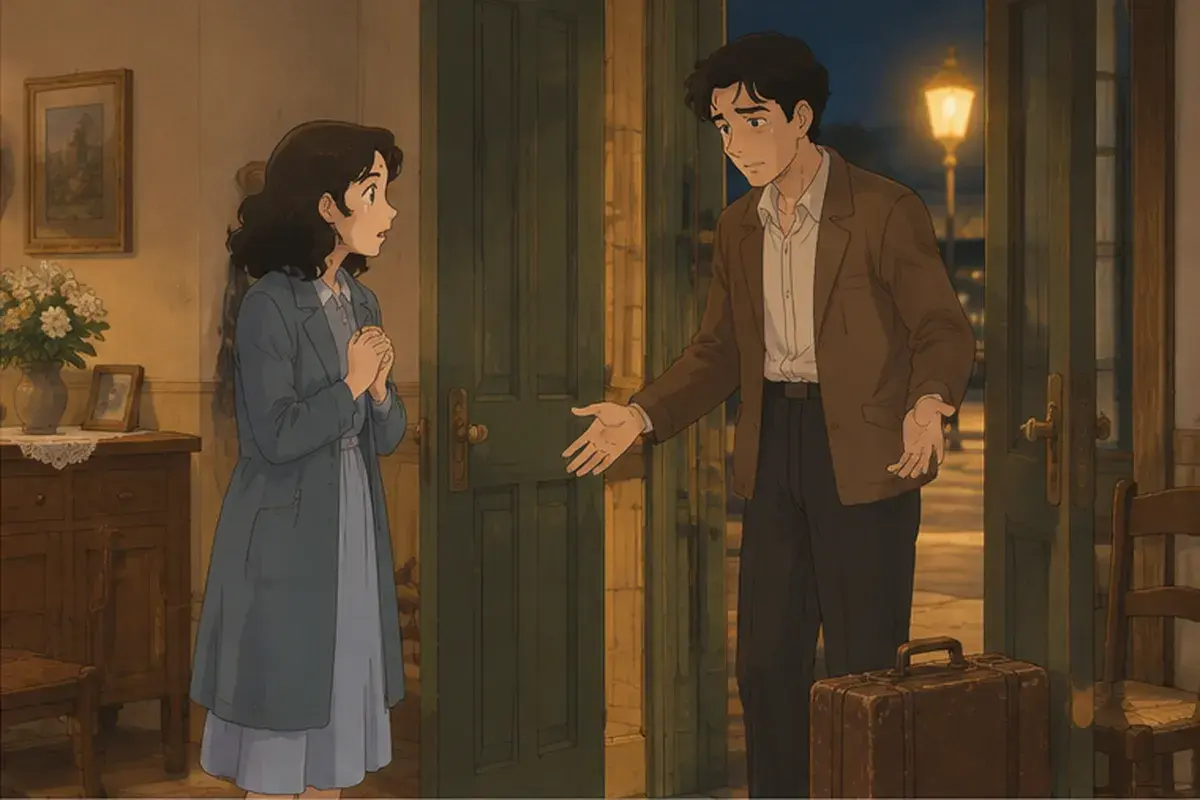
—¿Tú no estabas en el tren? —le pregunté. —Bajé en Sagunto —contestó—. Te busqué por todos los vagones y no estabas.
"Weren't you on the train?" I asked him. "I got off in Sagunto," he answered. "I looked for you in every car, and you weren't there."
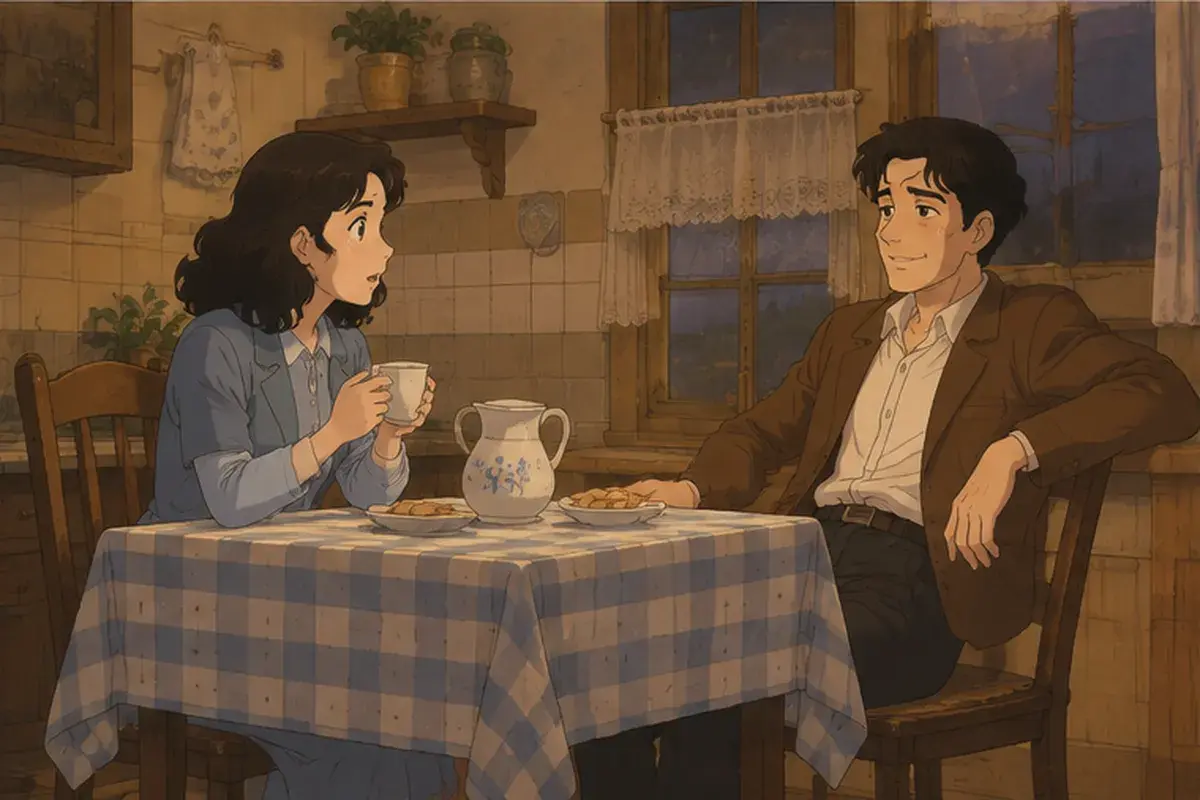
—Mi madre está enferma… —empecé yo—. ¡Y yo creía que ya estabas en Barcelona! ¡Si lo hubiera sabido!
"My mother is sick…" I began. "And I thought you were already in Barcelona! If only I had known!"
—Deberías haberlo dicho —contestó él—. Me habría gustado saberlo antes de comprar dos billetes.
"You should have said so," he answered. "I would have liked to know before I bought two tickets."
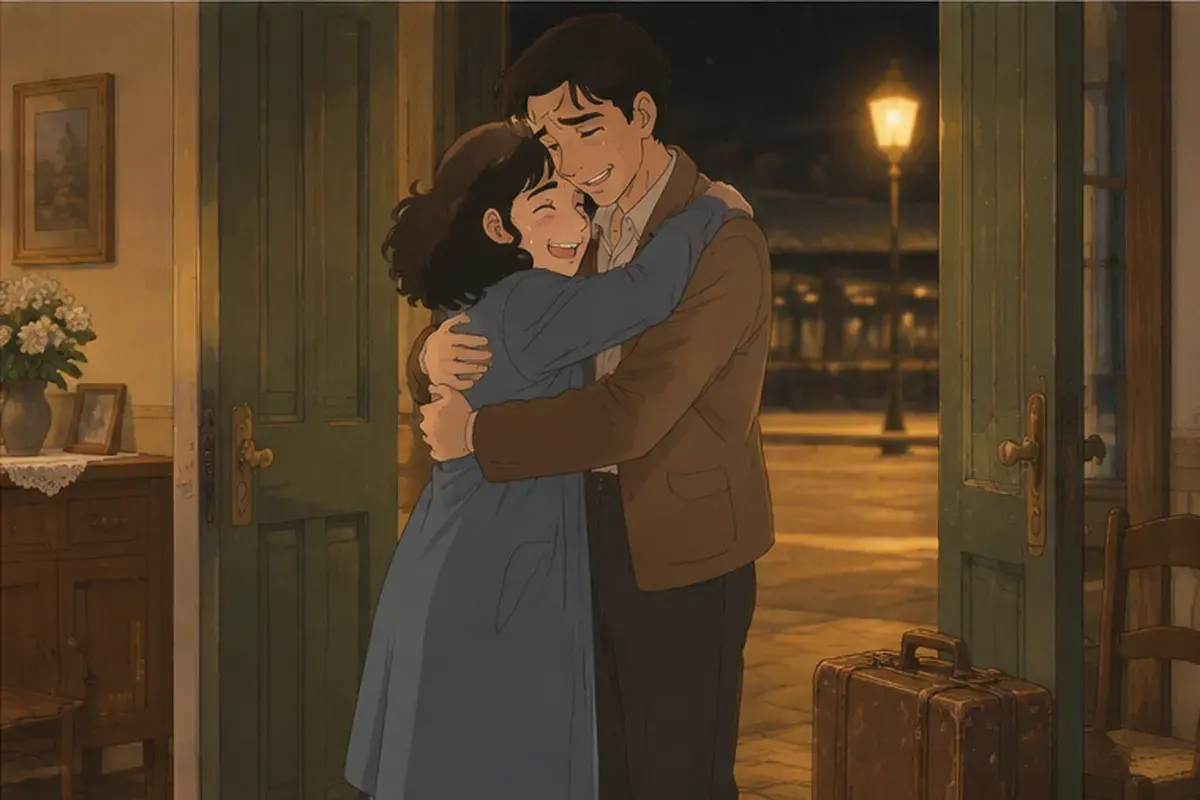
Nos reímos y lloramos a la vez. Nos casamos aquel otoño, y Joaquín encontró trabajo en el puerto.
We laughed and cried at the same time. We got married that fall, and Joaquín found work at the port.
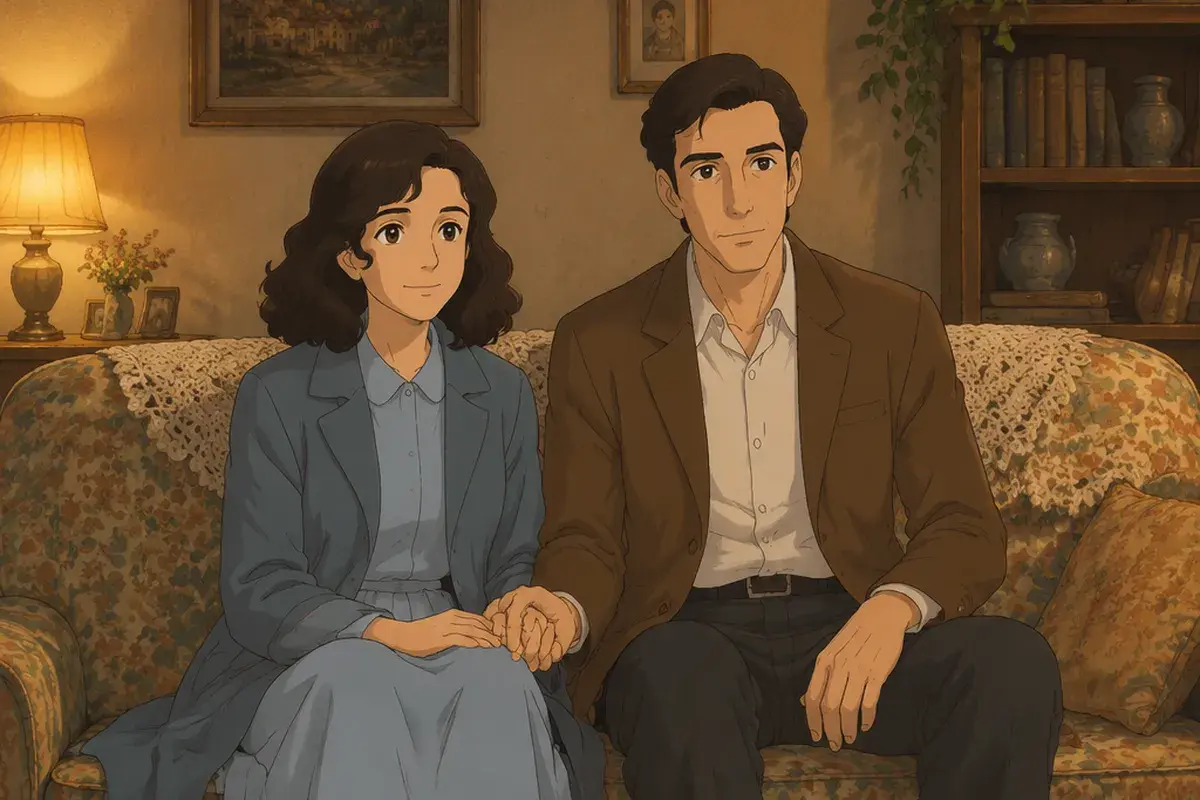
Tuvimos años difíciles y más de una crisis, pero nunca nos echamos la culpa de aquella noche.
We had hard years and more than one crisis, but we never blamed each other for that night.

A Joaquín le habría gustado vivir en Francia, eso sí. Por eso fuimos a Lyon cuarenta años después, de vacaciones.
Joaquín would have liked to live in France, though. That's why we went to Lyon forty years later, on vacation.
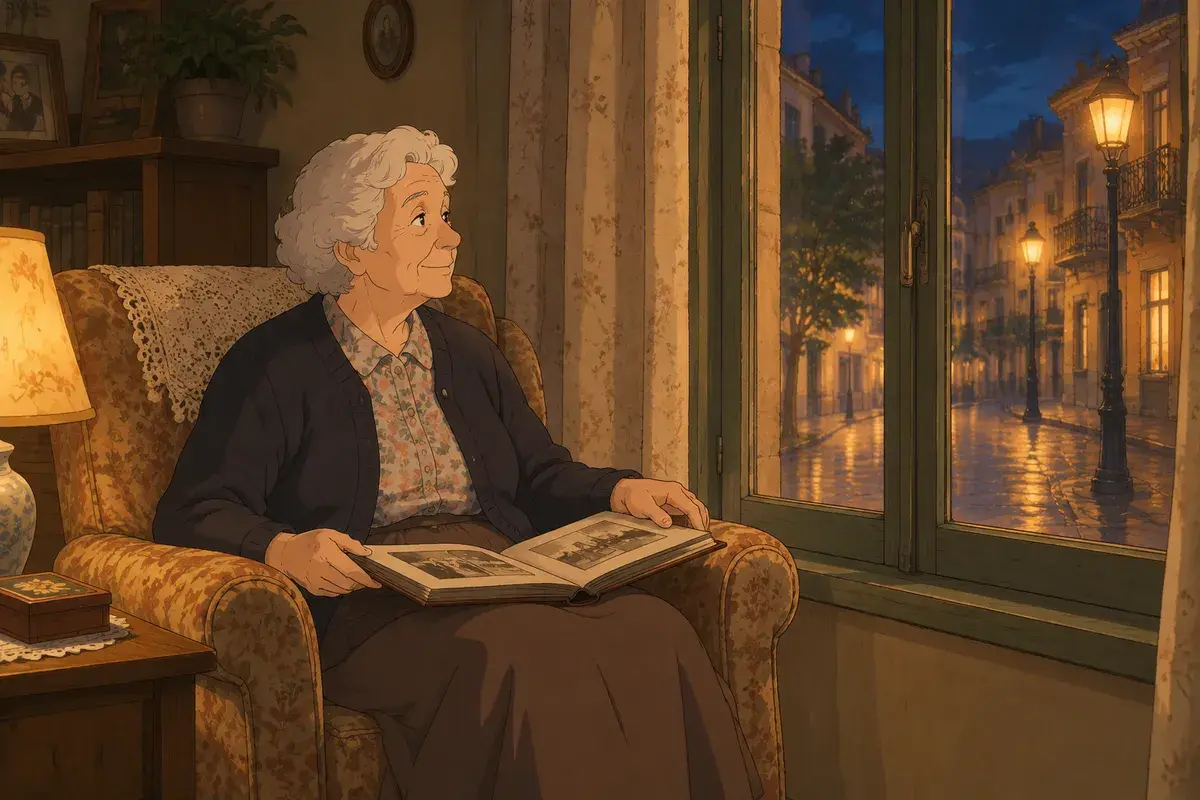
Ahora, en la vejez, no sé si soy más sabia. Pero sé una cosa: si lo hubiéramos sabido todo antes, hoy no tendríamos esta historia para los nietos.
Now, in my old age, I don't know if I'm any wiser. But I know one thing: if we had known everything beforehand, today we wouldn't have this story for our grandchildren (woman speaking).
Grammar for this text
Set phrases of the unit (the rule comes later):
- Debería haberlo dicho antes — "I should have said it sooner"; Deberías haberlo dicho — the same, but blaming someone else.
- Ya habrá llegado a Barcelona — "he's probably gotten to Barcelona by now": Encarna doesn't know; she's guessing as she looks at the clock.
- Me habría gustado saberlo — "I would have liked to know"; le habría gustado vivir en Francia — "he would have liked to live in France".
- ¡Si lo hubiera sabido! — "If only I had known!" In the last line, the phrase goes on with what would be true now, in the plain conditional: si lo hubiéramos sabido todo antes, hoy no tendríamos esta historia. Hubiéramos is the same hubiera, just for "we".
Partir has two meanings here: el tren partió — "the train left" (formal), el alma partida en dos — "a soul torn in two".
A bit of local history. In the 1960s, a great many Spaniards went to France and Germany to work. Estación del Norte is the old train station in the center of Valencia.
Words and grammar of the unit: Talk about your regrets.
Learn the words from the texts with flashcards
In the app, you can tap any word in a text to see its translation, forms and examples, and new words stick with flashcards. 15 minutes a day.
Start for freeEverything is open for free. No card needed to sign up.