

Spanish story with translation · A2 · 16 lines
¡La he encontrado! I've found it!
Comic · 10 panels

¡Hola, Lucía! Tengo una buena noticia.
Hi, Lucía! I have good news.
¡Por fin tengo habitación! La he encontrado hoy.
I finally have a room! I found it today.
Esta semana he visto diez habitaciones. ¡Diez!
This week I've seen ten rooms. Ten!
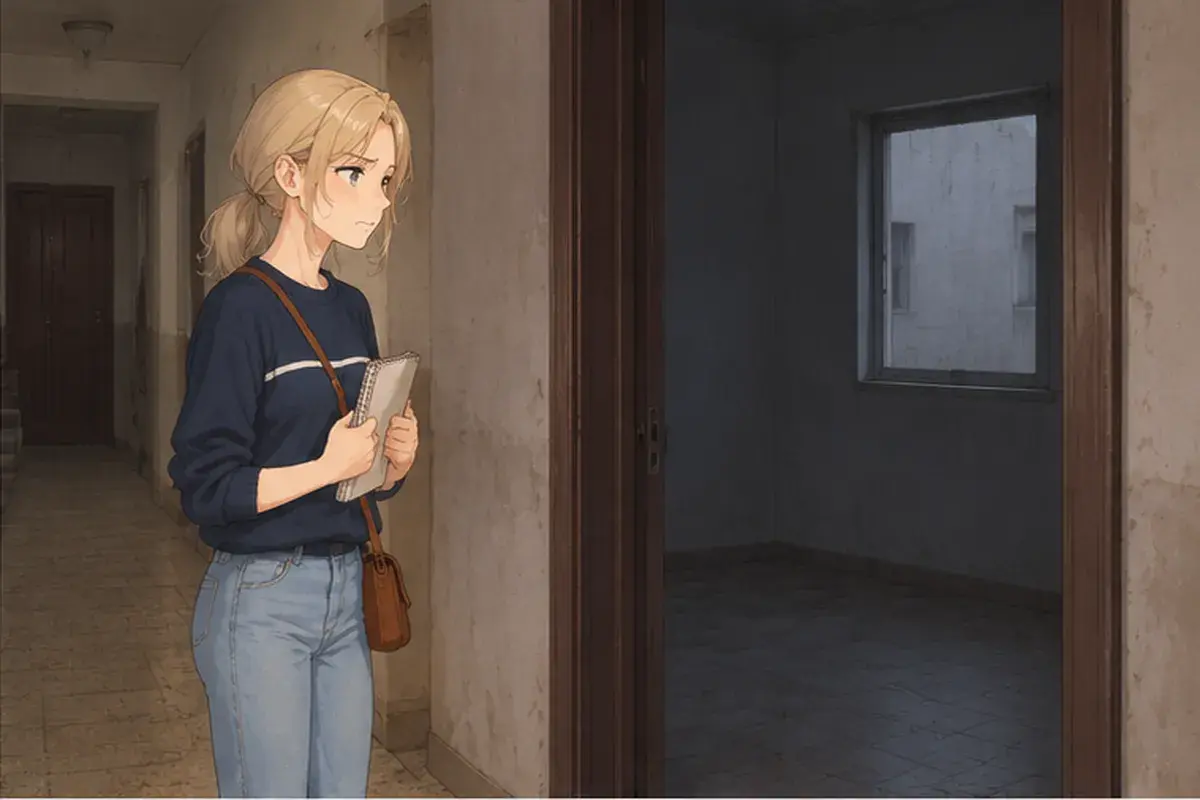
La séptima es muy oscura: desde la ventana solo veo una pared.
The seventh one is very dark: from the window I only see a wall.
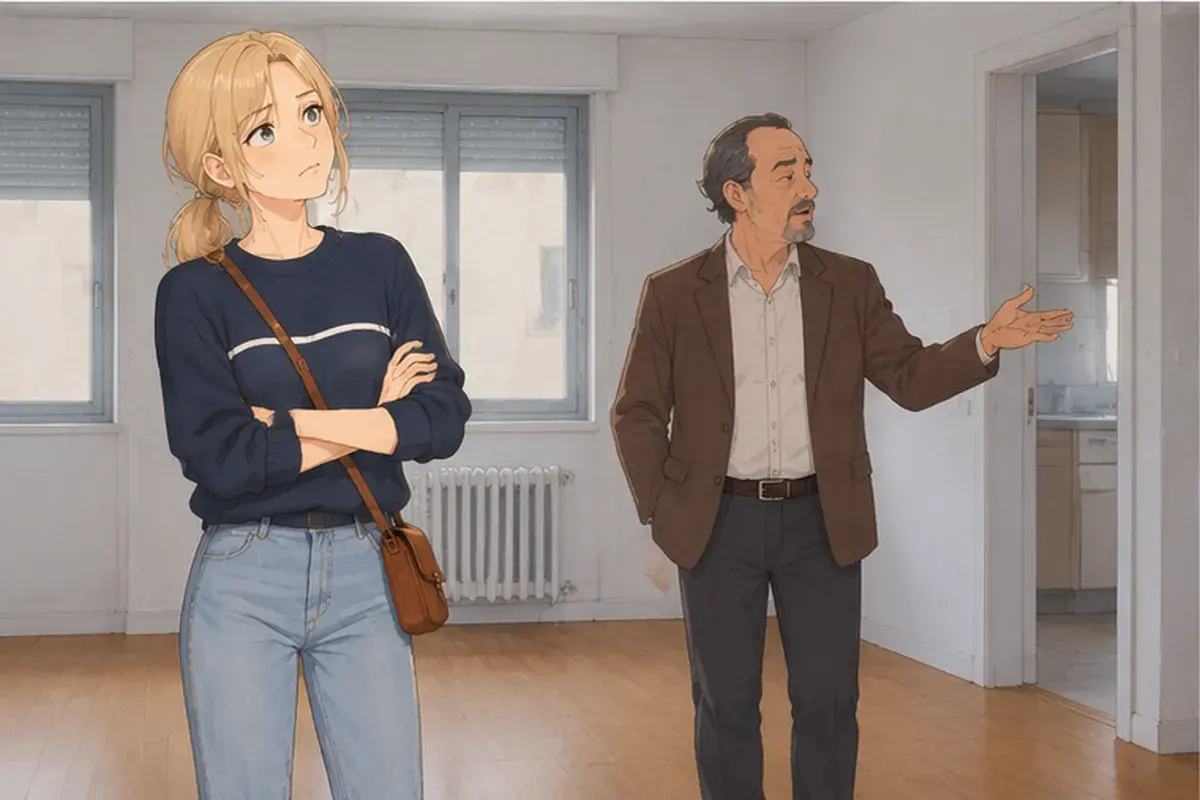
La octava no tiene calefacción. El propietario dice: «En Valencia nunca hace frío».
The eighth one has no heating. The landlord says: "It's never cold in Valencia."
La novena es bonita, pero los gastos no están incluidos y la fianza es de tres meses.
The ninth one is nice, but utilities aren't included and the deposit is three months' rent.
Hoy he visto la décima. El anuncio dice: «Se alquila habitación céntrica y amueblada».
Today I saw the tenth one. The ad says: "Room for rent: central and furnished."
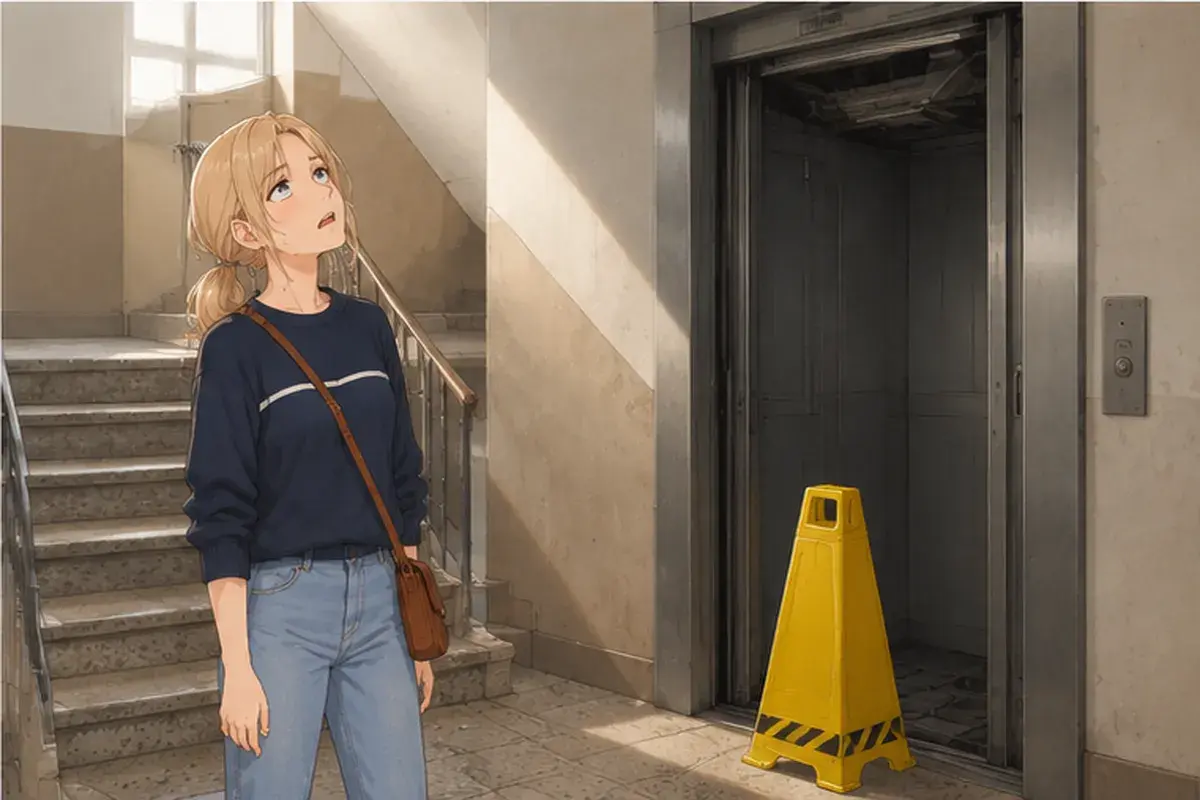
Llego al edificio y el ascensor está roto. ¡Y el piso está en la quinta planta!
I get to the building, and the elevator is broken. And the apartment is on the fifth floor!

Subo a pie y pienso: «No la quiero».
I walk up and think: "I don't want it."
Pero la dueña abre la puerta, me enseña la habitación... ¡y me encanta!
But the landlady opens the door, shows me the room... and I love it!

Tiene mucha luz, su propio baño y vistas al parque.
It has a lot of light, its own bathroom and a view of the park.
Los muebles son nuevos y no tengo que comprarlos.
The furniture is new, and I don't have to buy it.

La dueña se llama Carmen y vive en el sexto, justo encima. Es muy simpática.
The landlady's name is Carmen, and she lives on the sixth, right above me. She's very nice.

Mañana leo el contrato y lo firmo. El sábado me mudo.
Tomorrow I'm reading the contract and signing it. On Saturday I'm moving.

Solo hay un problema: mis tres maletas. ¿Las subimos juntas?
There's just one problem: my three suitcases. Shall we carry them up together? (women speaking)

Luego te invito a cenar en la terraza. ¡Te espero el sábado!
After that, I'm treating you to dinner on the terrace. I'll be waiting for you on Saturday!
Grammar for this text
What happened today. He visto, he encontrado (I've seen, I've found) is the present perfect from unit 2: things that happened today or this week. The story itself Ana tells in the present tense: llego, subo, pienso. English storytellers do this too: "So I get there, and the elevator is broken."
Lo, la, las. La he encontrado (I've found it: the room); no la quiero (I don't want it); lo firmo (I'll sign it: the contract); ¿las subimos? (shall we carry them up? the suitcases, las maletas). In no tengo que comprarlos there are two verbs, so the pronoun is joined to the infinitive.
Ordinal numbers without a noun. La séptima, la octava, la décima (the seventh, the eighth, the tenth one) are feminine, like la habitación. Vive en el sexto means "she lives on the sixth (floor)".
Se alquila means "for rent". It's a set phrase from ads; you'll learn the rule later.
Los gastos no están incluidos (utilities aren't included): incluido is plural to match gastos. La fianza es de tres meses means "the deposit is three months' rent".
Words and grammar of the unit: Rent a room from an ad.
Learn the words from the texts with flashcards
In the app, you can tap any word in a text to see its translation, forms and examples, and new words stick with flashcards. 15 minutes a day.
Start for freeEverything is open for free. No card needed to sign up.