

Chinese dialogue with translation · B1 · 18 lines
我突然想起来了 Suddenly I remembered
Comic · 14 panels

- 萨拉
张磊,面试怎么样?快说!
Zhang Lei, how was the interview? Tell me, quick!
- 张磊
别提了,一开始真糟糕。
Don't even ask, it was terrible at first.
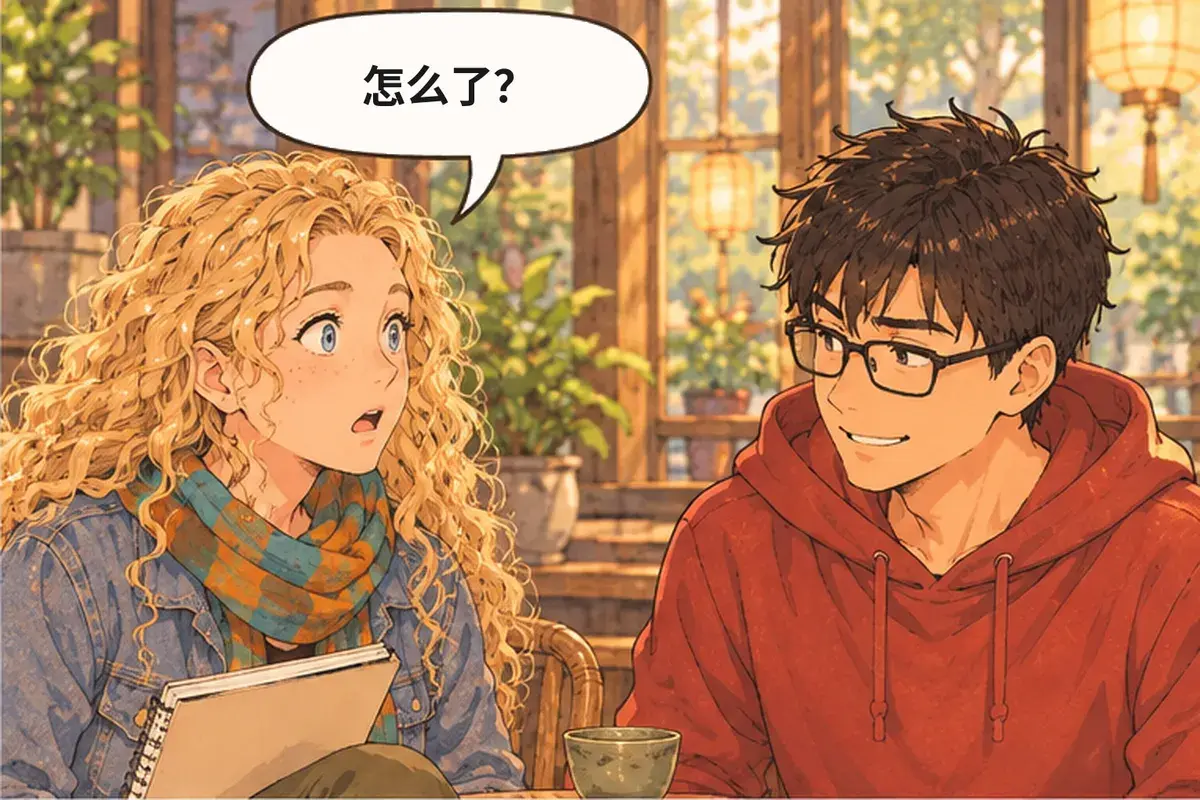
- 萨拉
怎么了?
What happened?
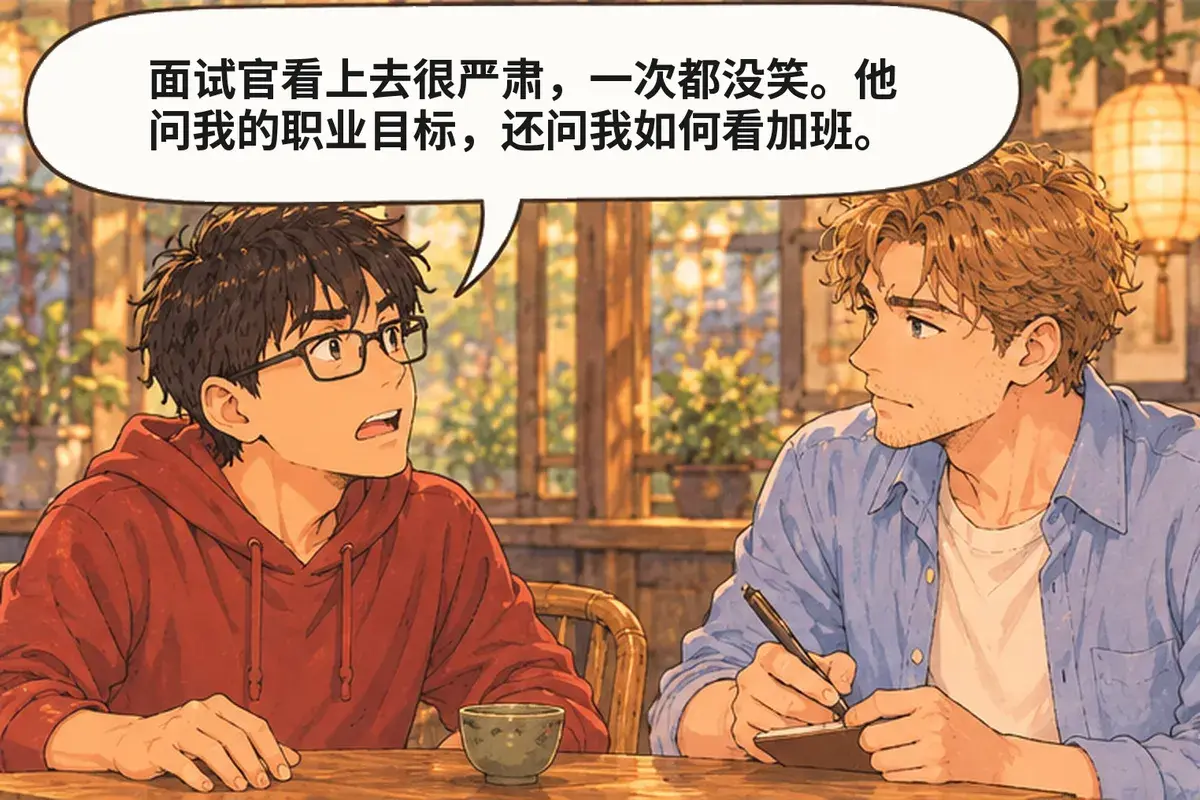
- 张磊
面试官看上去很严肃,一次都没笑。他问我的职业目标,还问我如何看加班。
The interviewer looked very serious and didn't smile once. He asked about my career goals, and he also asked how I see working overtime.

- 伊利亚
你一定很紧张吧?
You must have been really nervous, right?
- 张磊
对,我一紧张就什么都想不起来了。
Yes, as soon as I get nervous, I can't remember anything.

- 萨拉
啊!然后呢?
Oh! And then?
- 张磊
我突然想起来了:伊利亚说过,别停,说下去!
Suddenly I remembered: Ilya told me, "Don't stop, keep going!"

- 伊利亚
看,我的办法有用吧!
See, my method works!

- 张磊
我就说下去了,越说越好。其实我的基础不差,想说的基本上都说出来了。
So I kept going, and the more I talked, the better it got. Actually my basics aren't bad, and I basically said everything I wanted to say.

- 萨拉
他问你的性格了吗?
Did he ask about your personality?
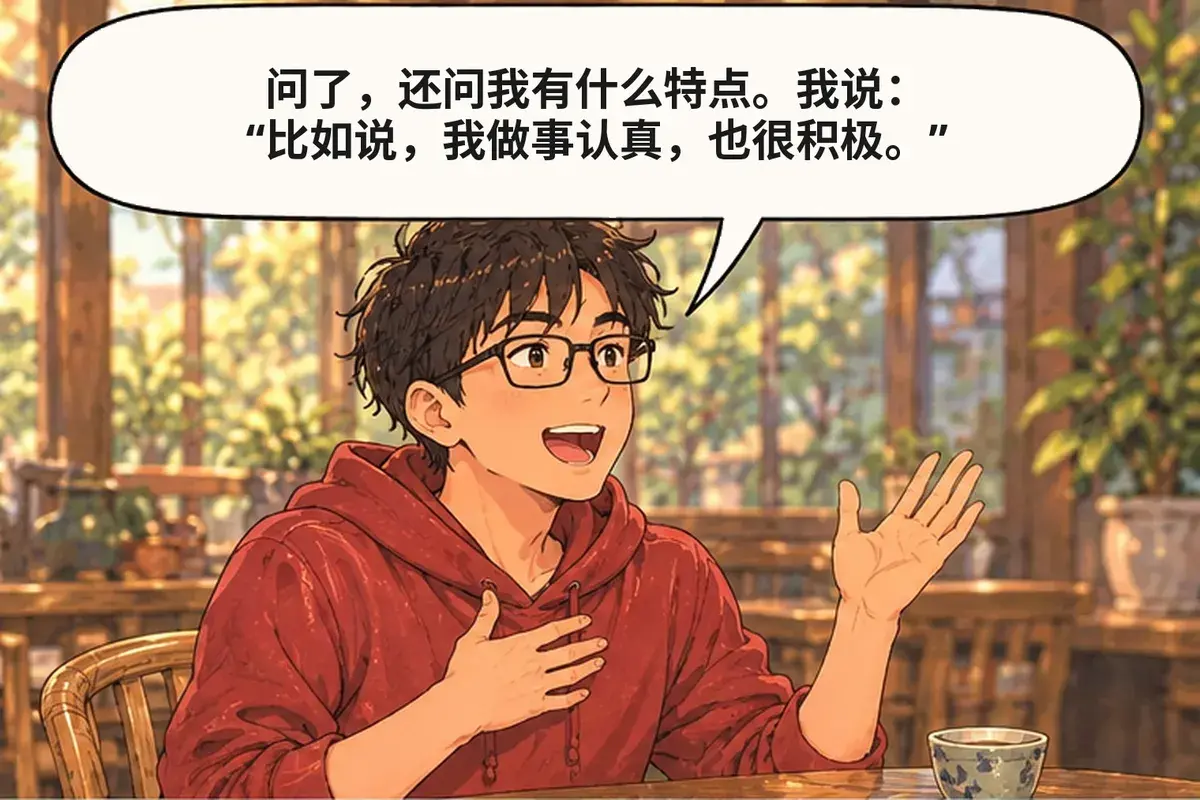
- 张磊
问了,还问我有什么特点。我说:“比如说,我做事认真,也很积极。”
He did, and he also asked what my special traits are. I said, "For example, I take my work seriously, and I'm also proactive."

- 伊利亚
你现在说话比那天在我家自信多了。
You speak much more confidently now than you did that day at my place.

- 张磊
面试官也说我表现很出色:刚毕业的学生很多,有经历、实力强的人不多。
The interviewer also said I did really well: there are a lot of fresh graduates, but not many people with experience and real ability.
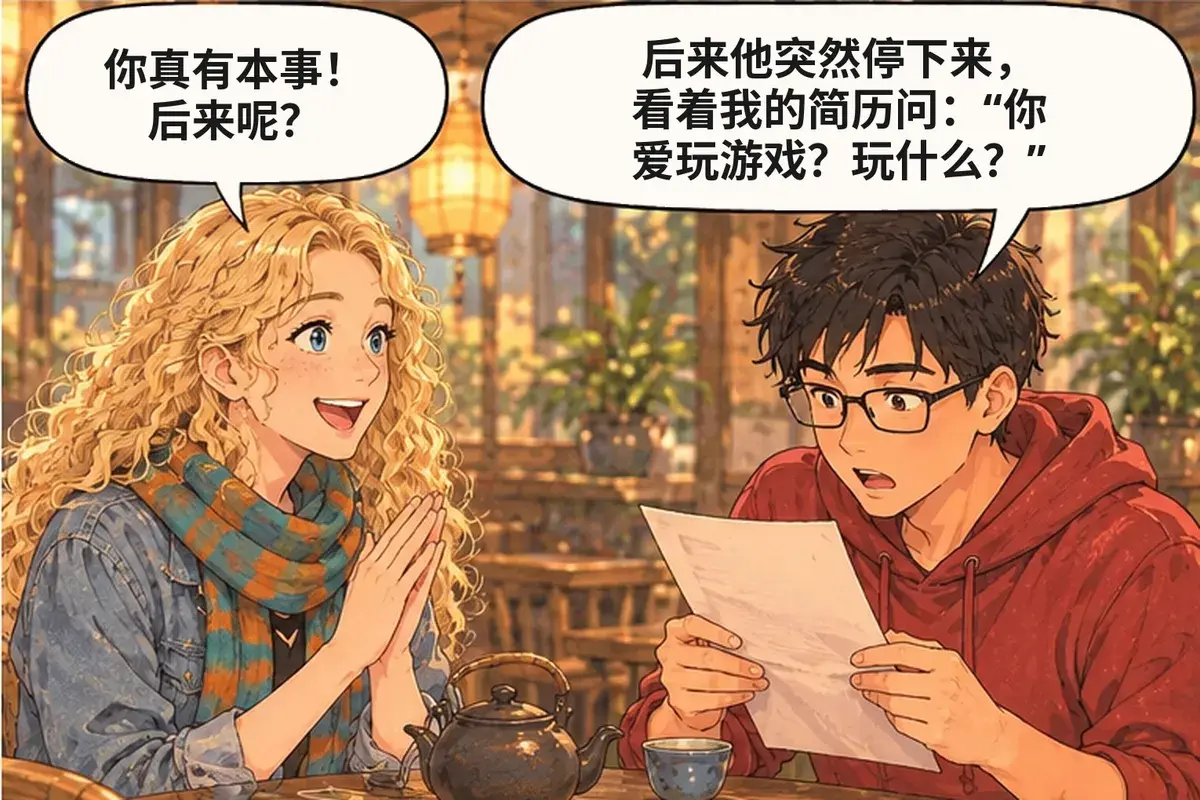
- 萨拉
你真有本事!后来呢?
You've really got skills! And then?
- 张磊
后来他突然停下来,看着我的简历问:“你爱玩游戏?玩什么?”
Then he suddenly stopped, and looking at my resume he asked, "Do you like playing games? What do you play?"
- 张磊
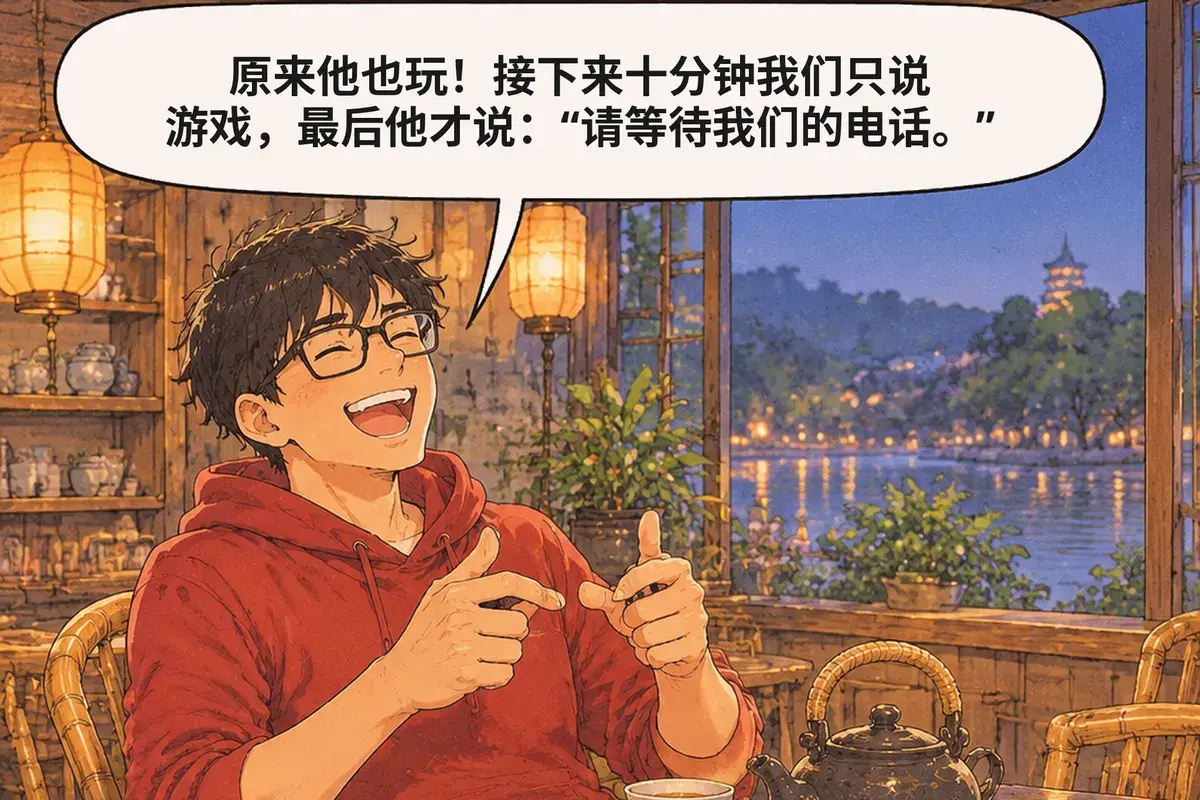
原来他也玩!接下来十分钟我们只说游戏,最后他才说:“请等待我们的电话。”
So it turns out he plays too! For the next ten minutes we talked only about games, and only at the end did he say, "Please wait for our call."

- 萨拉
这个面试官很有个性!到底谁面试谁啊?
This interviewer has a lot of personality! Who was interviewing whom, anyway?
Grammar for this text
- 面试官 看上去 很 严肃, 一 次 都 没 笑。 —
看上去(kànshangqu) means the same as看起来: "looks".一 次 都 没 …means "not even once" (unit 1).严肃(yánsù) describes a face or a tone of voice; for a serious attitude toward work, say认真. - 还 问 我 如何 看 加班。 —
如何(rúhé) is the written-style "how": that is how an interviewer asks a formal question. Between friends you would hear你 怎么 看 加班? - 我 一 紧张 就 什么 都 想不起来 了。 —
什么 都+ a negative means "nothing";想不起来means "can't remember". - 我 就 说 下去 了, 越 说 越 好。 —
说 下去means "kept talking".越 说 越 好means "the more I talked, the better it got" (the rule is in unit 11). - 想 说 的 基本上 都 说 出来 了。 —
出来here doesn't mean "come out" but "out loud": the thought was said.基本上(jīběnshàng) means "basically, almost all". - 有 经历、 实力 强 的 人 不 多 — the mark
、lists the qualities: "people with experience and with strong ability". - 后来 他 突然 停 下来 —
停 下来means "stopped":下来shows that the movement came to rest. People don't say停 下去. - 请 等待 我们 的 电话。 —
等待(děngdài) is the formal "wait": interviewers and announcements use it. At home people just say等. - 到底 谁 面试 谁 啊? —
到底(dàodǐ) means "so … after all": a question with cheerful surprise.
Words and grammar of the unit: Get ready for a job interview.
Learn the words from the texts with flashcards
In the app, you can tap any word in a text to see its translation, forms and examples, and new words stick with flashcards. 15 minutes a day.
Start for freeEverything is open for free. No card needed to sign up.