

Chinese dialogue with translation · A2 · 16 lines
先坐地铁,然后走五分钟 First take the subway, then walk for five minutes
Comic · 16 panels
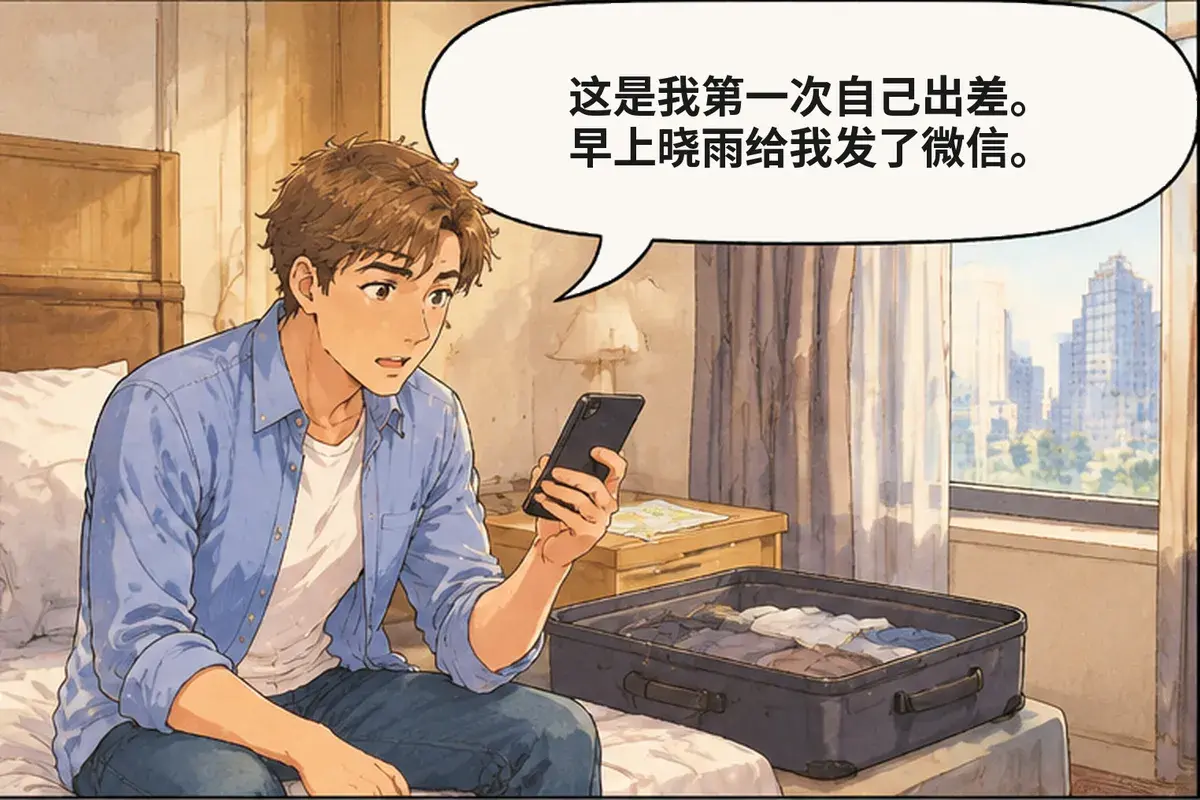
- 伊利亚
这是我第一次自己出差。早上晓雨给我发了微信。
This is my first time on a business trip by myself. This morning Xiaoyu sent me a WeChat message.
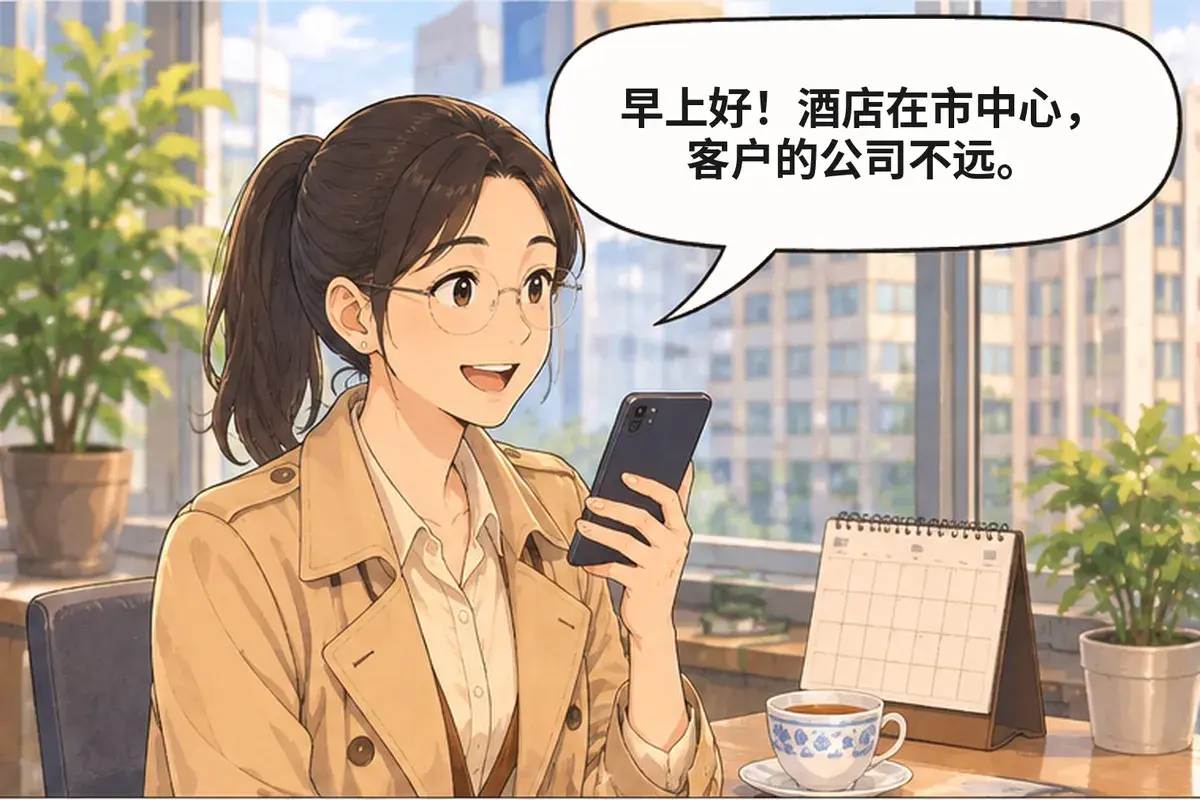
- 晓雨
早上好!酒店在市中心,客户的公司不远。
Good morning! The hotel is in the city center, and the client's company isn't far.
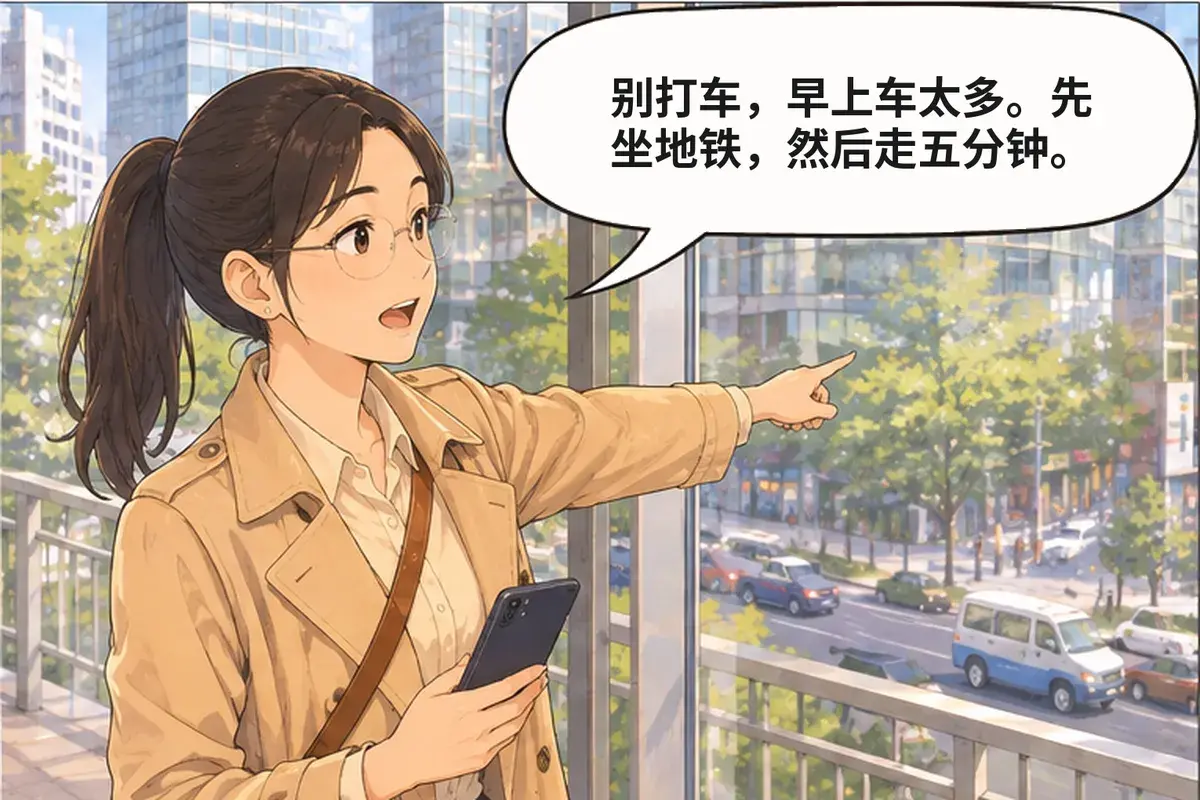
- 晓雨
别打车,早上车太多。先坐地铁,然后走五分钟。
Don't take a taxi — there are too many cars in the morning. First take the subway, then walk for five minutes.
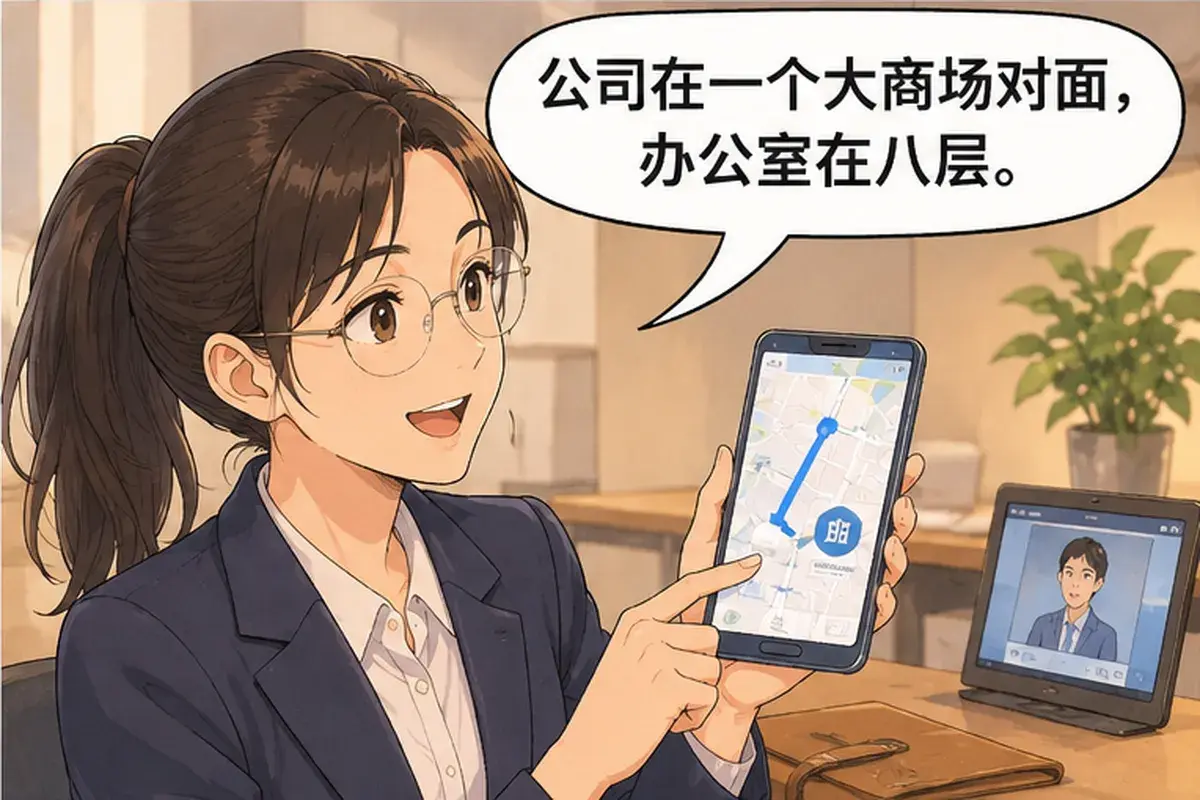
- 晓雨
公司在一个大商场对面,办公室在八层。
The company is across from a big mall, and the office is on the eighth floor.
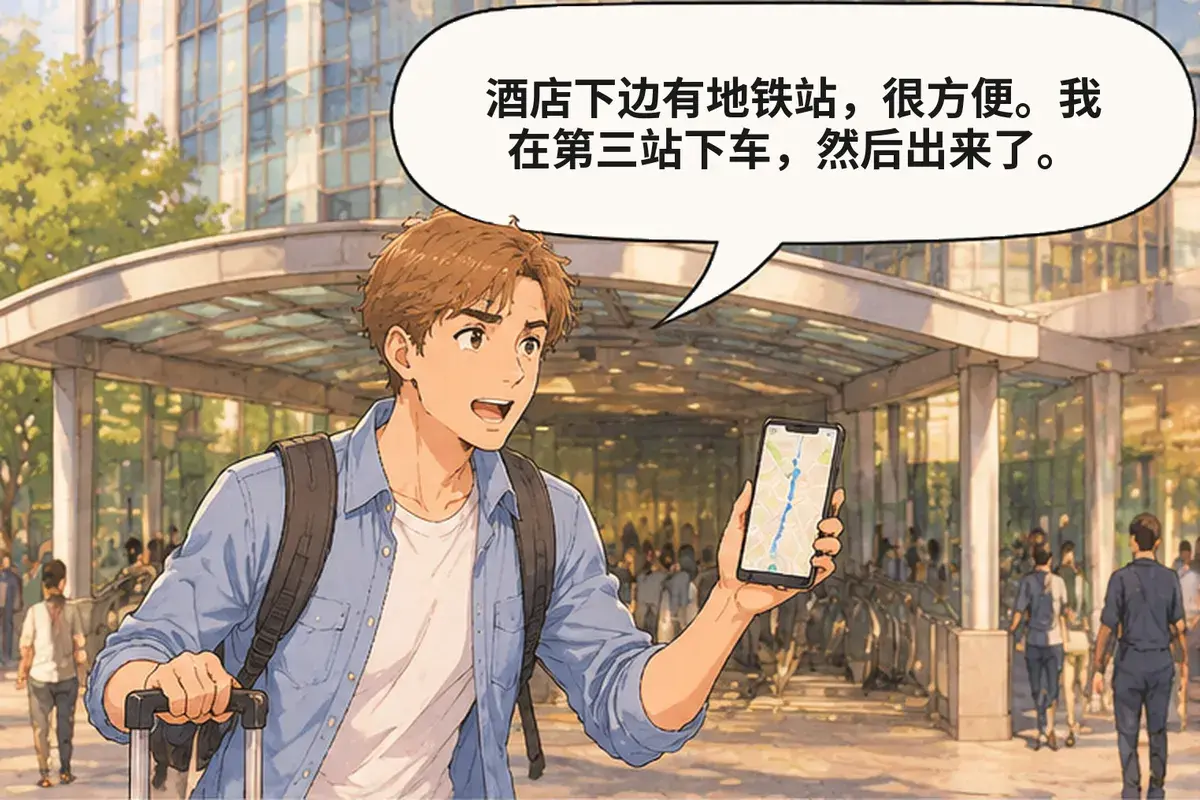
- 伊利亚
酒店下边有地铁站,很方便。我在第三站下车,然后出来了。
There's a subway station under the hotel — very convenient. I got off at the third stop and then came out.
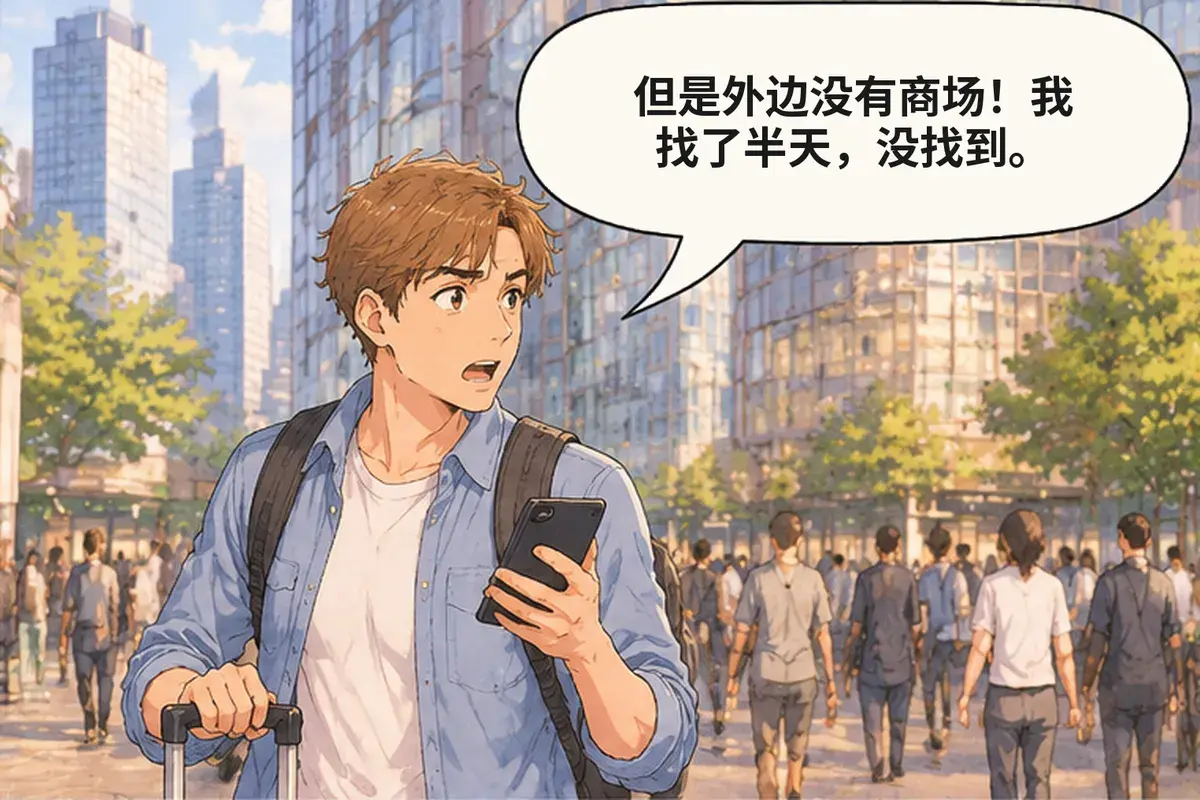
- 伊利亚
但是外边没有商场!我找了半天,没找到。
But there was no mall outside! I looked for ages and didn't find it.
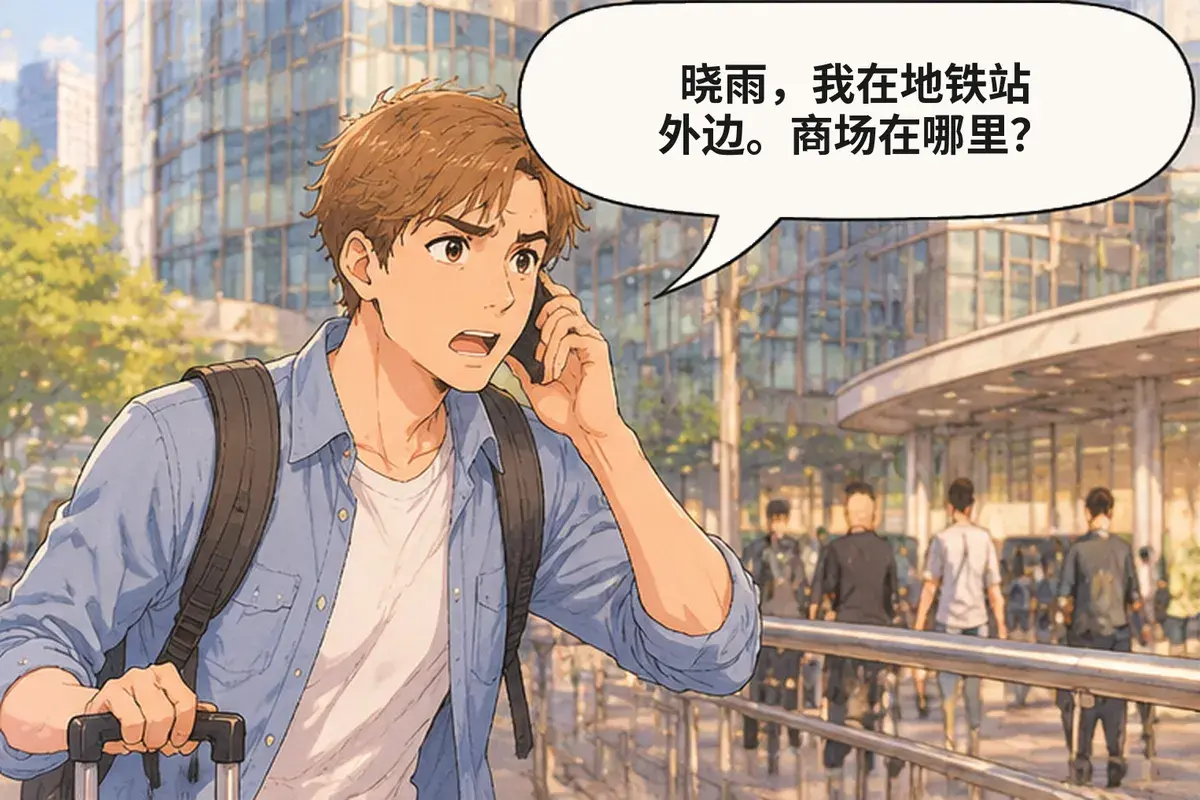
- 伊利亚
晓雨,我在地铁站外边。商场在哪里?
Xiaoyu, I'm outside the subway station. Where's the mall?
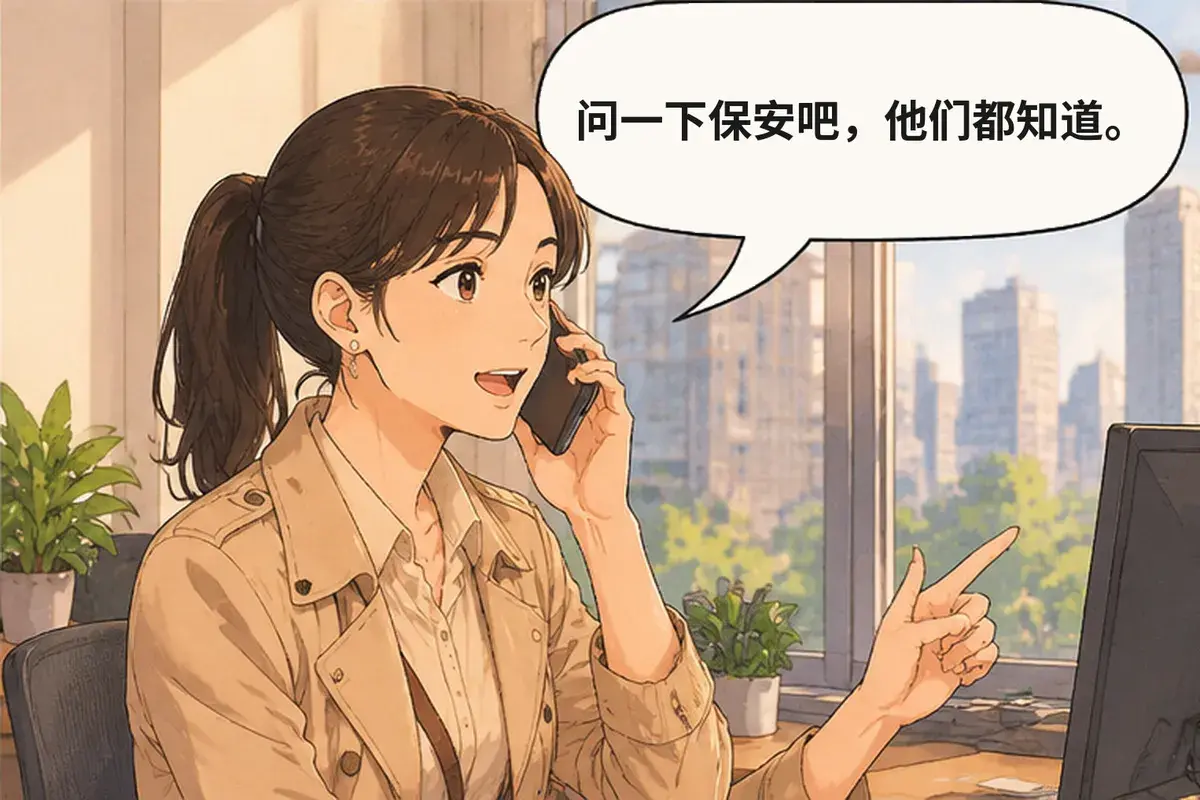
- 晓雨
问一下保安吧,他们都知道。
Ask a security guard — they all know.
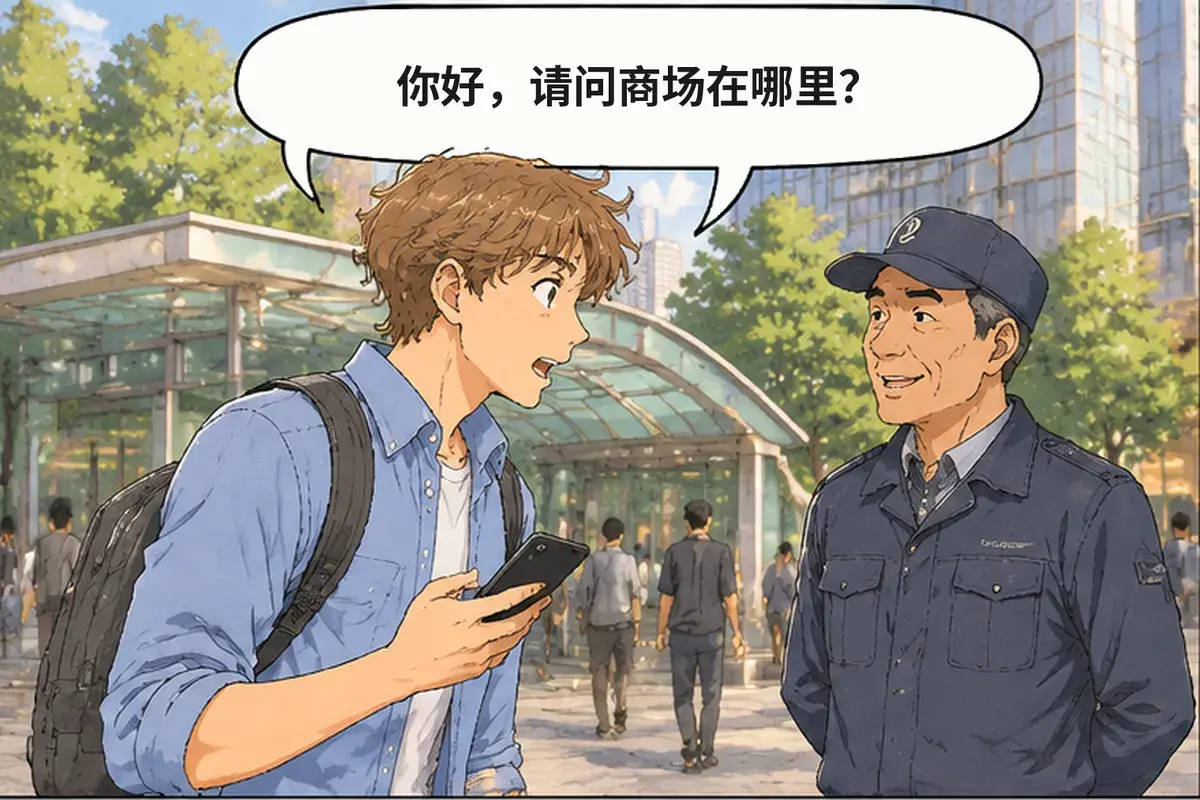
- 伊利亚
你好,请问商场在哪里?
Hi, excuse me, where's the mall?
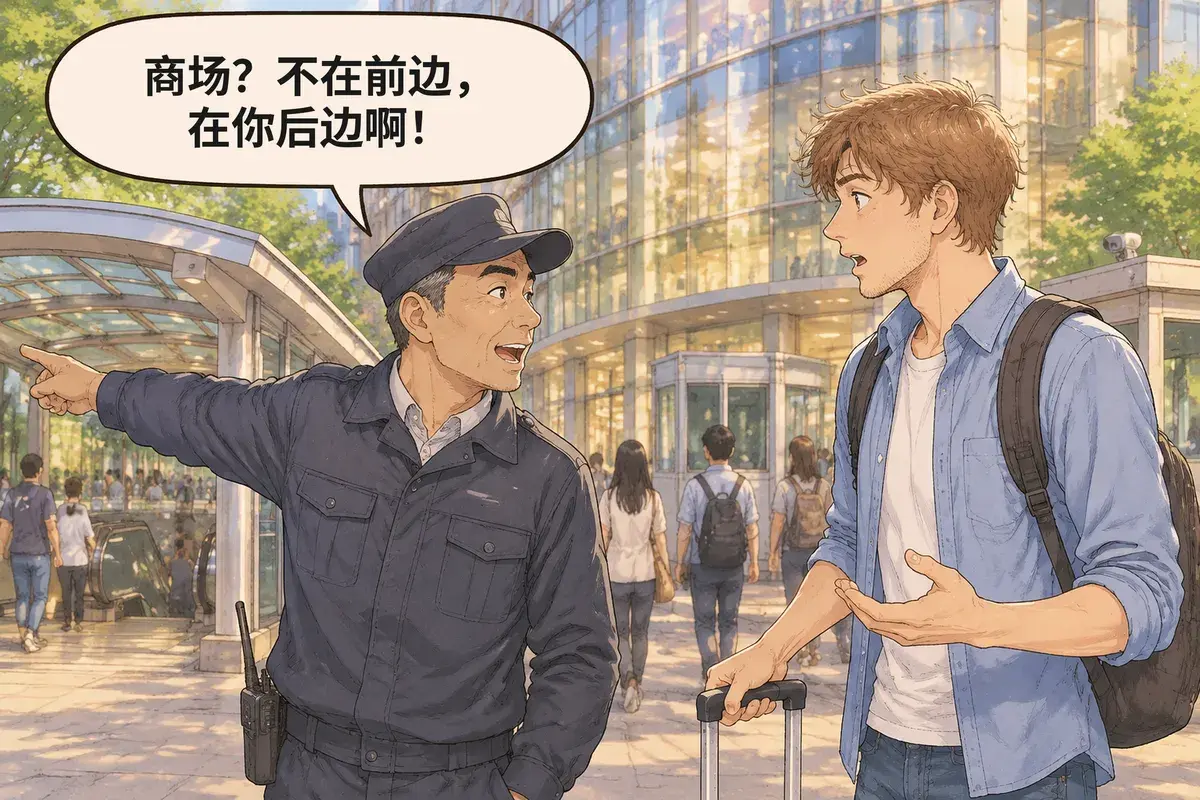
- 保安
商场?不在前边,在你后边啊!
The mall? It's not up ahead — it's behind you!
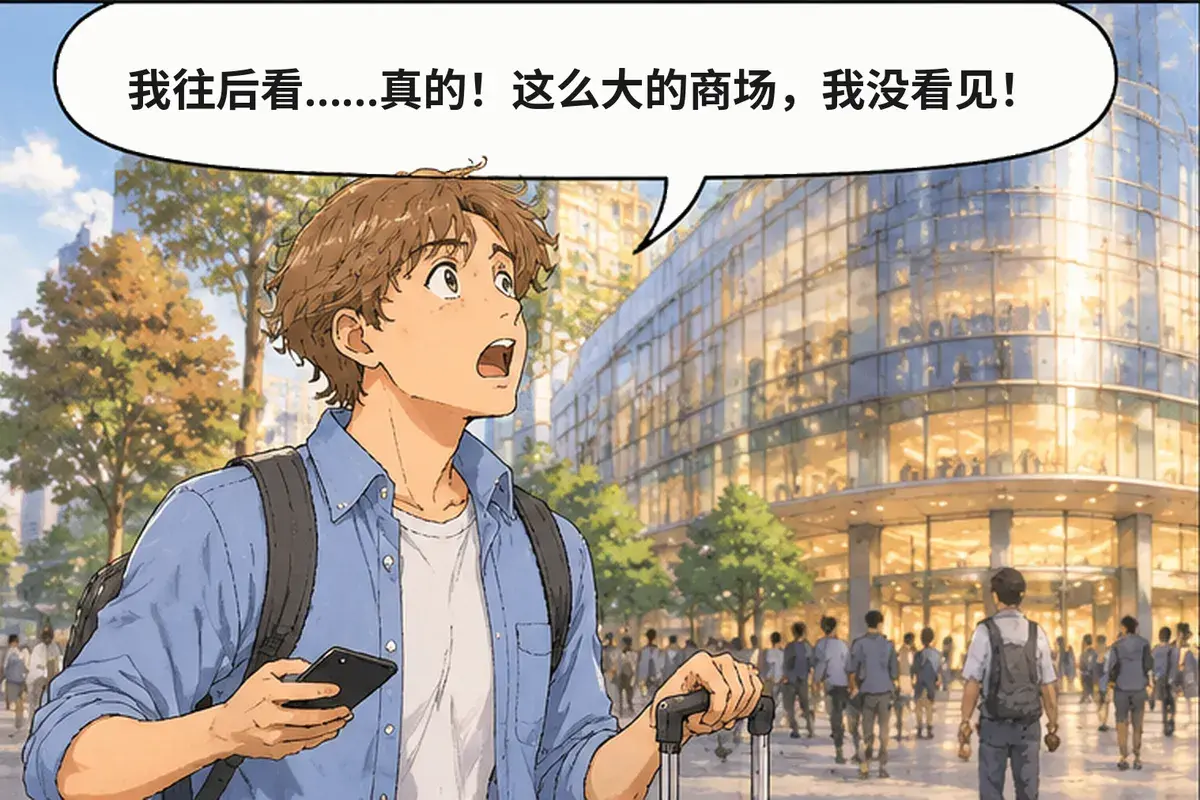
- 伊利亚
我往后看……真的!这么大的商场,我没看见!
I look back… It's true! Such a big mall, and I didn't see it!
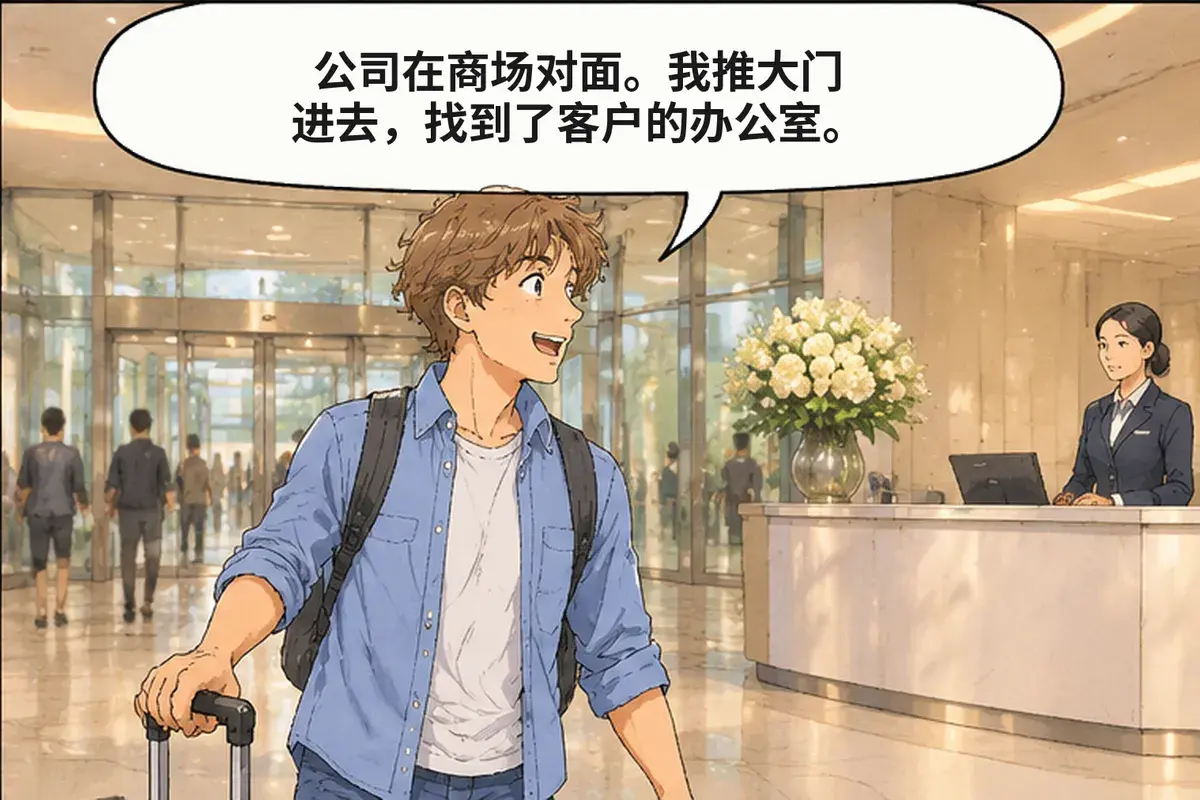
- 伊利亚
公司在商场对面。我推大门进去,找到了客户的办公室。
The company is across from the mall. I pushed the main door open, went in, and found the client's office.
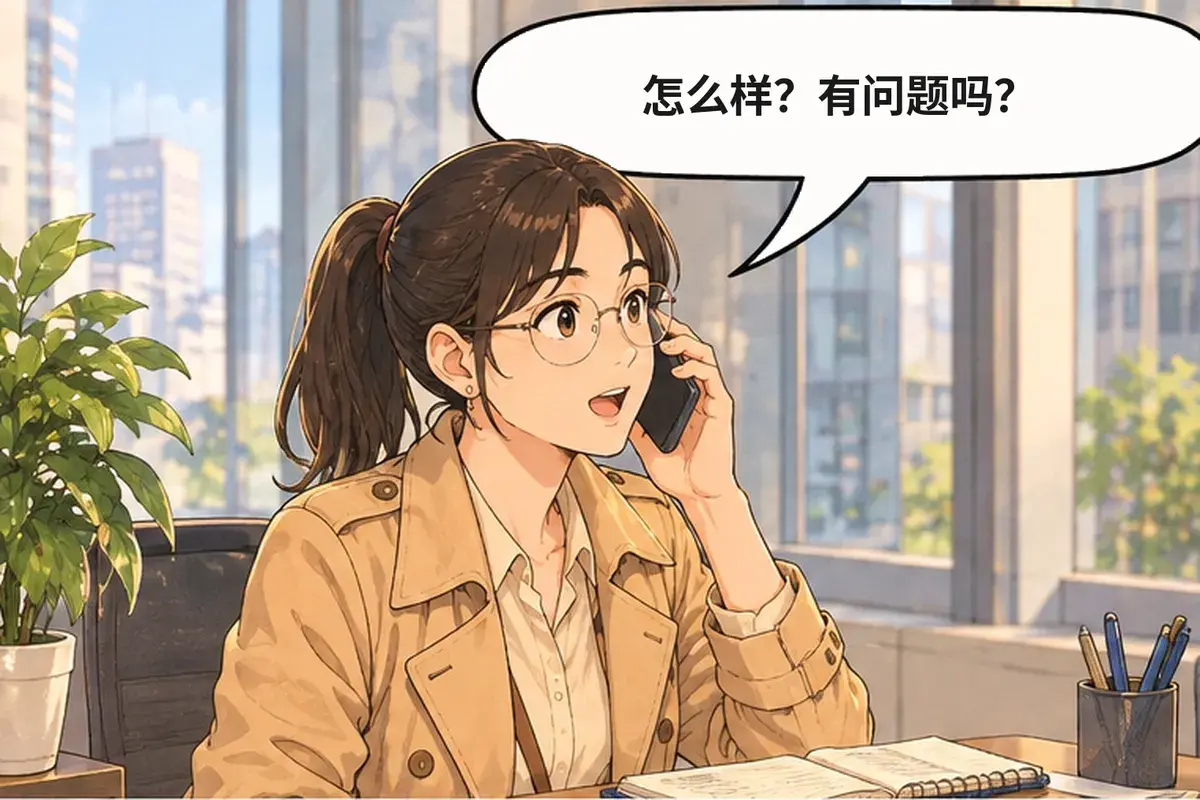
- 晓雨
怎么样?有问题吗?
How did it go? Any problems?
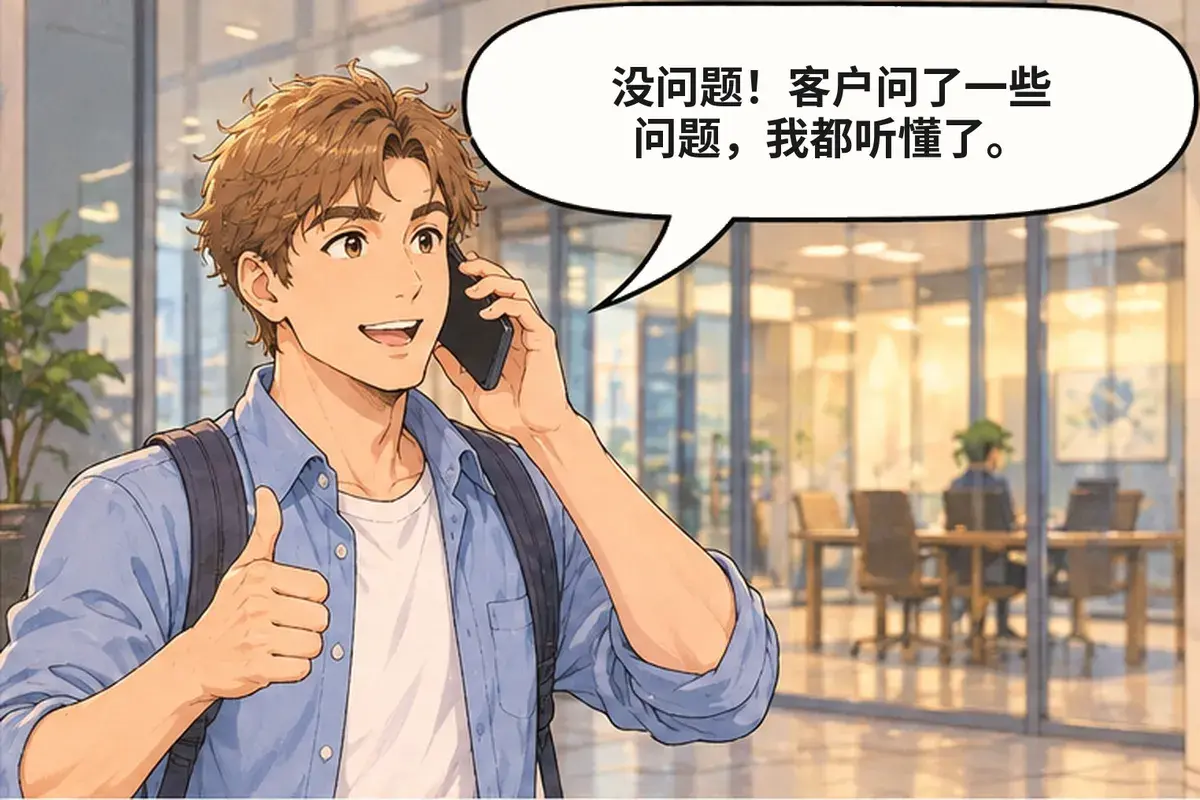
- 伊利亚
没问题!客户问了一些问题,我都听懂了。
No problem! The client asked a few questions, and I understood them all.

- 伊利亚
而且我自己说中文,他们也都听懂了!
And what's more, I spoke Chinese by myself, and they understood everything too!
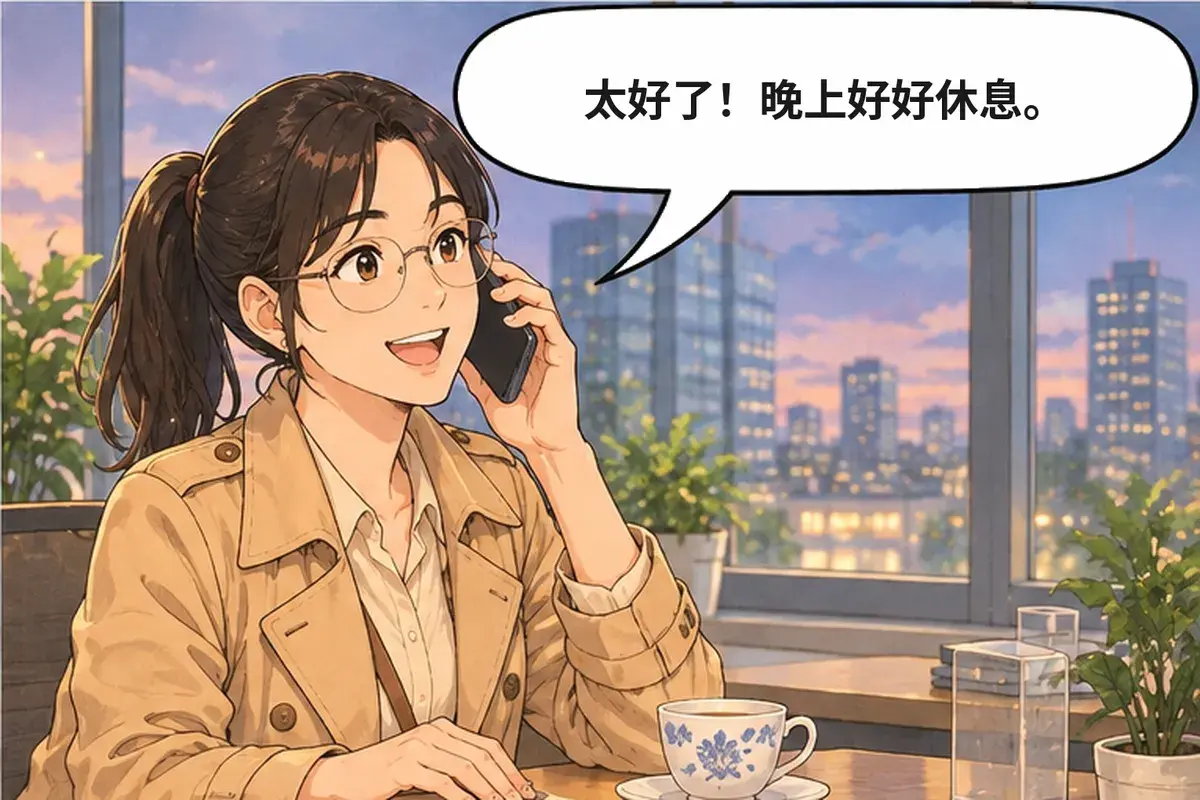
- 晓雨
太好了!晚上好好休息。
Great! Get a good rest tonight.
Grammar for this text
先 坐 地铁, 然后 走 五 分钟。 — 先 … 然后 … means "first …, then …". 然后 also works when you tell about the past: 我 在 第 三 站 下车, 然后 出来 了。 You can't use 再 here: 再 is only about what hasn't happened yet. More in the unit grammar.
公司 在 一 个 大 商场 对面 — "across from a big mall": in Chinese the thing comes first, then 对面. Same with 酒店 下边 有 地铁站 — "there's a subway station under the hotel" — and 在 你 后边 啊! — "it's behind you!". In big Chinese cities the subway is often right under hotels and malls, and one station can have more than ten exits.
酒店 在 市 中心 — 市 中心 means "city center": two words, 市 "city" and 中心 "center".
我 找 了 半天, 没 找到。 — 半天 after a verb means "for ages" (A1, unit 14); "didn't find it" is 没 找到, without 了.
有 问题 吗? — 没问题! — a play on words: 问题 is both "problem" and "question". Xiaoyu asks about problems, Ilya answers with the set phrase "no problem" — and then says that the client asked 一些 问题 — "a few questions".
而且 我 自己 说 中文 — 而且 means "what's more": a second piece of good news; 自己 means "by myself", without Xiaoyu's help.
我 推 大门 进去 — 推 (tuī) means "to push": glass doors in China often say 推 — "push".
Words and grammar of the unit: Check into a hotel in Shanghai.
Learn the words from the texts with flashcards
In the app, you can tap any word in a text to see its translation, forms and examples, and new words stick with flashcards. 15 minutes a day.
Start for freeEverything is open for free. No card needed to sign up.