

Serbian story with translation · B1 · 16 lines
Како се чита рачун How to read a bill
Comic · 13 panels

Како се чита рачун? Саставила сам себи упутство, јер ме је први рачун потпуно збунио.
How do you read a bill? I put together instructions for myself, because the first bill completely confused me (woman speaking).

Прво погледај име на врху: Инфостан и ЕПС шаљу два посебна рачуна.
First look at the name at the top: Infostan and EPS send two separate bills.
Инфостан је комунални рачун и у њему су вода, услуге зграде и грејање. Све то стиже на једној уплатници.
Infostan is a utility bill, and it has water, building services and heating in it. All of that comes on one payment slip.
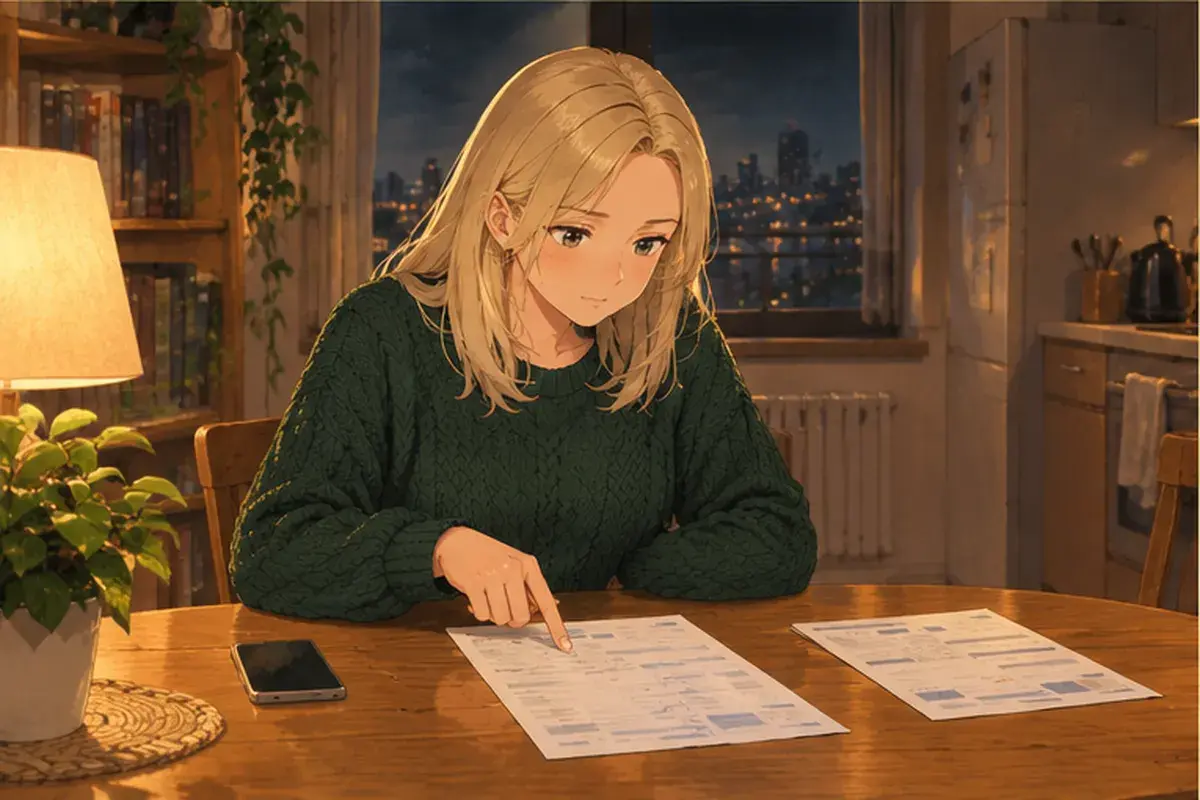
Струју плаћам посебно, по рачуну који шаље ЕПС. Тај рачун има фиксни део, који зависи од снаге у киловатима. Променљиви део зависи од потрошње.
I pay for electricity separately, with the bill that EPS sends. That bill has a fixed part, which depends on the power in kilowatts. The variable part depends on usage.

На уплатници су тачни подаци за уплату: укупан износ, рок и период на који се рачун односи.
The payment slip has the exact payment details: the total amount, the deadline and the period the bill refers to.

Основно је ово: ако не видиш смисао неке тачке, немој одмах да плаћаш.
The main thing is this: if you don't see the point of some item, don't pay right away.

Питај Бранка, јер су сви рачуни издати на његово име.
Ask Branko, because all the bills are issued in his name.
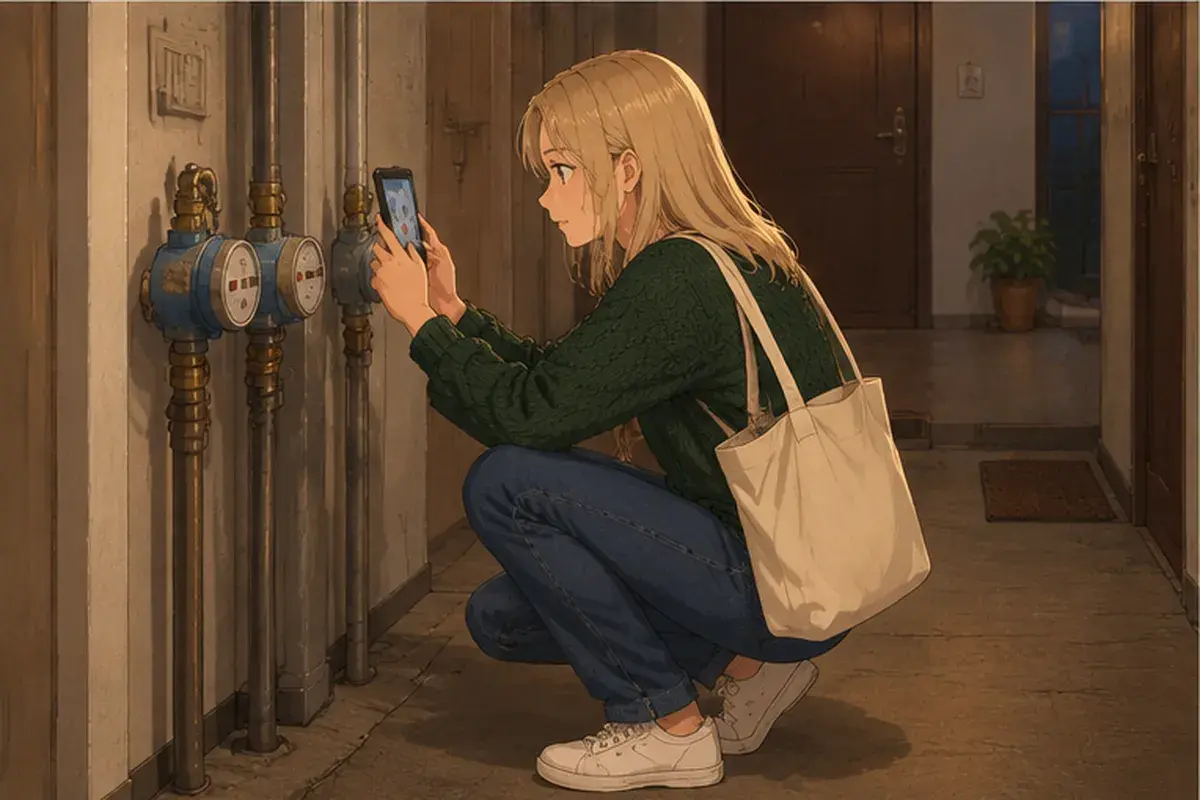
Водомер и бројило за струју очитај првог у месецу, а свако очитавање сликај телефоном.
Read the water meter and the electricity meter on the first of the month, and take a picture of every reading with your phone.
Тако можеш да провериш да ли је обрачун тачан. Једна јасна фотографија је сасвим довољна.
That way you can check whether the calculation is correct. One clear photo is quite enough.

Рачун можеш да платиш на пошти или у програму своје банке, а у програму је брже.
You can pay the bill at the post office or in your bank's program, and it's faster in the program.

Отвори страницу „Уплате“, а кад провериш износ и период, притисни дугме „Плати“.
Open the "Payments" page, and when you've checked the amount and the period, press the "Pay" button.

Рок за уплату пише на уплатници, па га стави у календар на телефону.
The payment deadline is written on the payment slip, so put it in the calendar on your phone.

Кад видиш поруку да је рачун плаћен, немој да бришеш потврду, него је остави у телефону.
When you see the message that the bill has been paid, don't delete the confirmation, but leave it on your phone.

Опомена стиже кад рачун није плаћен до рока, а после ње долази наплата дуга. Зато рачуне плаћај чим стигну.
A payment reminder comes when a bill hasn't been paid by the deadline, and after it comes debt collection. So pay your bills as soon as they come.
Ако опомена ипак стигне, потврда о уплати показује да дуг не постоји.
If a reminder comes anyway, the payment confirmation shows that there's no debt.

Овај списак ћу окачити изнад стола, поред мог списка чудних речи.
I'll hang this list above my desk, next to my list of strange words.
Grammar for this text
Како се чита рачун?: impersonalсе(recognize only), 'how do you read a bill?'. No person is the subject, the verb is in the 'he / she / it' form, andсеstands second, as inКако се каже…?from A2. To say it yourself, you can name the person:Како да читам рачун?(how should I read the bill?).Струју плаћам посебно, по рачуну који шаље ЕПС: hereкојиis in the accusative, 'the bill that EPS sends'. It takes its gender from the noun it points to (рачунis masculine) and its case from its job in its own part of the sentence: it's the object ofшаље. The subject there isЕПС.фиксни део, који зависи од снаге у киловатима: the comma is there becauseкојиadds extra information and doesn't pick one thing out of many (unit 2), like English 'which' after a comma.снагеis the genitive ofснага(power; also strength) afterод;у киловатимаis the locative plural.период на који се рачун односи:односити се на+ accusative, 'to refer to, to apply to'. Careful:односиcan also be the plural noun 'relations' (однос); here it's the verb withсе.ако не видиш смисао неке тачке, немој одмах да плаћаш:тачка(item) andтачан(exact) share a root. Theакоpart comes first, so a comma follows it;немој да+ present means 'don't' (A2).Зато рачуне плаћај чим стигну:чимmeans 'as soon as'.стигнуis a perfective verb in the present tense, as afterкад(A2); in meaning it's still in the future.да је рачун плаћен:плаћен(paid) is the passive participle ofплатити; it changes like an adjective (see the grammar block). InАко опомена ипак стигне,опоменаis a payment reminder, andипакmeans 'anyway, after all'.
Words and grammar of the unit: Make sense of your utility bills.
Learn the words from the texts with flashcards
In the app, you can tap any word in a text to see its translation, forms and examples, and new words stick with flashcards. 15 minutes a day.
Start for freeEverything is open for free. No card needed to sign up.