
Serbian story with translation · B1 · 18 lines
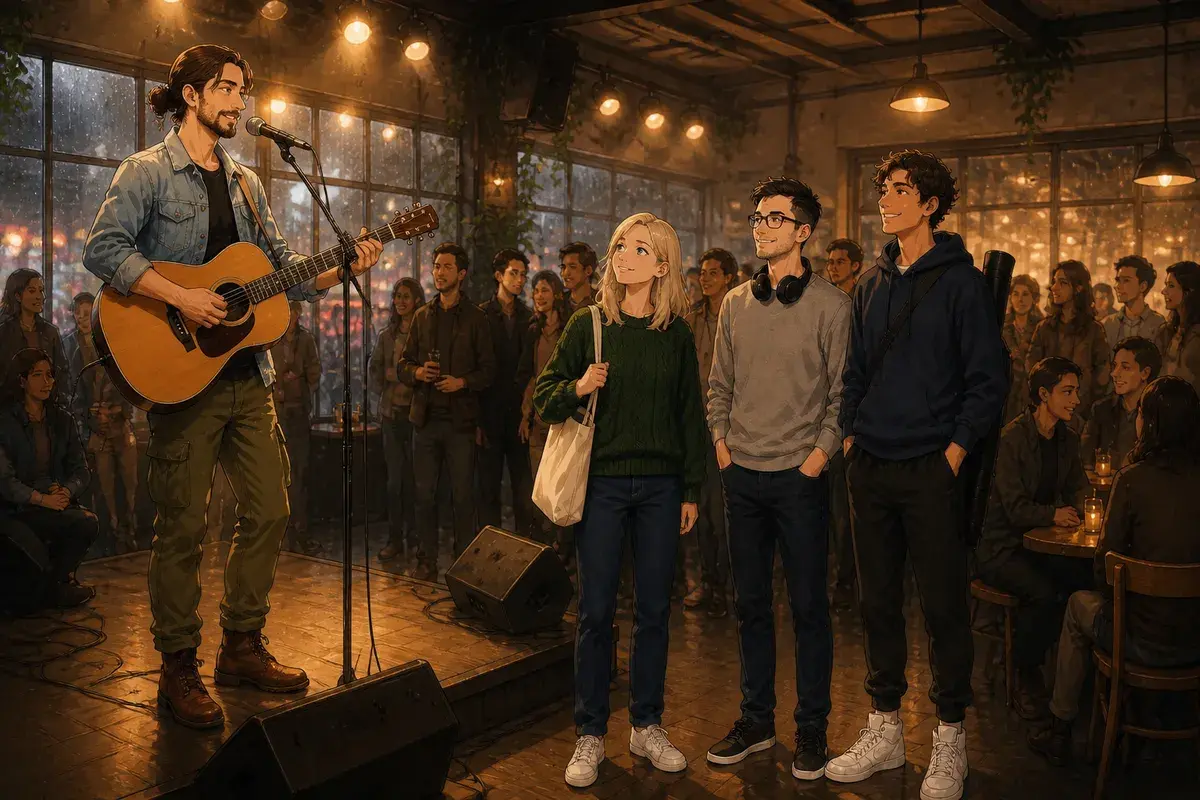
Да знам да свирам, и ја бих била у бенду If I could play, I'd be in the band too (woman speaking)
Comic · 17 panels
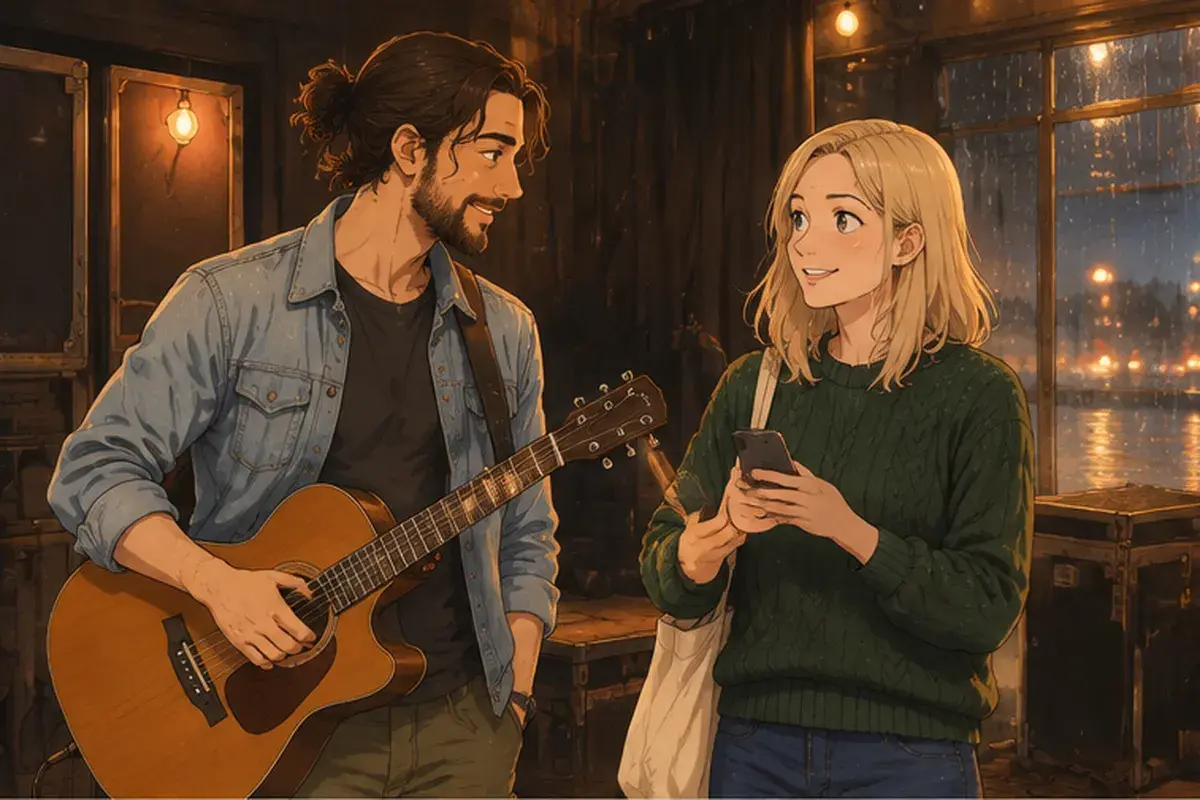
Ђорђе ме је позвао на наступ своје групе у суботу увече, а ја сам позвала Душана и Стефана.
Đorđe invited me to his band's show on Saturday evening, and I invited Dušan and Stefan (woman speaking).
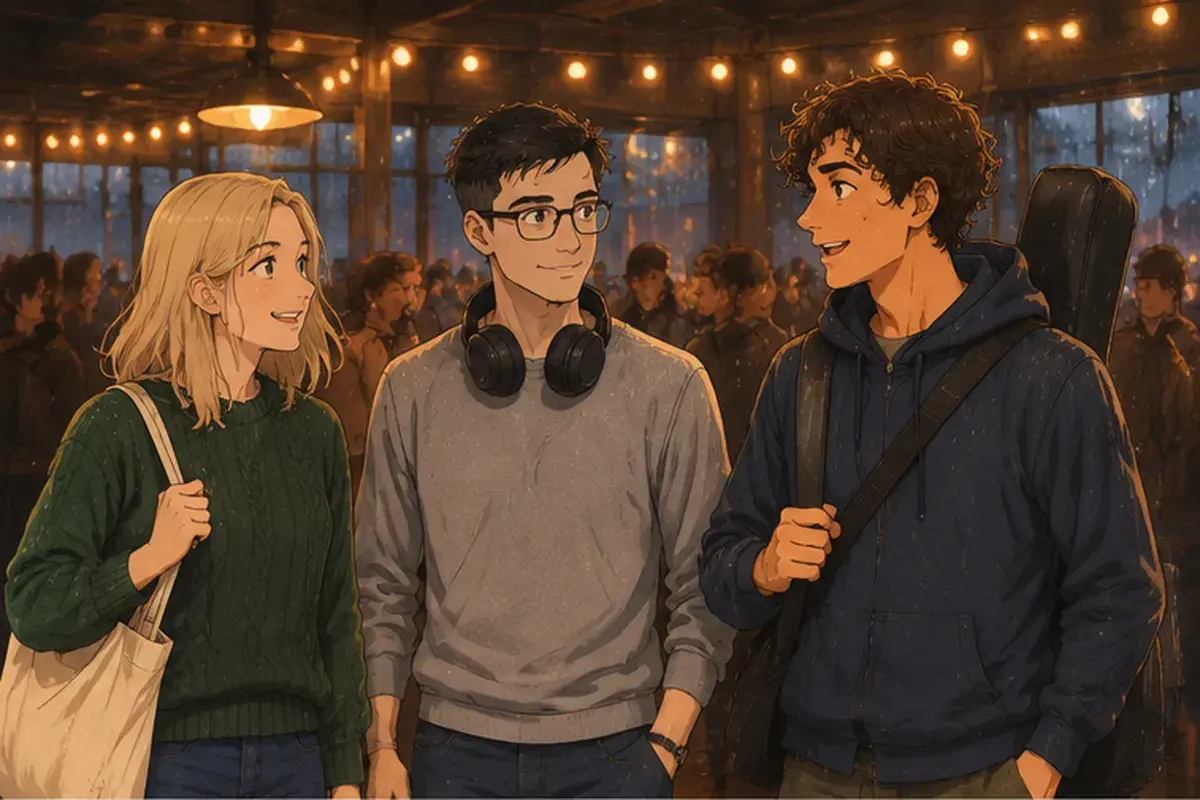
Написала сам им: „Ако стигнемо пре осам, наћи ћемо места близу бине.“ Стигли смо на сплав пре осам, иако је падала киша, а унутра је већ била права атмосфера.
I wrote to them: "If we get there before eight, we'll find seats near the stage." We got to the splav (a floating club) before eight, even though it was raining, and inside there was already a real atmosphere (woman speaking).
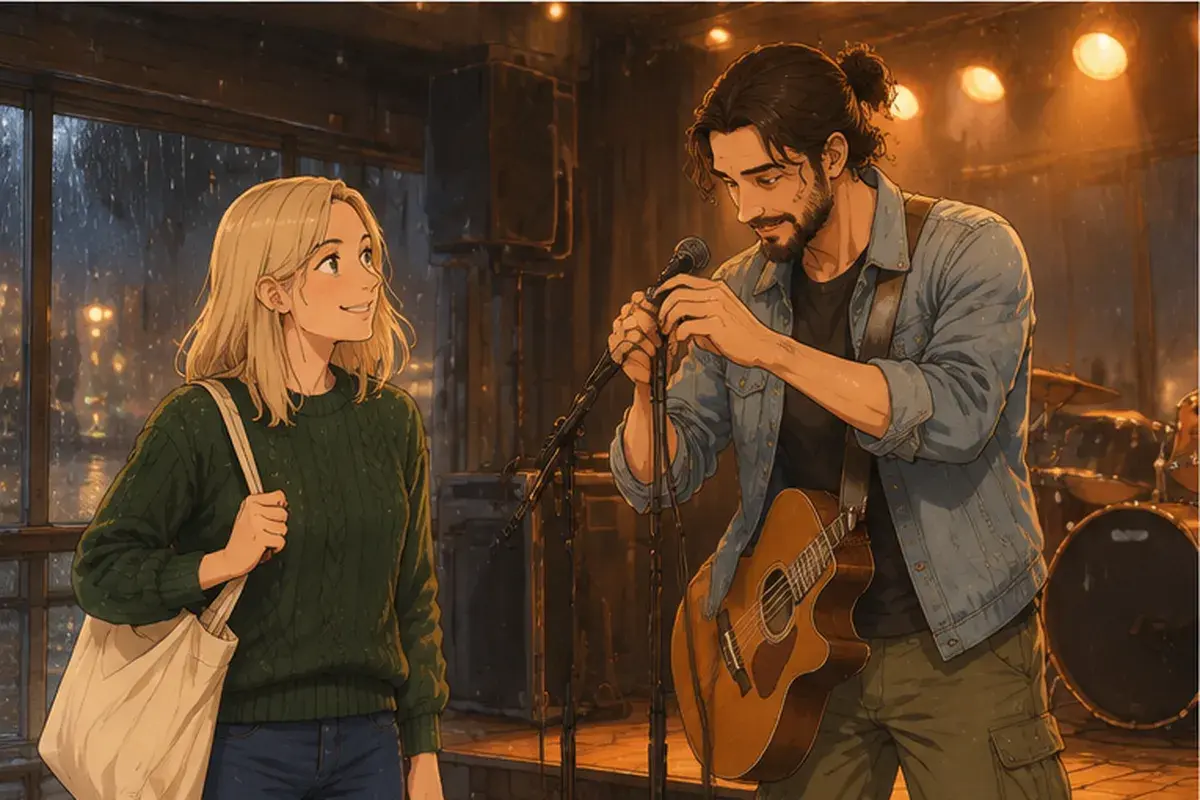
Публика је чекала испред бине, а ја сам Ђорђу пожелела срећу док је он тестирао озвучење.
The audience was waiting in front of the stage, and I wished Đorđe luck while he was testing the sound system (woman speaking).
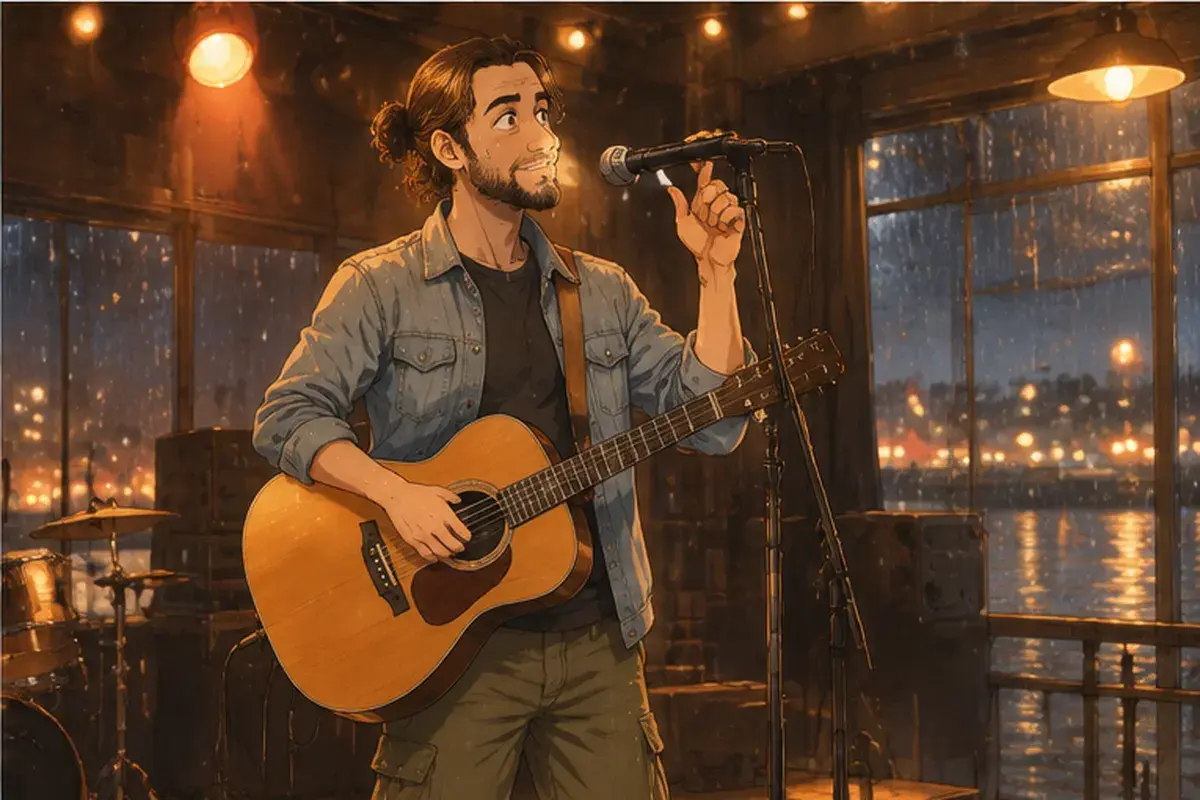
Ђорђе је изашао на бину тачно у девет, али микрофон није радио.
Đorđe came out on the stage at exactly nine, but the microphone wasn't working.
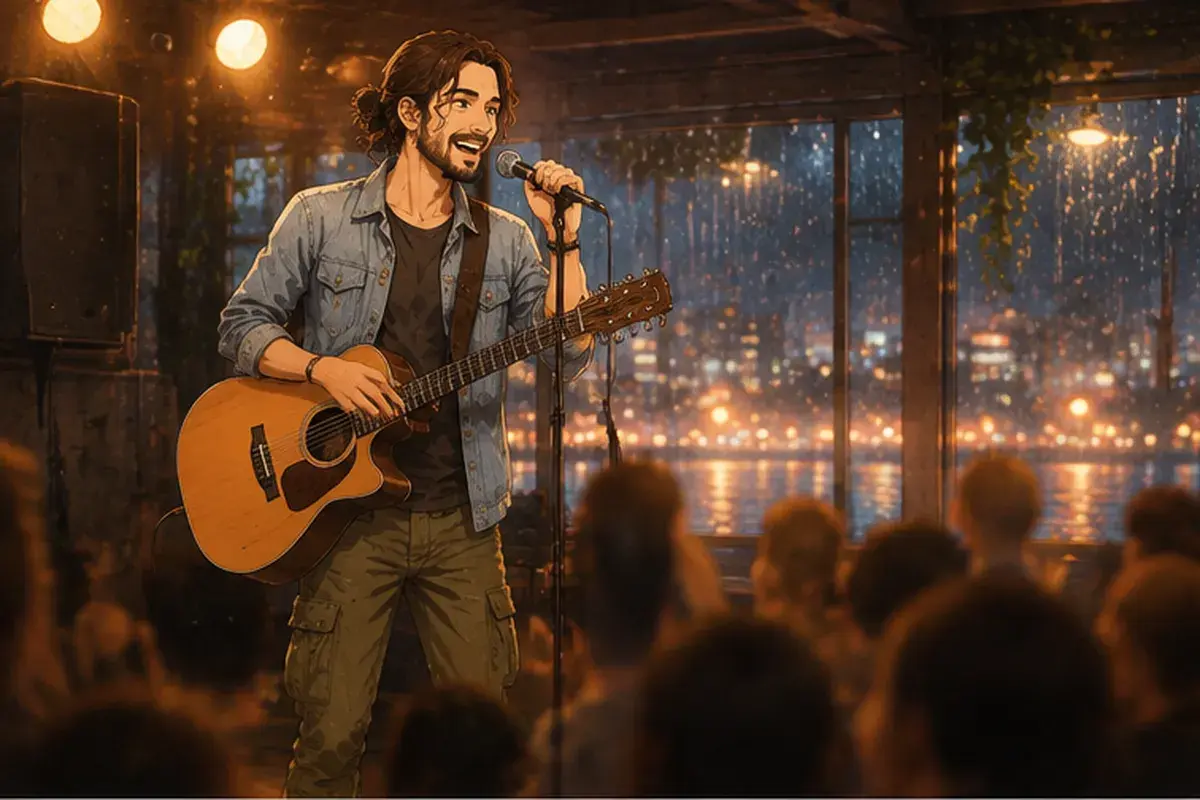
Цео проблем је изгледао као мала представа, а Ђорђе се само насмејао.
The whole problem looked like a little performance, and Đorđe just laughed.
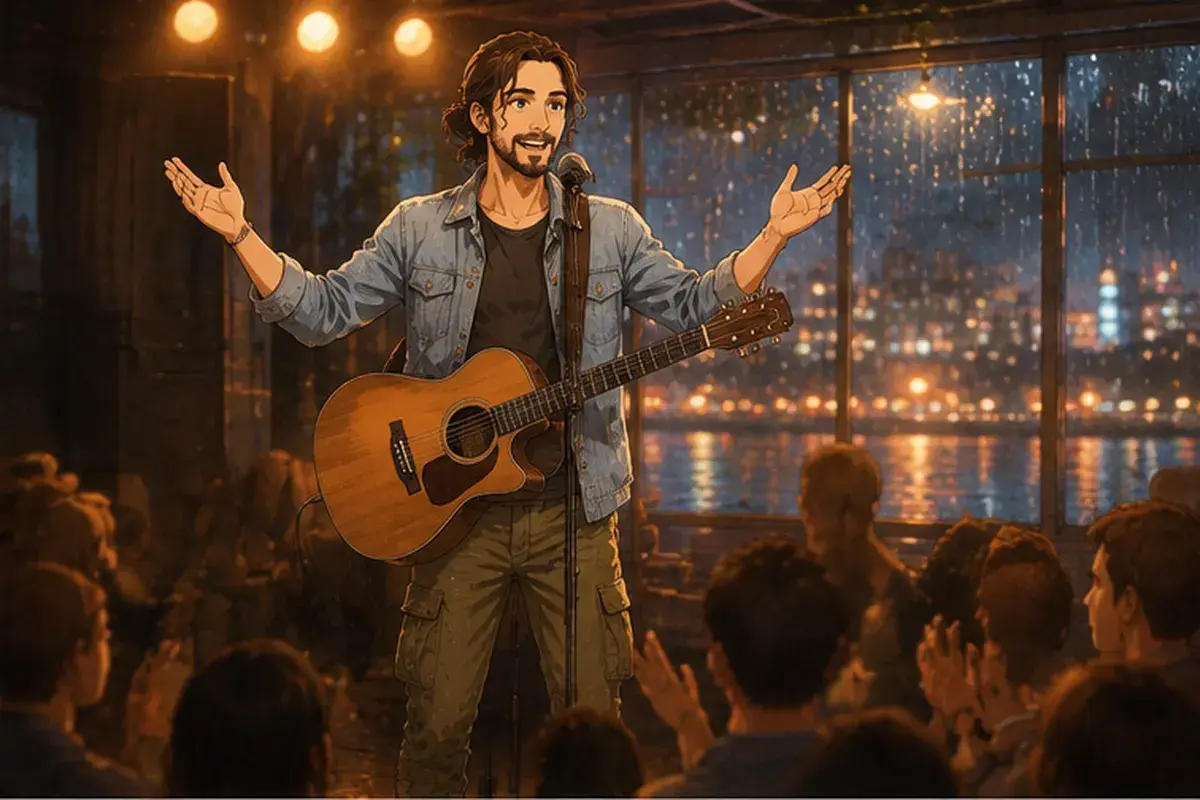
Рекао је публици: „Ако ме чујете, подигните руку. А ако ме не чујете, подигните две руке.“
He said to the audience: "If you can hear me, raise a hand. And if you can't hear me, raise two hands." (to several people)
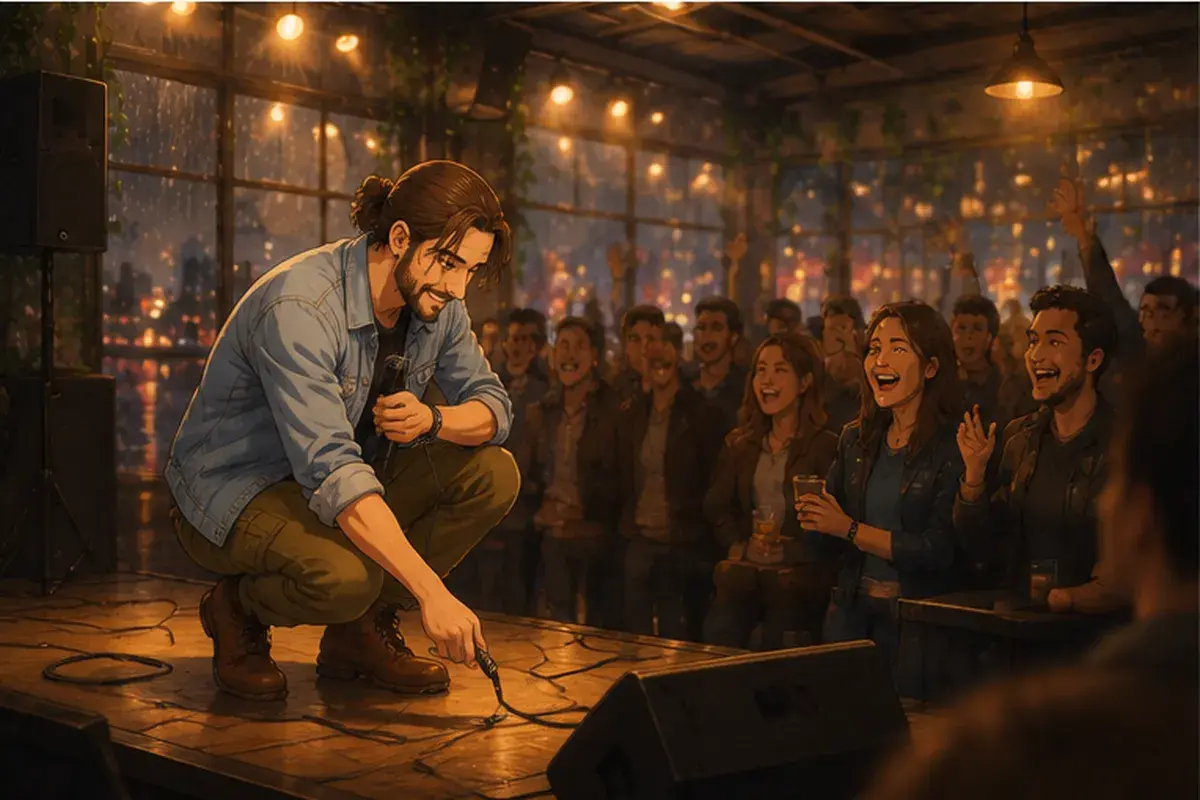
Сви су се насмејали, а чим је Ђорђе заменио микрофон, звук је постао јасан.
Everyone laughed, and as soon as Đorđe replaced the microphone, the sound became clear.
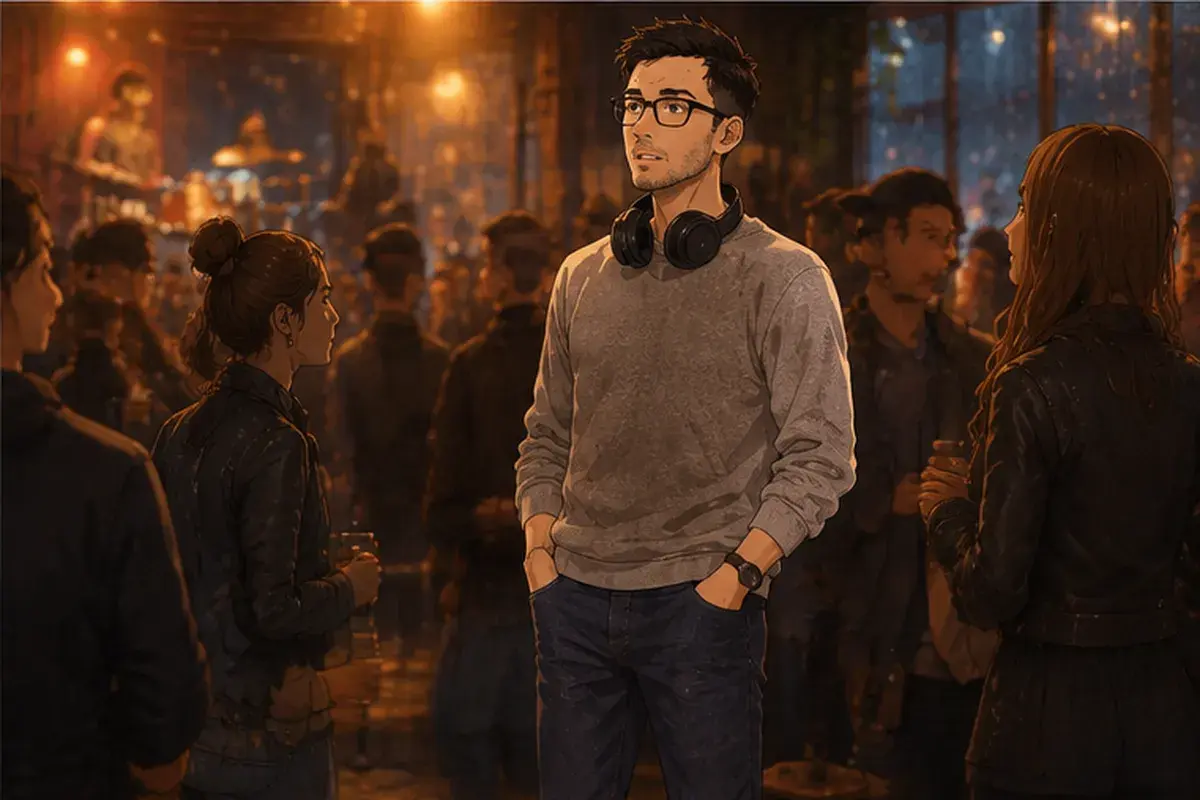
Бубњар је држао ритам тако добро да је чак и Душан, који иначе не воли плес, почео да помера ногу.
The drummer kept the rhythm so well that even Dušan, who normally doesn't like dancing, started moving his foot.
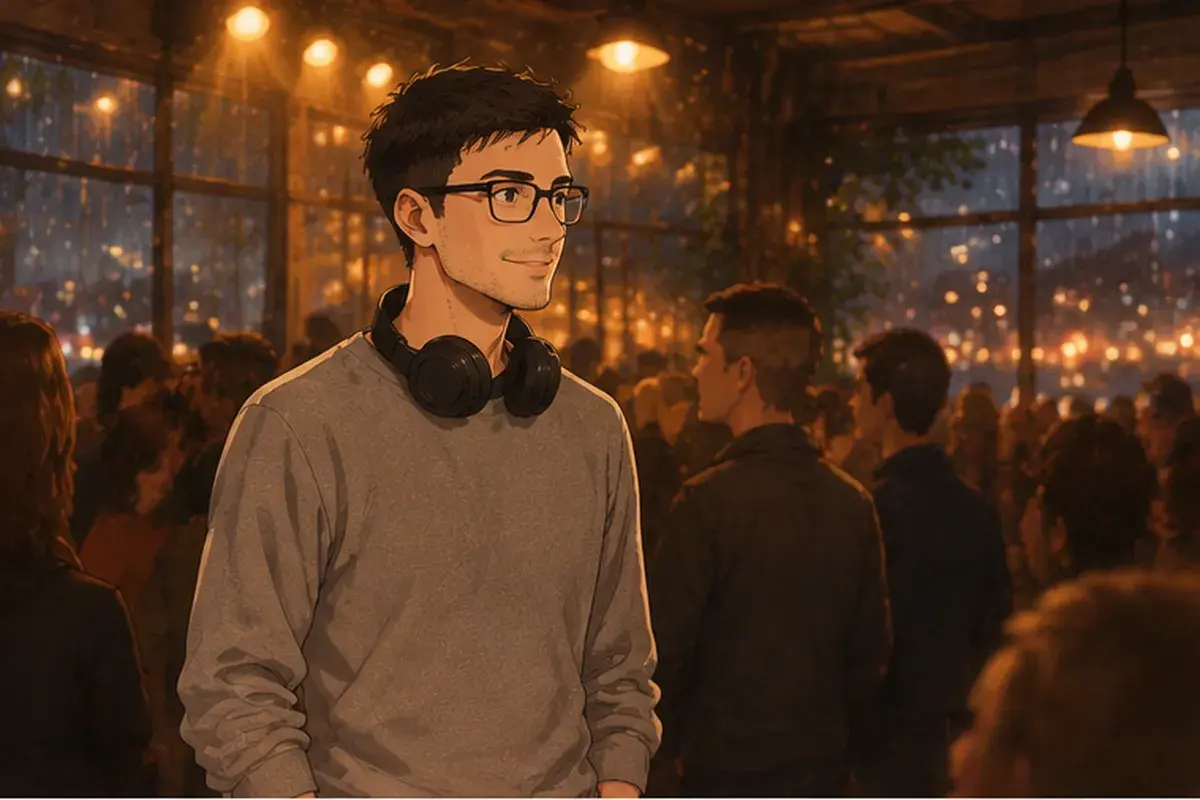
Душан је после прве песме рекао: „Није лоше.“
After the first song, Dušan said: "Not bad."
То код њега значи да је одушевљен.
For him, that means he's thrilled.

Стефан је показао свој телефон и рекао: „Кад бих имао добру камеру, снимио бих цео наступ.“
Stefan showed his phone and said: "If I had a good camera, I'd film the whole show."
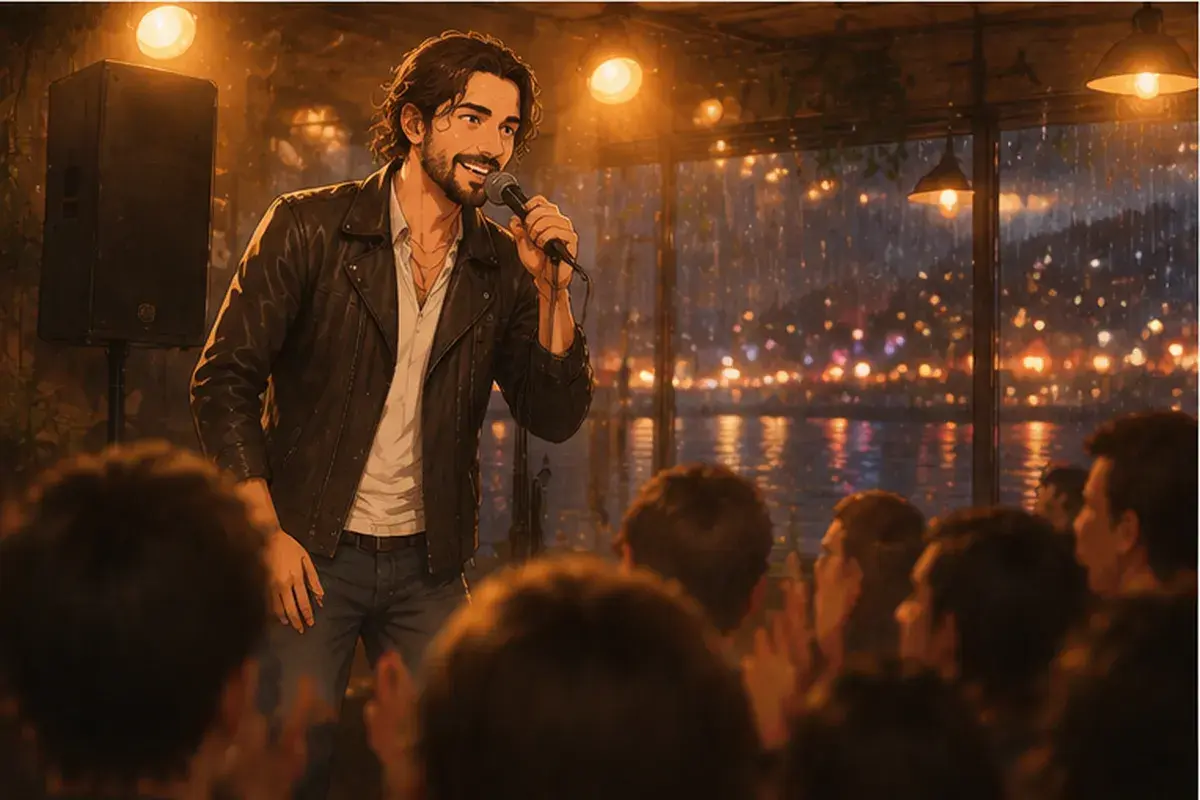
После треће песме на бину је изашао певач из Црне Горе. Говорио је мало другачије него људи у Београду, па се то чуло у свакој песми.
After the third song, a singer from Montenegro came out on the stage. He spoke a little differently from people in Belgrade, so you could hear it in every song.
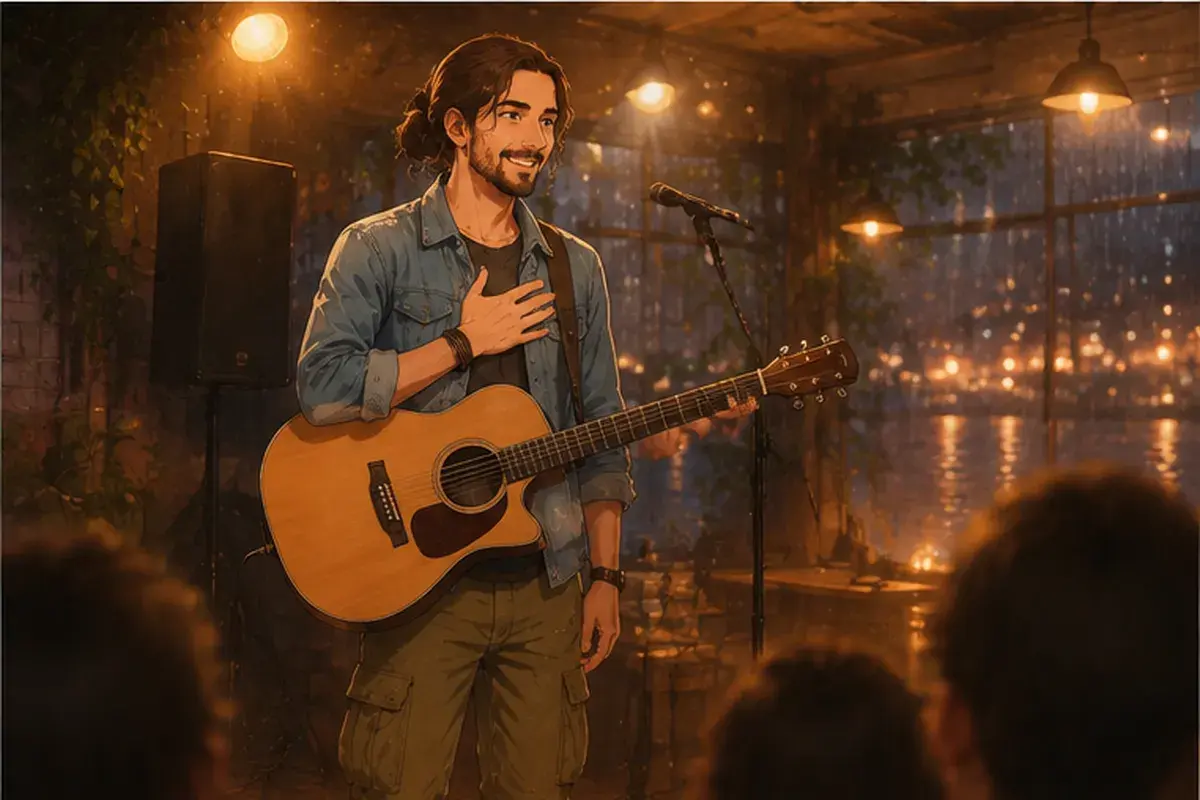
Ђорђе је пред крај наступа посветио једну песму пријатељима из Београда. Рекао је: „Ова је за оне који су дошли по киши.“
Near the end of the show, Đorđe dedicated one song to his friends from Belgrade. He said: "This one is for those who came in the rain."

Док је публика певала са њим, осетила сам колико је та енергија заразна. Помислила сам: „Да знам да свирам, и ја бих била у бенду.“
While the audience was singing along with him, I felt how contagious that energy was. I thought: "If I could play, I'd be in the band too." (woman speaking)
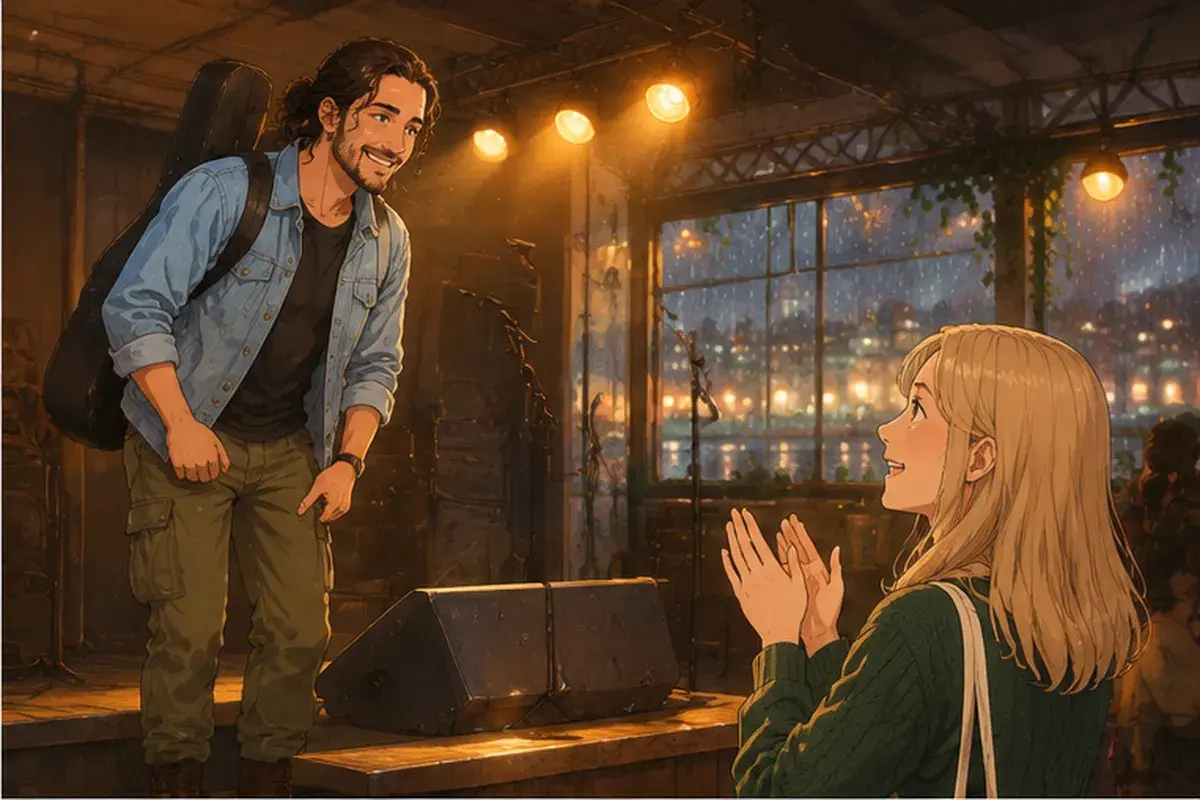
Концерт је био фантастичан, а Ђорђе срећан.
The concert was fantastic, and Đorđe was happy.
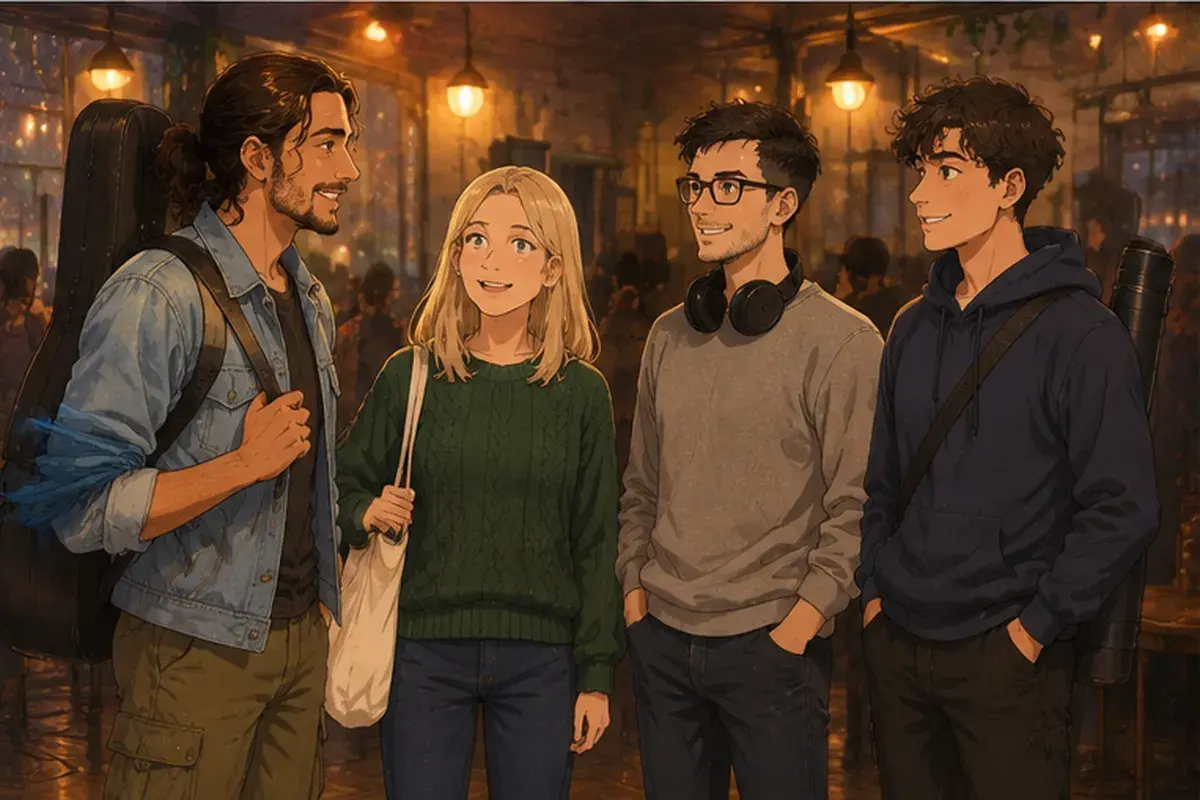
Рекао нам је: „Кад бих имао више времена, свирао бих у Београду сваког викенда.“
He told us: "If I had more time, I'd play in Belgrade every weekend."
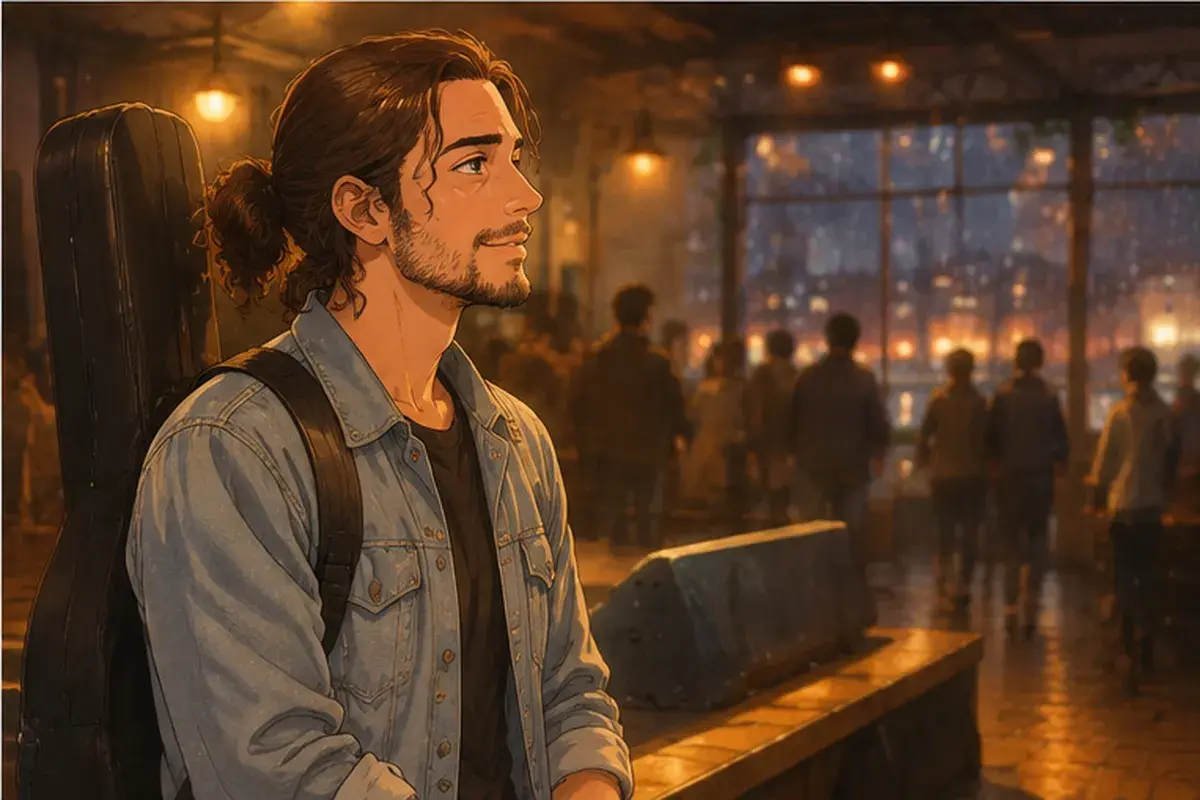
За мене је Ђорђе прави уметник. За њега публика која зна текст има већу вредност од сваке награде.
To me, Đorđe is a real artist. For him, an audience that knows the lyrics has greater value than any award.

Било би лепо кад би Ђорђе чешће свирао у Београду.
It would be nice if Đorđe played in Belgrade more often.
Grammar for this text
Да знам да свирам, и ја бих била у бенду— an unreal condition (see the grammar block above):да знамmeans "if I could play" (but I can't), and afterдаcomes the plain present tense. The other half:бих билаisбих+ the -la form ofбити, andбихstands second:и ја бих. The secondдаinзнам да свирамis the ordinary "to" before "play".Ако стигнемо пре осам, наћи ћемо места близу бине— this one is a real condition: afterакоcomes the present tense (стигнемо, a perfective verb), with noбих;наћи ћемоis the future. Finding seats can really happen, so there is noбих.Кад бих имао добру камеру, снимио бих цео наступ— "if" again, but Stefan is speaking, so it's the -o form (имао,снимио). A woman would sayимала,снимила.Било би лепо кад би Ђорђе чешће свирао у Београду— a ready-made formula for "it would be nice if…":било биnever changes, and afterкад биthe -o form matches Đorđe's gender.чак и Душан, који иначе не воли плес, почео— hereкојиstands between commas: it is an extra remark about Dušan, whom we already know.публика која зна текст— there are no commas here:која зна текстsays which audience we mean.Није лоше— Dušan's favorite phrase: "not bad." He says it when he is thrilled.То код њега значи да је одушевљен— for him, that means he's thrilled.Стигли смо на сплав—сплавis a club on a barge on the river (a floating club), not a regular raft.Ђорђе ме је позвао на наступ—наступis a show or performance by a band or an artist.као мала представа—представаis a performance or a play on stage.
Words and grammar of the unit: Go to a friend's concert.
Learn the words from the texts with flashcards
In the app, you can tap any word in a text to see its translation, forms and examples, and new words stick with flashcards. 15 minutes a day.
Start for freeEverything is open for free. No card needed to sign up.