
Serbian story with translation · B1 · 13 lines
Мој први вечити дерби My first Eternal Derby
Comic · 13 panels
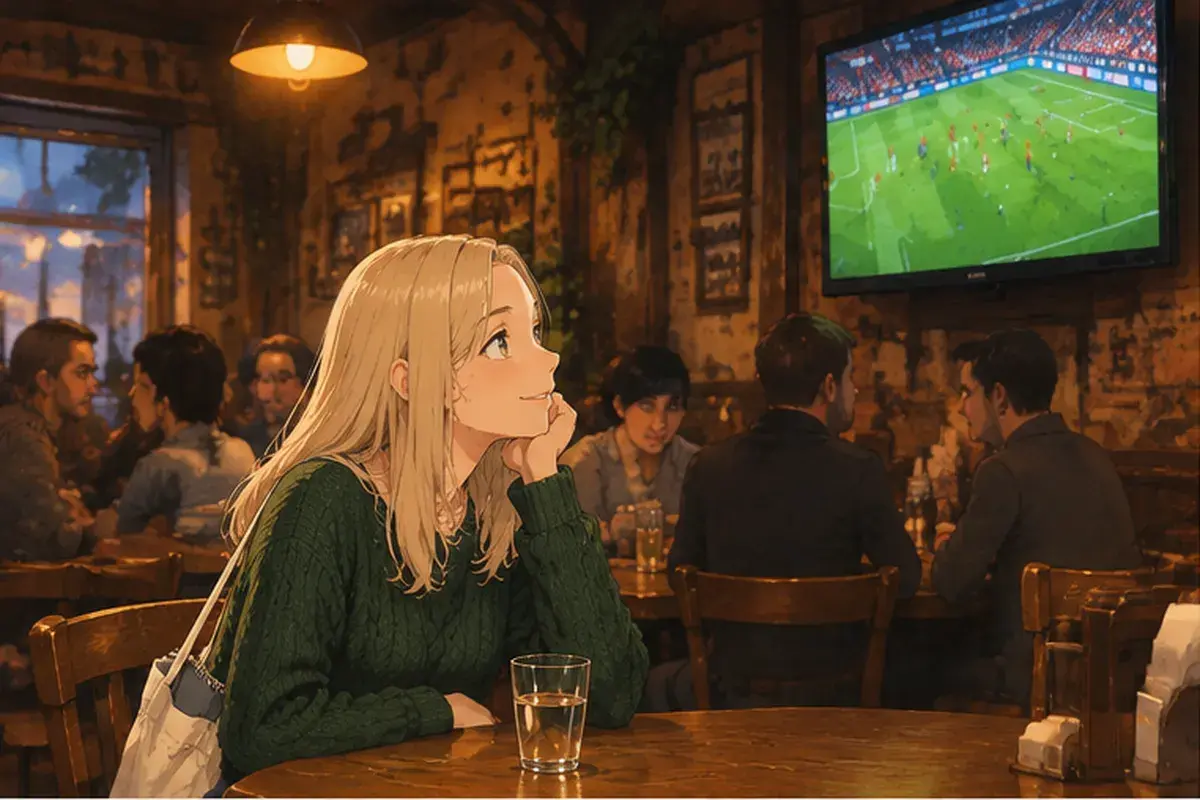
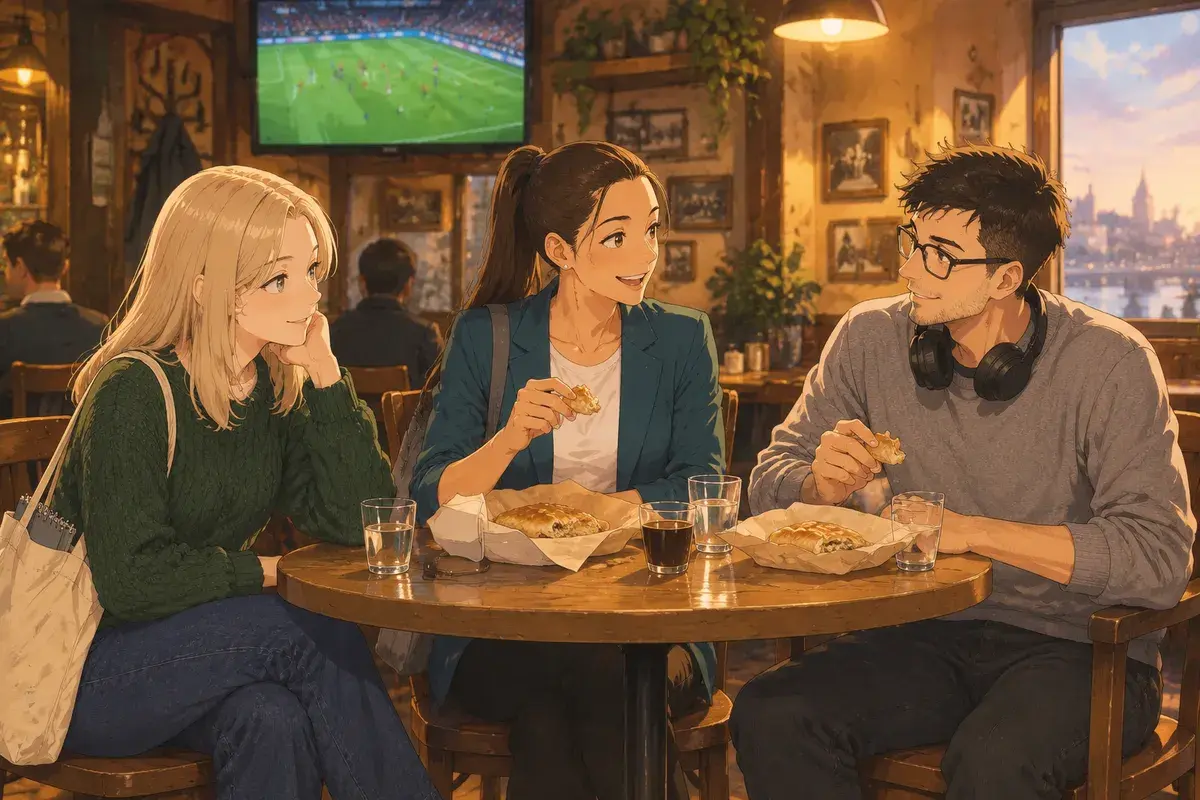
Мој први вечити дерби нисам гледала на стадиону, него у кафани. Али се и тамо видело да је то велики догађај.
I didn't watch my first Eternal Derby at the stadium (woman speaking), but in a kafana. Even there, though, you could see that it was a big event.
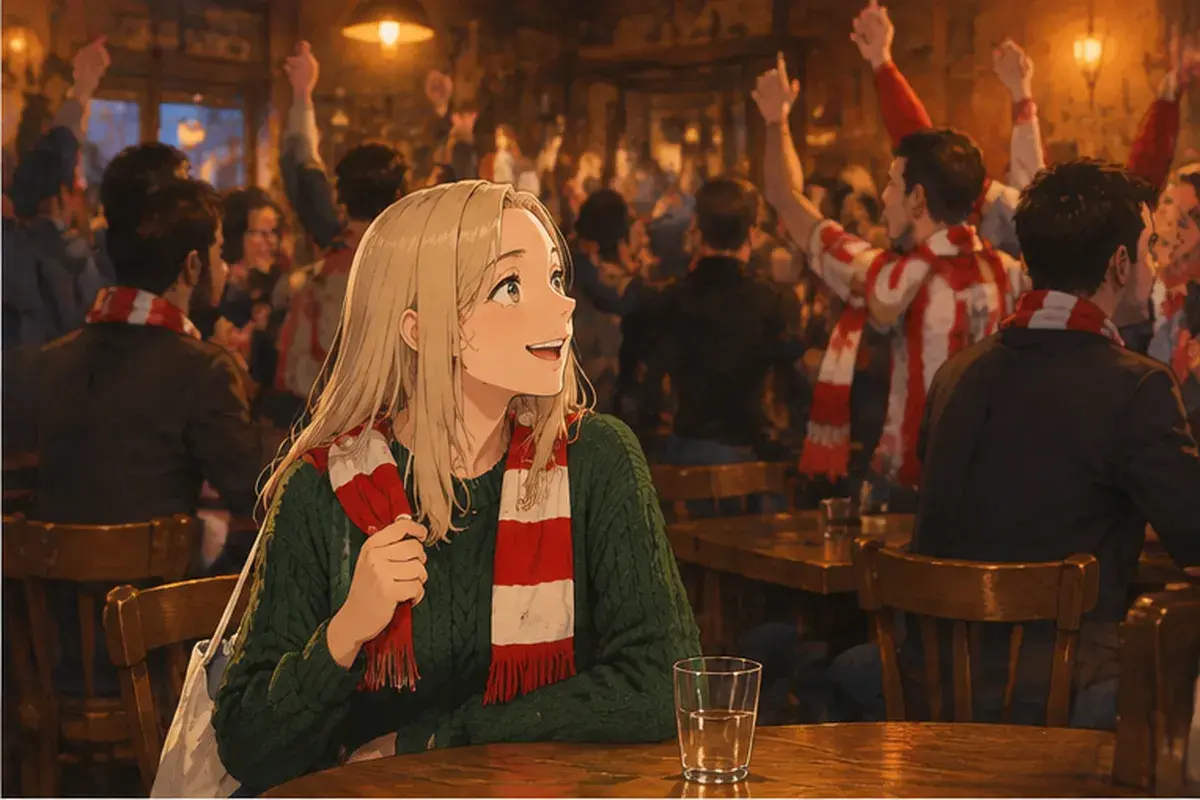
То је утакмица два најпознатија клуба у Београду, Звезде и Партизана. Зато о њој прича цео град, чак и људи који не воле фудбал.
It's the match between the two best-known clubs in Belgrade, Zvezda and Partizan. That's why the whole city talks about it, even people who don't like soccer.
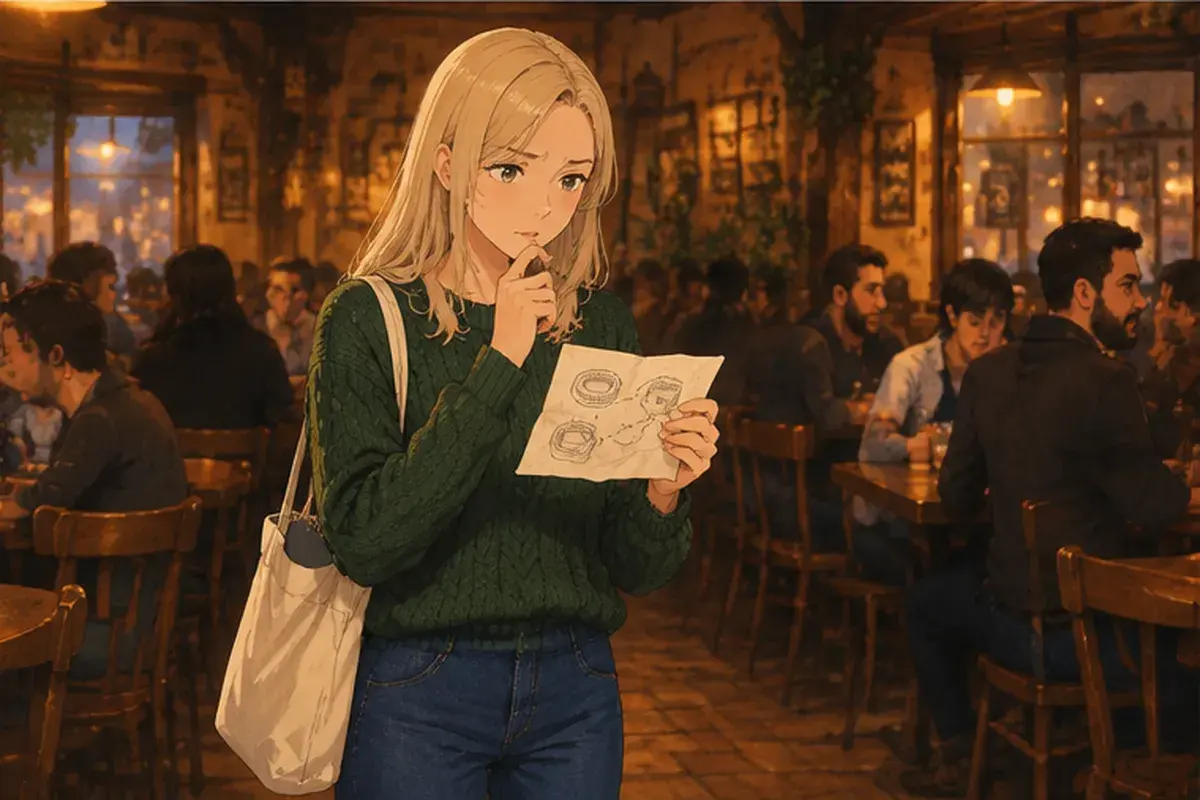
Та два клуба имају више од 80 година. Од једног стадиона до другог има само око километра.
Those two clubs are more than 80 years old. From one stadium to the other it's only about a kilometer.
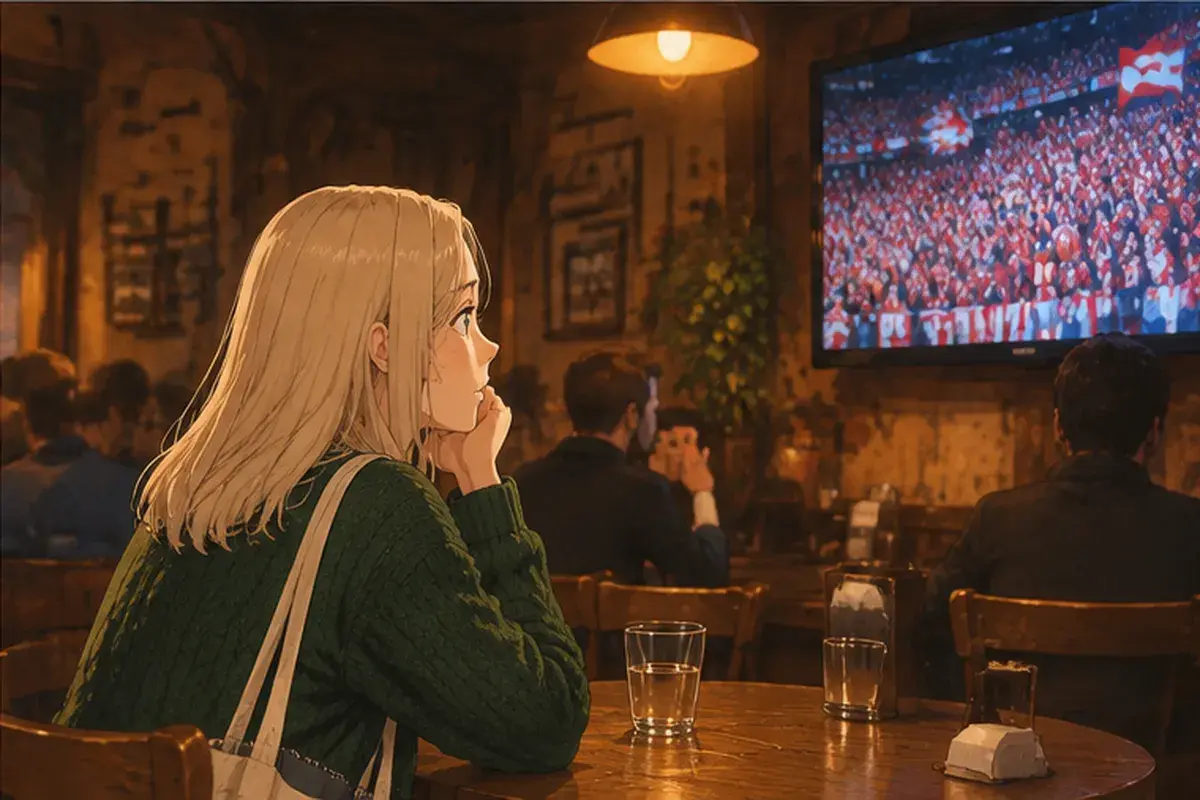
Стадион Звезде се зове Маракана. На телевизији се види пуна трибина на којој се чују навијачке песме.
Zvezda's stadium is called Marakana. On TV you can see a full stand where you can hear fan songs.
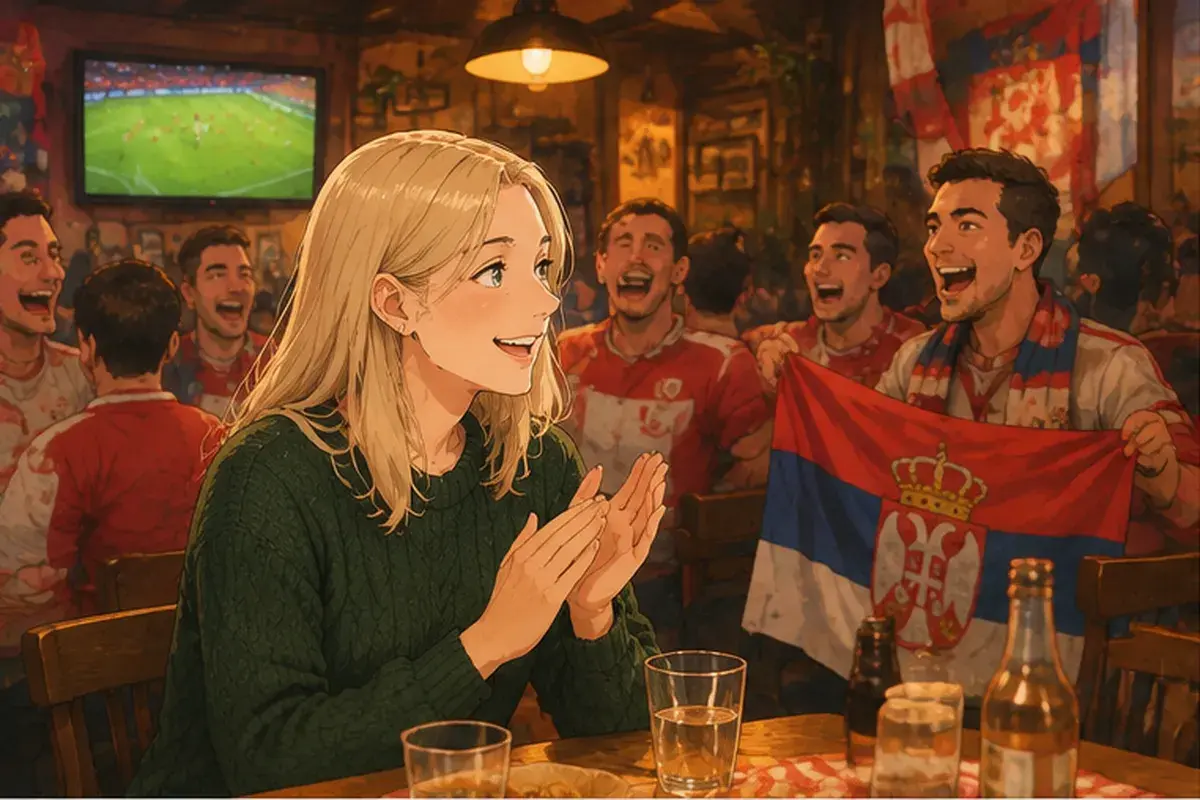
Навијачи носе дресове и држе заставе у бојама свог клуба. Певају целу утакмицу, а после тога се у свакој кафани прича о резултату.
The fans wear jerseys and hold flags in the colors of their club. They sing the whole match, and afterwards in every kafana people talk about the score.

Душан ми је објаснио да клуб у лиги добија три бода за победу, а за нерешено само један.
Dušan explained to me that a club in the league gets three points for a win, and only one for a tie.
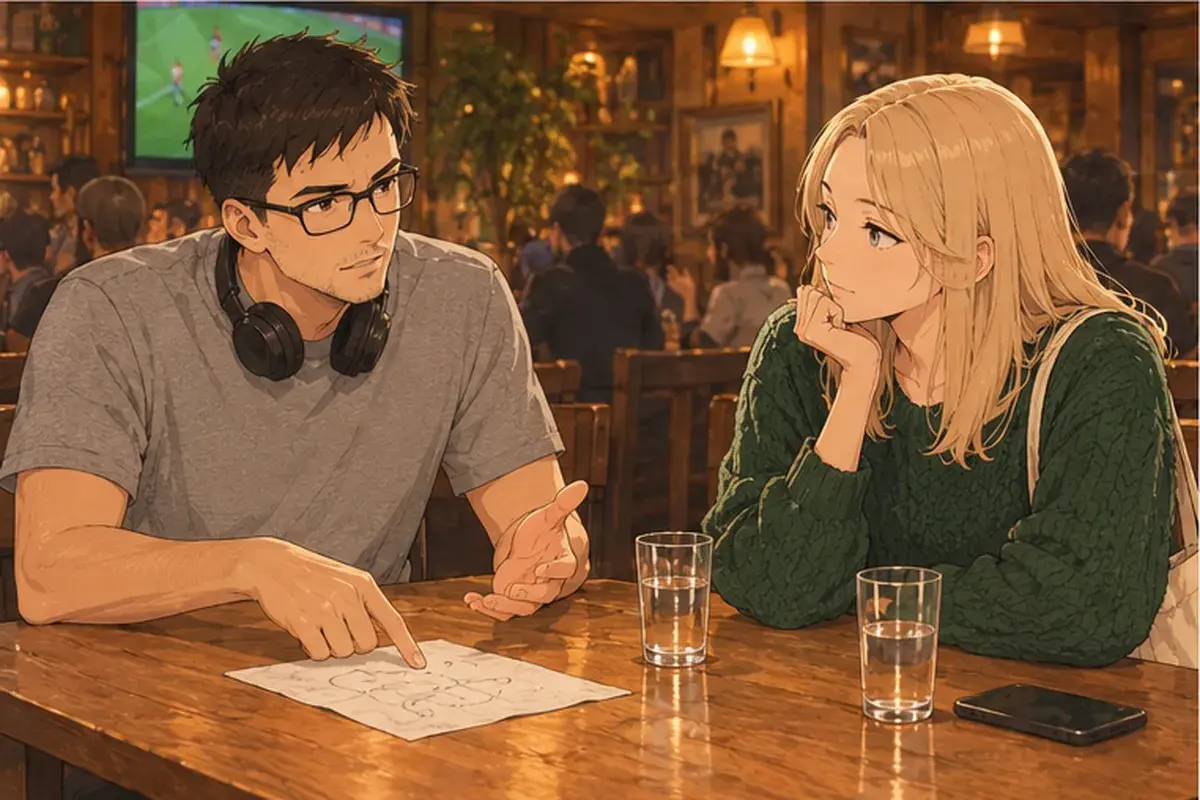
Сваки бод је важан, па је цело првенство увек напето. Зато је такмичење узбудљиво до последњег минута, чак и кад тим не игра на високом нивоу.
Every point matters, so the whole championship is always tense. That's why the competition is exciting until the last minute, even when a team isn't playing at a high level.
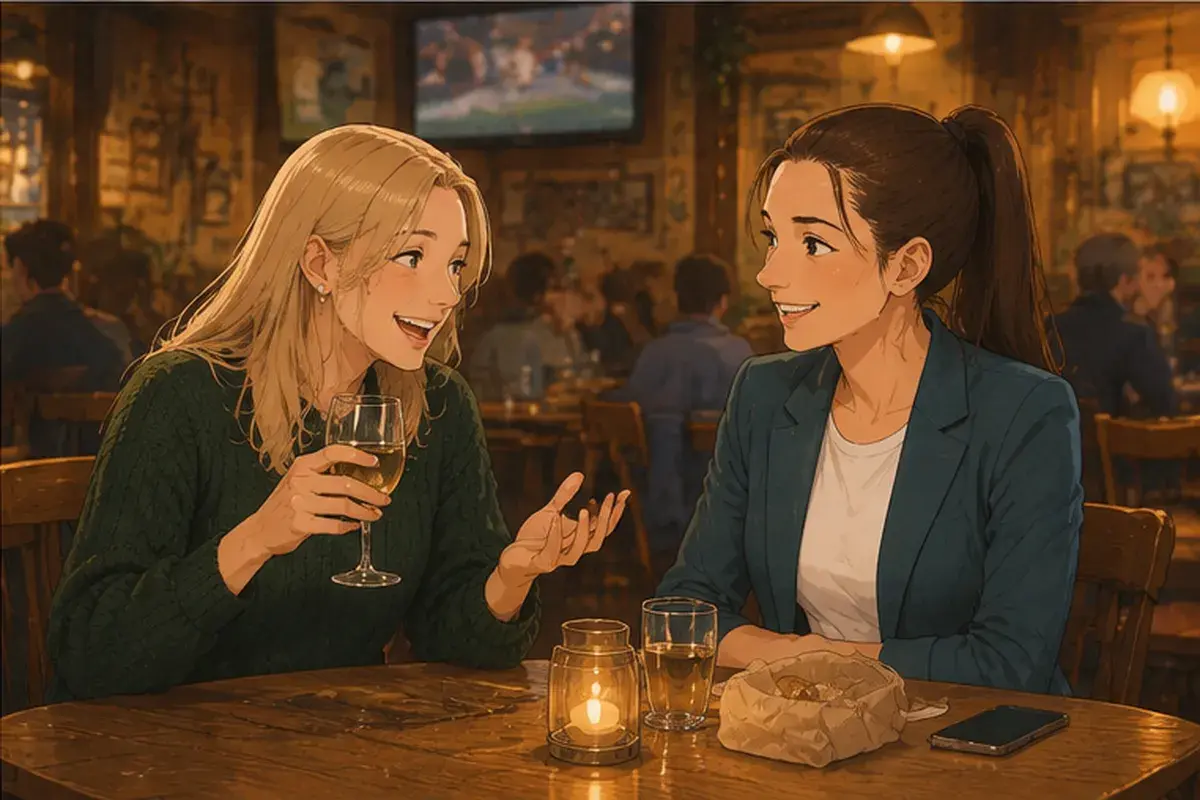
Милица, која навија за Звезду, каже да после дербија сви у кафани мисле да су бољи тренери од правих. Тачно знају шта играчи треба да раде на тренингу.
Milica, who roots for Zvezda, says that after the derby everyone in the kafana thinks they're better coaches than the real ones. They know exactly what the players should do at practice.

Душан и Милица су у понедељак ујутру стигли у канцеларију у исто време, свако са својом кесом бурека.
On Monday morning Dušan and Milica arrived at the office at the same time, each with their own bag of burek.

Душан је ставио кесу на сто и рекао: „Рекох ја да никад нећу купити бурек због пораза. Ето, купио сам га јер је било нерешено.“
Dušan put the bag on the table and said: "I said I would never buy burek because of a loss. There you go, I bought it because it was a tie."

Милица се насмејала и рекла да је њен бурек ипак бољи. Цео тим је јео бурек из две кесе и нико није тражио губитника.
Milica laughed and said that her burek was better anyway. The whole team ate burek from two bags and nobody looked for a loser.

На крају је Милица погледала на сат, рекла „Одох ја, имам састанак“ и отишла. Ми смо остали са последњим комадом бурека.
In the end Milica looked at her watch, said "I'm off, I have a meeting" and left. We were left with the last piece of burek.

Од тада водим рачуна да пред Душаном не причам о резултату, а ни пред Милицом.
Since then I make sure I don't talk about the score in front of Dušan, or in front of Milica either.
Grammar for this text
нисам гледала на стадиону, него у кафани— I didn't watch at the stadium, but in a kafana. A comma comes beforeнего, as beforeалиandа.Та два клуба имају више од 80 година— Those two clubs are more than 80 years old. Afterдваcomesклуба(the 2–4 form, as always afterдва), and after "more than" comes the 5+ form:година, "more than 80 years".на којој се чују навијачке песме— on which you can hear the fan songs.на којојisкоји("which") in the locative case, feminine (because of the wordтрибина). The short wordсеcomes right afterкојој.Душан ми је објаснио да клуб у лиги добија три бода за победу, а за нерешено само један— Dušan explained to me that a club in the league gets three points for a win, and only one for a tie.ми је објасниоmeans "explained to me"; there is no comma beforeда("that").три бодаmeans "three points", andсамо једанmeans "only one": the wordбодis left out.Рекох ја да никад нећу купити бурек због пораза— I said I'd never buy burek because of a loss.рекохis the aorist (see this unit's grammar): Dušan jokingly quotes himself.никад нећуis a double negative, which is normal in Serbian;због поразаmeans "because of a loss":због+ genitive.Одох ја, имам састанак— I'm off, I have a meeting. A set phrase:одохis the aorist ofотићи.Од тада водим рачуна да пред Душаном не причам о резултату— Since then I make sure I don't talk about the score in front of Dušan.водити рачунаmeans "to make sure, to take care";пред+ instrumental, as in unit 4.
Words and grammar of the unit: Watch the derby with coworkers.
Learn the words from the texts with flashcards
In the app, you can tap any word in a text to see its translation, forms and examples, and new words stick with flashcards. 15 minutes a day.
Start for freeEverything is open for free. No card needed to sign up.