
Serbian story with translation · A2 · 13 lines
Имала сам среће I was lucky
Comic · 13 panels
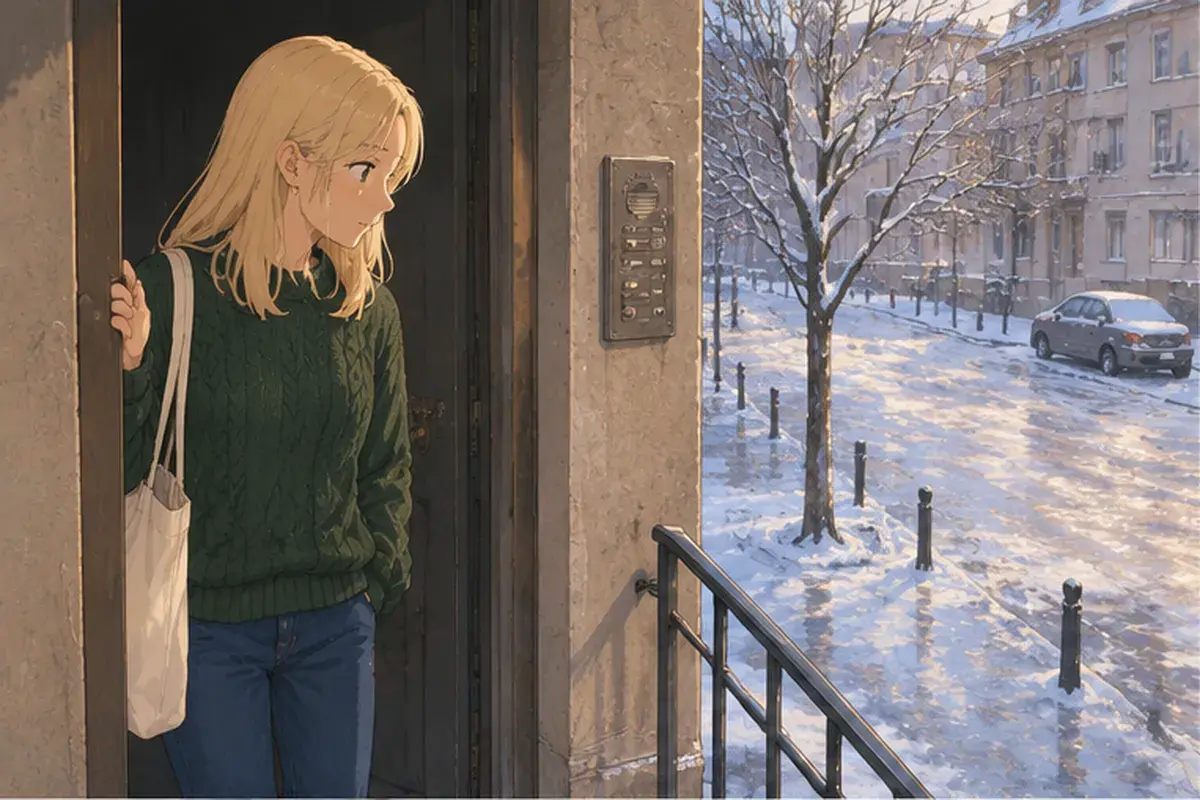
Синоћ је падао снег, а ујутру је на улици био лед.
Last night it was snowing, and in the morning there was ice on the street.
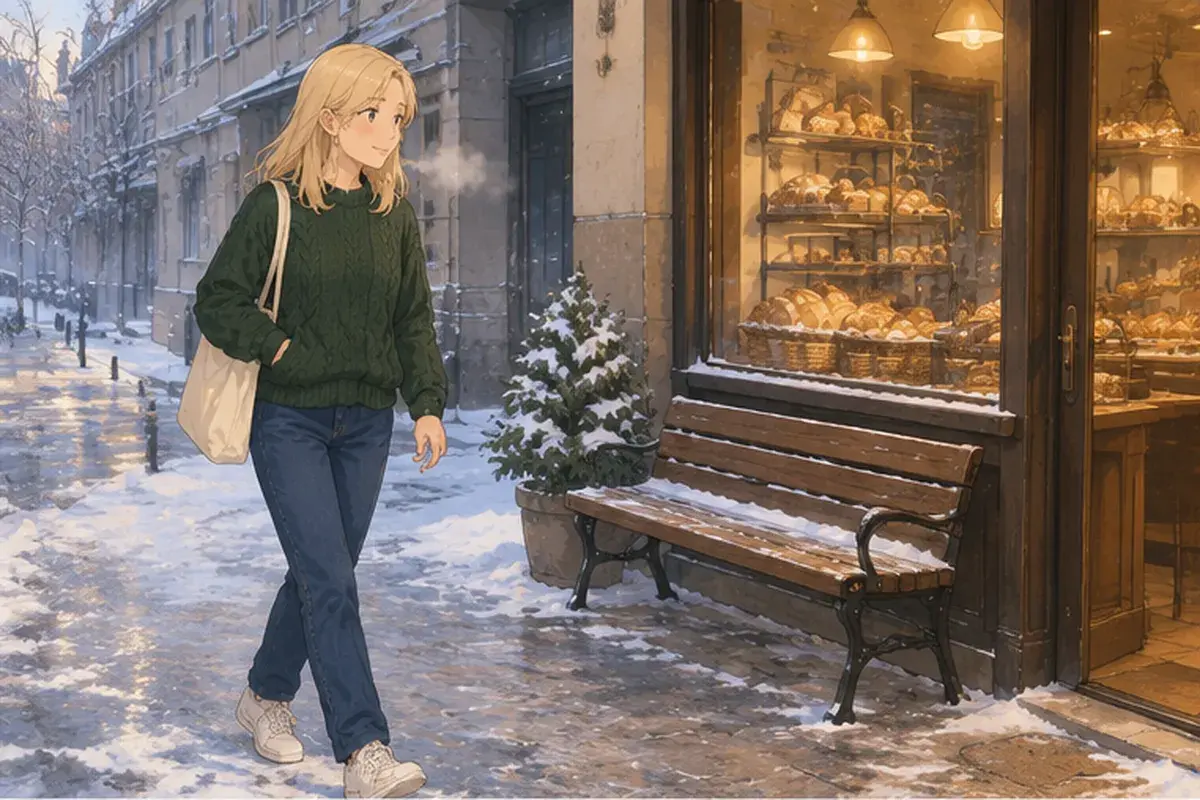
Била сам гладна, па сам отишла до пекаре по бурек.
I was hungry, so I went to the bakery for a burek (woman speaking).
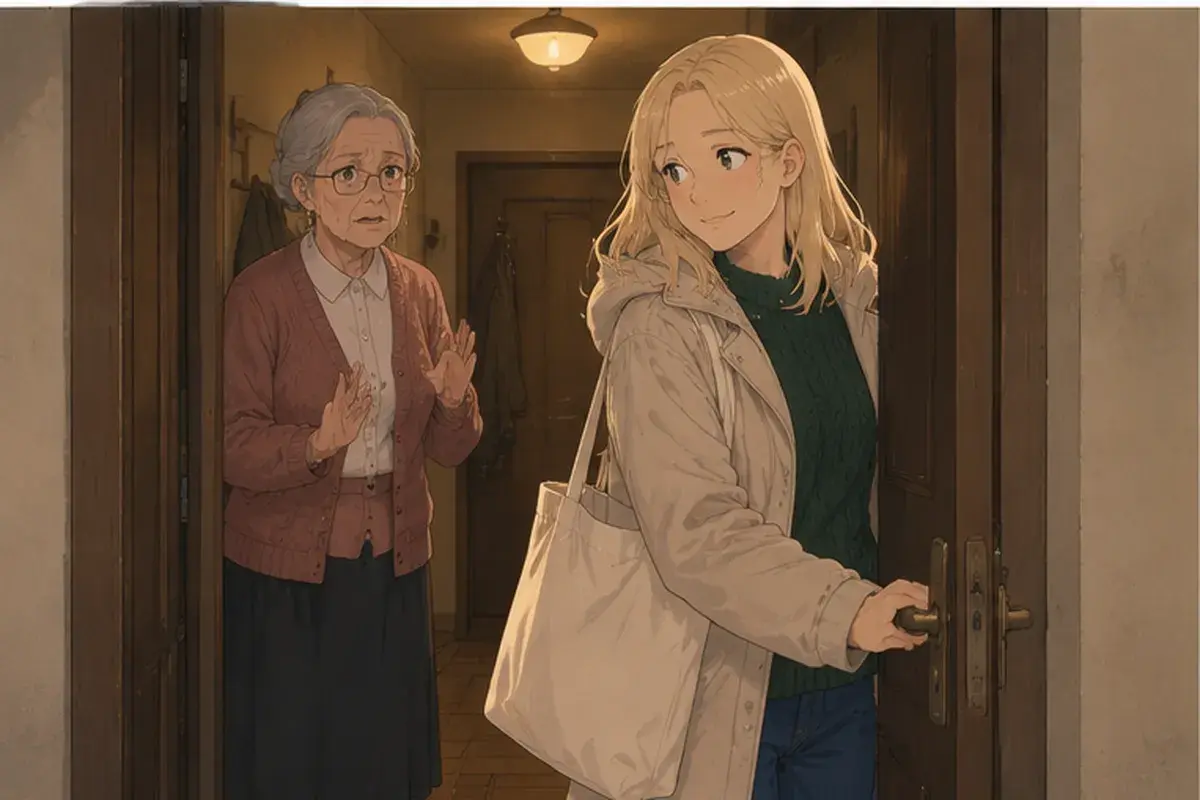
Радмила ми је рекла: „Ано, напољу је јако клизаво.“
Radmila told me, "Ana, it's very slippery outside."
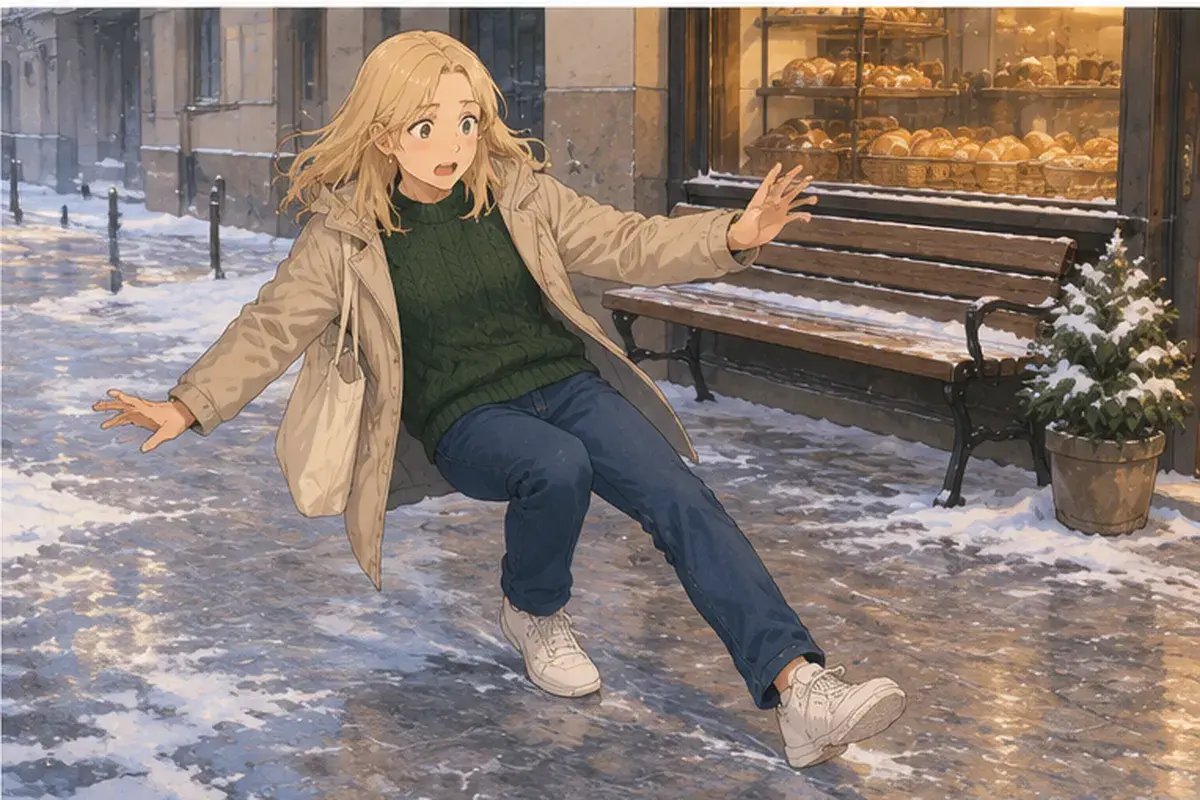
Ходала сам полако, али сам се код пекаре ипак оклизнула.
I walked slowly, but I still slipped near the bakery (woman speaking).
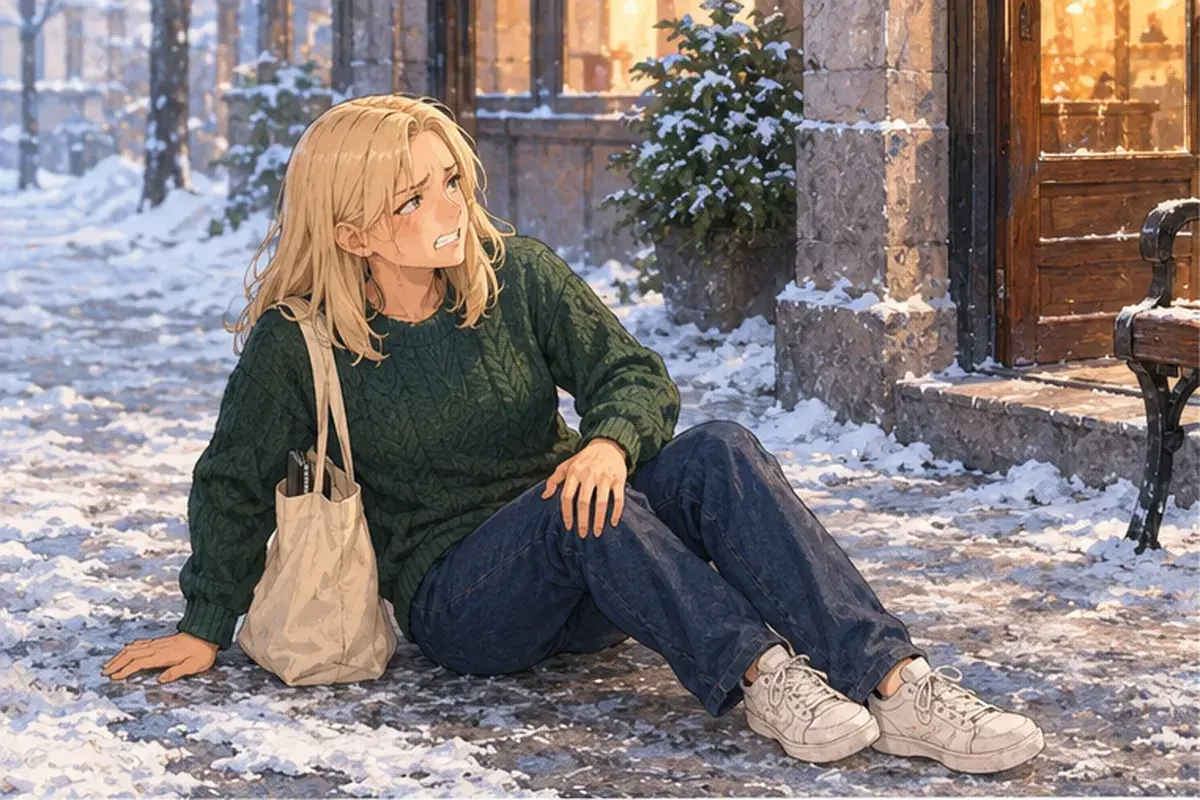
Пала сам на колено и на руку. Срећом, нисам пала на лице.
I fell on my knee and my hand. Luckily, I didn't fall on my face (woman speaking).
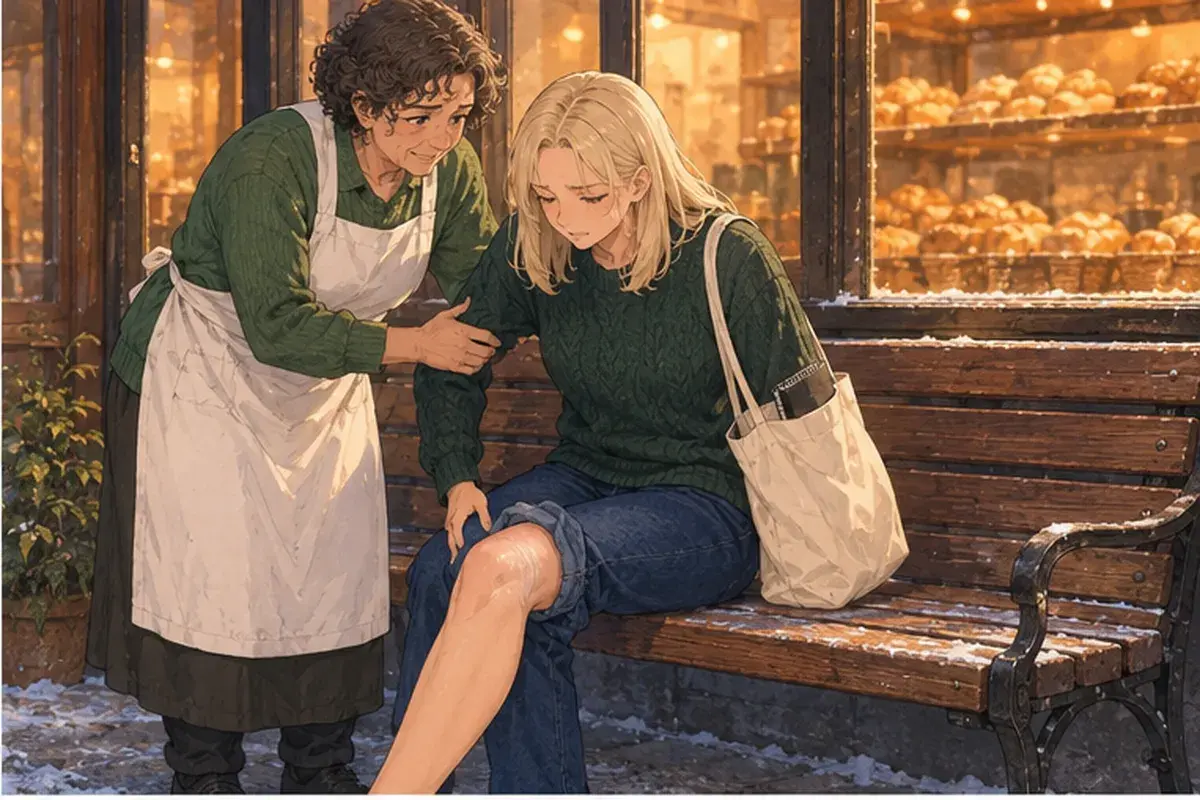
Продавац из пекаре је одмах дошао и придржао ме, па сам полако села на клупу.
The salesclerk from the bakery came right away and steadied me, so I slowly sat down on a bench (woman speaking).
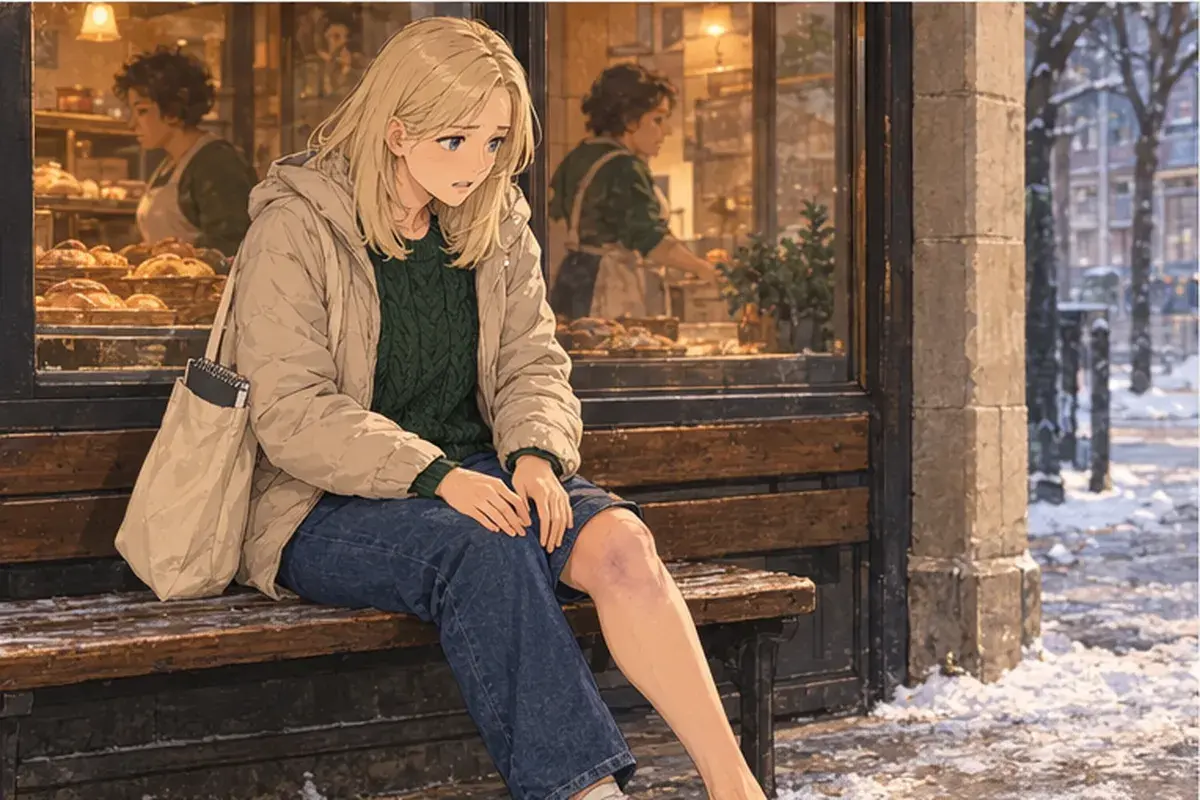
Колено је било отечено и бол је био јак. Нисам могла добро да ходам.
My knee was swollen and the pain was strong. I couldn't walk properly (woman speaking).
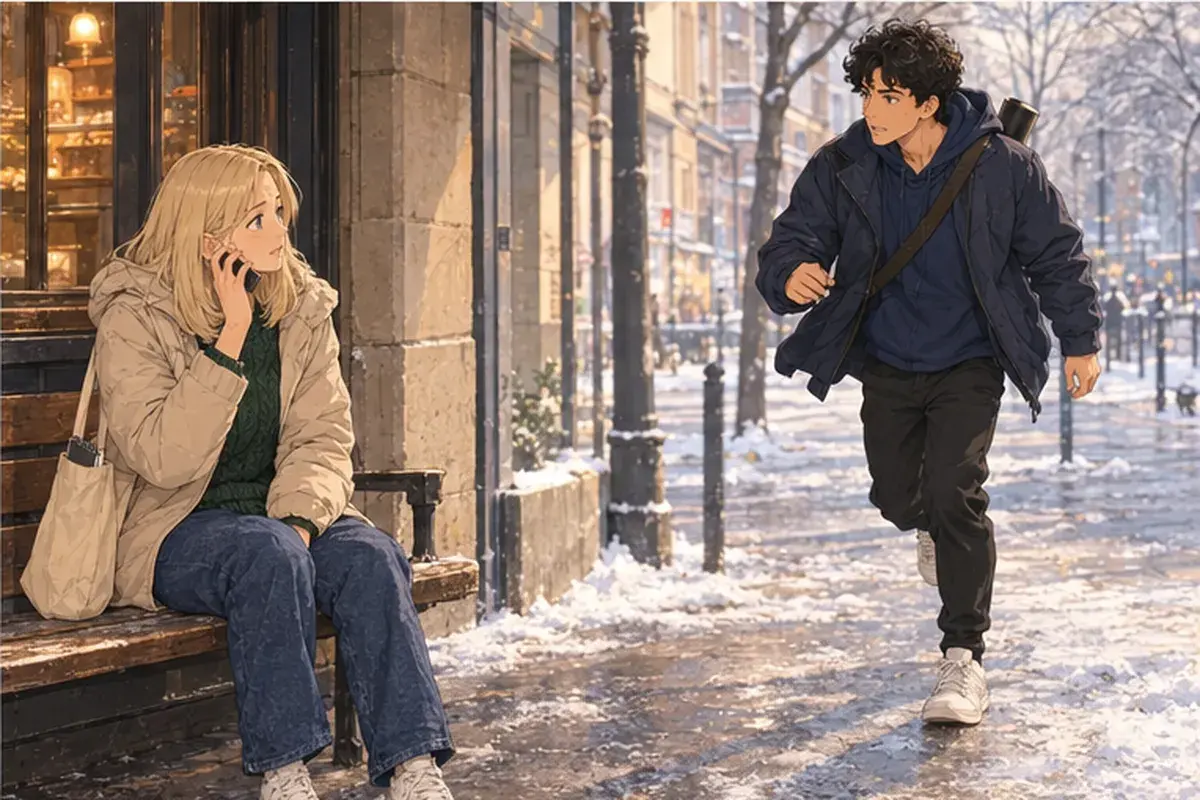
Позвала сам Стефана и он је одмах дошао.
I called Stefan, and he came right away (woman speaking).
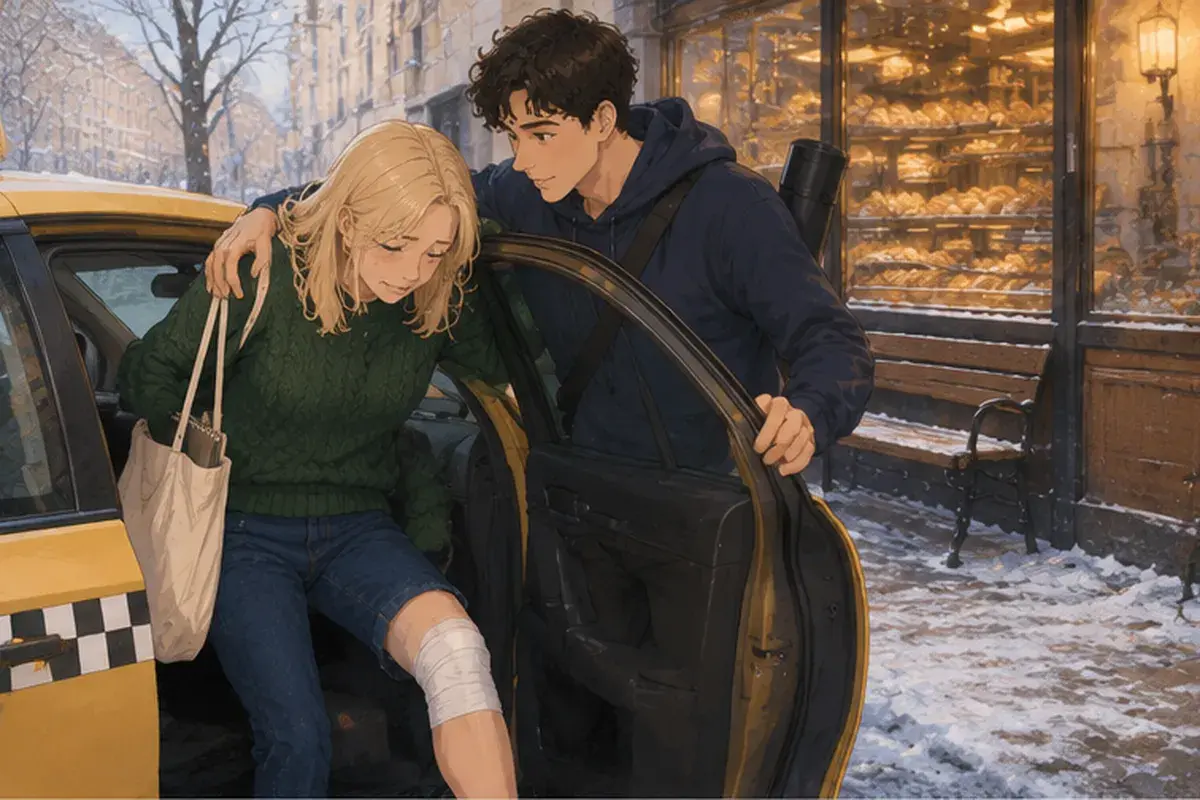
Немам осигурање. Зато ме је Стефан таксијем одвео у приватну клинику.
I don't have insurance. That's why Stefan took me to a private clinic by taxi.
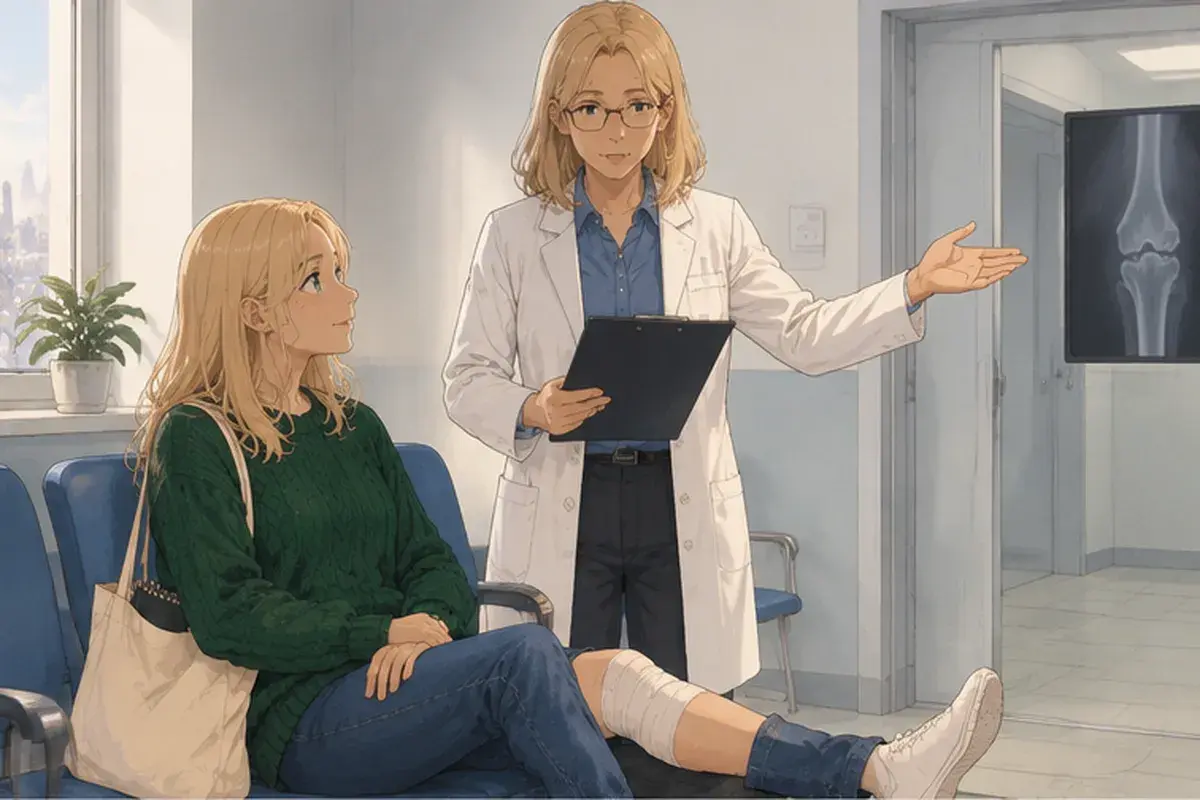
У чекаоници сам чекала пола сата. Докторка ме је прегледала и послала на рендген.
I waited in the waiting room for half an hour (woman speaking). The doctor examined me and sent me for an X-ray.
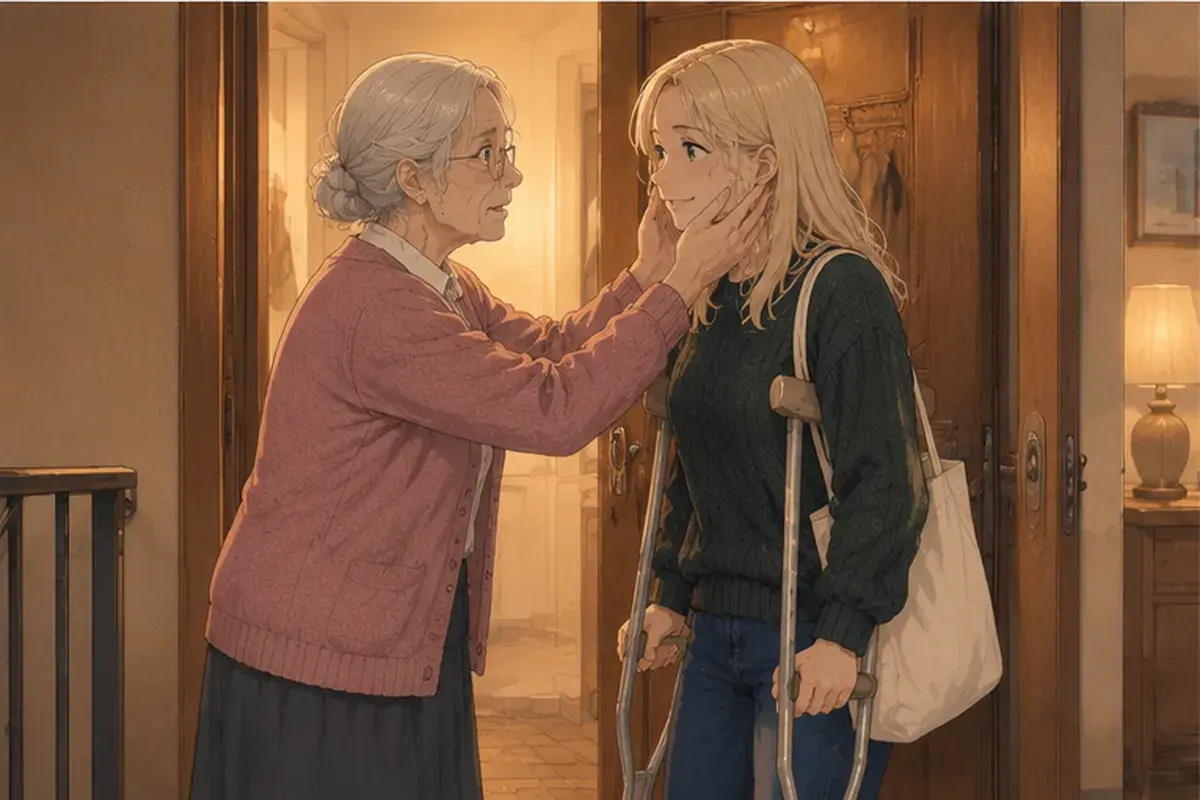
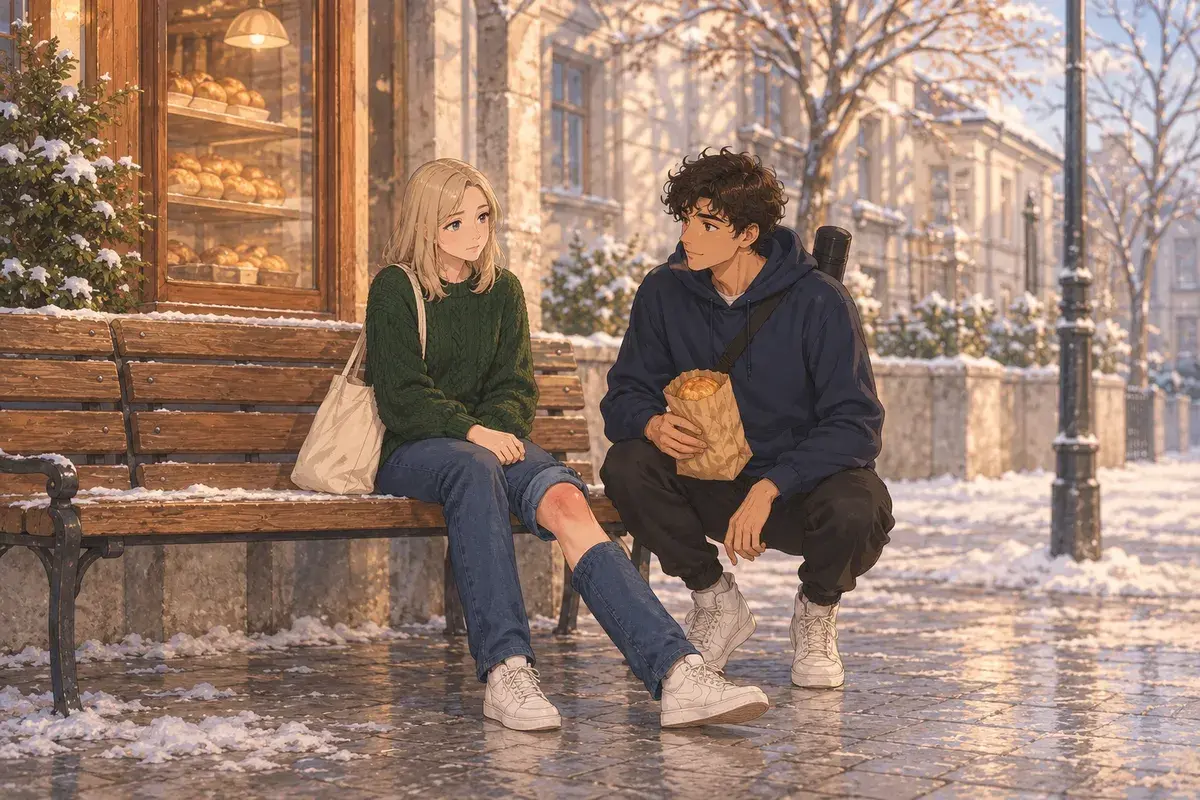
Радмила ме је дочекала на вратима. Питала је: „Ано, дете моје, да ли те још боли?“
Radmila met me at the door. She asked, "Ana, my child, does it still hurt?"
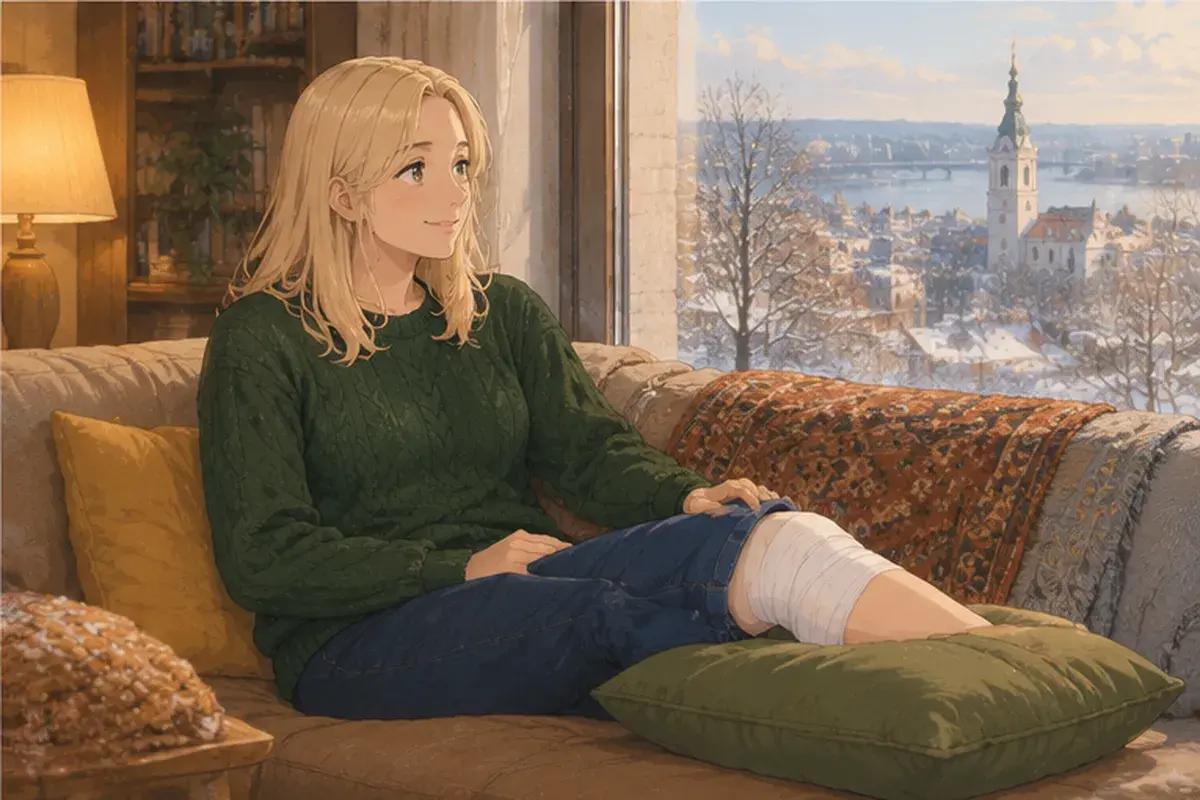
Лед је опасан, али сам имала среће и само сам се мало повредила.
Ice is dangerous, but I was lucky and only got hurt a little (woman speaking).
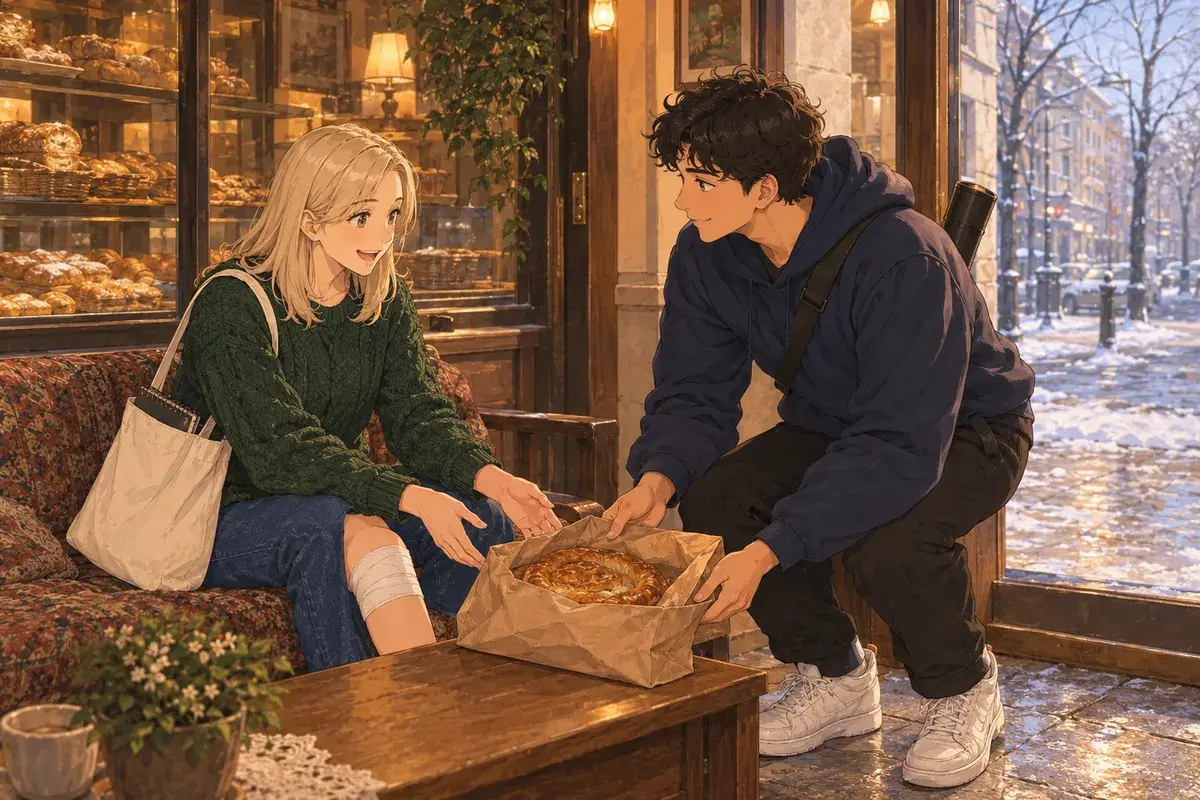
А бурек ми је Стефан купио тек поподне.
And Stefan didn't buy me the burek until the afternoon.
Grammar for this text
Радмила ми је рекла: „Ано, напољу је јако клизаво.“—ми је … рекла— told me:миis 'to me' (the dative, unit 5), andјеstands last.Аноis the calling form ofАна(the vocative).клизаво је— it's slippery: a sentence without a subject, like English 'it'.Срећом, нисам пала на лице—срећом— luckily;палаis the feminine -o/-la form ofпасти(to fall).на лице— onto the face:лицеis neuter, and here its form doesn't change.Продавац из пекаре је одмах дошао и придржао ме, па сам полако села на клупу—придржао ме— steadied me:меis me as the object (the accusative, this unit).придржаоandдошаоare masculine -o/-la forms ending in-о; Ana about herself saysсела.па— so, and then.Зато ме је Стефан таксијем одвео у приватну клинику—ме је … одвео— took me: firstме, thenје.одвеоis an irregular -o form ofодвести.у приватну клинику— to a private clinic (where to?):-а→-у.таксијем— by taxi (unit 10).Докторка ме је прегледала и послала на рендген— the doctor is a woman:докторка,прегледала; for a man it isдоктор,прегледао.Радмила ме је дочекала на вратима— Radmila met me at the door.Да ли те још боли?— Does it still hurt? Word for word 'does it still hurt you'.Дете моје— my child: a warm way to talk to someone younger.Лед је опасан, али сам имала среће—Имала сам среће— I was lucky (word for word 'I had some luck').сам се повредила— I got hurt.
Words and grammar of the unit: See a doctor after a fall.
Learn the words from the texts with flashcards
In the app, you can tap any word in a text to see its translation, forms and examples, and new words stick with flashcards. 15 minutes a day.
Start for freeEverything is open for free. No card needed to sign up.