
Serbian story with translation · A2 · 15 lines
Српски није лак, али није ни тежак Serbian isn't easy, but it isn't hard either
Comic · 15 panels
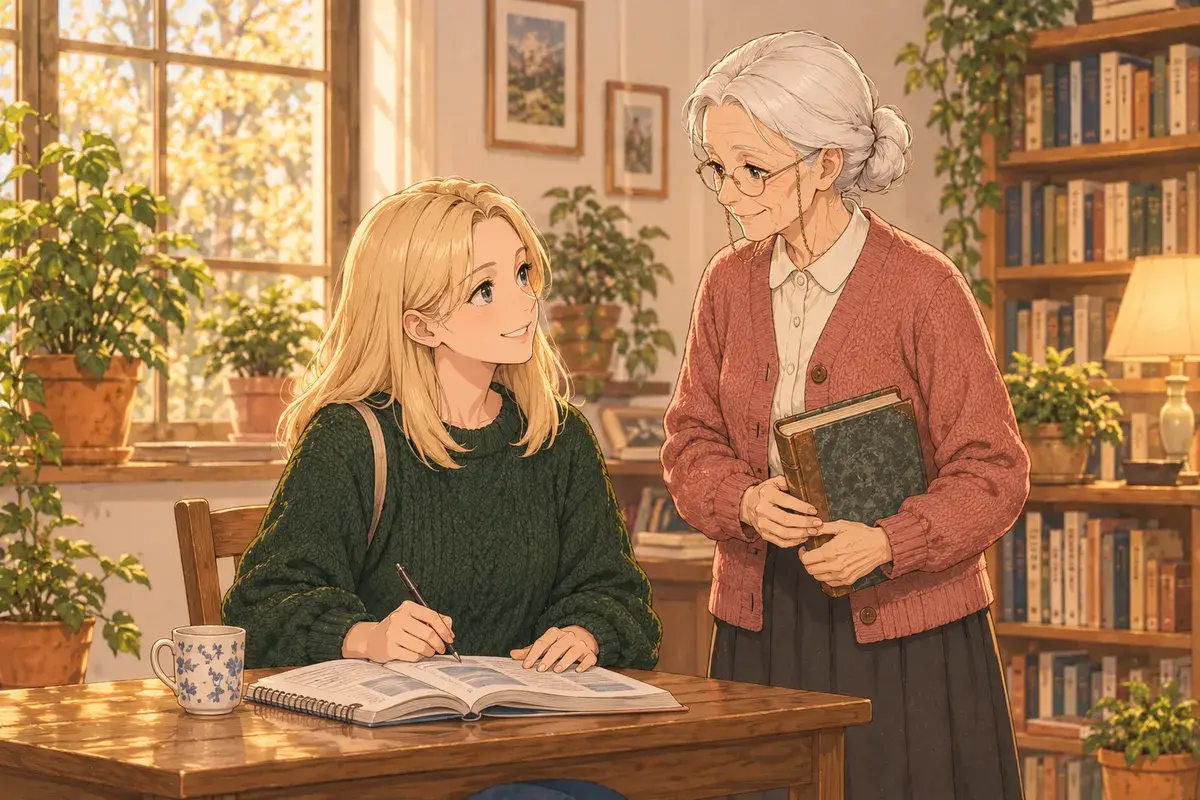
Кад сам почела да учим српски, мислила сам да је то једноставан језик.
When I started learning Serbian, I thought it was a simple language (woman speaking).
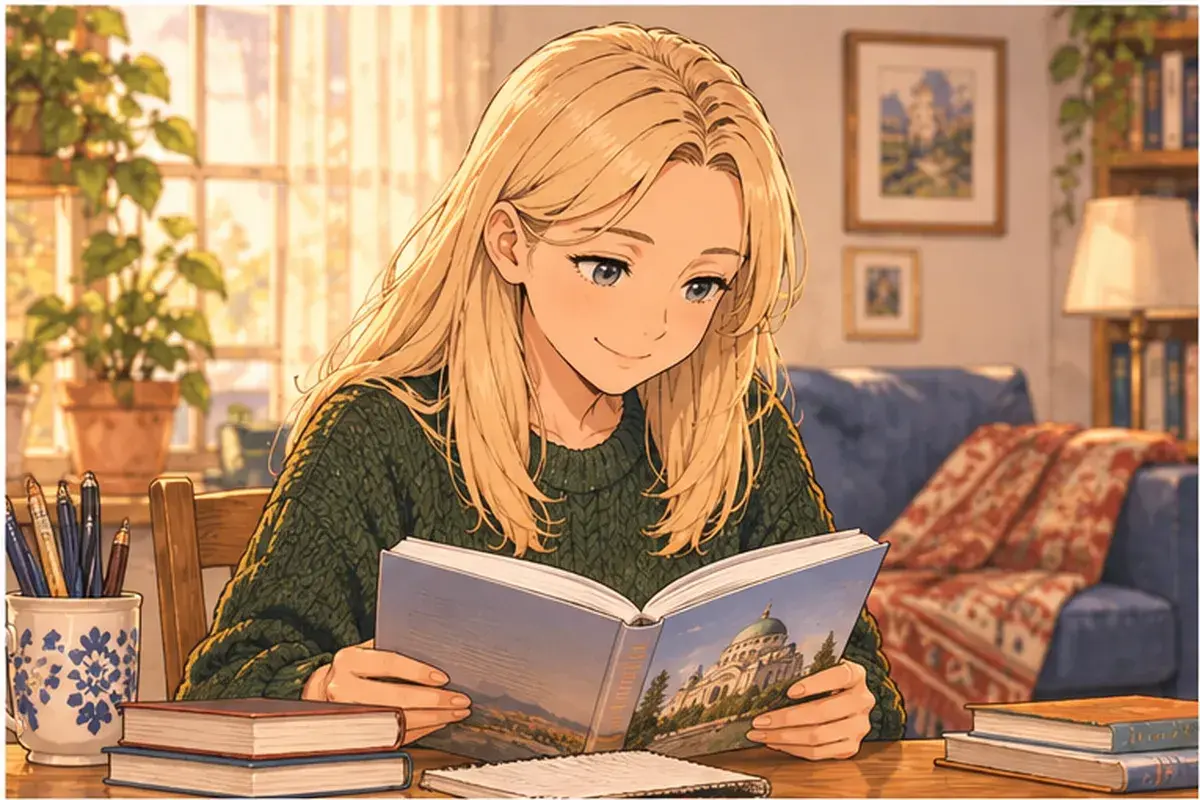
Многи људи то мисле јер је у српском једно слово један звук.
Many people think so because in Serbian one letter is one sound.
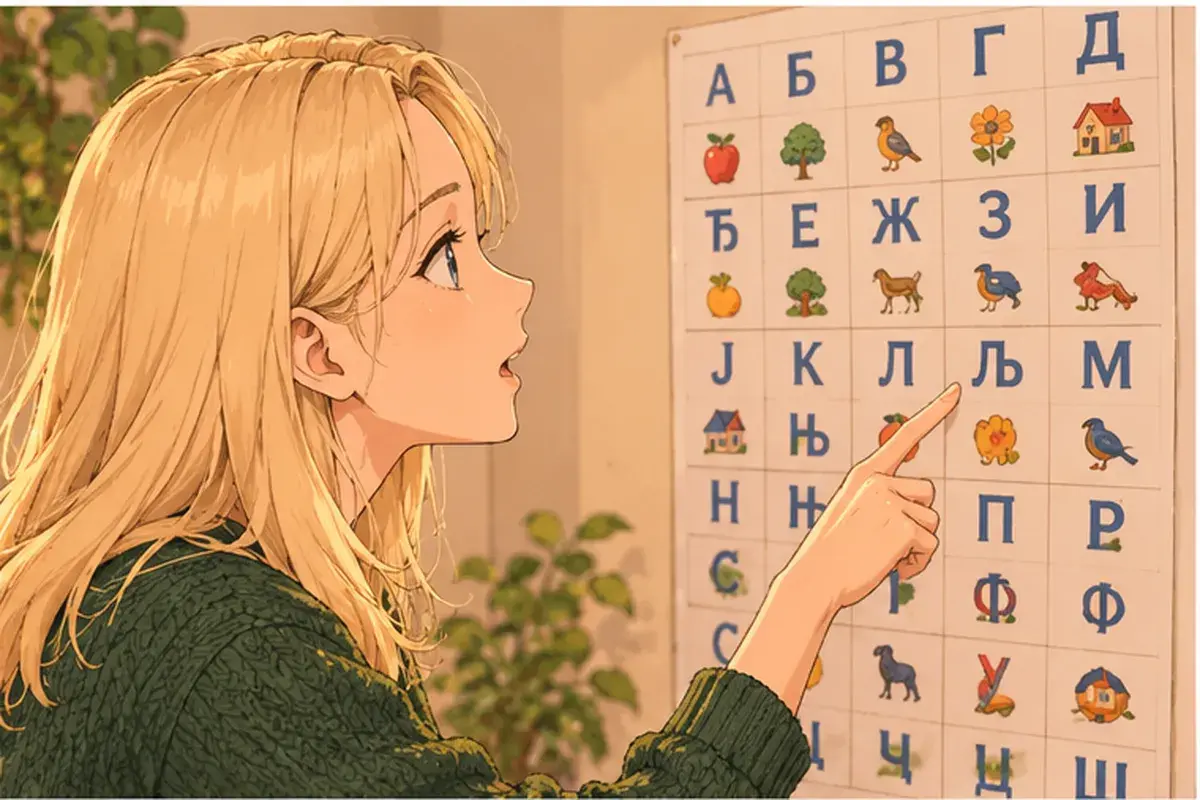
За слова је то истина, али за речи је лаж.
For letters that's true, but for words it's a lie.
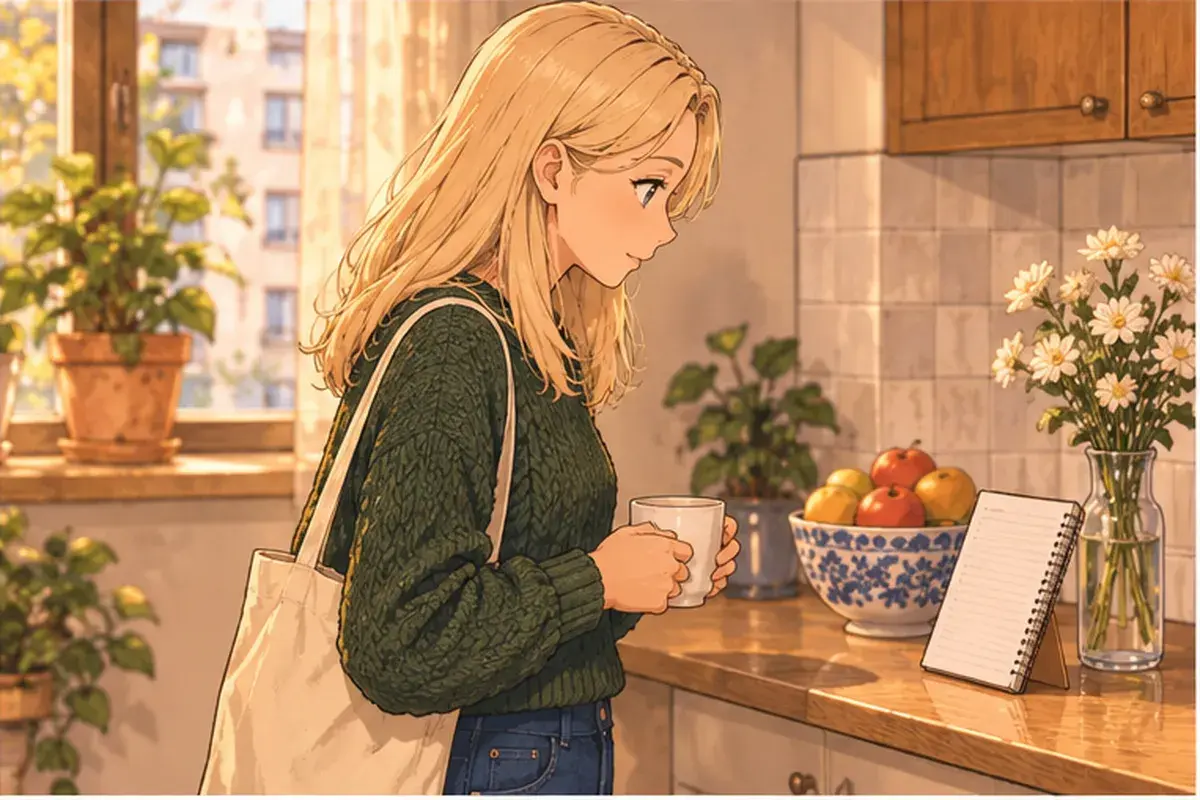
Већина речи ми је тешка јер их ретко чујем. Зато их понављам свако јутро, пре посла.
Most words are hard for me because I rarely hear them. That's why I review them every morning, before work.
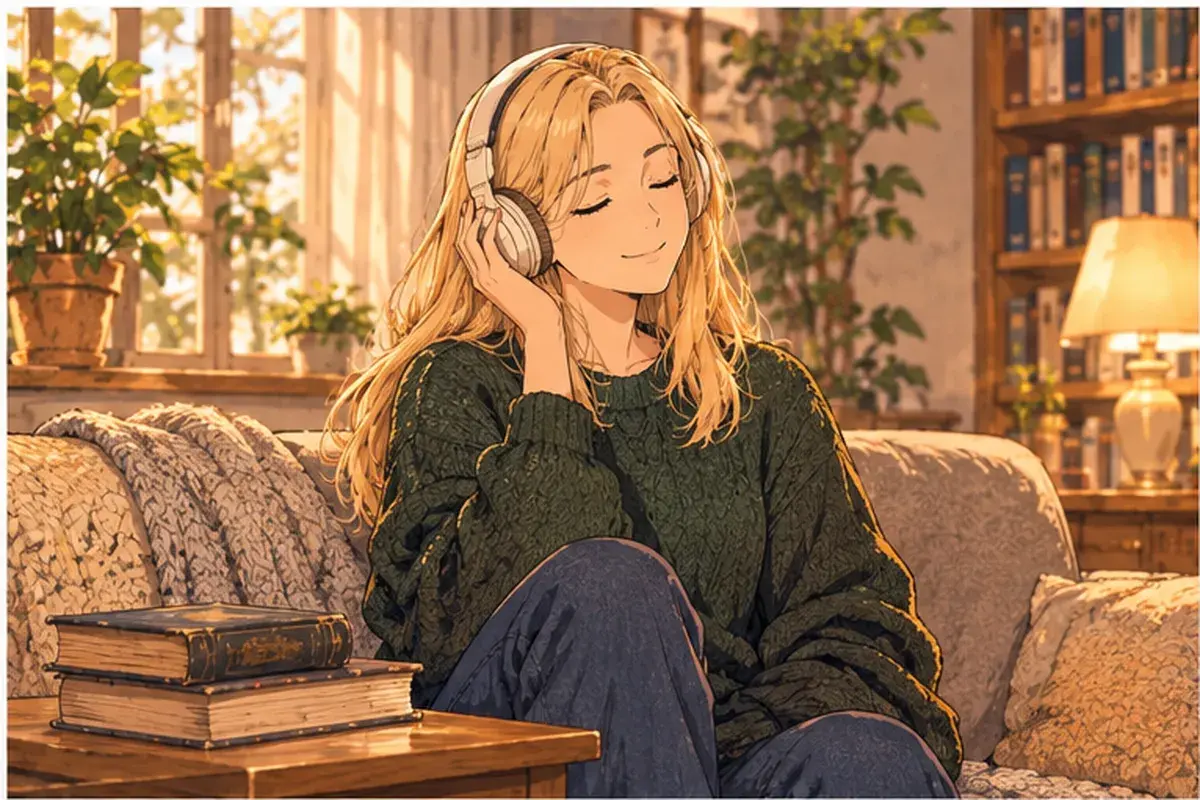
После посла слушам српску музику, а увече читам Радмилине старе књиге.
After work I listen to Serbian music, and in the evening I read Radmila's old books.
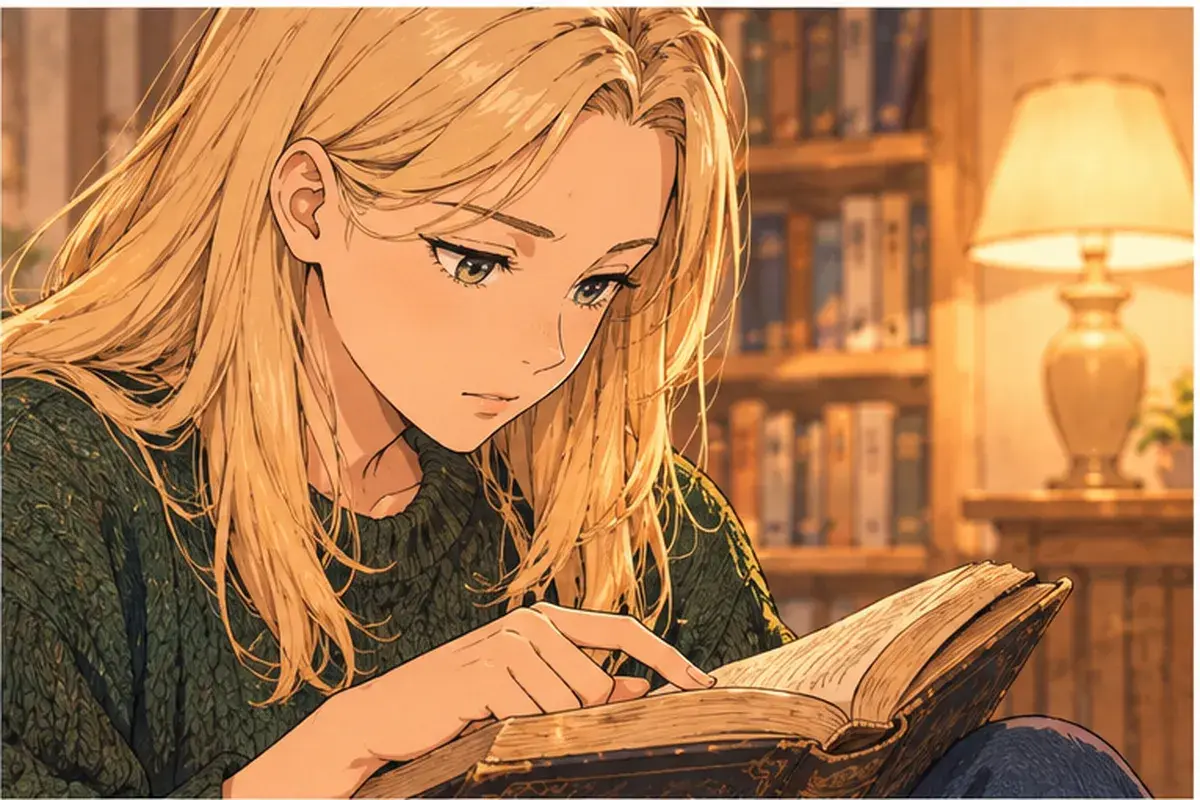
У њима има много ретких речи.
There are a lot of rare words in them.
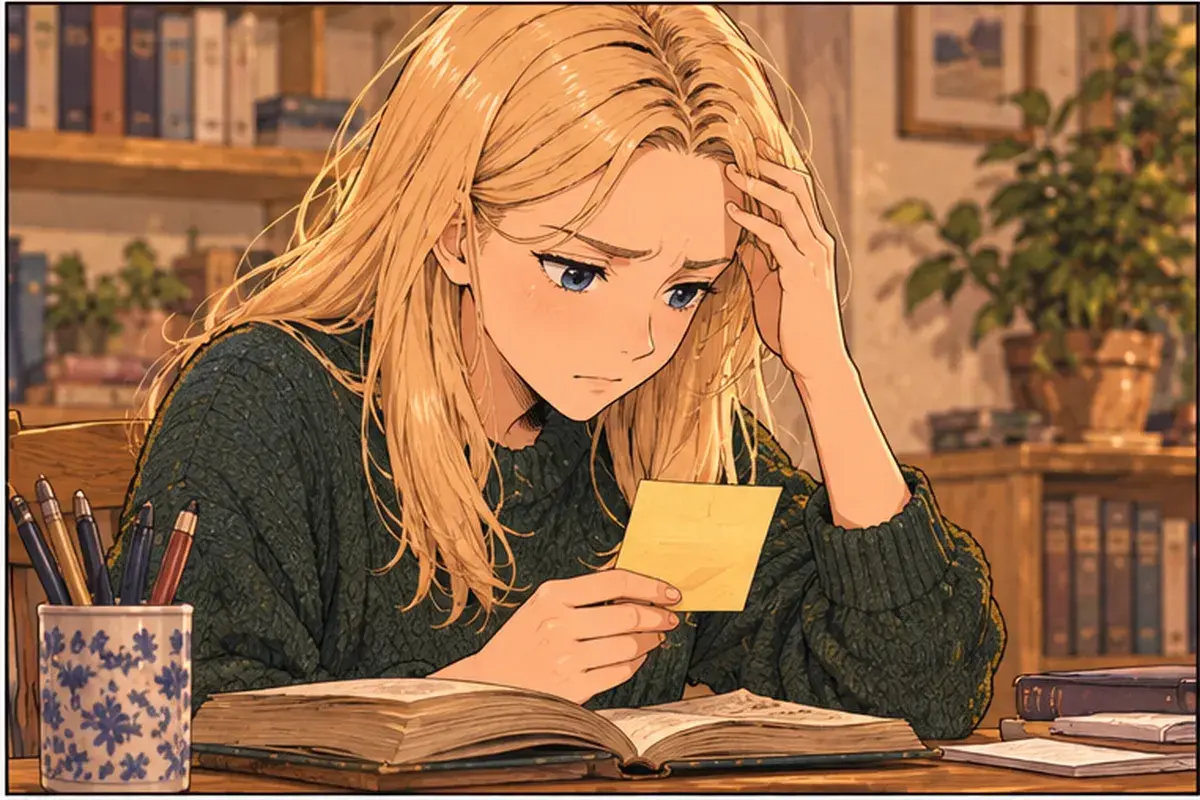
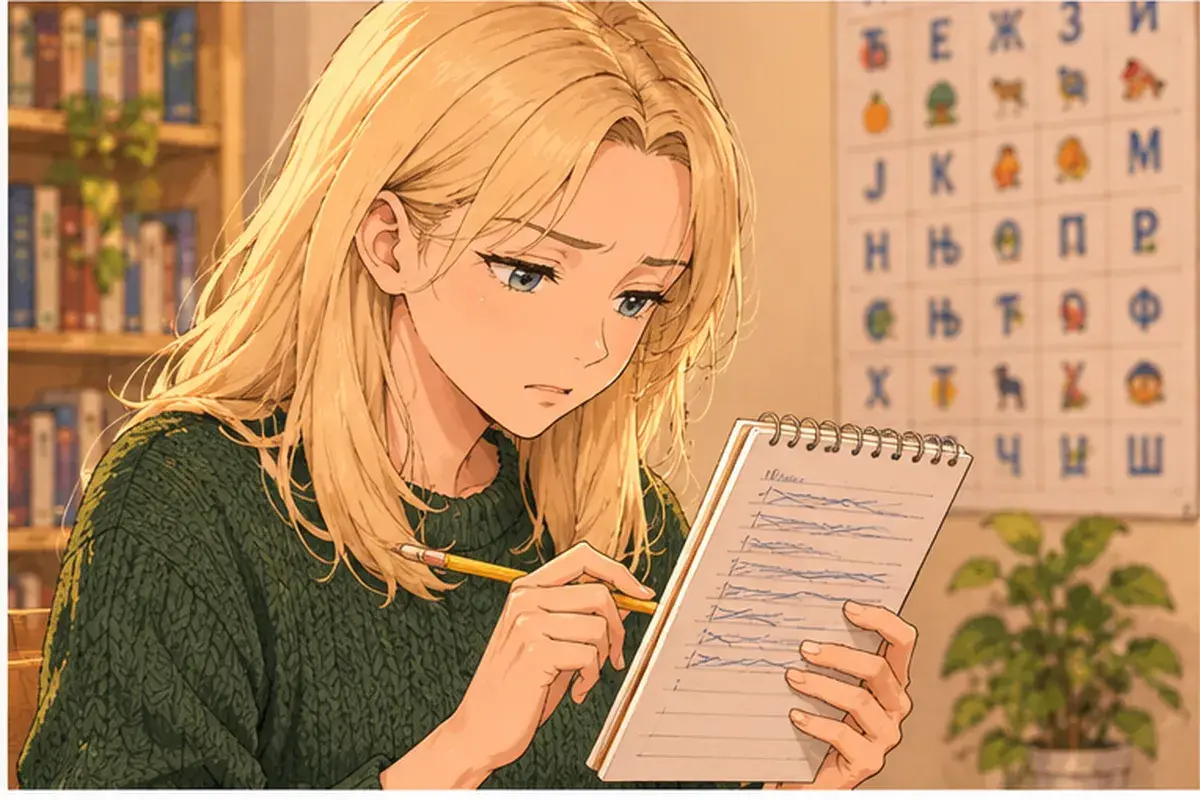
Јуче сам опет видела једну и нисам могла да се сетим њеног значења.
Yesterday I saw one again and couldn't remember its meaning (woman speaking).

Стефан је мој учитељ за речи са улице, као „кул“ и „ајде“.
Stefan is my teacher for street words, like "kul" and "ajde".
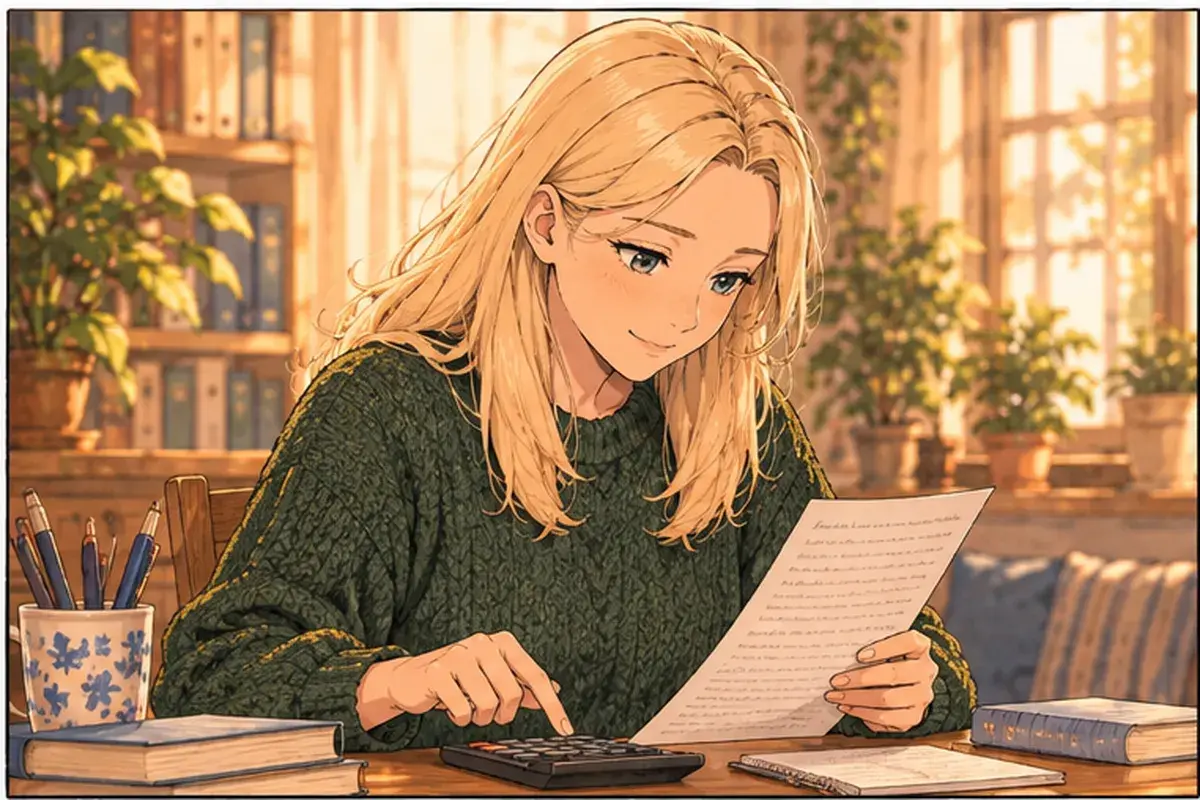
Прошле недеље сам рачунала колико речи знам: више од хиљаду. Мислим да је мој српски на средњем нивоу.
Last week I counted how many words I know: more than a thousand. I think my Serbian is at an intermediate level (woman speaking).
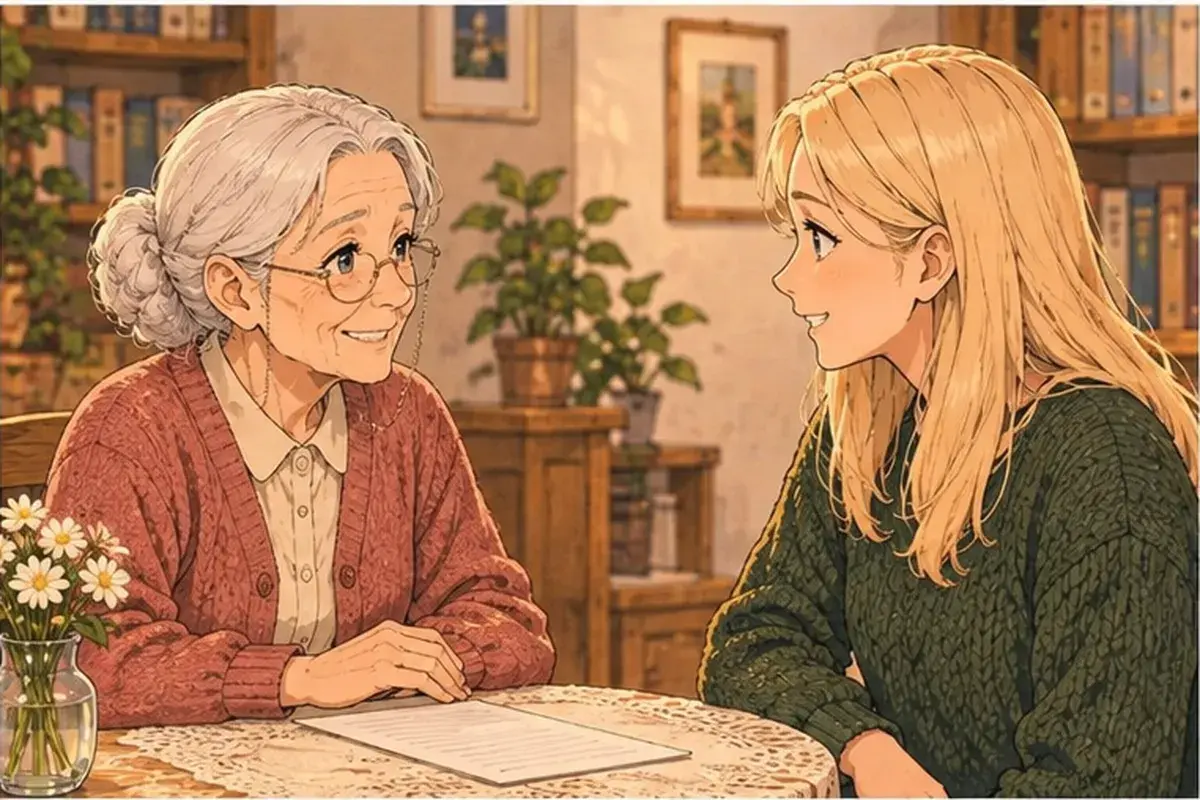
Вечерас ми је Радмила после теста рекла: „Твој ниво је добар.“
Tonight after the test Radmila told me: "Your level is good."
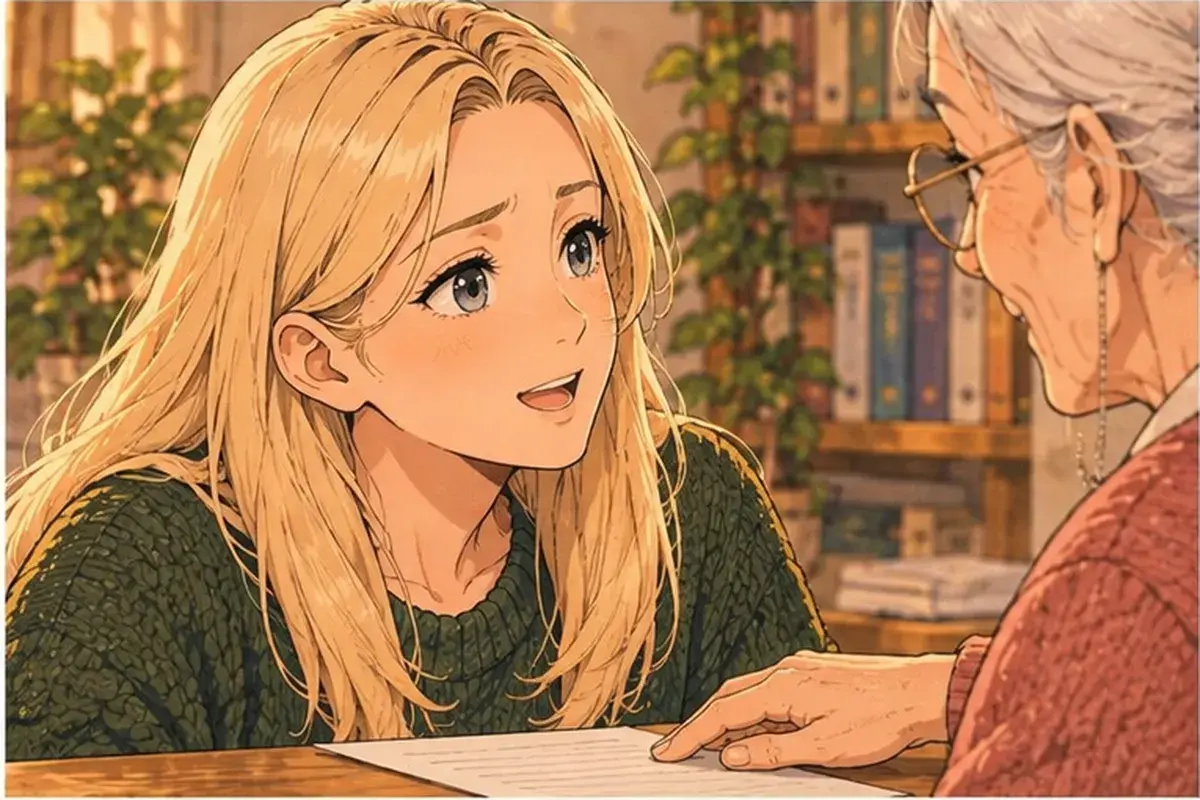
Она никад не лаже, па сам јој поверовала.
She never lies, so I believed her (woman speaking).
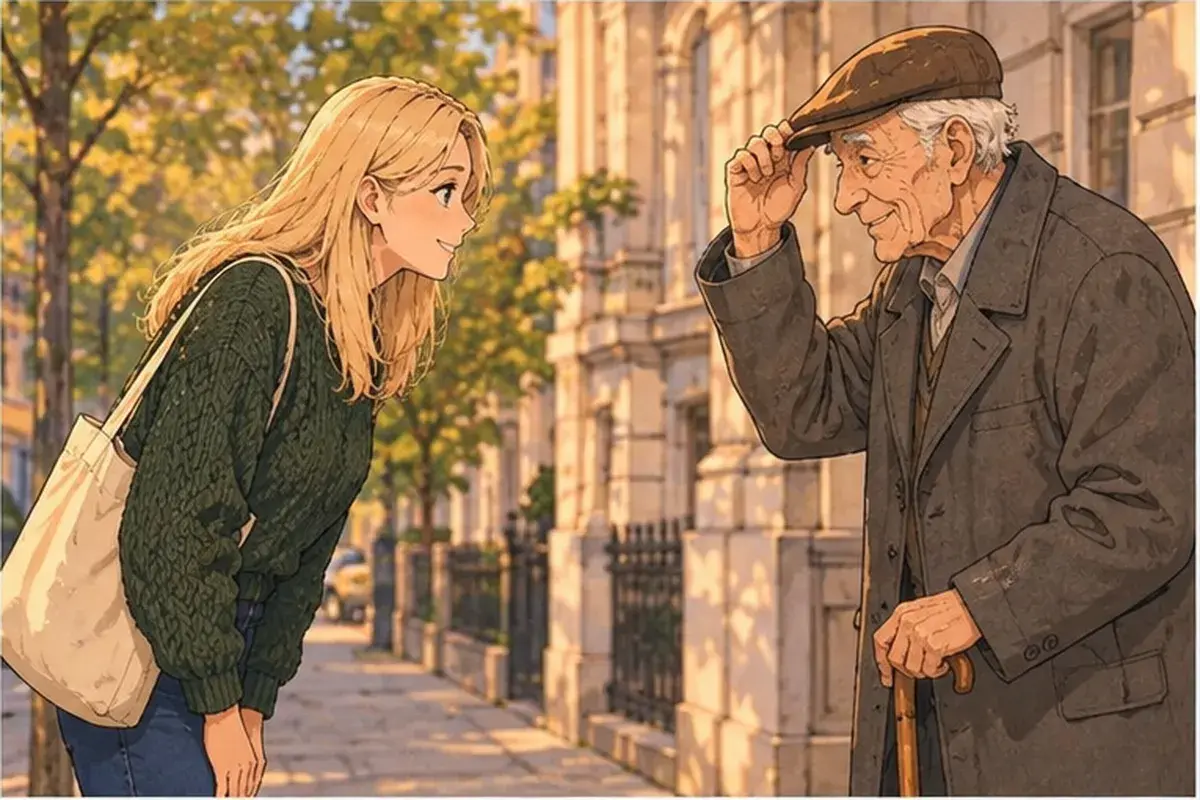
Са Радмилом сам на „ти“. Али старом човеку на улици кажем „Ви“ из поштовања.
I'm on "ti" terms with Radmila. But to an old man on the street I say "Vi" out of respect.
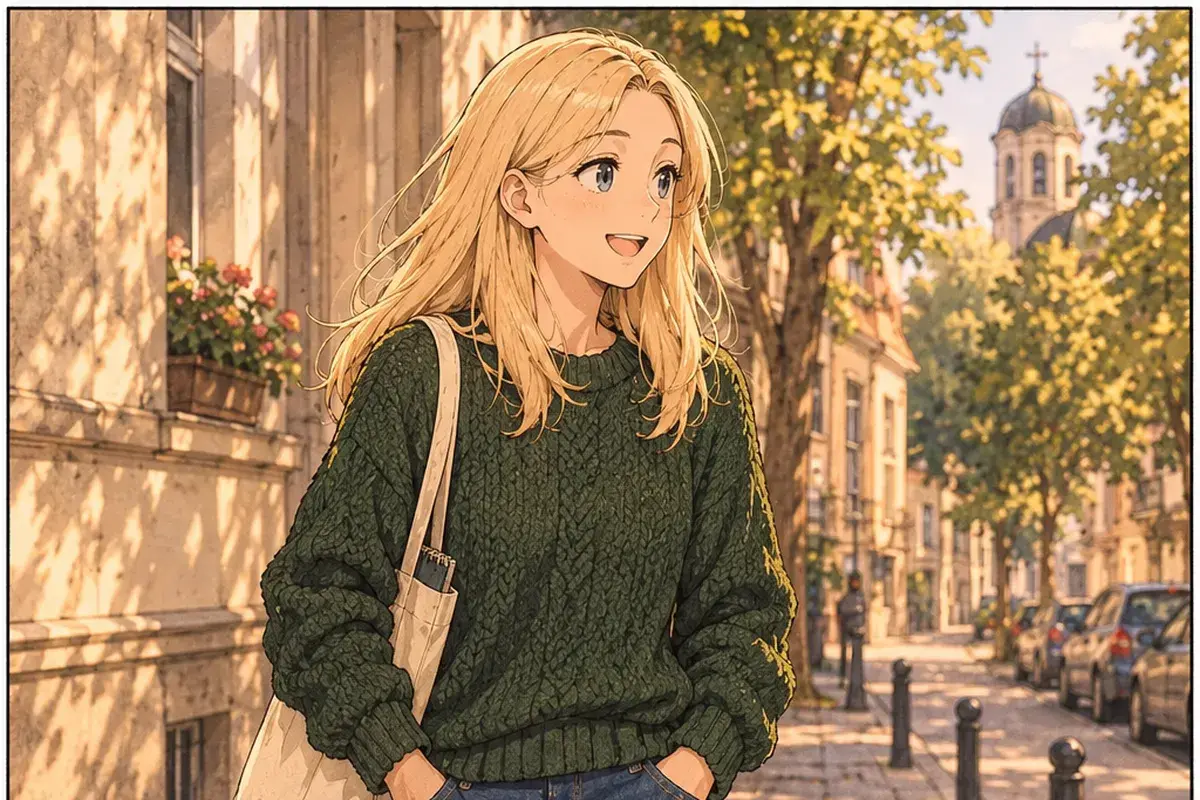
То је фин обичај и јако ми се свиђа.
It's a nice custom, and I really like it.
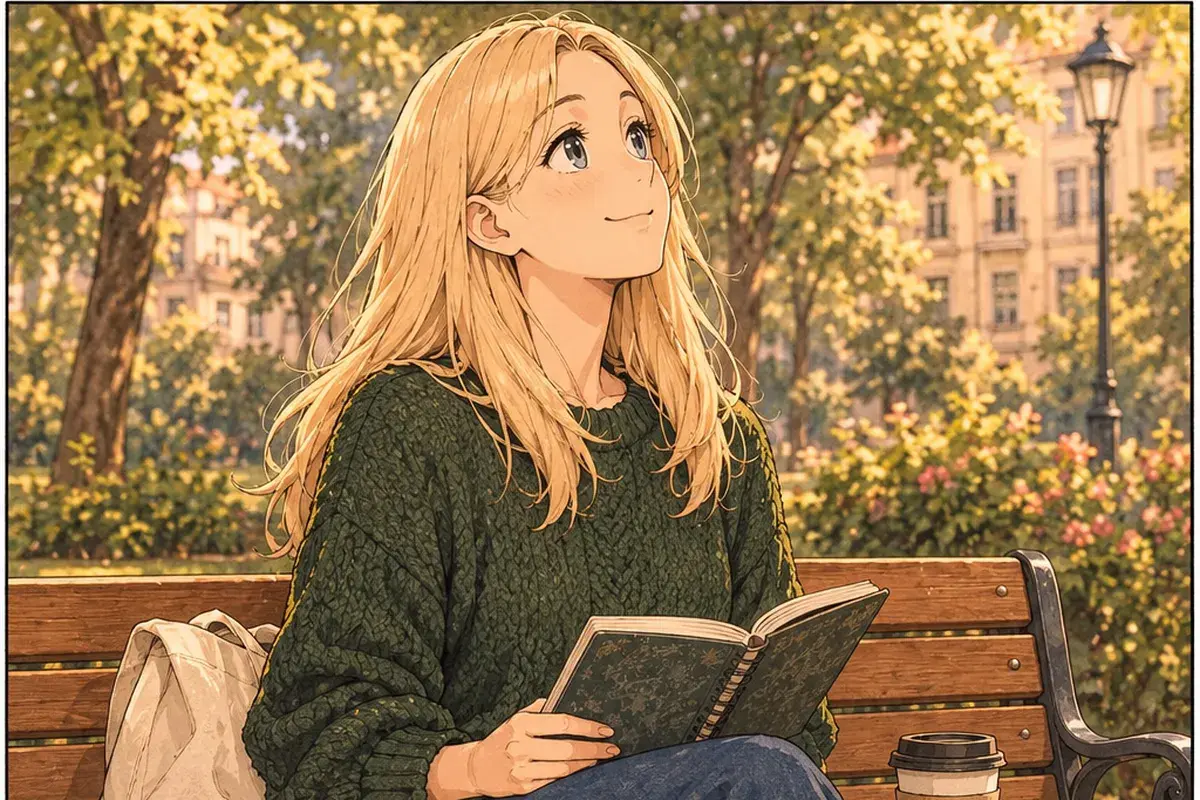
Српски није лак, али није ни тежак.
Serbian isn't easy, but it isn't hard either.
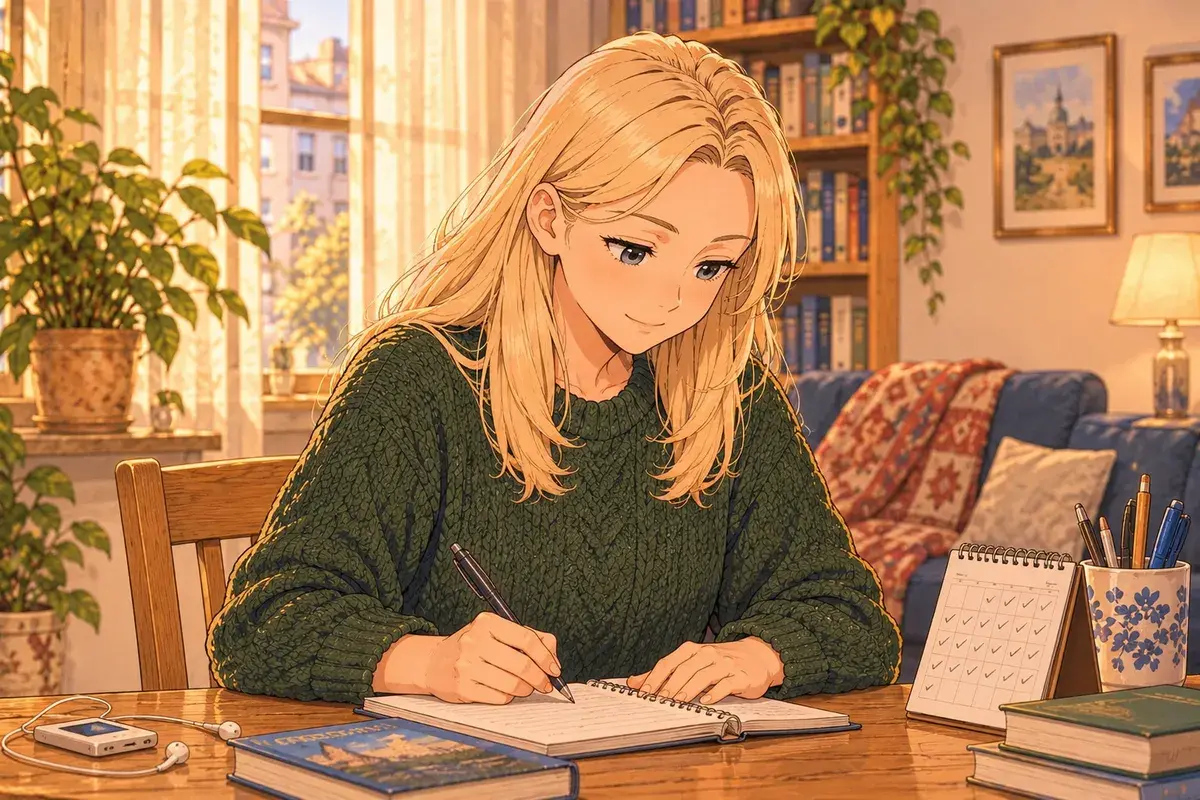
Правило је једноставно: треба да понављам, слушам и читам сваки дан.
The rule is simple: I need to review, listen and read every day.
Grammar for this text
Многи људи то мисле—многи— many, almost always plural; don't mix it up withмного(a lot of).једно слово један звук— one letter, one sound: you write a word the way you hear it.За слова је то истина, али за речи је лаж—истина— truth,лаж— a lie;лажis feminine, likeноћ.Већина речи ми је тешка јер их ретко чујем— afterвећинаcomes the genitive plural (речи), and the verb is singular:је тешка.ретко— rarely, the adverb fromредак(редак → ретка, ретко).Радмилине старе књиге— a possessive in-ин(unit 11): Radmila's books.нисам могла да се сетим њеног значења—сетити се— to remember, perfective afterда; then comes the genitive (њеног значења— its meaning).Стефан је мој учитељ—учитељ— teacher, mentor; Radmila calls herselfнаставница.речи са улице— street words.рачунала колико речи знам—рачунати— to count.више од хиљаду— more than a thousand.Она никад не лаже— a double negative (unit 9);лажеis fromлагати— to lie (г→ж).поверовати— to believe; you believe someone in the dative:јој(her).старом човеку на улици кажем „Ви“ из поштовања— to whom: the dative (старом човеку);из поштовања— out of respect. In writing, the politeВиhas a capital letter.Правило је једноставно— here it's an adjective in the neuter (правилоis neuter); the same form is the adverb "simply".
Words and grammar of the unit: Take a lesson with Radmila.
Learn the words from the texts with flashcards
In the app, you can tap any word in a text to see its translation, forms and examples, and new words stick with flashcards. 15 minutes a day.
Start for freeEverything is open for free. No card needed to sign up.