
Italian story with translation · B1 · 18 lines
Ho conosciuto il futuro: preferisco la matita I've met the future: I prefer the pencil
Comic · 18 panels

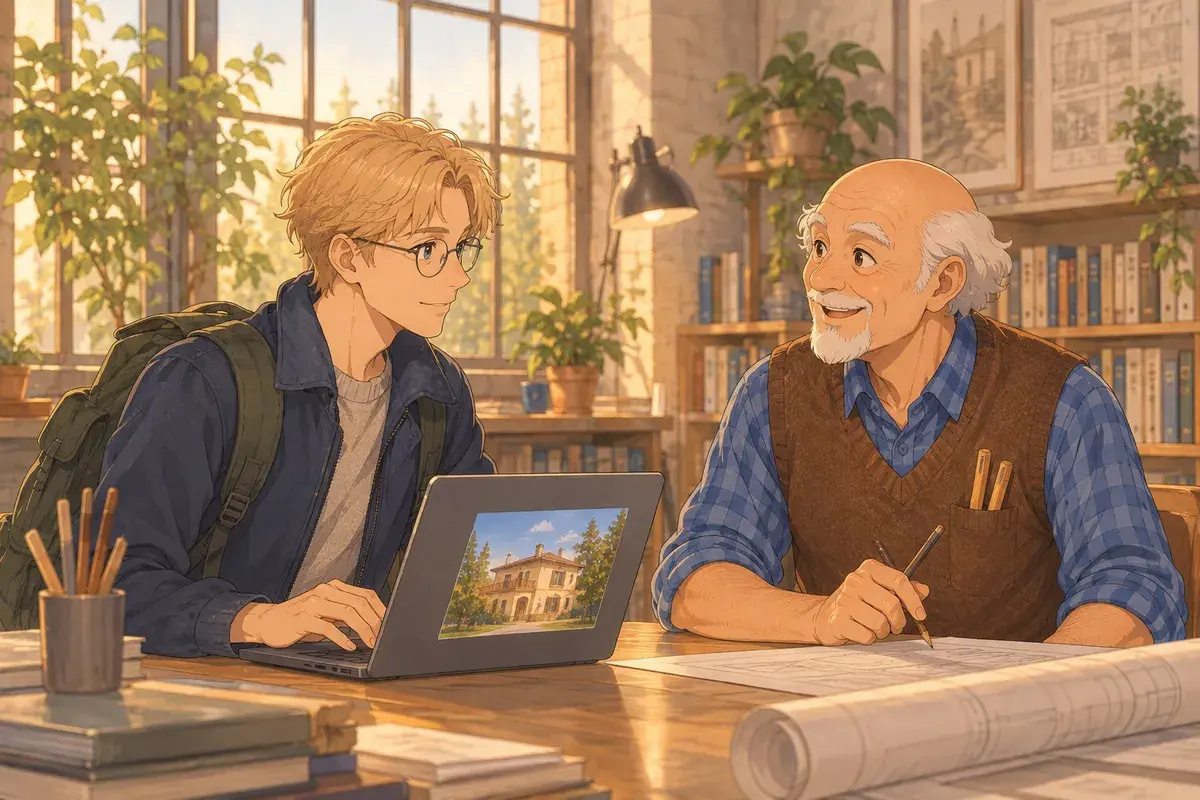
Dopo la riunione ho voluto provare la tecnologia di cui parlavano tutti. Lo sviluppo è veloce, e io ero curioso.
After the meeting I decided to try the technology everyone was talking about. The development is fast, and I was curious (man speaking).
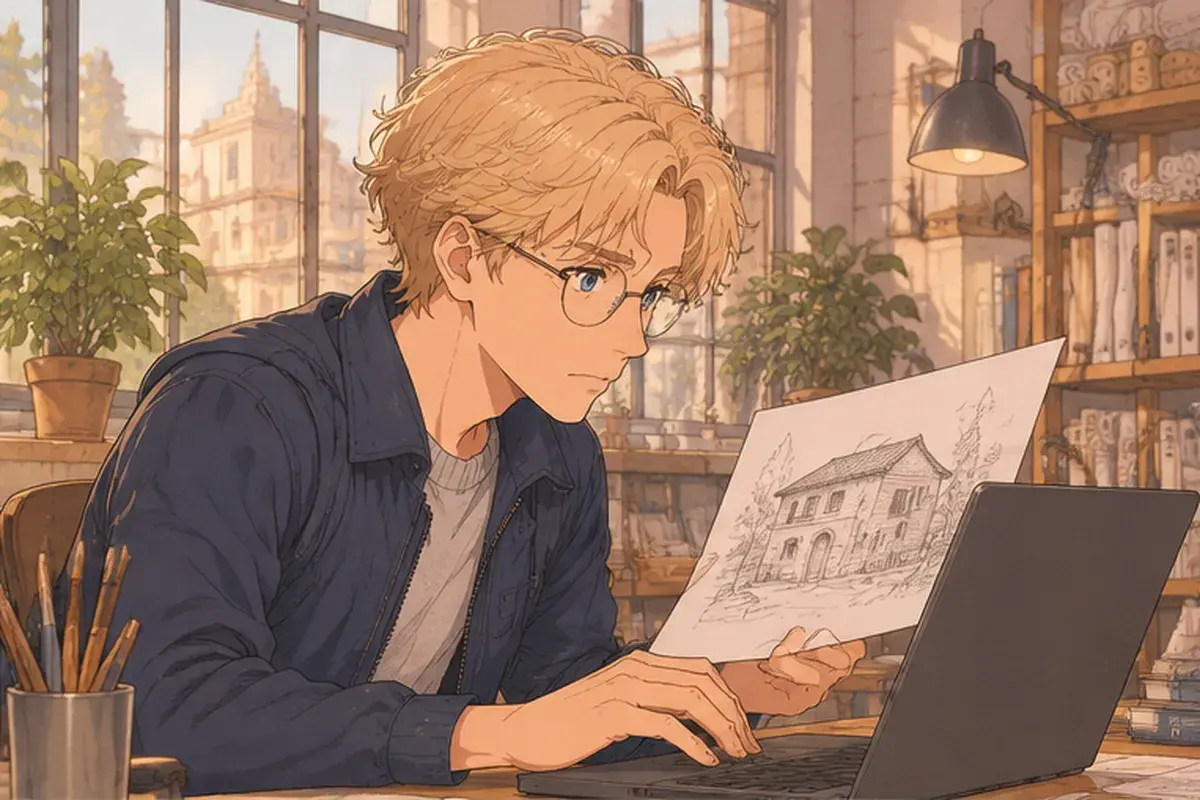
Ho dato a un software il disegno della casa di Roccalta, quello del portfolio, e ho scritto: «Restaura questa casa.»
I gave a piece of software the drawing of the house in Roccalta, the one from the portfolio, and wrote: "Restore this house."
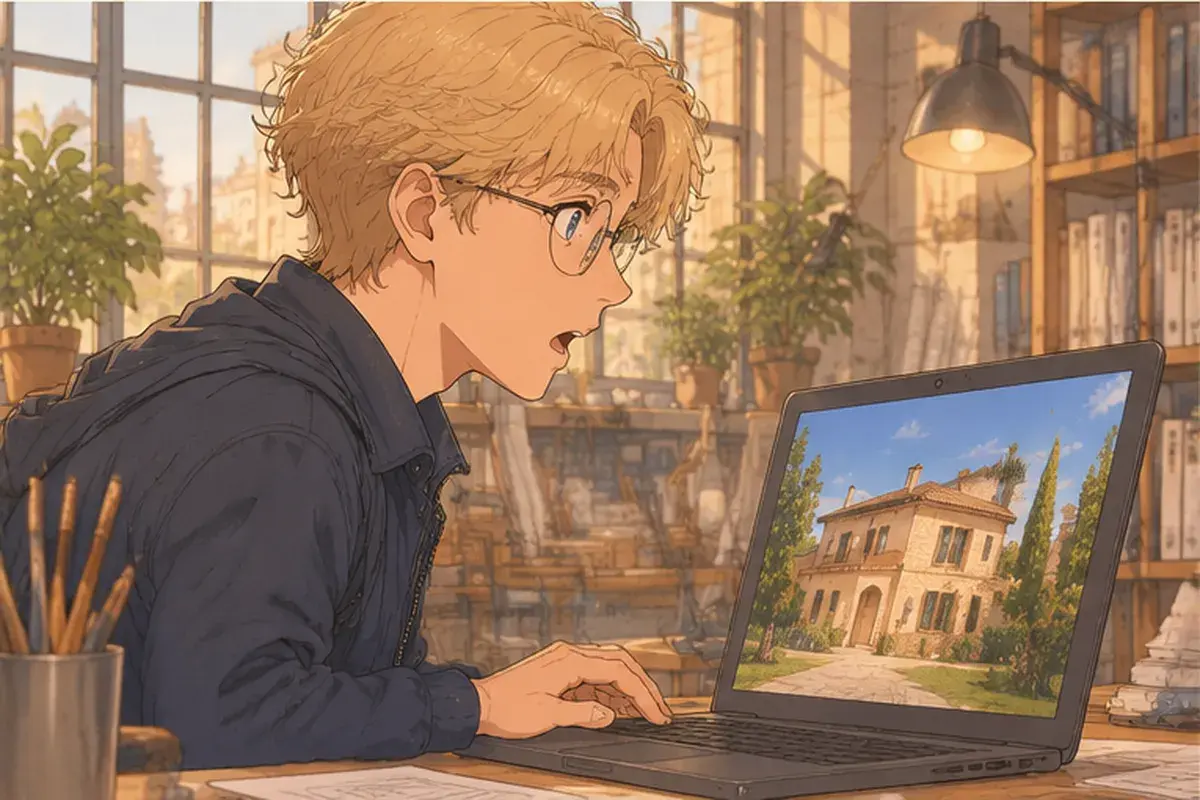
Dopo un minuto l'algoritmo ha generato un'immagine bellissima.
After a minute, the algorithm generated a really beautiful image.
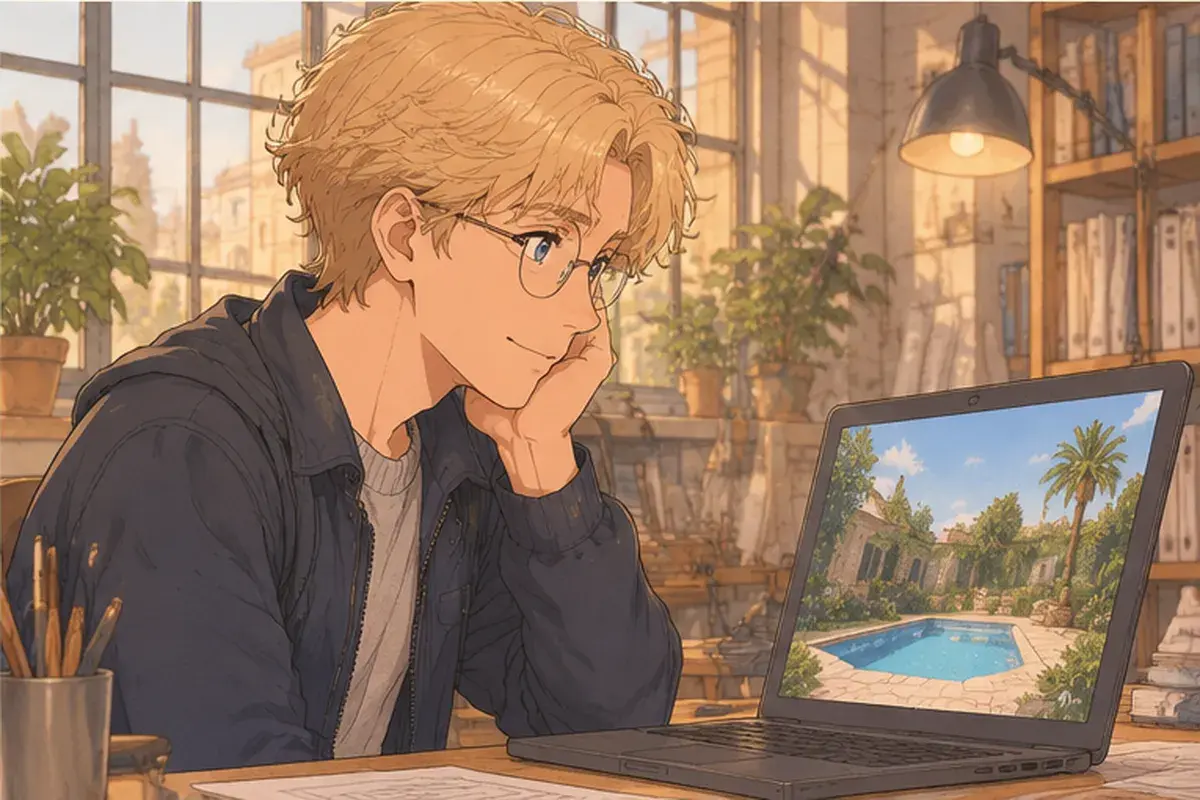
Sembrava una specie di cartolina: nel giardino c'era una piscina e, invece del limone, una palma.
It looked like a kind of postcard: in the garden there was a swimming pool and, instead of the lemon tree, a palm tree.
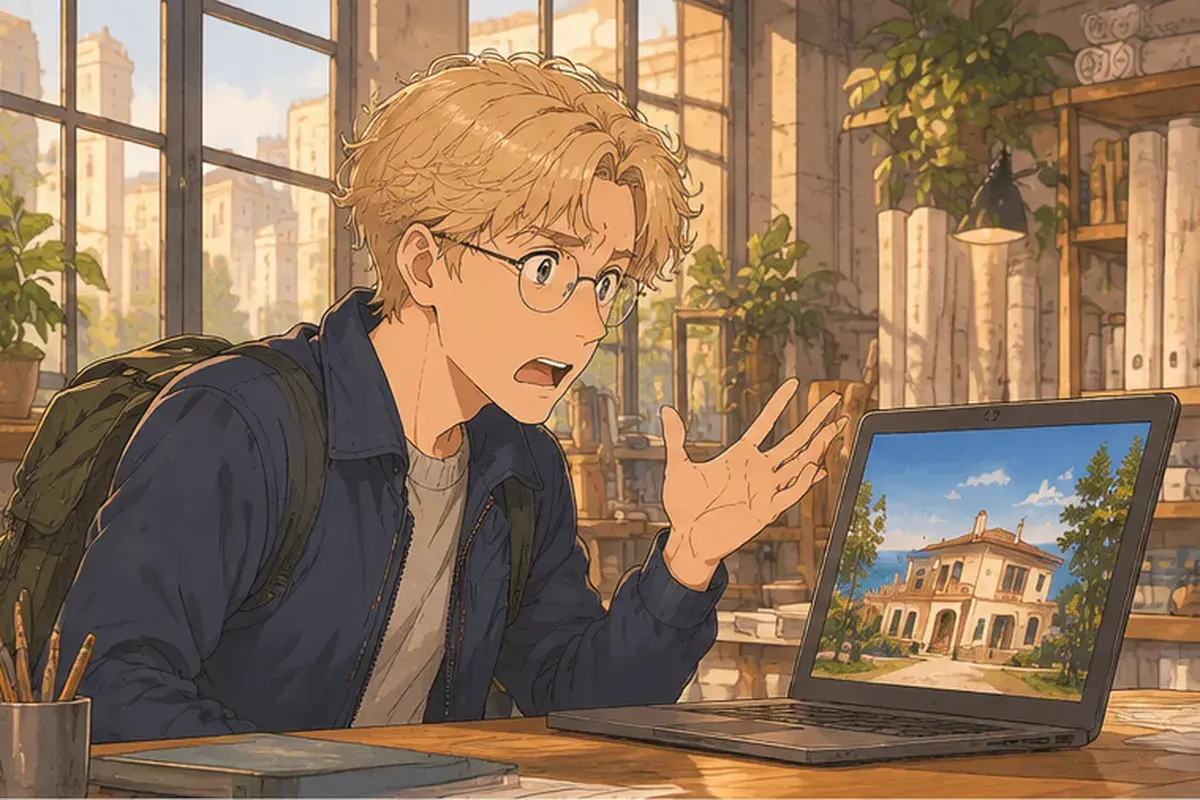
Dietro la casa c'era addirittura il mare. Che fantasia: Roccalta è in montagna!
Behind the house there was even the sea. What an imagination: Roccalta is in the mountains!
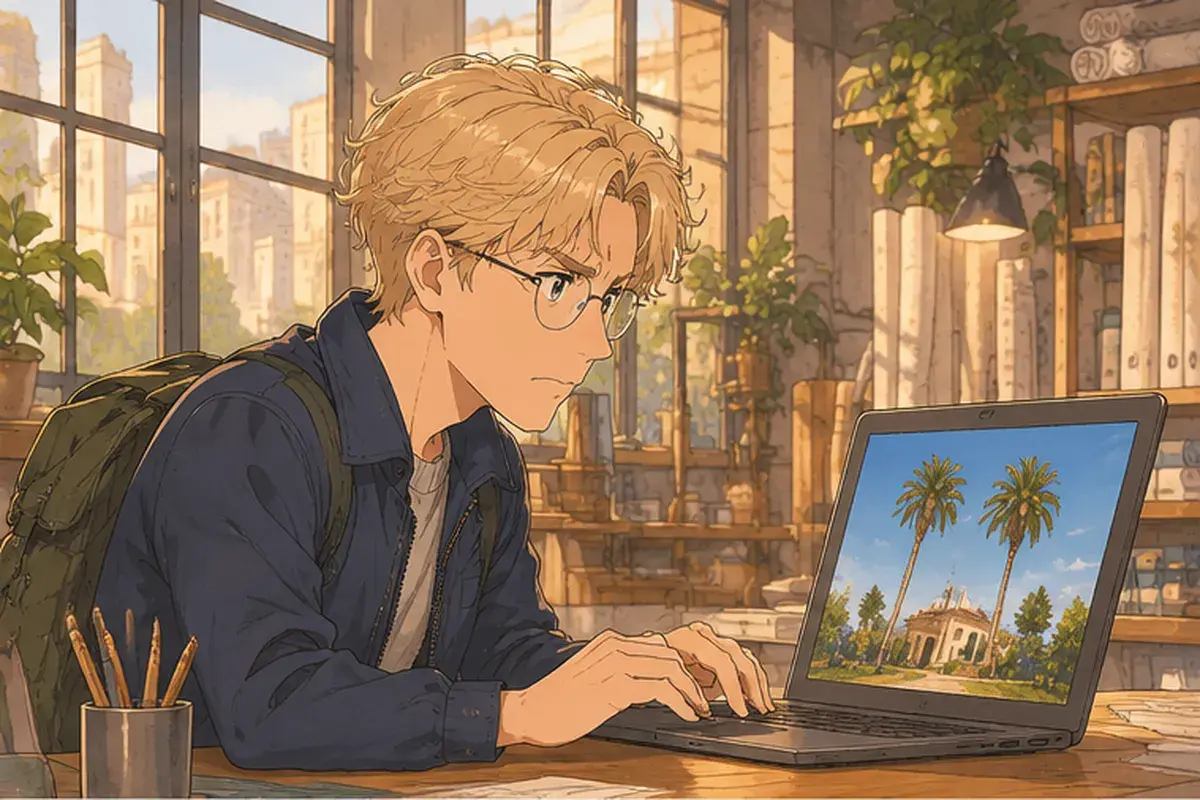
Ho scritto: «Togli la palma: voglio il limone.» Il programma si è bloccato per un attimo, poi ha aggiunto una seconda palma.
I wrote: "Remove the palm tree: I want the lemon tree." The program froze for a moment, then added a second palm tree.
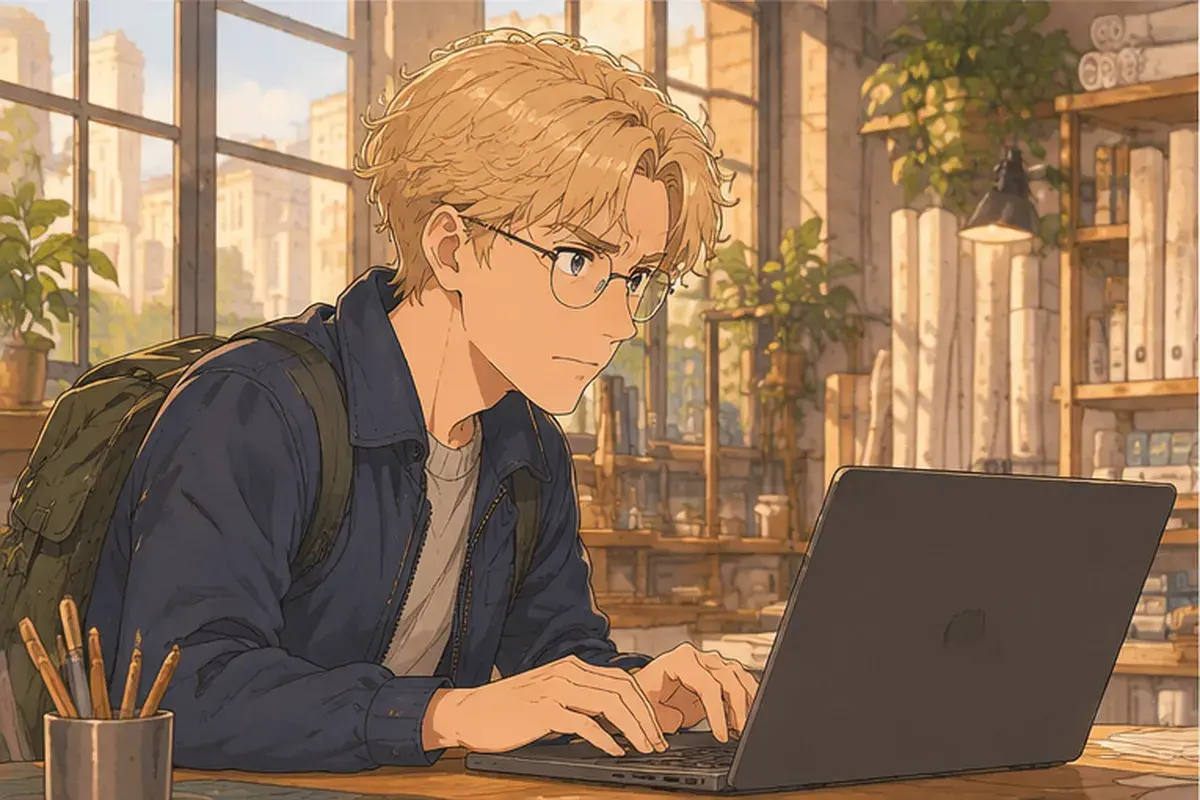
Poi ho chiesto anche la traduzione del nome del paese in inglese.
Then I also asked for the translation of the village's name into English.
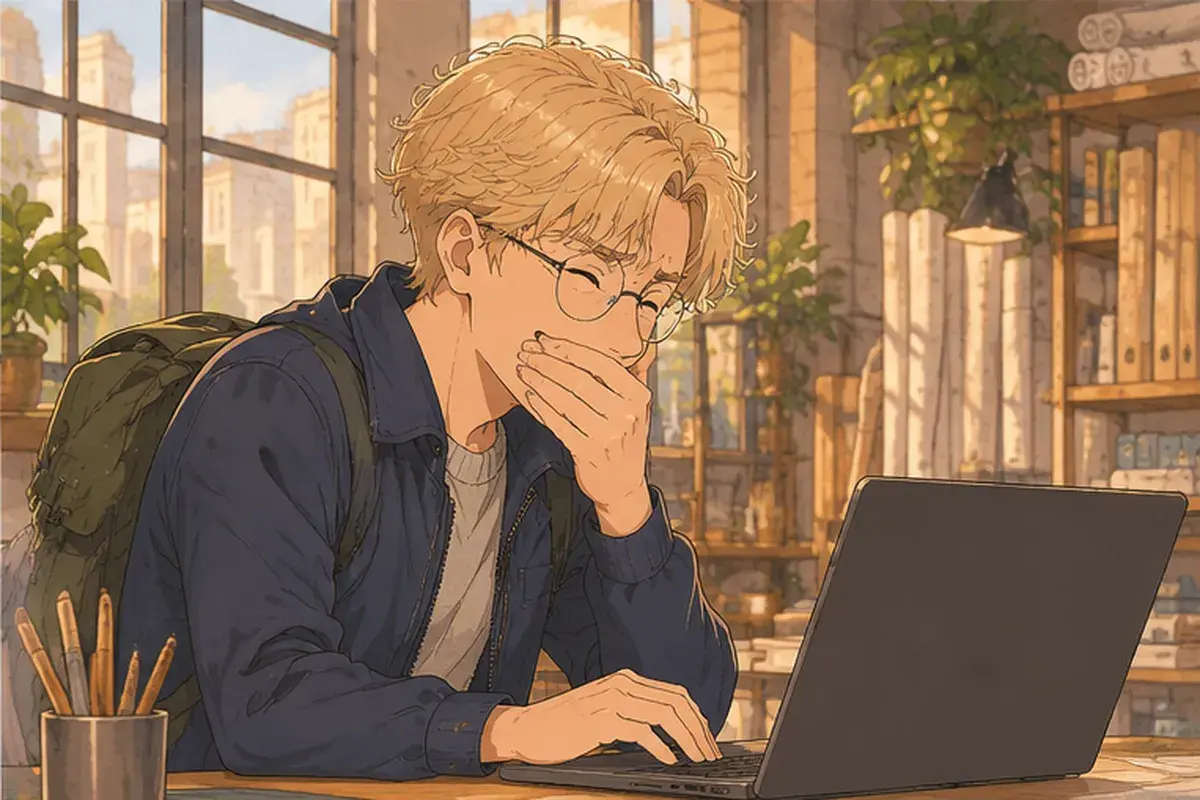
L'IA ha tradotto «Roccalta» letteralmente, parola per parola: «High Fortress».
The AI translated "Roccalta" literally, word for word: "High Fortress".
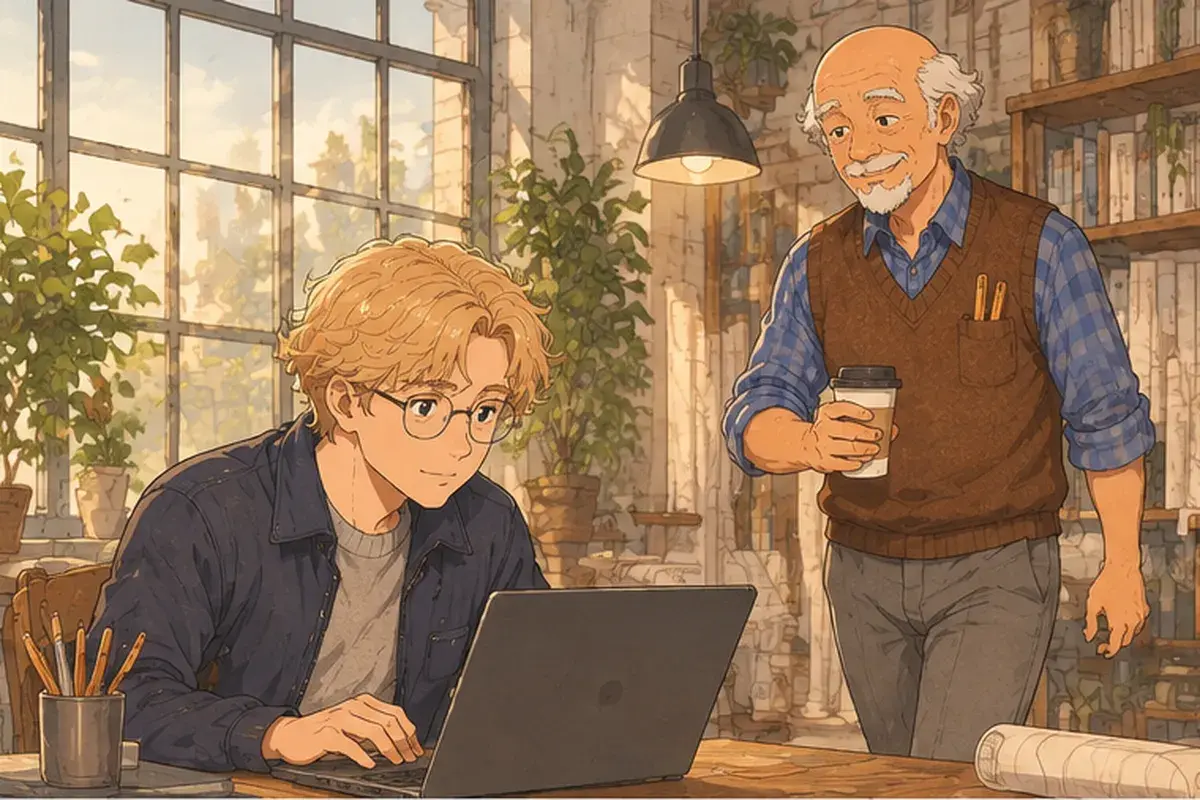
In quel momento è passato Gianni con il caffè e ha guardato lo schermo.
At that moment Gianni walked by with his coffee and looked at the screen.
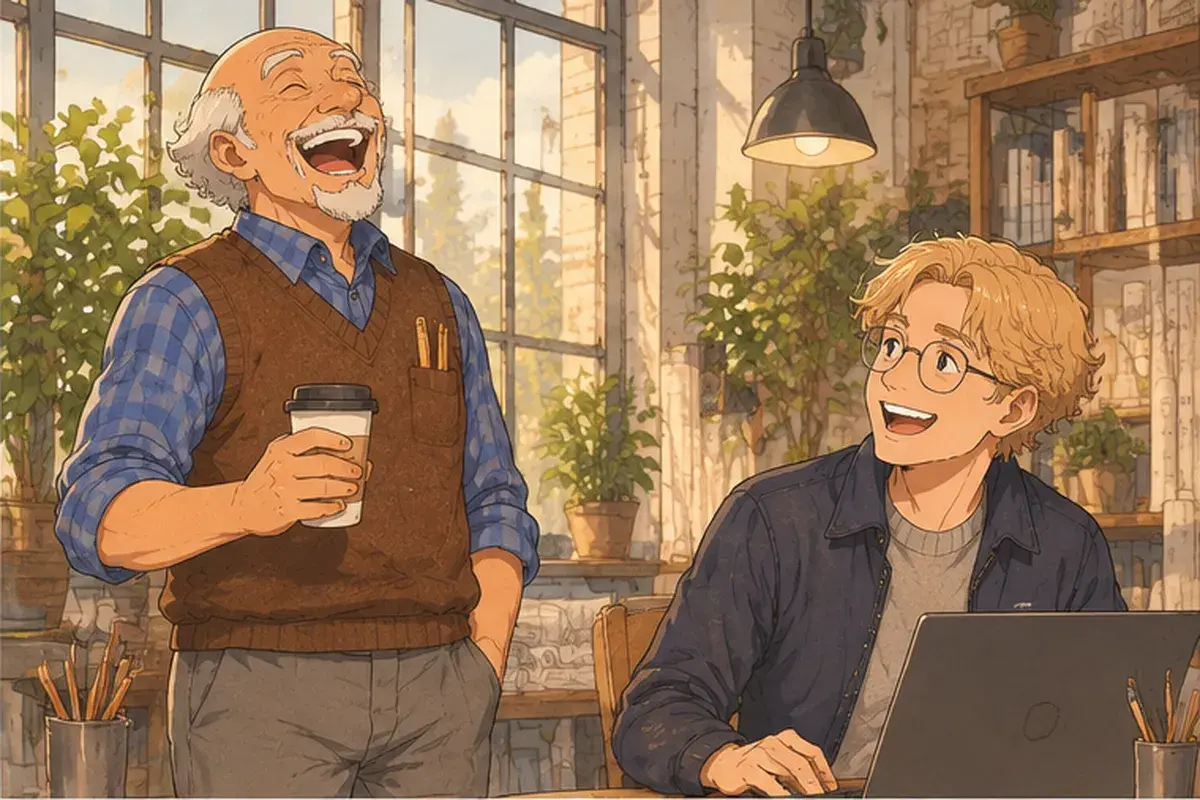
Ha riso per un minuto, poi ha detto: «Un nome non si traduce! Un dizionario, almeno, non inventa le piscine.»
He laughed for a minute, then said: "You don't translate a name! A dictionary, at least, doesn't invent swimming pools."
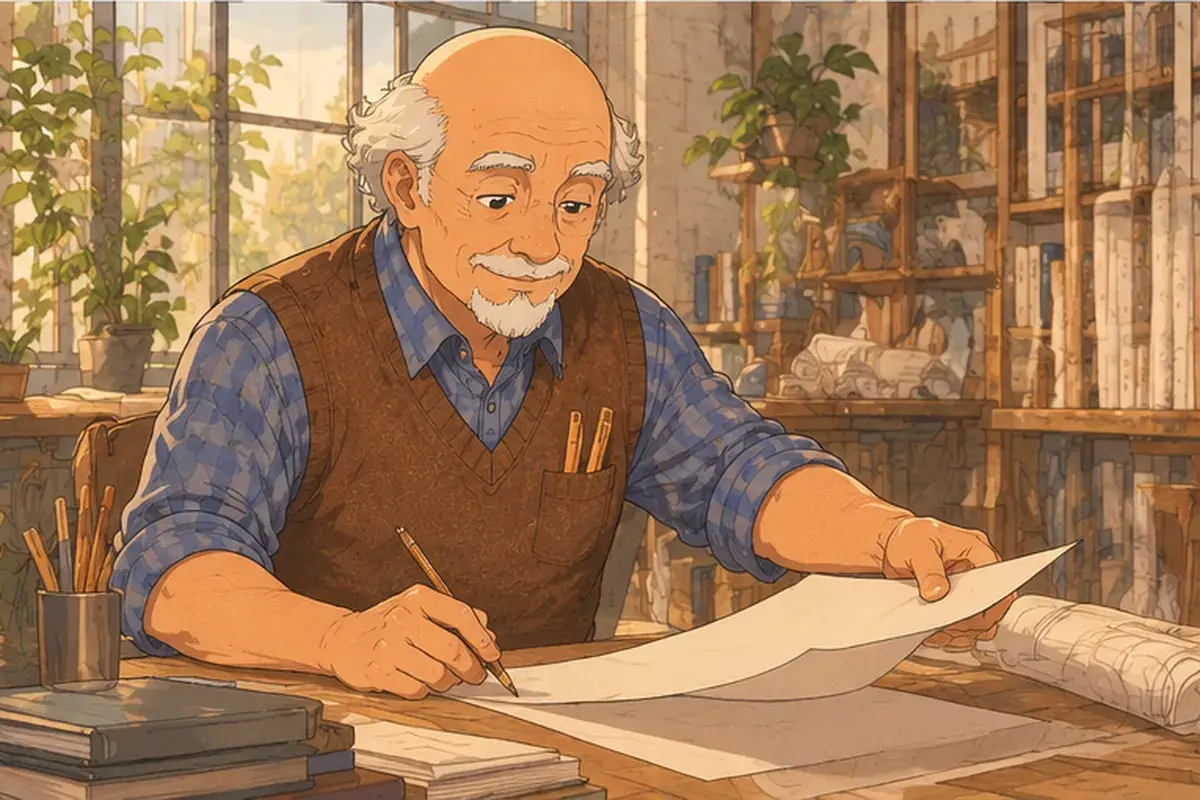
Poi si è seduto e ha preso un foglio e una matita.
Then he sat down and took a sheet of paper and a pencil.
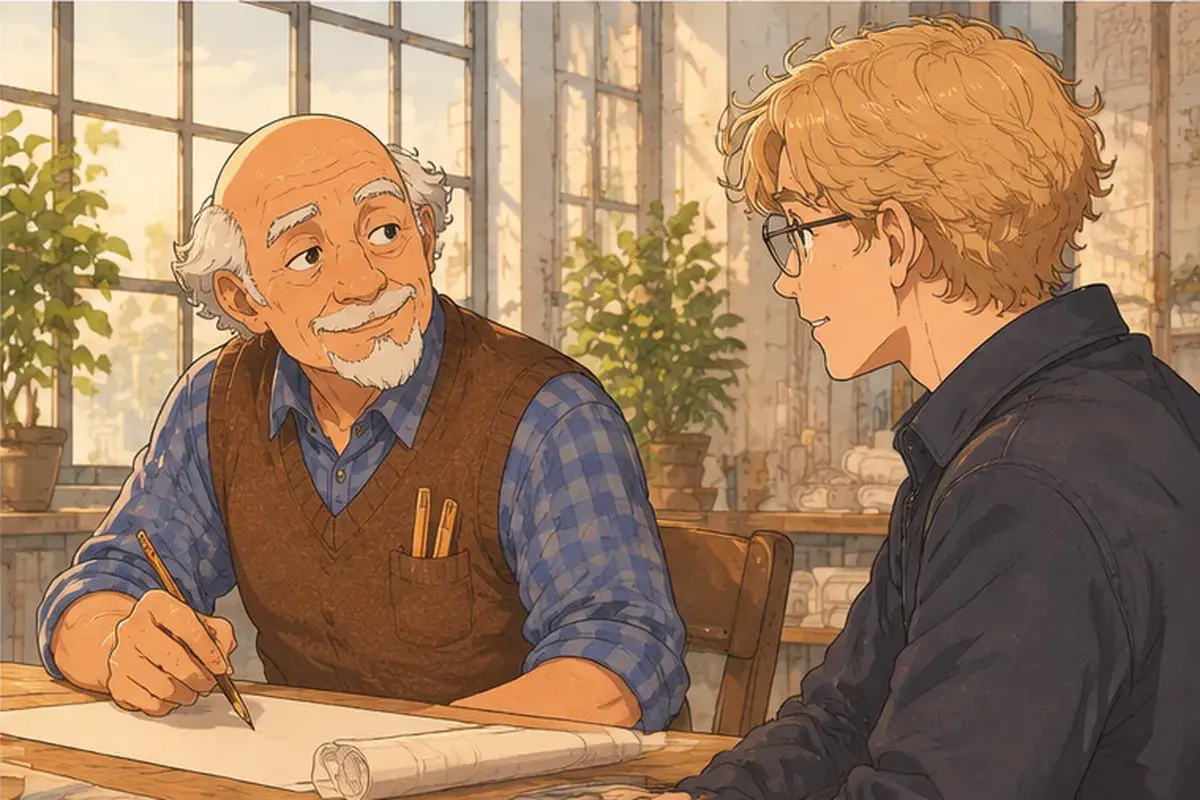
«Il progresso va bene, ma un disegno automatico non sa niente di Roccalta. Com'è la porta?»
"Progress is fine, but an automatic drawing knows nothing about Roccalta. What's the door like?"
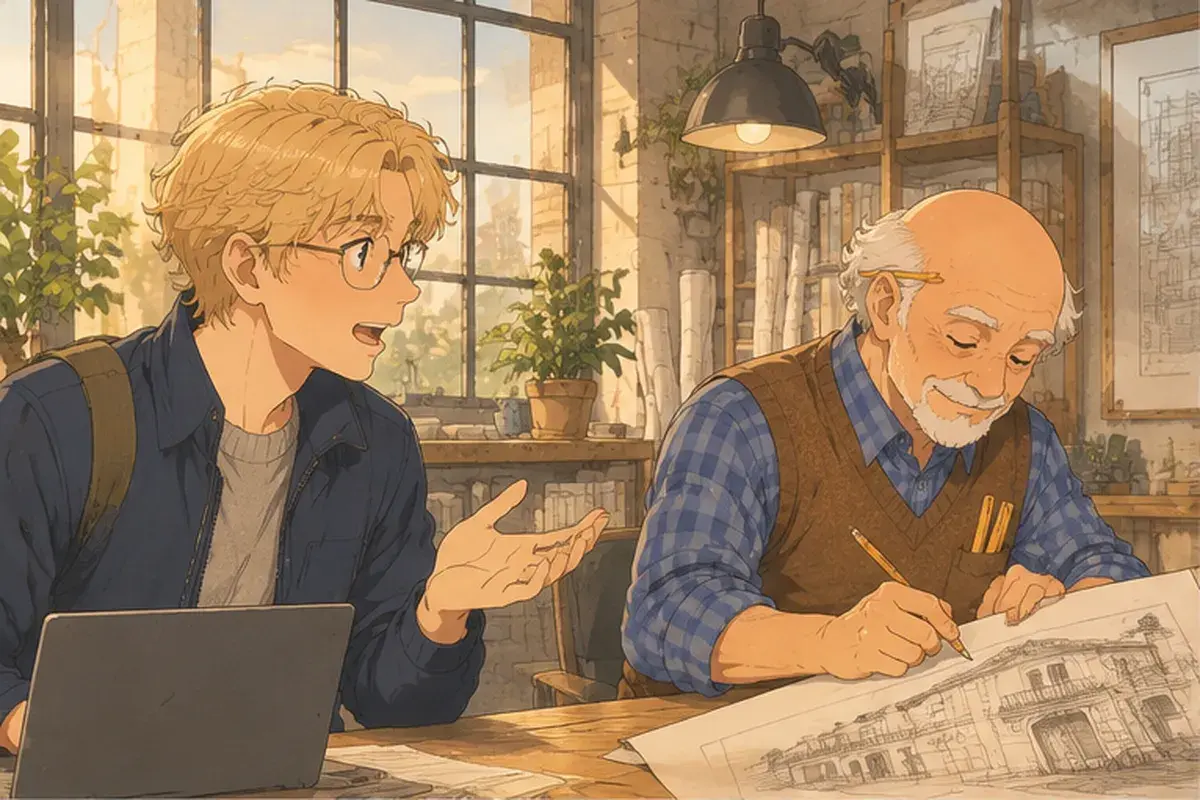
Io rispondevo e lui disegnava: la porta di legno, il balcone di ferro, il limone in giardino.
I was answering and he was drawing: the wooden door, the iron balcony, the lemon tree in the garden.
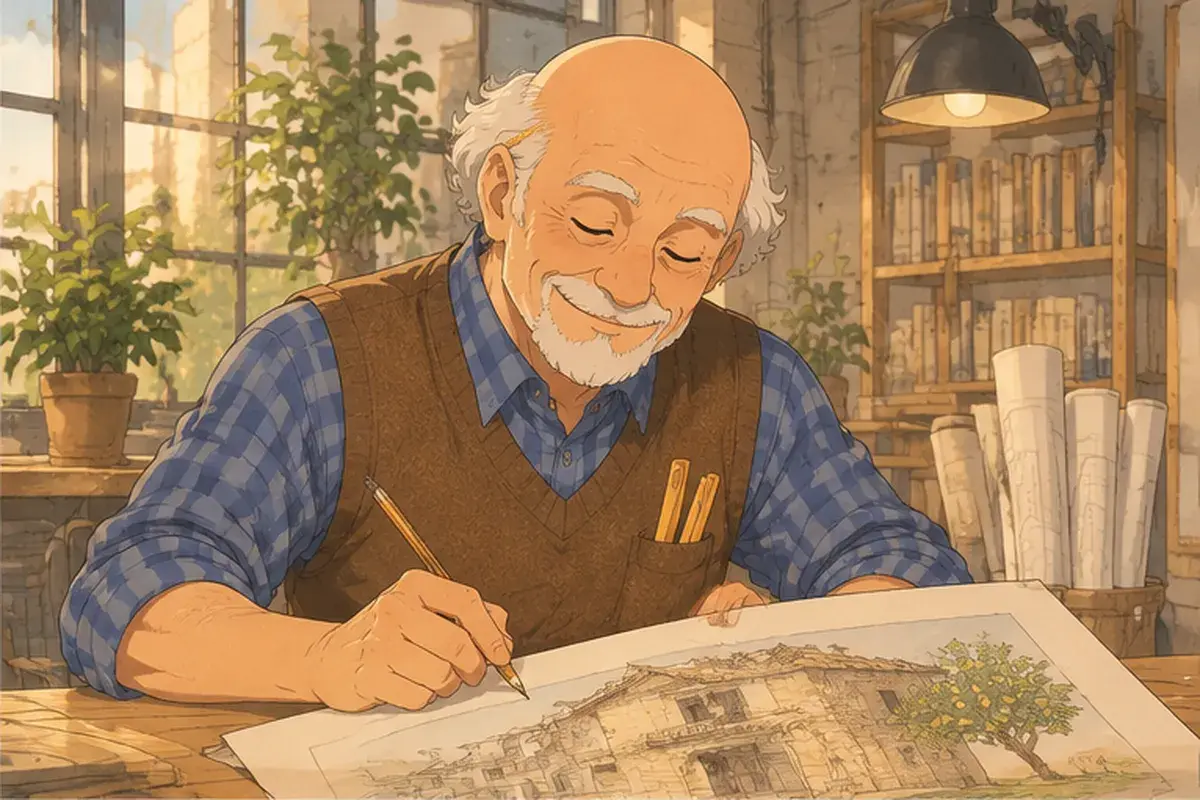
In dieci minuti la casa era sul foglio, con il tetto rotto e il limone. Non era perfetta, ma era vera.
In ten minutes the house was on paper, with the broken roof and the lemon tree. It wasn't perfect, but it was real.
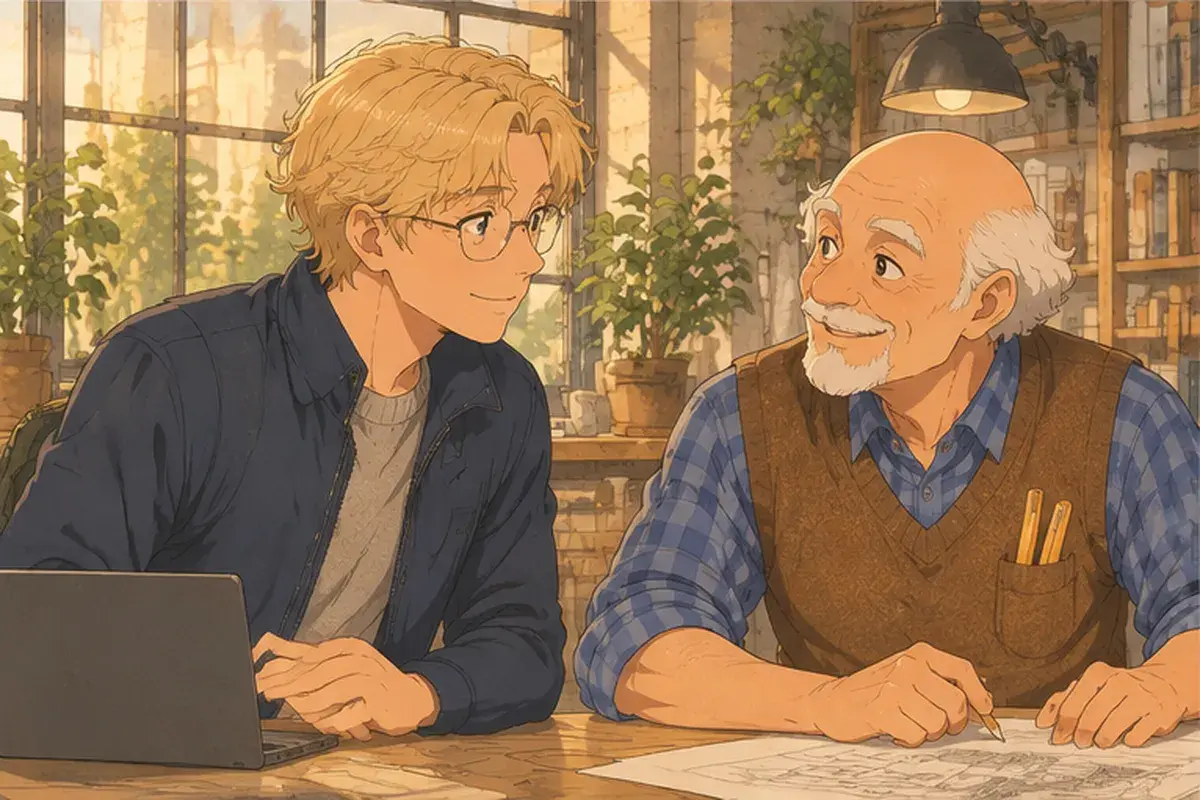
Gianni non conosceva Roccalta, ma l'ha conosciuta attraverso le mie parole.
Gianni didn't know Roccalta, but he got to know it through my words.
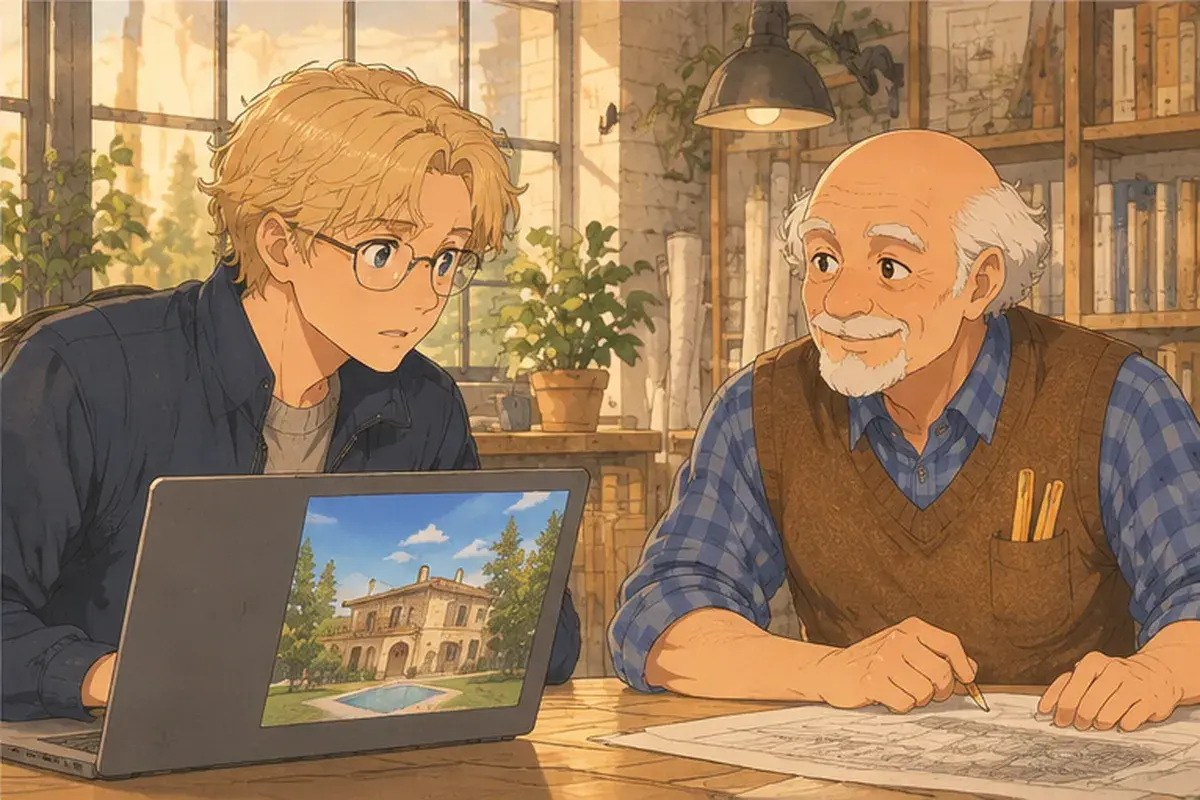
Il programma ha prodotto un'immagine perfetta, falsa e un po' inquietante. Gianni ha fatto un disegno umano.
The program produced a perfect, fake and slightly unsettling image. Gianni made a human drawing.

Suppongo di essere il primo architetto che discute con una palma.
I suppose I'm the first architect who argues with a palm tree (man speaking).
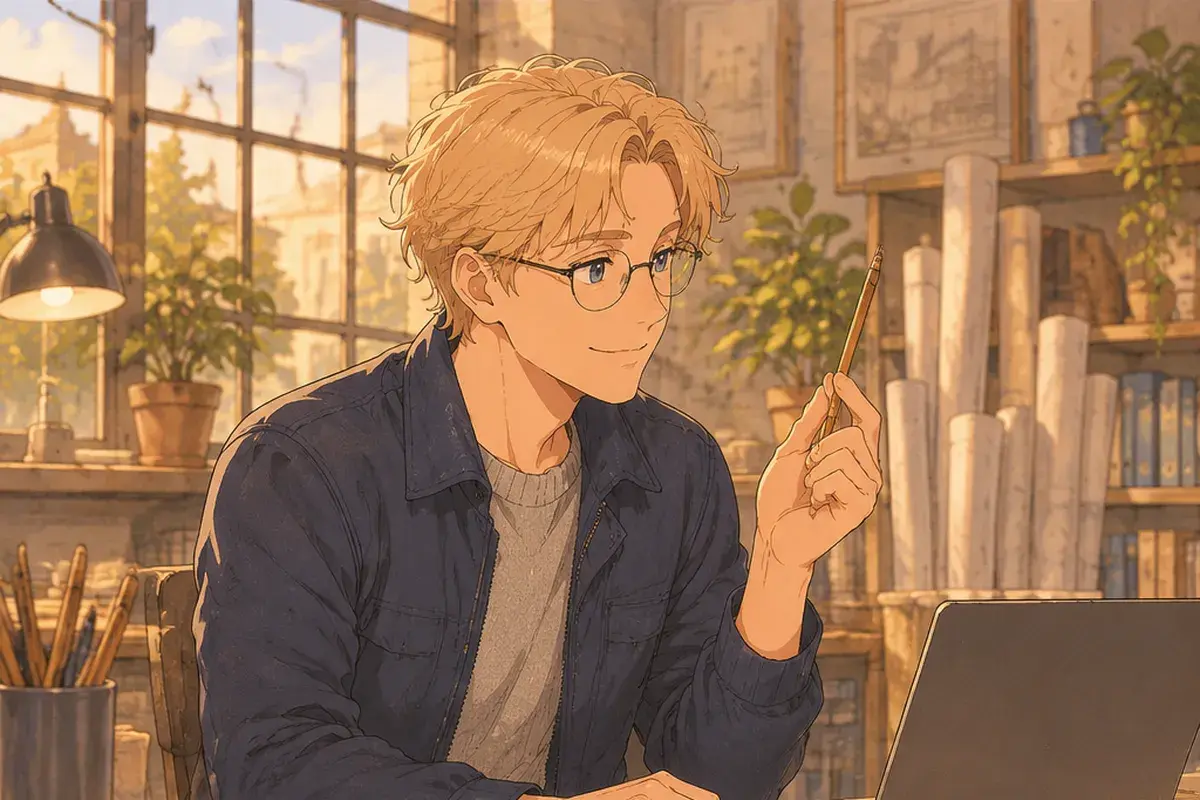
Ho conosciuto il futuro: preferisco la matita.
I've met the future: I prefer the pencil.
Grammar for this text
- Gianni non conosceva Roccalta, ma l'ha conosciuta attraverso le mie parole. — conosceva ("didn't know", imperfetto) and ha conosciuto ("got to know", passato prossimo): like sapevo / ho saputo. In l'ha conosciuta, l' means "it" (Roccalta, a town: feminine), so the past participle ends in -a (unit 4). The ending of the story: Ho conosciuto il futuro — "I've met the future".
- Dopo la riunione ho voluto provare la tecnologia di cui parlavano tutti. — ho voluto provare — "I decided to try"; di cui — "that … about" (cui after a preposition, unit 11).
- Restaura questa casa. and Togli la palma — commands to the program, using tu: restaura from restaurare, togli from togliere.
- Il programma si è bloccato per un attimo — bloccarsi: "to freeze"; reflexive verbs take essere.
- L'IA ha tradotto «Roccalta» letteralmente… — tradotto is the past participle of tradurre (see this unit's grammar). Roccalta is rocca alta, "high fortress"; the English words in quotes in the story are the AI's word-for-word translation of the name. Un nome non si traduce! — impersonal si: "you don't translate a name".
- Sembrava una specie di cartolina — una specie di — "a kind of"; specie is always feminine.
- Suppongo di essere… — suppongo — "I suppose", from supporre (like propongo, block 2). di essere — no che, because it's the same person (unit 8).
Words and grammar of the unit: Talk about AI at work.
Learn the words from the texts with flashcards
In the app, you can tap any word in a text to see its translation, forms and examples, and new words stick with flashcards. 15 minutes a day.
Start for freeEverything is open for free. No card needed to sign up.