

Spanish story with translation · B2 · 18 lines
Si mi día durara treinta horas If my day lasted thirty hours
Comic · 18 panels

Los lunes siempre pienso lo mismo: no me da tiempo a nada.
On Mondays I always think the same thing: I don't have time for anything.

Trabajo, hago la compra, cocino, contesto mensajes… y de repente ya es de noche.
I work, do the grocery shopping, cook, answer messages… and suddenly it's already night.

Ayer, en el autobús, me puse a soñar despierta: ¿y si mi día durara treinta horas?
Yesterday, on the bus, I started daydreaming: what if my day lasted thirty hours? (woman speaking)
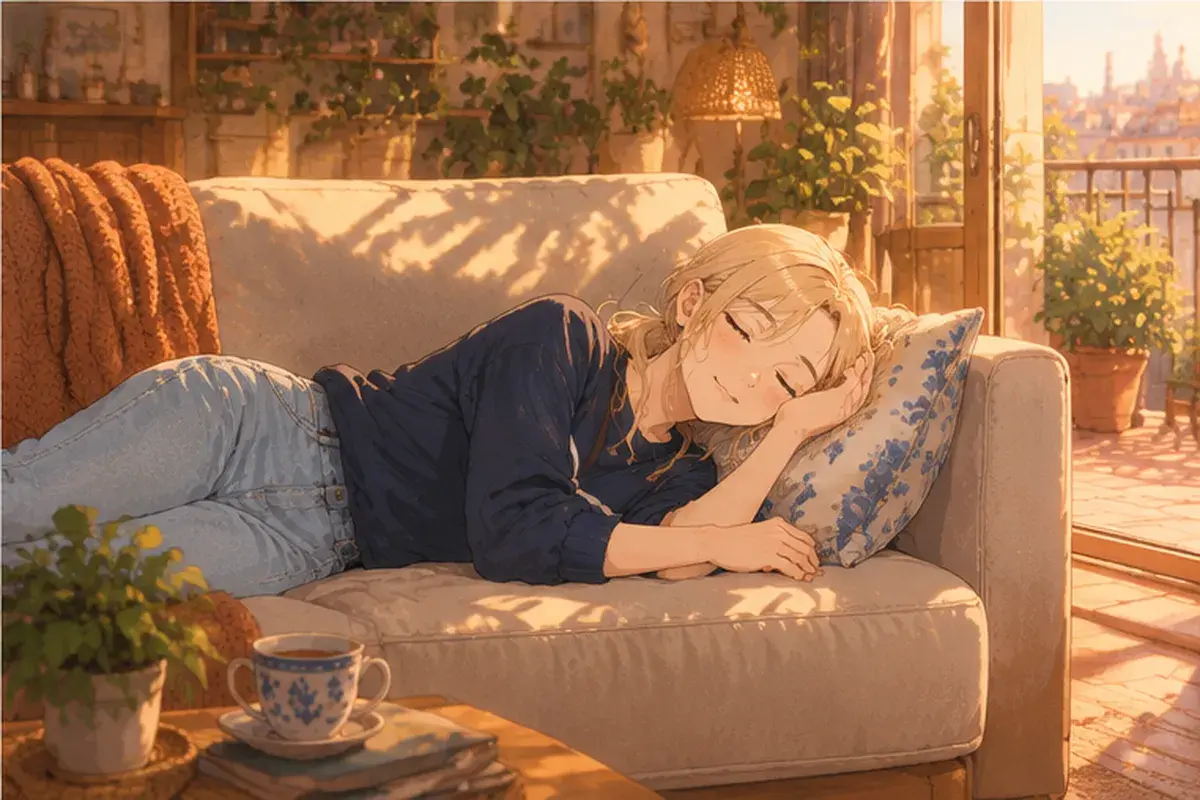
Si tuviera seis horas más, dormiría la siesta todos los días y no me sentiría culpable.
If I had six more hours, I'd take a siesta every day and I wouldn't feel guilty.

Dedicaría dos horas al ocio de verdad: un libro en la terraza, con Coco al lado y el móvil apagado.
I'd spend two hours on real leisure: a book on the terrace, with Coco next to me and my phone off.

Recuperaría una vieja afición. De pequeña quería ser científica y leía todo lo que encontraba sobre ciencia.
I'd take up an old hobby again. As a girl I wanted to be a scientist, and I read everything I could find about science.

Si no llegara tan cansada a casa, volvería a leer esos libros y hasta me apuntaría a un curso.
If I didn't get home so tired, I'd start reading those books again and I'd even sign up for a class (woman speaking).

Y si me quedara una hora libre, no haría nada: miraría por la ventana y dejaría volar la imaginación.
And if I had a free hour left, I wouldn't do anything: I'd look out the window and let my imagination run wild.

Sería una existencia tranquila, casi perfecta.
It would be a quiet, almost perfect life.

Pero luego lo pensé mejor.
But then I thought it over.

Si mi día tuviera treinta horas, en la oficina también lo sabrían.
If my day had thirty hours, they'd know about it at the office too.
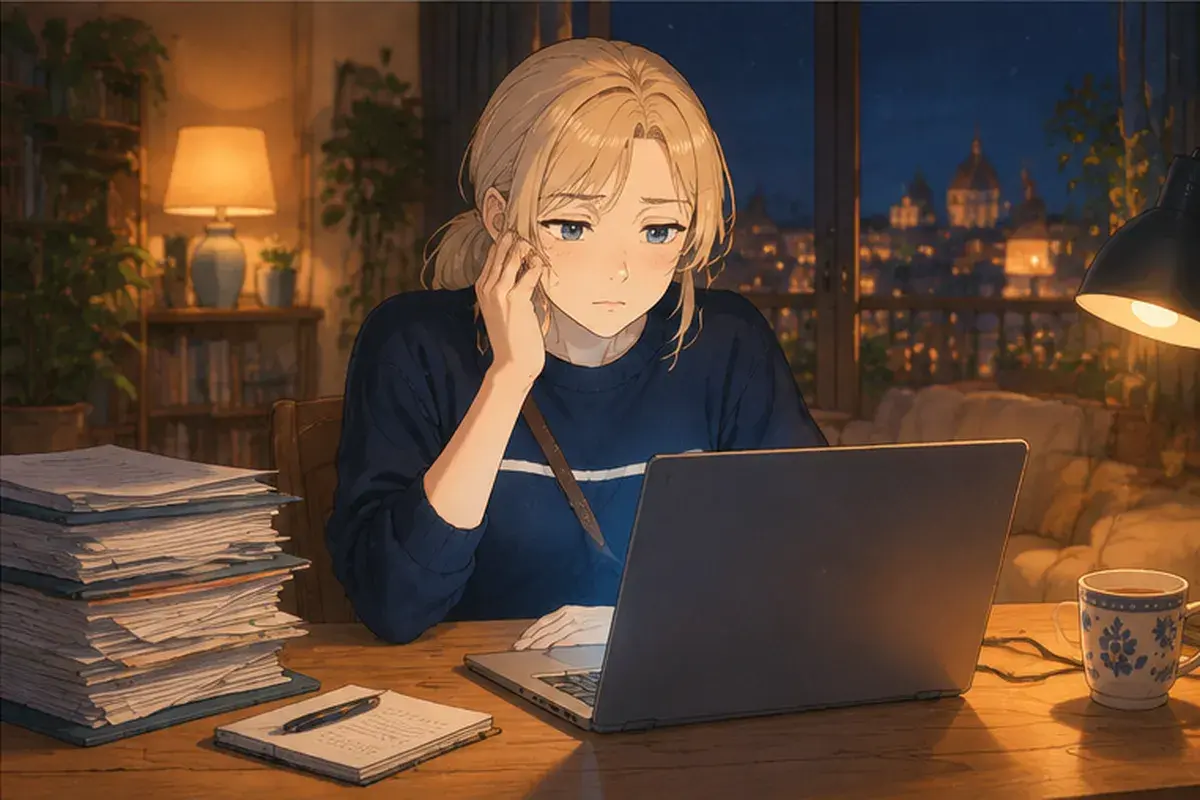
Alguien me pediría un informe más, yo diría que sí, y a las once de la noche seguiría contestando correos.
Someone would ask me for one more report, I'd say yes, and at eleven at night I'd still be answering emails.
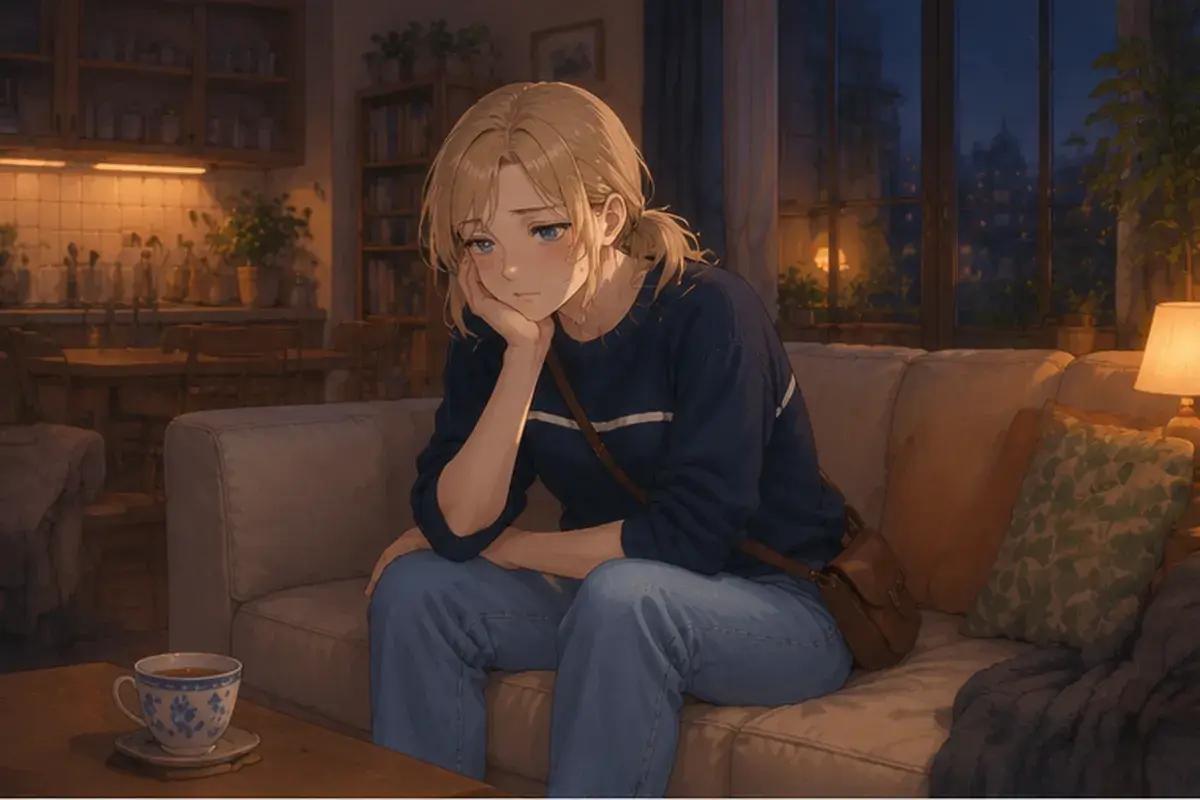
Estaría igual de cansada, solo que seis horas más tarde.
I'd be just as tired, only six hours later (woman speaking).
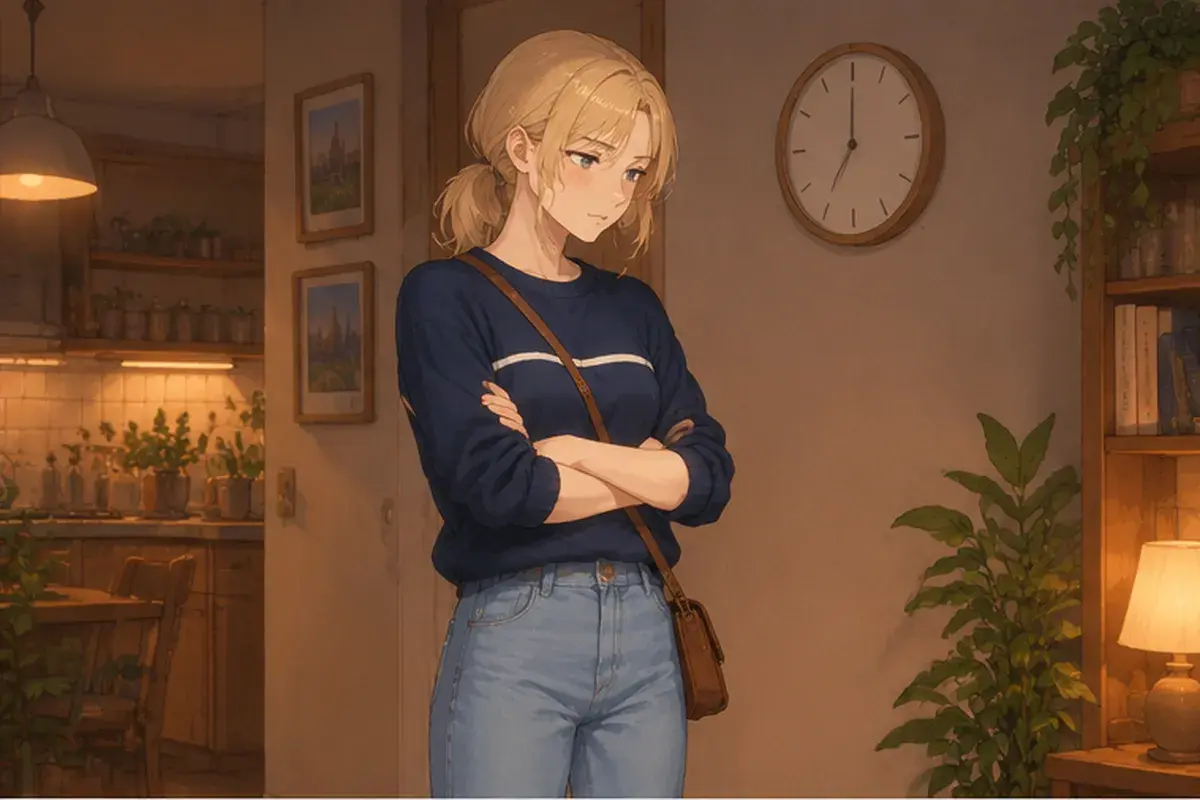
El problema no es el reloj. El problema es que no sé decir que no.
The problem isn't the clock. The problem is that I don't know how to say no.

Así que hoy he decidido ponerme las pilas: a las ocho he apagado el móvil y me he sentado en la terraza.
So today I decided to get my act together: at eight I turned off my phone and sat down on the terrace.
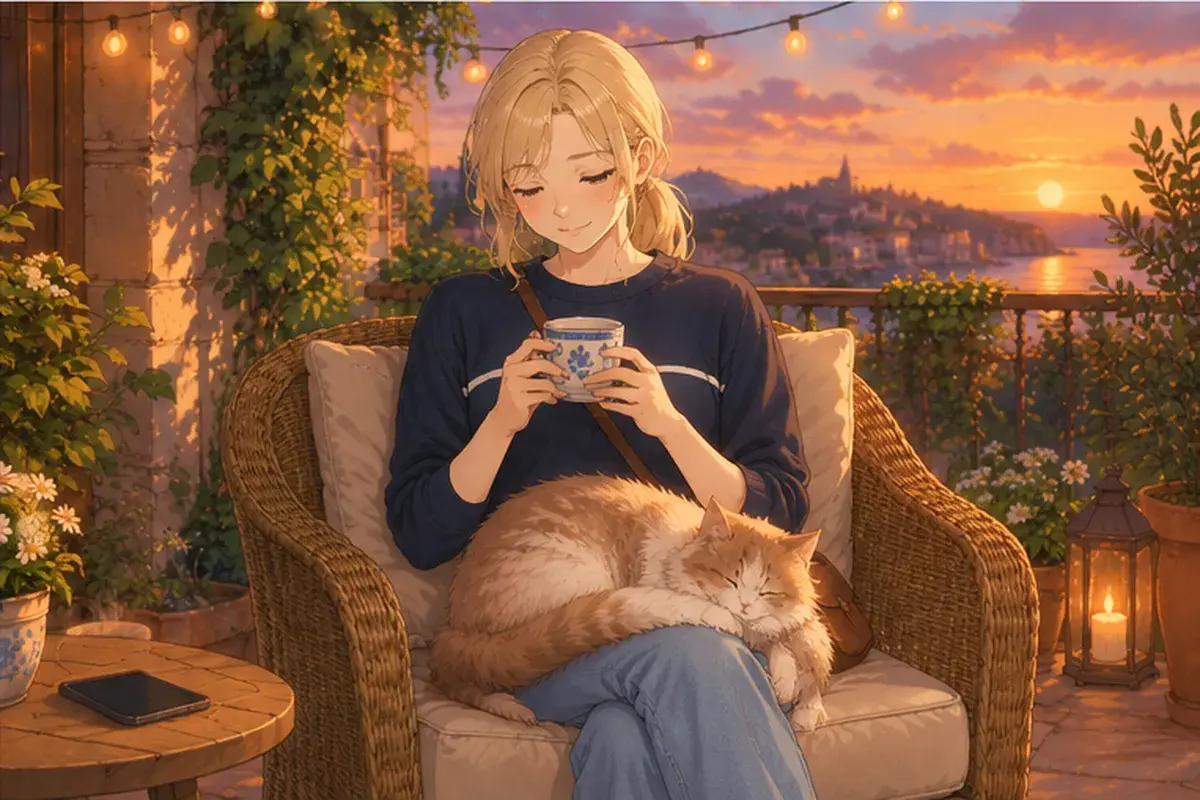
Media hora, un té y Coco dormido encima de mis piernas. No ha pasado nada grave.
Half an hour, a cup of tea and Coco asleep on my lap. Nothing terrible happened.

Si lo hiciera cada día, a lo mejor no necesitaría treinta horas.
If I did it every day, maybe I wouldn't need thirty hours.

Me bastaría con aprovechar bien las horas que ya tengo.
It would be enough for me to make good use of the hours I already have.
Grammar for this text
"If" about yourself. The whole story is one daydream, so after si come the -ra forms, and then the conditional: si mi día durara treinta horas; si tuviera seis horas más, dormiría la siesta; si no llegara tan cansada a casa, volvería a leer. Once the condition has been said, it isn't repeated — what follows is just "would" forms: dedicaría, recuperaría, sería. English does the same: after one "if", the story goes on with "I'd…".
No me da tiempo a nada — "I don't have time for anything". The person who has no time goes in me; the phrase itself is always da tiempo.
Seguiría contestando — "I'd still be answering": seguir + gerund (B1).
A lo mejor — "maybe". It doesn't take the subjunctive; here it's followed by the conditional because the sentence goes on with the daydream: a lo mejor no necesitaría — "maybe I wouldn't need".
Me bastaría con + verb — "it would be enough for me to…": me bastaría con aprovechar bien las horas — "it would be enough to make good use of the hours".
Ponerse las pilas — colloquial for "to get your act together".
Words and grammar of the unit: Dream about winning the lottery.
Learn the words from the texts with flashcards
In the app, you can tap any word in a text to see its translation, forms and examples, and new words stick with flashcards. 15 minutes a day.
Start for freeEverything is open for free. No card needed to sign up.