

Spanish story with translation · B1 · 17 lines
El último episodio The last episode
Comic · 17 panels

Lucía, anoche pusieron el último episodio de «La detective Vega» y tú no lo viste. Te lo resumo, ¿vale?
Lucía, last night they showed the last episode of "La detective Vega" and you didn't see it. I'll sum it up for you, OK?

¿Recuerdas? En el episodio de la semana pasada alguien había robado medio millón de euros a un director de banco.
Remember? In last week's episode, someone had stolen half a million euros from a bank manager.

La policía detuvo al hijo de la víctima: era el principal sospechoso, porque debía mucho dinero.
The police arrested the victim's son: he was the main suspect, because he owed a lot of money.

Él afirmó que era inocente. Dijo que la noche del robo estaba en casa de su novia y que no había salido.
He claimed he was innocent. He said that on the night of the robbery he was at his girlfriend's place and that he hadn't gone out.

La detective le preguntó a la novia si era verdad. Ella contestó que sí, que habían cenado juntos.
The detective asked the girlfriend if it was true. She answered yes, that they had had dinner together.

Luego apareció un testigo. Dijo que esa noche había visto a un hombre con un arma cerca del banco.
Then a witness showed up. He said that he had seen a man with a gun near the bank that night.

Vega le preguntó cómo era el hombre. El testigo dijo que no le había visto la cara, pero que se había ido en un coche gris.
Vega asked him what the man looked like. The witness said he hadn't seen his face, but that he had left in a gray car.
Esa misma noche Vega recibió una amenaza: una nota decía que ella iba a ser la siguiente víctima.
That same night, Vega got a threat: a note said that she was going to be the next victim.

Su compañero Ramiro la tranquilizó. Le dijo que había averiguado dónde estaba el dinero y que iban a ir a buscarlo los dos.
Her partner Ramiro calmed her down. He told her he had found out where the money was and that the two of them were going to go get it.

Fueron de noche a una casa vieja fuera de la ciudad. Pero allí no había dinero: ¡era una trampa!
They went at night to an old house outside the city. But there was no money there: it was a trap!

Ramiro sacó su arma y le dijo que nadie iba a encontrarla allí.
Ramiro pulled out his gun and told her that nobody was going to find her there.

¡El culpable era él! Había traicionado a su compañera y había engañado a todos: el coche gris era suyo.
He was the guilty one! He had betrayed his partner and had fooled everyone: the gray car was his.

Pero Vega ya sospechaba de él y, antes de salir, había avisado a la policía.
But Vega already suspected him, and before leaving, she had alerted the police.

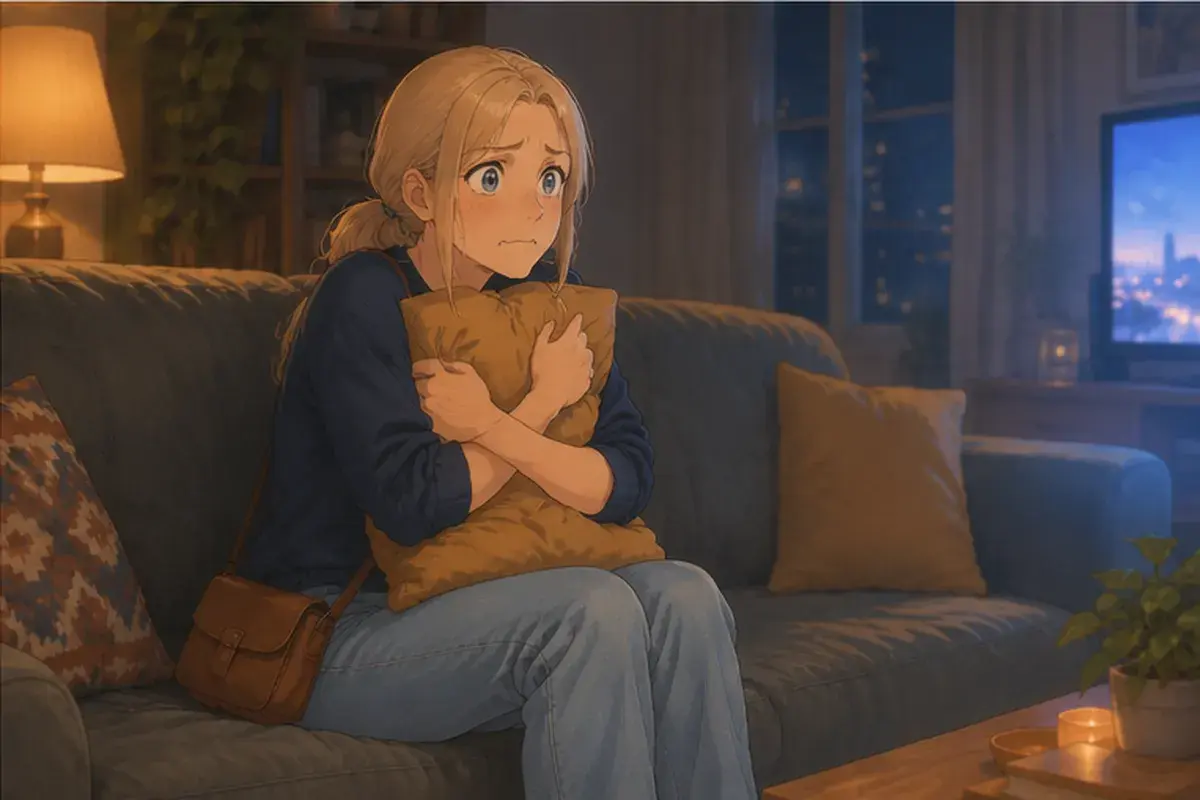
Los policías llegaron justo a tiempo y lo detuvieron. Yo estaba temblando en el sofá, te lo juro.
The police officers arrived just in time and arrested him. I was shaking on the couch, I swear.

Al final, la defensa insistió en que todo era un error, pero el juez dijo que no: veinte años de cárcel.
In the end, the defense insisted that it was all a mistake, but the judge said no: twenty years in prison.

La hija del director dijo que por fin había justicia. Y Vega dijo que necesitaba unas vacaciones.
The manager's daughter said there was finally justice. And Vega said she needed a vacation.

Ese es el resumen: un final un poco previsible, pero a mí me encantó. ¿Lo comentamos el sábado?
That's the summary: a slightly predictable ending, but I loved it. Should we talk about it on Saturday?
Grammar for this text
What the characters said. The episode is retold in the past, so their words come after dijo que, afirmó que, contestó que — with the tense moved back:
- afirmó que era inocente — he claimed he was innocent (his words: Soy inocente);
- dijo que esa noche había visto a un hombre — he said he had seen a man that night (his words: Vi a un hombre);
- le dijo que nadie iba a encontrarla allí — he told her nobody was going to find her there (his words: Nadie va a encontrarte aquí).
The detective's questions. Le preguntó a la novia si era verdad — she asked the girlfriend if it was true (the question: ¿Es verdad?); le preguntó cómo era el hombre — she asked him what the man looked like (the question: ¿Cómo era el hombre?). Short answers: contestó que sí (she answered yes), dijo que no (he said no).
Even earlier. Había robado, había traicionado without dijo que are the usual past perfect ("had done"; unit 9): it happened before the events of the story.
Un arma. It's a feminine word, but in the singular it takes el or un, like el agua (A2, unit 15). In the plural: las armas.
No le había visto la cara — he hadn't seen his face. With body parts, Spanish doesn't say su cara, but le + la cara: word for word, "he hadn't seen the face to him".
Pusieron el último episodio — they showed the last episode: poner also means to show (on TV, at the movies), and the "they" form with no subject means "it was shown" — it doesn't matter who did it.
Te lo juro — I swear: a set phrase (unit 6).
Detuvo, detuvieron — arrested (he or she; they), from detener. The verb is built on tener, so its forms are like those of tener: tuvo → detuvo.
Words and grammar of the unit: Report what someone said.
Learn the words from the texts with flashcards
In the app, you can tap any word in a text to see its translation, forms and examples, and new words stick with flashcards. 15 minutes a day.
Start for freeEverything is open for free. No card needed to sign up.